
Introduction
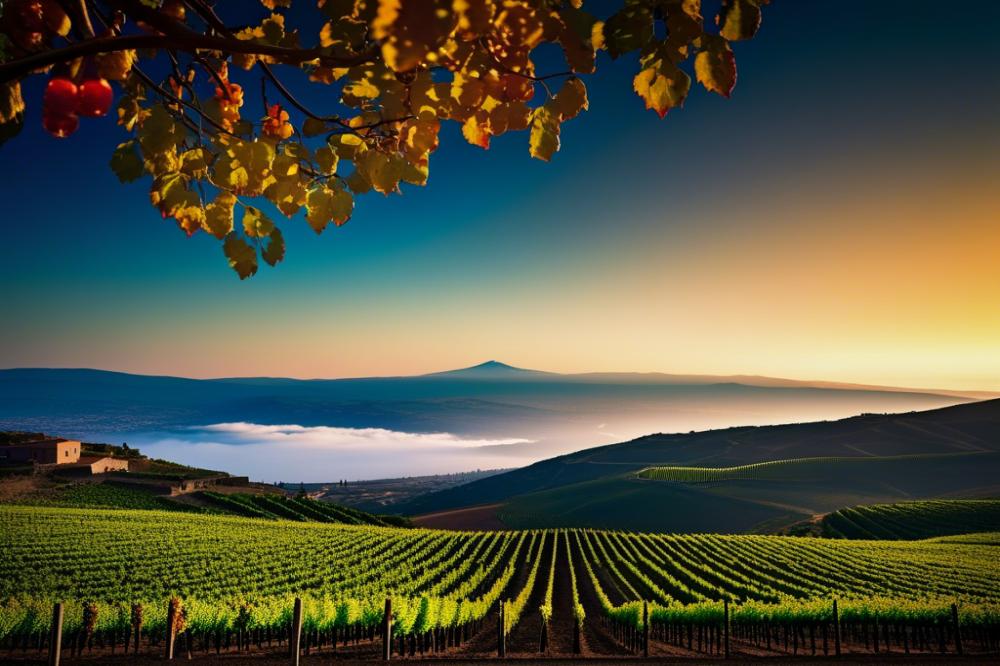
Etna Rosso wines come from the slopes of Sicily’s famous volcano, Mount Etna. This region is becoming a significant player in the world of red wine. The flavors of these wines reflect the unique conditions provided by volcanic soil, which nourishes the grapes in an exceptional way.
Wine lovers often admire Sicilian vineyards for their ability to produce remarkable wines. Using traditional winemaking techniques, local producers craft wines that express the character of their surroundings. The Mediterranean climate also contributes to the outstanding quality of the grapes harvested here.
The main grape variety used in the production of these wines is Nerello Mascalese. Its distinct features make it ideal for the Etna terroir. When tasting these wines, many experience an exciting blend of fruitiness and elegance. While enjoying a glass, one can almost sense the history and culture of Sicily in each sip.
Sicilian culture is rich, and its wine regions are no exception. Mount Etna’s surroundings offer a breathtaking landscape that enhances the experience of visiting local wineries. These Etna wine producers work diligently to create products that resonate with both locals and visitors alike.
Overall, Etna Rosso wines offer something different in the realm of red wine. Their unique characteristics and deep connection to the land make them a vital part of the tapestry of Sicily wines. Whether you are a casual drinker or a seasoned connoisseur, these wines deserve a place in your collection.
Etna Rosso
Definition and Characteristics
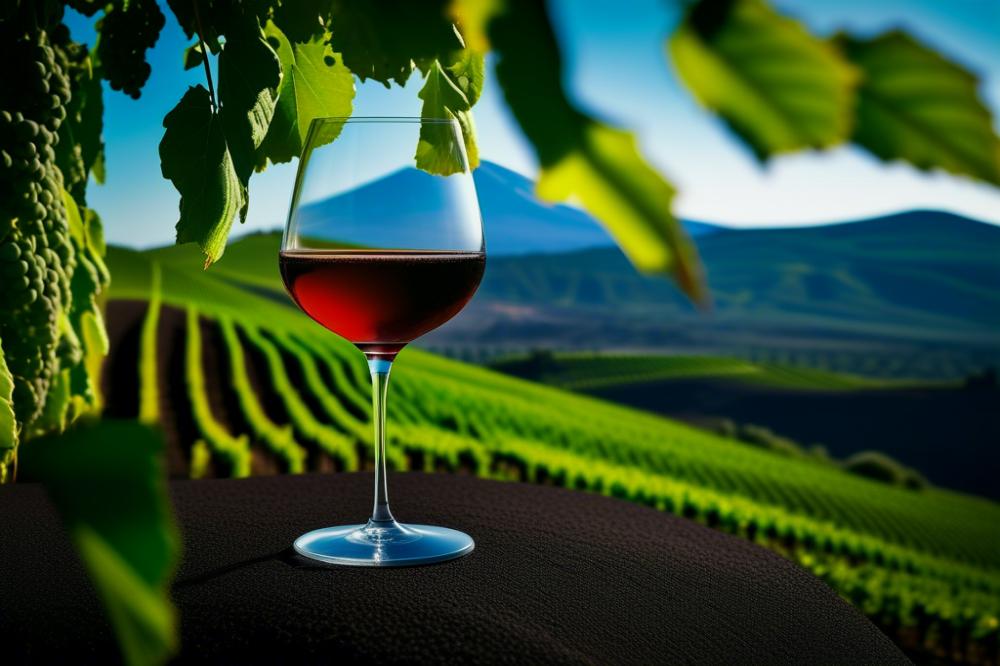
Etna Rosso is a distinctive red wine from the slopes of Mount Etna in Sicily. It holds a special place among Italy’s wine regions. Wines made here are known for their complexity. The combination of altitude and climate enhances the flavors. Many wine enthusiasts appreciate the bright acidity and aromatic profiles. These factors create a character that sets it apart from other Sicilian wines.
Key Grape Varieties: Nerello Mascalese and Nerello Cappuccio
Nerello Mascalese is the dominant grape variety used in Etna Rosso. This grape thrives in the volcanic soil of the region. It contributes layers of flavor, including cherry, plum, and herbal notes. Nerello Cappuccio is often blended in small amounts. This variety adds richness and soft tannins to the wine. Together, they create a balance that appeals to a wide audience. Wine tasting experiences often highlight the different expressions of these varieties.
Impact of Volcanic Soil on Flavor and Terroir
The volcanic soil of the Etna region is rich in minerals. This uniqueness influences the wines significantly. It imparts a distinct minerality that enhances the overall experience. The soil nourishes the vines, which struggle to adapt to harsh conditions. Such challenges often lead to more concentrated flavors. Furthermore, the Mediterranean climate plays a vital role. Warm days and cool nights help develop balanced acidity. Etna wine producers respect the land, practicing traditional winemaking methods. They aim to showcase the terroir in each bottle. Exploring these wines offers a glimpse into Sicilian culture and the connection to the land.
The Unique Terroir of Etna
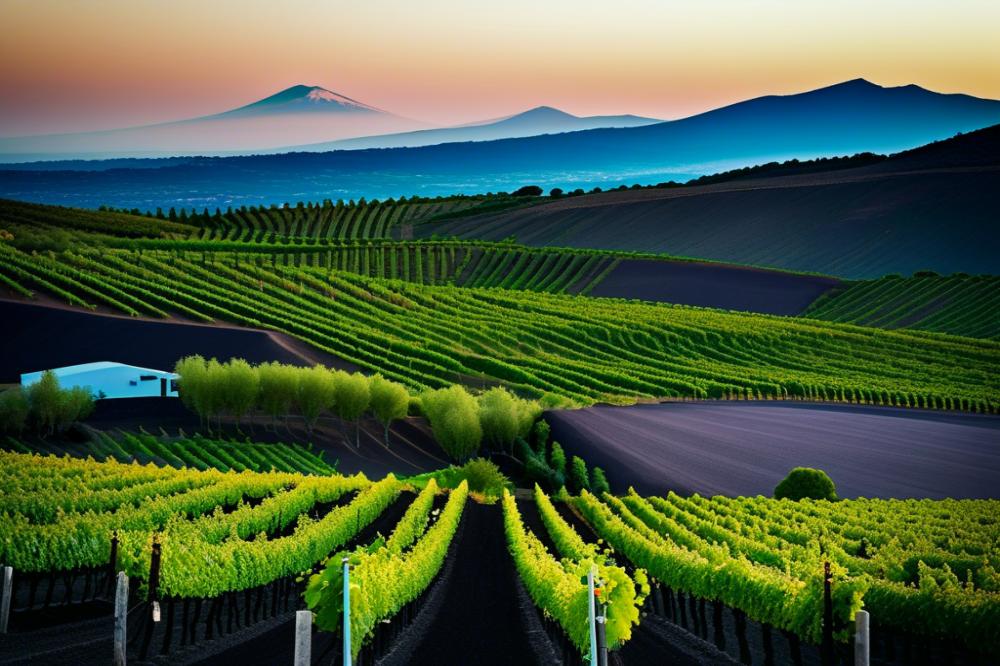
The Sicilian vineyards on the slopes of Mount Etna offer a striking landscape that is like no other. These vines grow in volcanic soil, which enriches the grapes with minerals and character. The combination of this soil and the region’s natural beauty creates a fascinating environment for wine production.
A Mediterranean climate plays a key role in the maturation of the grapes. Warm summers and mild winters provide ideal conditions for growing. Sunlight nurtures the vines, while cool nights preserve the grapes’ acidity. This balance is essential for producing high-quality red wine, particularly the Nerello Mascalese variety.
Altitude matters too. Higher elevations cool the grapes and lengthen the growing season. This results in more complex flavors and helps retain freshness. The slopes also contribute to the diverse microclimates found throughout the region. These conditions allow Etna wine producers to cultivate various styles and profiles.
Wine tasting in this area often reveals a tapestry of flavors, from bright cherries to earthy undertones. Traditional winemaking techniques further enhance the wines’ uniqueness. Local culture celebrates these practices, reflecting a deep connection between the people and their land. The rich Sicilian culture influences everything from vineyard management to how wines are enjoyed at the table.
Explorations of these distinctive wine regions show how geography and climate shape every bottle produced. Drinking a glass of Etna Rosso transports you to the slopes, imbued with the essence of the volcano. It’s a journey through soil, sun, and tradition that showcases why these wines are cherished.
Traditional Winemaking Practices
Sicilian vineyards on the slopes of Mount Etna thrive thanks to the rich volcanic soil. This earth contributes a distinct character to each wine produced here. Etna wine producers often rely on time-honored methods passed down through generations. Harvesting grapes starts early in the morning, preserving their freshness before the heat of the day sets in.
Using handpicking techniques, workers select grapes carefully. This approach means only the ripest fruit makes it to the winery. The grapes most commonly used for Etna Rosso include the Nerello Mascalese, which offers bright flavors and acidity. After picking, winemakers transport the grapes to their facilities, where they undergo fermentation.
Fermentation Processes
Traditional fermentation takes place in large, wooden containers. These vats allow for oxidative reactions that contribute to the wine’s complexity. Some producers still utilize spontaneous fermentation, relying on natural yeast found in the environment. This method highlights the regional essence of the wine, connecting it to its Sicilian culture.
The Mediterranean climate affects the vineyard and winemaking process. Warm days and cool nights help grapes develop their flavor profiles. Some winemakers blend modern technology with classic techniques. Stainless steel tanks, for instance, are sometimes used for temperature control during fermentation. This integration provides consistency while maintaining the wine’s authenticity.
In doing so, producers strive for balance. Different factors at play, like altitude and local microclimates, further influence the final product. Each bottle of red wine tells a story about the land and its people. Wine tasting in this region remains a popular experience, allowing visitors to savor the richness of the slopes.
Throughout the process, attention to detail is paramount. From the vineyard to the bottle, every step matters. This commitment to both traditional winemaking and innovation keeps the spirit of Etna alive, creating wines that reflect the unique character of their origins.
Wine Tasting and Appreciation
Flavor profiles in wines from the slopes of Sicily’s volcano are intriguing. The combination of volcanic soil and a Mediterranean climate shapes each bottle. Most importantly, you will find rich fruit flavors, earthiness, and hints of mineral. Aromas are inviting and can range from cherries to herbs. The primary grape used is Nerello Mascalese, which contributes vibrant characteristics.
Pairing Etna Rosso with Sicilian Cuisine
Having a glass of red wine from this region is especially delightful when paired with traditional dishes. Sicilian cuisine bursts with flavors that match well. Tomato-based sauces, grilled meats, and rich cheeses all complement the wine’s body and acidity. Think about savoring it alongside a plate of pasta alla Norma. The wine enhances every bite, creating a satisfying dining experience.
An Exploration of the Overall Tasting Experience
Taking part in a wine tasting is an adventure for the senses. Each sip reveals the hard work of dedicated Etna wine producers. Shoppers can appreciate the craftsmanship behind traditional winemaking methods. The time spent swirling the glass and evaluating the aromas creates anticipation. As you taste, pay attention to the layers of flavor that unfold. They tell a story of the region’s rich history and heritage.
This appreciation extends beyond just the wine itself. The connection to Sicilian culture comes alive in every drop. Visiting the vineyards also enhances the experience. Observing the lush landscapes and ancient vines adds depth to understanding the wine. Enjoying a glass evokes memories of warm evenings under the Sicilian sky. Wine tasting here is more than a hobby; it’s a celebration of flavors and traditions.
Cultural Significance of Etna Rosso
Connection to Sicilian Culture and Identity
Sicily’s rich heritage is intertwined with its wines. Etna Rosso, crafted from the Nerello Mascalese grape, reflects the island’s unique identity. The Sicilian vineyards benefit from the volcanic soil, which adds depth to every glass. Local winemakers have spent generations perfecting traditional winemaking techniques. Each bottle tells a story of the land and its people. The flavors echo the Mediterranean climate, where warm days and cool nights nurture the grapes.
Role in Local Traditions and Festivities
Celebrations in Sicily often include this cherished red wine. Family gatherings and communal feasts wouldn’t feel the same without it. Festivities such as harvest festivals showcase the connection between wine and local culture. Traditional dishes served alongside the wine highlight its significance in Sicilian cuisine. Many regions host wine tasting events that attract both locals and tourists. This intimate part of everyday life enhances the sense of community among drinkers, bringing them closer together.
Influence on Regional Wine Tourism
Wine tourism has grown dramatically in Sicily, with the slopes of Etna being a key attraction. Visitors flock to explore this renowned wine region, eager to taste the offerings of local producers. Tours of the vineyards provide a deeper understanding of the winemaking process. Enthusiasts admire the beauty of the landscape while enjoying the rich flavors of the wine. Engaging with Etna wine producers allows travelers to connect with Sicilian culture on a personal level. The combination of stunning views and delicious wine creates unforgettable experiences for all who visit.
Challenges and Prospects for the Future
Environmental challenges for Sicilian vineyards
Sicily’s volcanic landscape presents both beauty and obstacles. Climate change poses a significant threat to local agriculture, including grape production. Rising temperatures impact traditional winemaking practices. Furthermore, droughts and unpredictable weather can harm crops. Vineyards on the slopes of Etna face erosion due to heavy rains. These environmental factors challenge the delicate balance of viticulture in this region. The uniqueness of volcanic soil does help, but it is insufficient alone to combat ongoing changes.
Sustainability practices among Etna wine producers
Many Etna wine producers are recognizing the need for sustainable practices. Their approach aims to protect local ecosystems while producing quality red wine. Organic farming methods are becoming more common. Some vineyard owners adopt traditional practices that respect Sicilian culture. Cover crops can enhance soil health and reduce erosion. Moreover, utilizing renewable energy sources is gaining traction among winemakers. By focusing on sustainability, these producers address both environmental concerns and market demands.
Future trends in the Etna Rosso wine market
Growing interest in Etna wine extends beyond local borders. Explore new trends among wine enthusiasts eager for authentic experiences. Wine tasting events featuring wines from Sicily’s slopes are becoming increasingly popular. The distinct flavors of Nerello Mascalese captivate many connoisseurs. As interest expands, so does the potential for increased export opportunities. Educational programs about Sicilian vineyards also support this trend. Consumers increasingly seek wines that embody the spirit of their origin. The future of Etna Rosso appears bright, and its legacy continues to unfold.
Final Thoughts on Sicilian Winemaking
Etna Rosso wines represent a remarkable aspect of Sicily’s winemaking culture. They reflect the passion of local producers who work tirelessly on the majestic slopes of Mount Etna. This region’s volcanic soil helps create distinctive flavors that capture the essence of the land. Grapes grown here thrive in conditions that are both challenging and rewarding.
The heritage of winemaking in Sicily is rich and complex. Centuries of tradition surround each bottle produced. Today, modern techniques combine with traditional practices, breathing new life into Sicilian vineyards. This blend of old and new is crucial for the future of wines from this area.
Looking ahead, the potential for growth in this sector seems promising. As global interest in unique wines increases, Etna’s offerings have a chance to shine. Awareness of the intricate relationships between terroir, climate, and winemaking methods will continue to evolve. Wine lovers around the world are beginning to appreciate the distinct offerings from this volcanic region.
In summary, Etna Rosso wines are more than just beverages; they are stories of a place and its people. Each sip reflects the unique characteristics and challenges faced by local winemakers. As we enjoy these wines, we celebrate both their heritage and the bright future awaiting the Sicilian wine industry.

