
Introduction
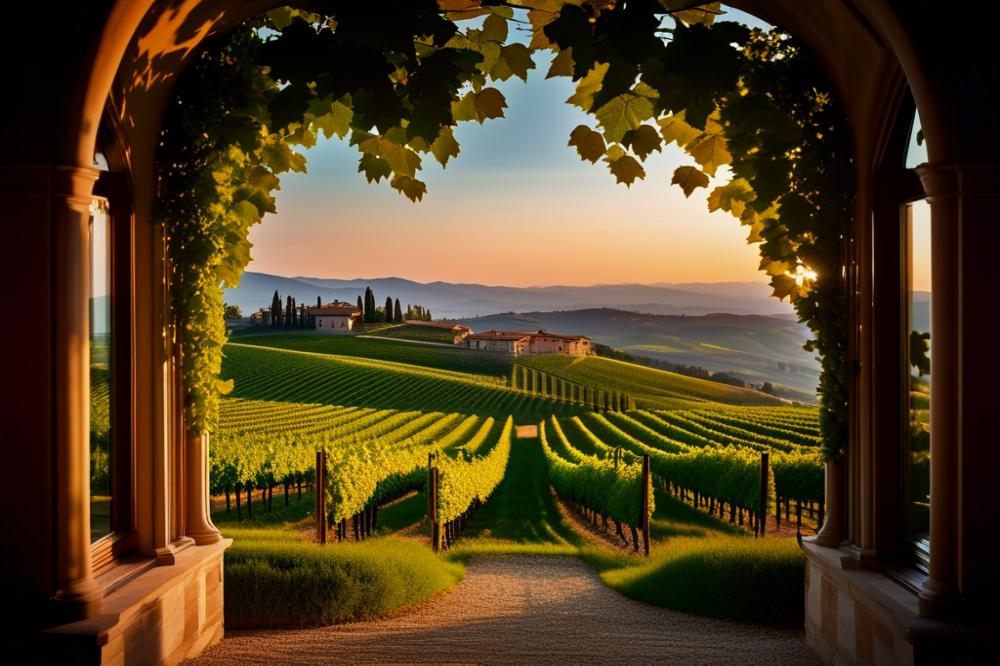
Italian wines are a treasure trove of flavors, styles, and traditions. Regions such as Tuscany and Piedmont often steal the spotlight. Pinot Noir and Chianti get a lot of attention among wine lovers. However, not every gem shines as brightly in the glass.
One such wine is Nebbiolo d’Alba. It is made from the Nebbiolo grape, a variety that thrives in the rolling hills of Piedmont. While Barolo and Barbaresco often take center stage, this lesser-known red deserves recognition. Its deep colors and rich aromatics can captivate anyone willing to explore.
Exploring underrated varieties is important for expanding one’s palate. Every bottle tells a story, and each sip reveals something new. When we focus only on the most famous bottles, we miss out on incredible experiences. The beauty of wine lies in its diversity.
Considering Nebbiolo d’Alba can lead to delightful surprises. It embodies the character of its region, offering a unique taste profile that can appeal to many. Lovers of fine wines should not overlook this hidden treasure. The journey into lesser-known varietals often uncovers remarkable flavors just waiting to be discovered. Whether you are a novice or a seasoned aficionado, this wine has something special for all.
By sipping on Nebbiolo d’Alba, you are opening the door to the past and embracing its heritage. So take a moment to appreciate its depth. You might find yourself enchanted by its complexity. Joining this adventure can elevate your wine experience. Investing in discovering #anchor_text_1# will deepen your appreciation for Italian wines.
The quest for understanding overlooked wines does not end here. More discoveries await those willing to venture beyond the mainstream. Give Nebbiolo d’Alba a chance; you may find it to be a personal favorite. Understanding these varietals brings us closer to Italy’s rich culture. Ready your palate for a delightful exploration. These wines deserve a place on your table, alongside their more famous counterparts.
Nebbiolo d’Alba: An Overview
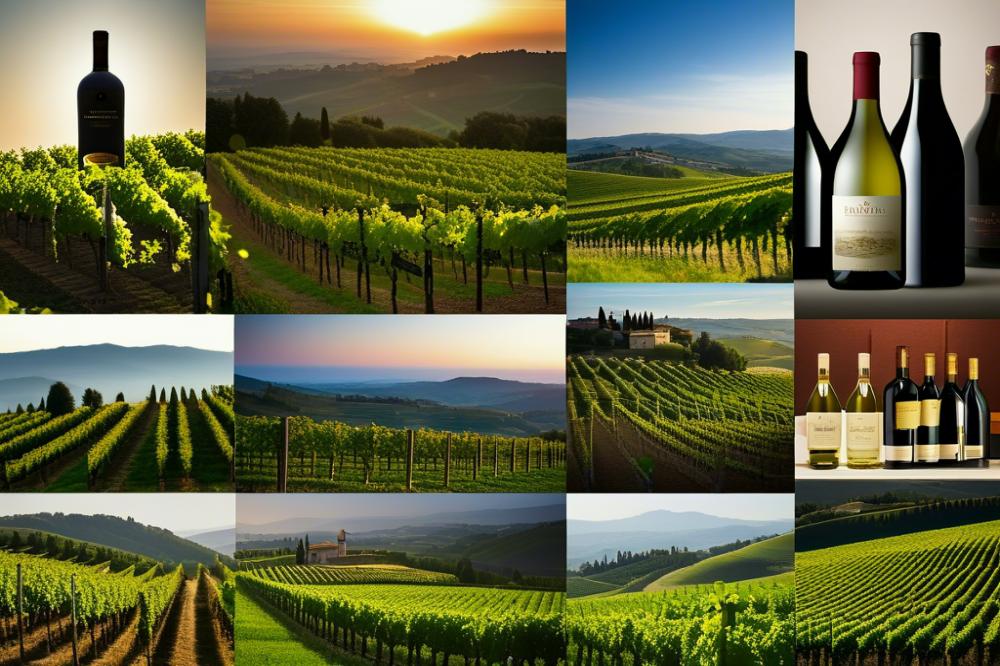
Nebbiolo d’Alba is a red wine from the Piedmont region of Italy. It uses the Nebbiolo grape, which is known for its deep flavors and aromatic profile. This wine has origins linked to the Langhe area, where its character is shaped by the local soil and climate. Many enthusiasts see it as a worthy gem within the vast wine landscape.
The historical context is rich. Nebbiolo d’Alba has been produced for centuries, yet it often stands overshadowed by its more famous cousins, Barolo and Barbaresco. These wines tend to steal the spotlight due to their robust reputations and higher price points. However, this doesn’t diminish the quality found in Nebbiolo d’Alba. It offers a more accessible entry point into the Nebbiolo world.
When comparing Nebbiolo d’Alba with Barolo and Barbaresco, the differences can be striking. Barolo is often hailed as the “king” of wines, and rightly so, given its powerful flavors and complexity. Barbaresco, though also exceptional, is typically considered the “queen,” with a slightly lighter profile. On the other hand, Nebbiolo d’Alba is often softer and more approachable. Wine lovers frequently appreciate its versatility, making it suitable for everyday drinking.
Tasting Nebbiolo d’Alba often reveals bright acidity and fruity notes, with a noticeable tannin structure. Floral aromas often emerge, hinting at the elegance within the glass. The subtleties in flavor can lead to enjoyable discoveries with each sip, showcasing why this wine deserves a more prominent role in discussions about Piedmontese wines.
Characteristics of Nebbiolo d’Alba
Tasting notes: aroma, flavor profile, and texture
Nebbiolo d’Alba offers an intriguing bouquet. Bright notes of cherry and raspberry often lead the way. Floral hints, such as rose petals, are not uncommon. At times, there is a delightful earthiness reminiscent of truffles or dried herbs. When tasting, one may notice a charming blend of red fruit flavors that dance on the palate. The wine typically has a good acidity, bringing freshness to each sip. As it unfolds, expect deeper flavors to emerge, including leather and spice. The overall texture feels medium-bodied and silky, making it quite approachable.
Aging potential and vineyard characteristics
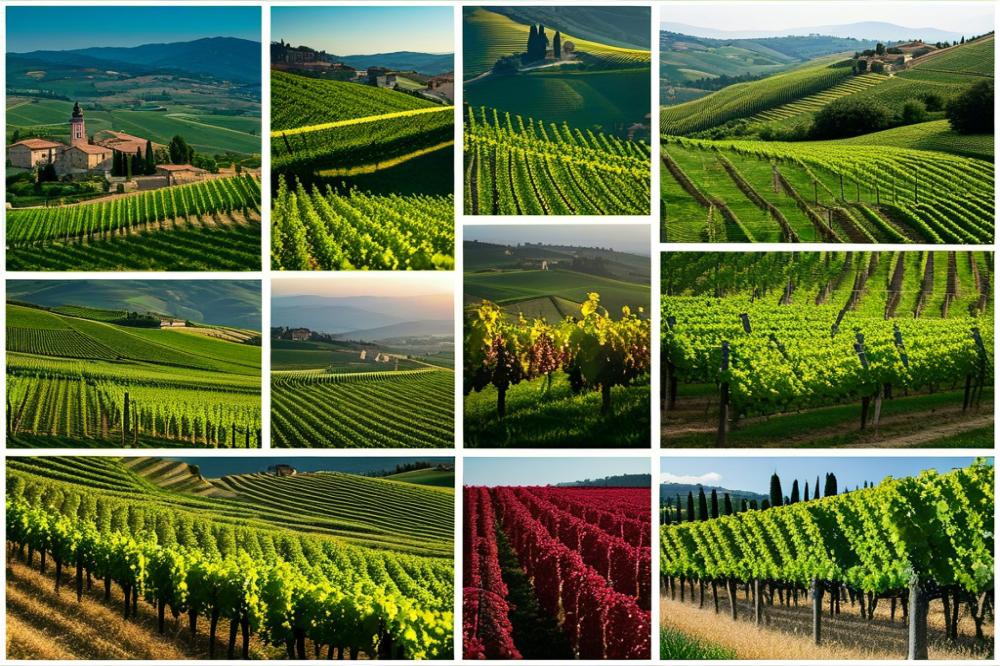
This varietal shows impressive aging potential. Wines can continue to evolve beautifully over the years. Many producers recommend cellaring for at least three to five years before enjoying. With age, more complex flavors develop, enhancing the wine’s character. Vineyards for Nebbiolo d’Alba often sit in prime, well-drained locations. Higher altitudes are common. This elevation allows for cooler nighttime temperatures, which is beneficial for retaining acidity in grapes.
Influence of terroir on the wine
Terroir plays a significant role in shaping the wine’s identity. The soil composition, including clay and limestone, contributes to the wine’s finesse. Each vineyard tells a different story, influenced by climate, altitude, and geography. Consequently, wines can vary significantly even when made from the same grape. Local traditions and winemaking techniques also have an interesting impact on the final product. Many experts believe that terroir enhances the expression of Nebbiolo d’Alba, making it a genuine reflection of its roots.
Production Regions and Winemaking Techniques
Key Vineyards and Producers in the Alba Region
The Alba region is a notable area in Piedmont for wine lovers. Several vineyards stand out for their exceptional Nebbiolo d’Alba. One of the most recognized producers is Vietti. Their dedication to quality shines through every bottle. Another significant name in the area is Giuseppe Rinaldi. Known for traditional methods, they offer a glimpse into the region’s winemaking heritage. Each vineyard possesses its own character, reflecting the diverse terroir. Look out for Elvio Cogno too, as they add an innovative touch while respecting time-honored practices.
Traditional vs. Modern Winemaking Practices
Winemaking techniques in Alba create a blend of old and new approaches. Traditional methods often emphasize longer fermentation times. Many winemakers still utilize techniques established generations ago. On the other hand, some producers embrace modern technology. They focus on precision and consistency. This shift can influence the final product’s taste. While traditionalists may favor foot-treading grapes, others might opt for mechanical methods. Therefore, discovering these different philosophies is essential to understanding local wines.
Role of Oak and Aging in Flavor Development
Oak barrels play a crucial role in shaping the flavor of Nebbiolo d’Alba. Winemakers use various types of oak to impart distinct characteristics. Some prefer large botti, which offer a subtle influence, while others choose smaller barrels for bolder notes. The aging period can also differ widely. Many producers opt for a minimum of one year in oak, enhancing complexity. This time in the barrel allows the wine to develop rich aromas and flavors. As Nebbiolo ages, it transitions from robust tannins to a softer, more nuanced profile. The combination of oak aging and vineyard conditions makes each vintage a new experience.
Food Pairings and Serving Recommendations
Ideal pairings for Nebbiolo d’Alba
Nebbiolo d’Alba complements a variety of dishes. Its acidity and tannins make it a great match for rich meals. Think of hearty ragùs or a classic beef stew. Dishes featuring wild game also shine alongside this wine. Try venison or rabbit for a delightful experience. Pasta with mushrooms provides a lovely earthy note that enhances the wine’s profile.
Vegetable-based meals can work well too. Grilled eggplant or roasted root vegetables bring out the wine’s fruity nuances. Cheese lovers will enjoy pairing it with aged cheeses like Parmigiano-Reggiano or goat cheese. A simple charcuterie board adds to the enjoyment, offering different textures and flavors.
Serving temperature and glassware
For the best experience, serve Nebbiolo d’Alba slightly cooler than room temperature. Aim for about 60 to 65 degrees Fahrenheit. This temperature helps to highlight its complex aromas and flavors. Use a large, bowl-shaped glass to allow the wine to breathe. This style of glass will also capture the bouquet.
Pour the wine and let it rest a few minutes before you start sipping. Aeration can open up the delicate notes. Swirling the glass gently can enhance the aroma even further. These steps improve the overall tasting experience.
Conclusion on versatility with cuisine
Food and wine should harmonize, creating a delightful dining experience. The versatility of Nebbiolo d’Alba makes it suitable for many cuisines. From Italian dishes to Asian-inspired flavors, this wine adapts well. Pairing it with various foods can elevate a simple meal. Enjoying different combinations can lead to new discoveries. This red offers something for both novice drinkers and seasoned enthusiasts.
The Market and Appreciation for Nebbiolo d’Alba
Current Trends and Popularity in Wine Circles
Interest in Nebbiolo d’Alba is slowly growing among wine enthusiasts. Many people appreciate its rich flavors and complexity. Social media has helped introduce this lesser-known wine to new audiences. As drinkers explore diverse options, they often stumble upon Nebbiolo d’Alba. Wine tastings and festivals frequently include this Piedmont gem, drawing attention to its qualities. Local wine shops are beginning to feature it more prominently due to increasing demand. Enthusiasts are excited to share their discoveries with others, creating a buzz in wine circles.
Challenges Faced by Lesser-Known Wines
Many wines like Nebbiolo d’Alba face significant hurdles in reaching a wider audience. Their lower profile compared to famous names reduces visibility in competitive markets. Securing shelf space in wine stores can also be difficult for lesser-known labels. Additionally, consumers often gravitate toward more established wines, making it harder for newcomers to break through. Limited marketing budgets restrict the ability to promote these wines effectively. As a result, potential customers may overlook Nebbiolo d’Alba, missing out on its character and charm.
Future Potential and Advocacy for Wider Recognition
There is hope for Nebbiolo d’Alba to gain more recognition in the future. Increased interest in varietals beyond the mainstream opens doors for this wine. Advocates for Nebbiolo d’Alba suggest creating more educational events. Wine producers can partner with local restaurants and host tastings. Collaboration can enhance visibility and appreciation. With more exposure, consumers might develop a taste for this Piedmont red. As the market evolves, so too does the potential for growth. Wine lovers are always on the lookout for new experiences, making this an exciting time for Nebbiolo d’Alba.
Wrapping Up: The Allure of Nebbiolo d’Alba
Nebbiolo d’Alba stands out with its elegant aromas and complex flavors. This wine offers a delightful mixture of red fruit, floral notes, and earthy undertones. Tannins are present but well-integrated, making it approachable at a younger age than its more famous counterparts. It embodies the craftsmanship of the Piedmont region while capturing the essence of Nebbiolo in a different way.
Wine lovers should feel encouraged to seek out this underrated gem. Exploring Nebbiolo d’Alba can lead to surprising discoveries and enjoyable experiences. Pairing it with various foods can highlight its versatility. Whether you are enjoying a hearty meal or a casual gathering, this wine can enhance the moment.
As a part of classic Italian wine culture, Nebbiolo d’Alba holds an important yet often overlooked position. It reflects the dedication of the local winemakers and the rich traditions of the Piedmont region. Its presence on shelves may not rival more famous wines, but that offers a unique opportunity for exploration. Dive into a bottle and discover the charm hidden within a glass. For those curious about quality Italian wines, this one deserves a spot on your list. Enjoy the journey of tasting and sampling; each sip tells a story, waiting to be uncovered.
If you’re interested, many local wine shops and online stores proudly carry selections of Nebbiolo d’Alba. Take the time to learn more; visit a winery or join a tasting event. Such experiences can deepen your appreciation for this often-underestimated varietal. With each glass poured, the allure of Nebbiolo d’Alba becomes more evident. It’s a wine that invites newcomers and seasoned aficionados alike to enjoy its rich heritage and romanticism, appealing to all who seek excellence in a bottle. Embrace this opportunity to explore further, expanding your palate with delightful reminders of the charm of Piedmont.

