

Overview of Kartell’s History and Significance in Milan’s Design Scene
Milan stands as a beacon of Italian design, and Kartell plays a vital role in that narrative. Founded in 1949, the company began with a focus on producing plastic goods. Over the years, it has transformed into a symbol of innovation and style in contemporary furniture design. Its impact on the market was revolutionary, pushing the boundaries of how materials could be utilized in everyday objects.
Strong craftsmanship and creativity define the brand. Designers like Giulio Castelli, its founder, pioneered the use of plastic in ways that were previously unimagined. By embracing this material, Kartell opened new avenues for modern design. Their unique products often combine functionality with distinct aesthetic appeal. Classic pieces like the Louis Ghost Chair and the Bourgie Lamp showcase both elegance and practicality.
Sustainability has also emerged as a core principle. As the world increasingly embraces eco-friendly practices, the company has adapted. It has committed to using recycled materials and focusing on environmentally friendly production methods. This shift reflects a broader trend in Italian design, where the balance of aesthetics and environmental consciousness becomes increasingly crucial.
Kartell’s heritage resonates within Milan’s design scene. The brand not only represents a commitment to innovation but also embodies a deep respect for the past. As contemporary Italian design continues to evolve, the legacy of this company reminds us of the endless possibilities within plastic design and furniture making.
Brand Heritage
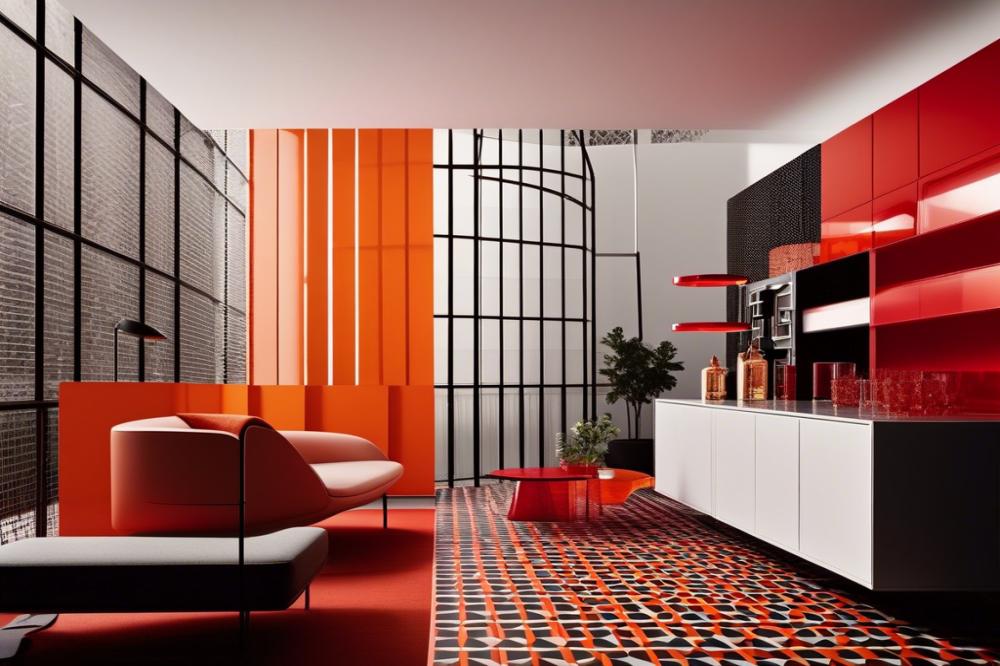
Founded in Milan in 1949, this furniture company emerged from the vision of Giulio Castelli. He aimed to create modern pieces that highlighted the beauty and versatility of plastic. Early on, the focus was on innovation, combining cutting-edge materials with stylish designs. This approach quickly made the company a leader in contemporary furniture.
Over the decades, several key milestones shaped the identity of the brand. In the 1960s, collaborations with prominent designers led to the creation of iconic products that remain popular today. Items like the “Louis Ghost” chair, designed by Philippe Starck, showcase how plastic design can marry function with elegance. This pivotal moment highlighted the company’s commitment to pushing boundaries and exploring new possibilities in Italian design.
Craftsmanship plays a significant role in every piece produced. Dedicated artisans meticulously create furniture that’s not only aesthetically pleasing but also highly functional. This focus on quality has established a relationship between artistry and practicality, showing what Italian craftsmanship can achieve in the world of modern design.
A commitment to sustainability has also woven itself into the company’s narrative. While celebrating the use of plastic, there is an awareness of environmental impact. Designing with eco-friendly materials and a circular economy approach signifies a ongoing dedication to responsible manufacturing. Such efforts align with the shifting values of contemporary consumers who seek more meaningful purchases.
The brand’s heritage reflects a rich history of innovation, craftsmanship, and style. Today, it stands as a testament to the evolving landscape of furniture design in Italy. Each product tells a story, merging tradition with modernity while maintaining a distinct character. The impact of that journey is visible in every piece crafted and every experience created through its unique designs.
Innovative Materials and Techniques
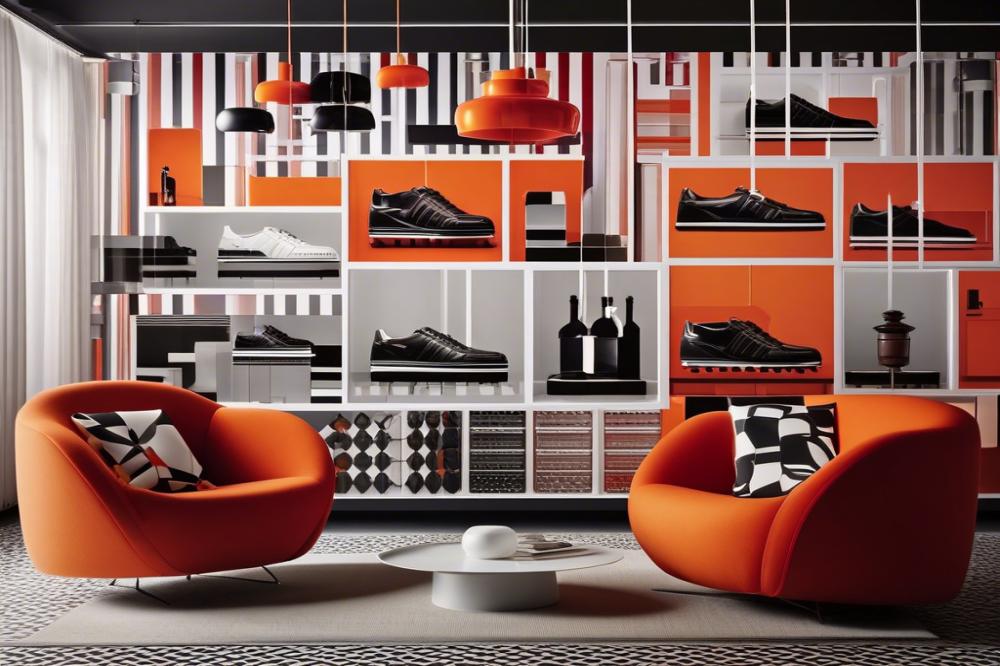
The story of Kartell is one of transformation, especially in the use of materials. Founded in Milan, the brand revolutionized furniture design by embracing plastic in ways that were previously unseen. This commitment to contemporary plastic design became a hallmark of their approach. Each piece reflects a deep understanding of how to manipulate this versatile material for artistic purposes.
Technological advancements have played a crucial role in product development. With cutting-edge techniques, the brand demonstrates what is possible when craftsmanship meets innovation. Unique methods of molding and finishing allow for intricate shapes and vibrant colors, setting products apart in the competitive world of Italian design. Iconic products like the Louis Ghost chair showcase how plastic can transcend its ordinary reputation to become a design statement.
The emphasis on sustainability in recent years has also reshaped their production strategies. Using recyclable materials aligns with a growing global consciousness about ecological impact. Designers are increasingly asked to think about not just aesthetics, but also the environment. Kartell has responded by ensuring that their methods are not only innovative but also responsible.
Moreover, the brand heritage is vital to understanding its evolution. It continues to build on a legacy that values both style and efficiency. By integrating new technologies with traditional design principles, they remain at the forefront of trendsetting. Consumers today look for pieces that not only serve a function but also speak to their values. This has propelled the brand into a leading position within modern furniture.
Iconic Products

Milan is a hub of modern design, and few names resonate as strongly as Kartell. This famous brand has produced numerous furniture pieces that remain popular and relevant today. Their iconic products showcase the beauty and potential of plastic design, often pushing the boundaries of what can be achieved with this material. Consider the Louis Ghost Chair. Designed by Philippe Starck, this chair combines tradition with contemporary flair. Its transparent form and classical silhouette make it a versatile addition to various settings.
Collaboration with renowned designers has been a vital part of the organization’s success. When visionary artists join forces with skilled craftsmen, the result is nothing short of extraordinary. Patricia Urquiola’s Blur Table exemplifies this synergy. Made from molded plastic, it reflects both innovation and functionality. The blurred edges create an illusion that captures the viewer’s attention while offering practical use.
Sustainability is now a crucial consideration in Italian design, and Kartell embraces this trend. Recent products often utilize recycled materials, reflecting a commitment to the environment. This shift not only appeals to eco-conscious consumers but also links the brand heritage with modern values. By fostering sustainable practices, a sense of responsibility enhances the narrative surrounding their products.
In addition to chairs and tables, the iconic lighting designs deserve recognition. The Folly Lamp, crafted by Ferruccio Laviani, showcases bright colors and playful forms. It stands out as a statement piece in any room, embodying both creativity and boldness. These designs capture the spirit of contemporary aesthetics and engage with larger cultural trends.
The diversity of their offerings means there is something for every taste. Soft curves, sharp angles, and vibrant colors all come together in a cohesive collection. Each piece tells a story, making it easier for consumers to find something that resonates with their personal style. The blend of high-quality craftsmanship and attention to detail ensures that these items maintain their appeal across generations.
Each product reflects an idea, a moment in time, and our relationship with environments we inhabit. Milano’s tradition of design continues to evolve, with Kartell at the forefront. Their commitment to innovation keeps the brand flourishing in a competitive market. As trends change, they adapt while staying true to their essence, proving that great design is timeless.
Sustainability and Modern Practices
Milan stands as a hub for furniture innovation, and a particular brand has made significant strides in sustainable practices. The focus on reducing environmental impact is evident in their design philosophy. Incorporating eco-friendly materials is just one way they lead the charge in contemporary plastic design.
New strategies aim to lower waste during production. By rethinking traditional methods, the brand balances efficient craftsmanship with ecological responsibility. This approach reflects a commitment to sustainability, which has become vital in today’s design landscape.
Recognizing the importance of brand heritage, many iconic products are reimagined using recycled materials. This transformation not only honors the past but also looks toward a greener future. Consumers increasingly value products that are both stylish and environmentally friendly.
Innovation in materials is another key aspect of modern Italian design. For instance, the use of bio-based plastics offers a fresh take on classic designs. This shift helps reduce reliance on fossil fuels while maintaining high standards for quality.
The role of sustainability resonates deeply with newer generations of consumers. They want furnishings that reflect their values. By prioritizing ecological considerations, the brand connects with this audience in a meaningful way.
Through thoughtful initiatives, the future of furniture design looks promising. Emphasizing both sustainability and style, this evolution showcases how modern practices can redefine what it means to create beautiful, lasting pieces of furniture.
Final Thoughts on Kartell’s Legacy
Innovation has been at the heart of this renowned brand’s philosophy. Their impact on contemporary Italian design cannot be overstated. Over the years, they have transformed ordinary furniture into eye-catching pieces that speak to modern sensibilities. Many of their designs blend functionality with style, capturing the attention of both everyday consumers and design enthusiasts.
Milan serves as the perfect backdrop for this creative powerhouse. The city is a hub of artistic expression, making it an ideal place for Kartell to flourish. Their ability to collaborate with leading designers has brought forth a fresh approach to design. As a result, they have not only produced stylish items but have also shifted industry standards.
Looking ahead, the future appears bright for this iconic brand. An unwavering commitment to craftsmanship remains a cornerstone of their operations. By embracing new materials and technologies, they are set to continue challenging the limits of design. This willingness to innovate while honoring tradition ensures enduring relevance in the design community.
As trends evolve, so does the demand for sustainable practices. Kartell has already begun integrating eco-friendly materials into their production processes. This shift not only responds to consumer needs but also aligns with global efforts to protect the environment.
In conclusion, the legacy of this Milanese brand is one of bold creativity and meaningful impact. Their ongoing journey promises a blend of classic designs with cutting-edge innovation. As they look to the future, one thing is certain: they will continue to inspire others in the world of design.

