
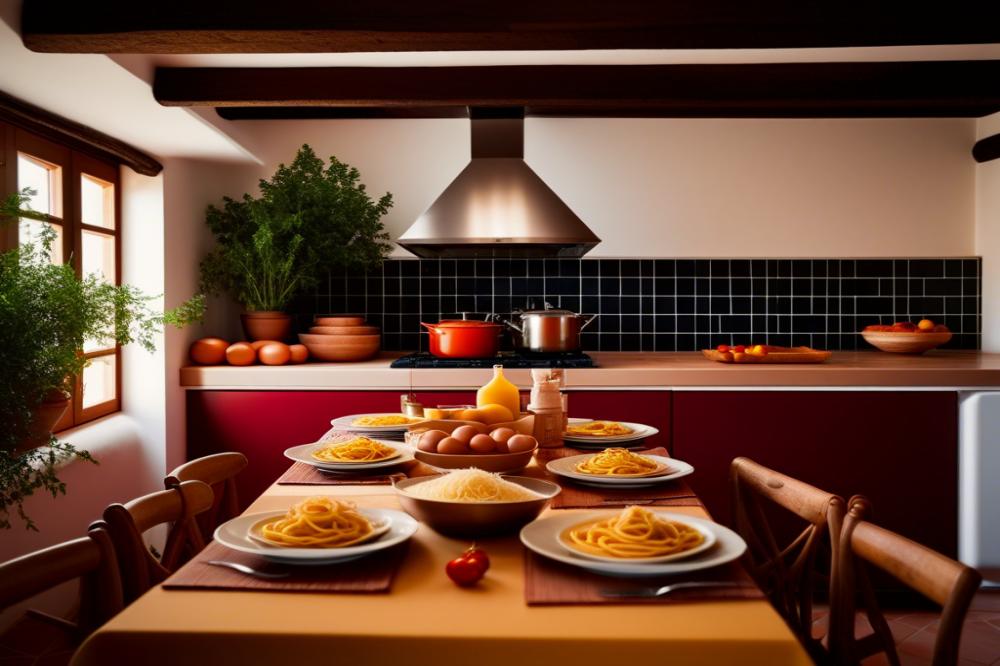
Cooking authentic pasta in a Tuscan cooking class
Culinary adventure holidays in Italy offer travelers the chance to explore a rich food culture. Visitors can experience the joy of cooking among stunning landscapes and charming villages. Many holidaymakers seek out authentic cooking experiences as a way to connect with the local lifestyle. It allows participants to learn, taste, and create delicious dishes that are true to their origins.
Experiencing traditional Italian cuisine is a highlight for many food enthusiasts. Through hands-on classes, participants dive deep into various cooking techniques. The act of making pasta from scratch is often the centerpiece of these classes. Learning the art of pasta making is not just about food; it’s about understanding the history and traditions behind each dish.
Tuscan recipes showcase the best of local ingredients. Fresh tomatoes, aromatic herbs, and high-quality olive oil are just a few staples. Local chefs guide students through every step, sharing stories and secrets along the way. This journey into Italian cooking becomes more than a lesson; it evolves into a memorable culinary experience. The satisfaction of creating authentic pasta is uniquely rewarding and builds a lasting appreciation for the cuisine.
Tuscan cooking class
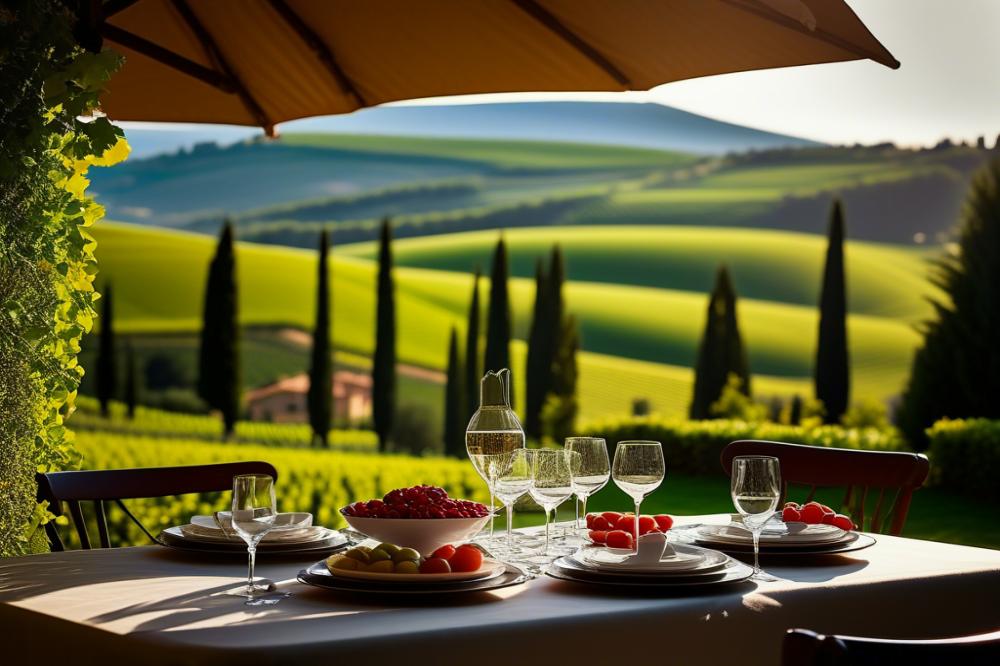
A Tuscan cooking class offers a gateway into the heart of traditional Italian cuisine. These sessions are more than just culinary lessons; they are rich cultural experiences. Participants gain insights into the deep-rooted food culture of Tuscany, a region known for its vibrant local ingredients.
During a typical class, students engage in various activities that revolve around authentic pasta making. From kneading dough to shaping ravioli, each step is accompanied by guidance from knowledgeable local chefs. The structure of the class often includes both demonstrations and hands-on practice. This blend ensures that everyone can learn essential cooking techniques.
Local chefs play a significant role. They share their passion for Tuscan recipes and delve into stories about the region’s food history. In this engaging environment, participants learn how to select fresh Italian ingredients. They also explore the importance of seasonal produce in creating flavorful dishes. Each moment spent in the kitchen fosters a connection between the participants and the local culinary scene.
The Art of Pasta Making
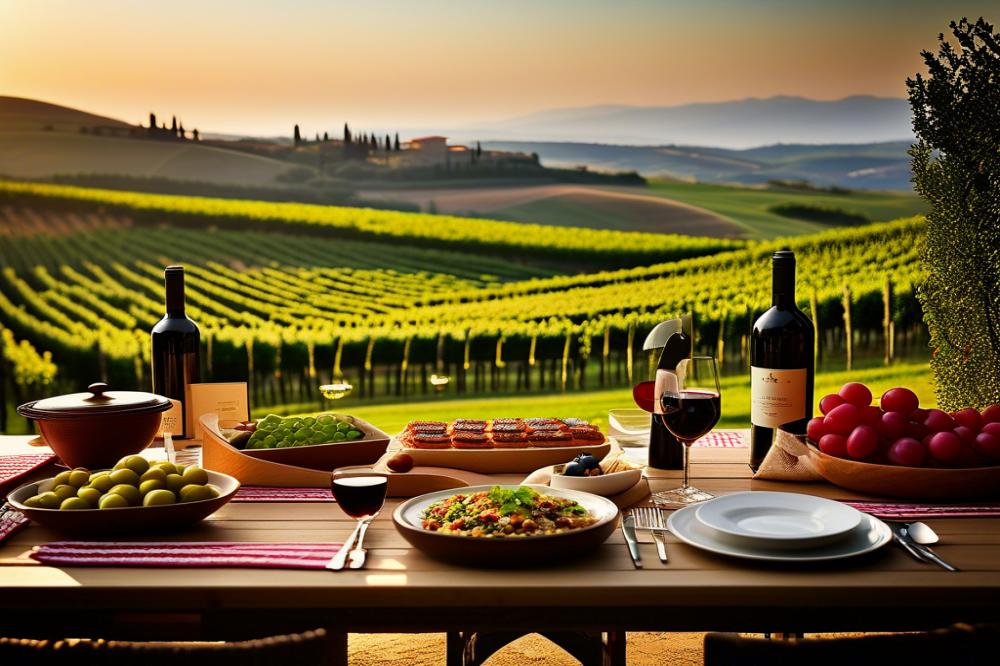
Pasta making is an essential part of traditional Italian cuisine. Many people around the world enjoy pasta, but making it from scratch is a special skill. In a hands-on class, participants learn the art of pasta crafting under the guidance of local chefs. They share secrets passed down through generations, enriching the culinary experience.
Several types of pasta exist, each with its own history and technique. Common varieties include tagliatelle, gnocchi, and ravioli. Every shape influences sauce choice and overall dish flavor. Exploration of these types deepens understanding of the food culture in Tuscany.
The process of crafting authentic pasta usually begins with simple ingredients. Flour and eggs are the main components. First, a well is created with the flour, leaving a space in the center for the eggs. Gradually, the flour is mixed with the eggs using a fork. This technique prevents clumps and allows for a smooth dough.
Once the dough is combined, kneading comes next. A solid yet pliable texture is the goal. Participants take turns pressing and folding the dough, which builds gluten and develops elasticity. This part of pasta making showcases the physicality of cooking. It requires patience and attention but leads to rewarding results.
After significant kneading, the dough rests. This rejuvenation period is crucial for easier rolling. Techniques for shaping pasta vary widely. Participants may use a rolling pin or a pasta machine to achieve a thin, even sheet.
Cutting the pasta into desired shapes follows rolling. For example, tagliatelle is sliced into long ribbons, while ravioli involves filling sheets with various ingredients. This filling process allows creativity to shine, as Tuscan recipes often utilize local ingredients.
Cooking techniques are paramount once the pasta is shaped. Boiling is the simplest method. Pasta is added to salted water and cooked until al dente, or firm to the bite. This step captures the essence of Italian cooking and emphasizes the importance of timing.
The artful blending of these methods creates a culinary masterpiece. Each participant leaves the cooking class equipped with newfound skills and an appreciation for authentic pasta. They take home more than just recipes; they gain a glimpse into the heart of Italy’s rich food culture.
Traditional Italian Cuisine in Tuscany
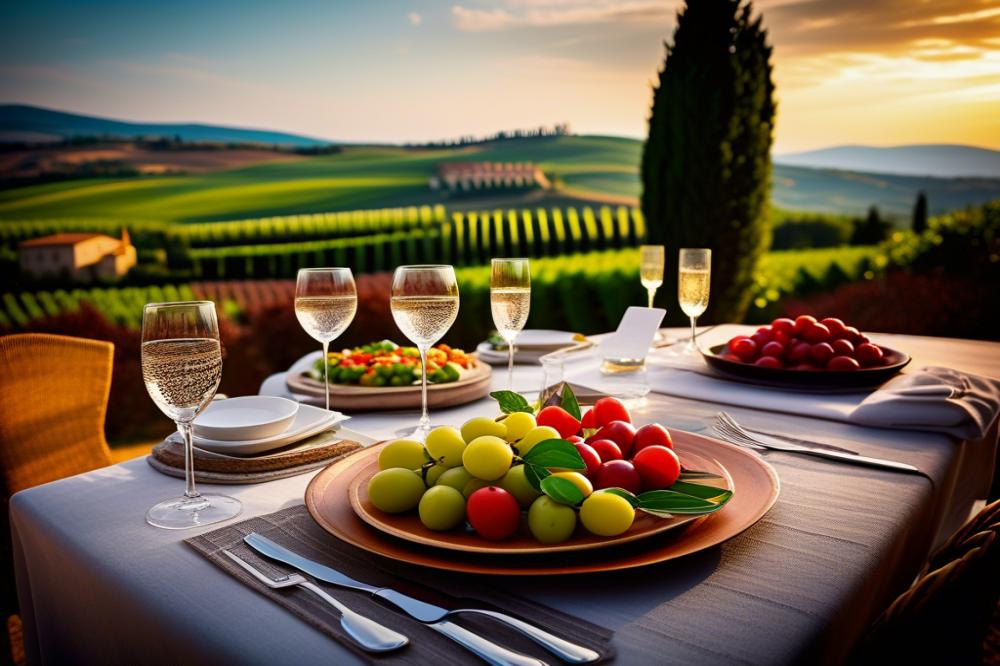
Tuscany is famous for its rich culinary traditions. The region offers an array of Tuscan recipes that have been passed down through generations. Many dishes focus on simple ingredients that reflect the local landscape. Fresh vegetables, beans, and grains form the basis of traditional plates. Olive oil, another staple, is often used for cooking and dressing. In addition, garlic and herbs are common, enhancing flavors in various meals.
Local Italian ingredients play a vital role in Tuscan cooking. Seasonal produce is preferred, as it ensures freshness and quality. Farmers’ markets are popular, with locals selecting ripe tomatoes, leafy greens, and vibrant peppers. Chefs use these fresh items to create authentic flavors. In Tuscany, pasta making is an art. It requires skill and patience. Homemade pasta, such as pici or tagliatelle, remains a beloved choice for many families.
Cooking techniques vary in Tuscany but often involve slow cooking methods. Stews and braises highlight the region’s rich flavors, while grilling adds a smoky taste. These methods allow the ingredients to shine. A hands-on class led by local chefs provides an excellent opportunity for anyone interested in this cuisine. Learning directly from those immersed in the food culture deepens the culinary experience. Participants get to understand the stories behind each ingredient and dish.
Visiting Tuscany offers more than just great food. Culinary travel allows people to connect with the rich history of the area. Food is not merely sustenance; it is a part of every celebration and gathering. Each meal tells a story, blending history, tradition, and community. Tuscan cuisine reflects the essence of everyday life, making it unique and memorable.
Culinary Techniques for Authenticity
Tuscan cuisine is rich in history and flavor. Traditional cooking techniques play a vital role in achieving authenticity. Pasta making is one of the most essential skills in this regional cooking. Whether you are shaping fettuccine or preparing ravioli, each step requires attention and practice.
Local chefs often emphasize the importance of using fresh, seasonal Italian ingredients. Tomatoes, basil, and olive oil are just a few staples that contribute to the vibrancy of Tuscan recipes. They explain that the essence of food culture in Tuscany relies on quality. From selecting the best produce to using time-honored methods, every detail increases the dish’s authenticity.
During a hands-on class, students engage directly with these techniques. Watch how the chefs guide participants through rolling dough and forming various pasta shapes. Their expertise is evident as they demonstrate how to make sauces that perfectly complement the pasta. Each lesson reflects a deep understanding of traditional Italian cuisine.
The skillful execution of recipes cannot be understated. Mistakes might occur, but learning from them is part of the culinary experience. Chefs encourage creativity while still respecting traditional methods. This balance is essential for anyone pursuing culinary travel in Italy.
In every class, the role of local chefs becomes clear. Their passion for food is contagious. They share stories that connect students to Tuscan heritage. This promotes a richer understanding of why each technique is crucial. Authentic cooking is not merely about following recipes; it’s about embracing the spirit of the region.
Experiencing Tuscan Food Culture
Tuscany boasts a rich food culture that reflects its history, geography, and traditions. Each meal tells a story, often passed down through generations. Local ingredients play a crucial role in creating authentic dishes. Vegetables, meats, and cheeses come from nearby farms, making every bite a taste of the region. Exploring Tuscan recipes reveals the heart of traditional Italian cuisine.
Culinary experiences in this region invite participants to engage deeply with local customs. Cooking classes provide opportunities to learn cooking techniques that are integral to everyday life. Through hands-on classes, students discover how to make pasta from scratch. The process becomes a joyful activity that fosters connection with both the food and the people.
Interactions with local chefs enhance this learning experience. They share their passion and knowledge about Italian ingredients, making each lesson memorable. Their enthusiasm is contagious, inspiring participants to ask questions and seek advice. Fellow participants also contribute to the experience. Each person brings their unique perspective, fostering discussions about food culture. Sharing experiences brings everyone together.
In these classes, the emphasis goes beyond just cooking. Participants gain insights into the social aspects of eating. Meals in Tuscany are often communal, emphasizing relationships and shared experiences. Learning to cook Tuscan dishes allows people to appreciate the role of food in bringing families and friends together.
Final Thoughts on Culinary Exploration in Tuscany
Attending a cooking class in Tuscany provides numerous benefits. First, participants gain hands-on experience in traditional Italian cuisine. Learning from local chefs allows for the sharing of culinary secrets handed down through generations. These classes often emphasize the importance of fresh ingredients. Thus, students engage with the essence of Tuscan cooking, which highlights seasonal produce and regional flavors.
Traveling to Italy offers a wonderful opportunity to embrace culinary adventures. While exploring the breathtaking countryside, travelers can also dive into the culinary world. Stepping into the kitchen to learn cooking techniques provides a deeper understanding of local culture. Each dish tells a story, and that connection makes the experience even richer. Authentic pasta making goes beyond simply following a recipe; it involves understanding the ingredients and the history behind them.
Making pasta from scratch can bring joy and satisfaction like few other activities. Kneading the dough and forming the shapes can feel therapeutic. Sharing a meal with fellow enthusiasts enhances the experience of creating food together. As one enjoys the fruits of their labor, it becomes clear how pasta is intertwined with Tuscan life. Embracing culinary travel means enjoying life through taste, connection, and community.
In summary, a cooking class in Tuscany is about so much more than just learning to cook. It connects travelers with local traditions and offers an inspiring way to experience Italy. Discovering the art of pasta making often leads to lifelong memories and skills to cherish. So, step into that kitchen and savor every moment on this culinary journey.

