

Exploring the flora and fauna of the Amalfi Coast
The Amalfi Coast is a stunning stretch of coastline located in Italy. Known for its dramatic cliffs and picturesque villages, this region has captured the hearts of many. Each year, travelers flock to its shores to enjoy the breathtaking views and rich history. However, it is not just the landscapes that draw attention. The biodiversity found here plays a crucial role in shaping the environment.
This area showcases extraordinary ecosystems, each filled with life. A Mediterranean climate fosters a variety of native plants that thrive in the warm sun. These plants, adapted to the rugged terrain, create unique habitats for numerous species. Wildlife flourishes here, from colorful birds to elusive mammals. Many visitors may not realize that the coastal ecosystems provide essential services to the environment, including promoting healthy marine life.
Hiking along the scenic paths reveals the rich tapestry of life in this coastal paradise. Nature enthusiasts often explore the hidden gems of the Amalfi Coast flora and fauna. Each step taken on these trails offers opportunities to witness the beautiful and the rare. Conservation efforts bear great significance, aiming to protect this delicate balance. As one wanders through lush landscapes, the interconnectedness of all living things becomes clear.
In summary, the Amalfi Coast is not just a destination for its breathtaking views but also a vital hub of biodiversity. The importance of its natural heritage cannot be overstated. Exploring this enchanting region allows us to appreciate not only its scenic beauty but also its environmental significance. Truly, the Amalfi Coast is a treasure trove of life waiting to be discovered.
Understanding Amalfi Coast flora
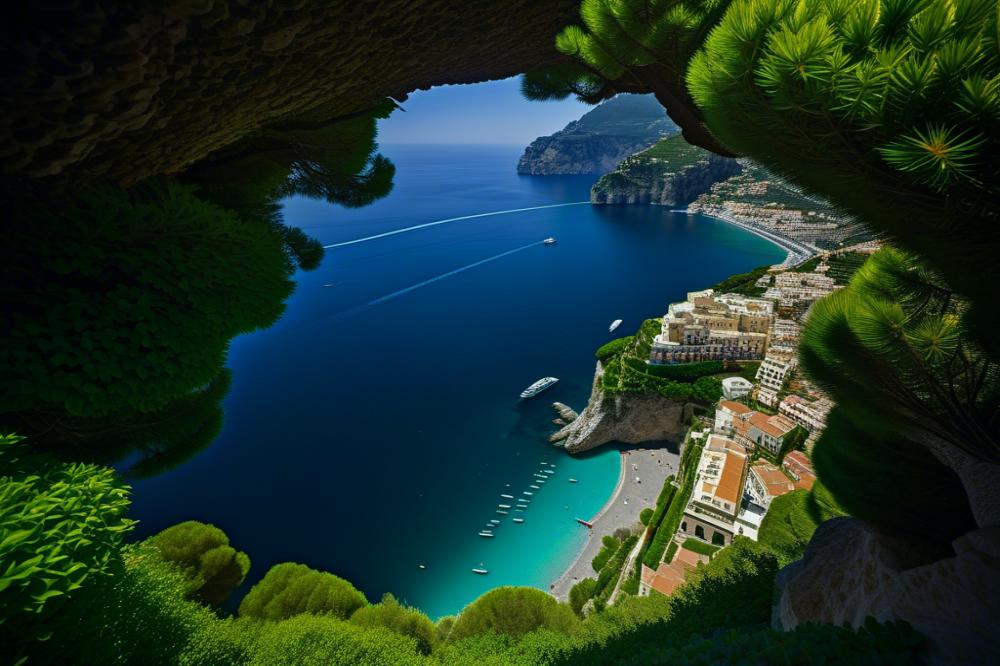
The Amalfi Coast is home to a diverse range of native plants. This unique region boasts a rich biodiversity. The Mediterranean climate plays a crucial role in shaping these plants. Mild winters and hot, dry summers provide a specific environment for growth. Plants have adapted to withstand the salty air and rocky soil of the coastline.
Among the native plants, you will find aromatic herbs such as oregano and rosemary. Their strong scents not only attract beneficial insects but also help them survive harsh conditions. Olive trees stand tall on the hillsides, showcasing resilience in rocky terrain. Citrus trees flourish along the coastal slopes, adding vibrant colors and flavors to the area.
Coastal ecosystems feature a variety of vegetation types. Dense maquis and scrubland can be found in some areas. These plants help prevent soil erosion, protecting the land from the elements. In contrast, other regions are dominated by lush, green terraces that highlight human agricultural efforts. Vegetation in this area also supports various wildlife, contributing to the area’s environmental significance.
The scenic landscapes of the Amalfi Coast are a treasure for hikers. Trails wind through lush vegetation, offering stunning views of both land and sea. Many species of flora are not found anywhere else, making conservation efforts vital. Marine life thrives in the waters nearby, influenced by the flora along the coast. This interconnectedness highlights the importance of preserving both plants and animals.
Biodiversity and Wildlife of the Amalfi Coast
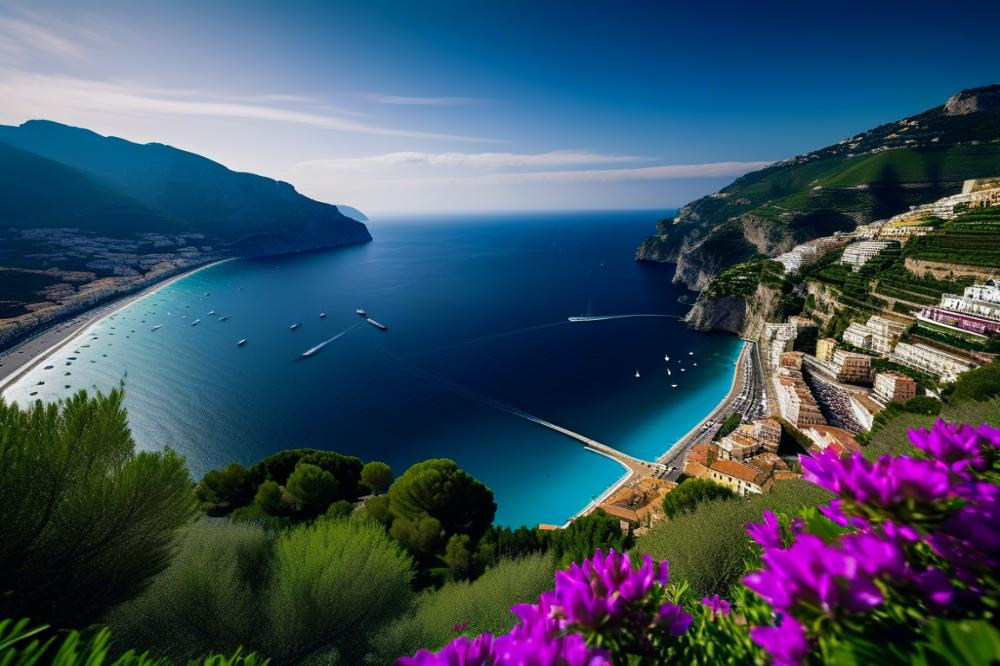
The Amalfi Coast showcases a rich variety of wildlife species. Many birds, such as the peregrine falcon and the blue rock thrush, can be spotted soaring above the cliffs. The region also hosts various mammals, including the charming wild boar. Along the coastal ecosystems, reptiles like the green lizard bask on the warm rocks. These species illustrate the area’s vibrant biodiversity.
Understanding the significance of this biodiversity is vital for environmental health. Diverse species contribute to balanced ecosystems. Healthy populations of insects, plants, and animals create a natural harmony. Without this balance, certain species may decline. Conservation efforts work to maintain the flora and fauna of the region, ensuring ecosystems remain resilient.
Interactions between native plants and wildlife populations are deeply interconnected. Birds often help pollinate flowers while feeding on nectar. Local wildlife disperses seeds, supporting new plant growth. Such relationships are essential for maintaining healthy habitats. The biodiversity seen here supports not only local life but also attracts ecotourism. Hiking routes wind through the scenic landscapes, where visitors can explore these natural wonders up close.
Marine life thrives in the waters surrounding the Amalfi Coast. Fish and other marine creatures depend on the health of both land and sea ecosystems. Coastal preservation is key to protecting this underwater life. The Mediterranean climate allows unique species to thrive, making the region a precious ecological treasure. Understanding these relationships enriches appreciation for nature’s complexity.
Marine Life in the Waters of the Amalfi Coast
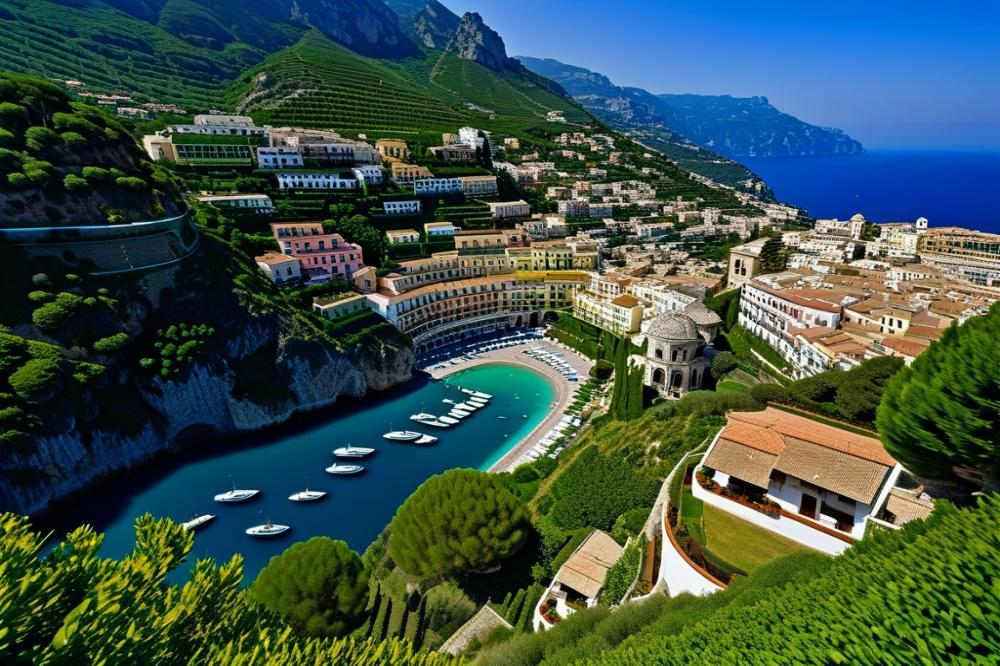
The Amalfi Coast is famous for its stunning views and vibrant coastal ecosystems. These waters teem with life. The Mediterranean climate greatly influences the types of species found here. Warm seas combined with plenty of sunlight create a rich environment for many aquatic organisms.
In these waters, biodiversity is at its peak. Colorful fish such as the splendid damselfish and the intriguing scad swim among the rocks and corals. Various species of grouper and snapper can also be spotted, showcasing the variety of marine life present. Besides fish, the coastline features intriguing marine plants, like seagrasses and algae. These native plants provide essential habitats for young fish and other creatures.
Coastal ecosystems in this region play a vital role in maintaining ecological balance. They serve as breeding grounds for many marine species. The connection between land and sea is crucial, as it supports the wildlife that lives both above and below the water. Scenic landscapes above the surface contrast beautifully with the underwater vistas, highlighting the intricate relationship between these two worlds.
However, the importance of marine conservation efforts cannot be overstated. Pollution and overfishing threaten the delicate balance of this environment. Initiatives aim to protect habitats and promote sustainable practices. Preserving these ecosystems ensures that future generations can enjoy the same beauty and diversity. Through community involvement and awareness, conservation groups actively work to protect marine life along the coast.
Visitors often engage in hiking along the cliffs. They can witness the stunning beauty of the region while learning about its environmental significance. Education about the orca whale populations and sea turtles further enriches the experience. Every small step taken towards conservation helps maintain the charm of the Amalfi Coast’s waters.
Hiking and Scenic Landscapes
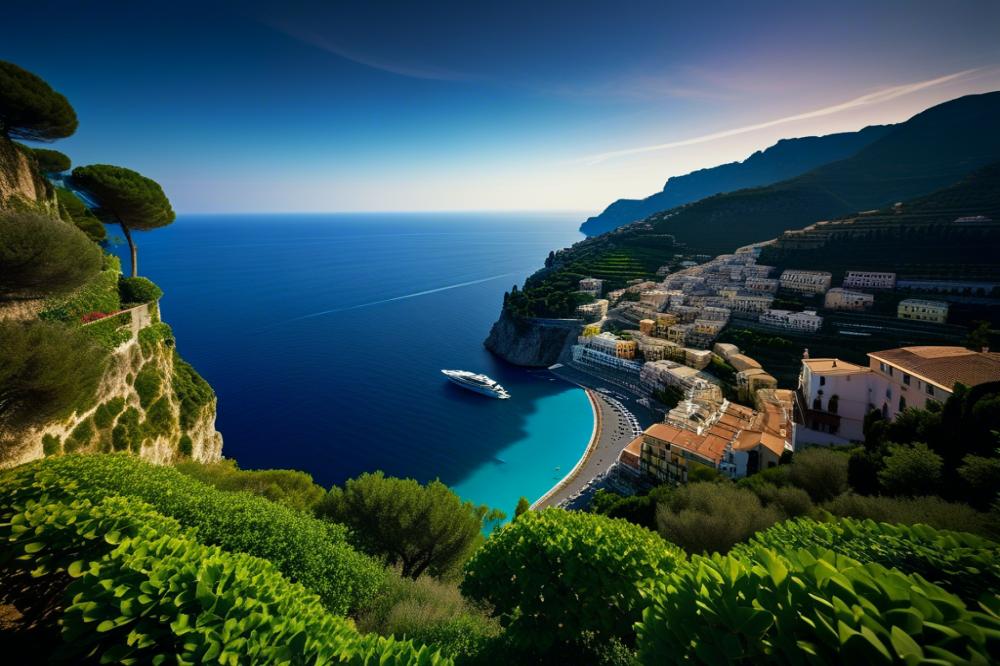
The Amalfi Coast is a paradise for hikers seeking to explore its remarkable flora and fauna. Numerous trails wind through breathtaking landscapes, highlighting the region’s rich biodiversity. These paths present a wonderful opportunity to observe various native plants and wildlife that call this area home. The famed Path of the Gods, for instance, offers stunning views while allowing visitors to discover unique species that thrive in this Mediterranean climate.
Scenic landscapes along the coast are not just beautiful; they hold ecological importance too. Coastal ecosystems here support a variety of marine life and terrestrial habitats. As you trek through the hills, the vibrant colors of wildflowers stand in contrast to the deep blue sea. These views illustrate the delicate balance of nature and the vital role these ecosystems play in maintaining environmental stability.
Hiking is more than just a physical activity. It serves as a way to foster a deep appreciation for the natural world. Each step taken along these trails enhances one’s understanding of nature’s complexity. It encourages respect for the delicate ecosystems that surround us. Awareness of conservation needs grows as hikers witness both the beauty and fragility of their surroundings.
Conservation Efforts and Environmental Significance
The Amalfi Coast is recognized for its biodiversity and rich ecosystems. Current initiatives focus on protecting the unique coastal landscapes and the flora and fauna that thrive there. Local organizations work hard to preserve native plants and maintain the delicate balance of the region. Projects often involve reforestation, habitat restoration, and educational programs aimed at increasing awareness about local wildlife. Through these efforts, communities strive to safeguard what makes this area so special.
Challenges to conservation are numerous. Urban development pose threats to the natural beauty and ecological balance of the coast. Many species face habitat loss due to tourism and land use changes. Pollution in the waters affects marine life, while invasive species disrupt local ecosystems. These factors highlight the need for effective management strategies to protect the coast’s rich biodiversity.
Local communities play an essential role in conservation. Residents often lead grassroots movements to promote eco-friendly practices. Many people engage in activities like hiking, which raises awareness about the importance of preserving the coastline. Through cooperation with environmental organizations, they participate in beach clean-ups and restoration projects. Building connections to the land and its wildlife fosters a shared responsibility for the region’s health.
In summary, the efforts to protect the Amalfi Coast reflect its environmental significance. The region’s ecosystems, including both coastal and marine habitats, showcase the beauty and complexity of Mediterranean climate life. As local communities continue to engage in preservation, the hope is to maintain the coast’s scenic landscapes for generations to come.
Reflecting on the Richness of the Amalfi Coast
The Amalfi Coast presents a stunning tapestry of life, where vibrant flora and diverse fauna come together in a symphony of nature. This unique region showcases remarkable plant species, from fragrant lemon trees to hardy wildflowers that thrive in its Mediterranean climate. Each organism plays a vital role in maintaining the local ecosystem, contributing to the overall biodiversity. The coastal landscape hosts many bird species, adding to the rich chorus of wildlife that captivates visitors and locals alike.
Connection to the land runs deep for those who live here. Many residents cherish their natural surroundings, understanding their significance. Preserving the flora and fauna is essential not just for the environmental health but for future generations. The stunning landscapes we enjoy today are the result of years of careful stewardship. If we neglect these riches, we risk losing an irreplaceable part of our world.
As we conclude our exploration, let us remember the importance of conservation efforts. Every small action matters, whether it’s supporting local eco-friendly tourism or volunteering in community clean-ups. Encouraging awareness can lead to greater appreciation of these natural treasures. Ultimately, it is our responsibility to safeguard this coastal paradise. By standing together, we can help protect the Amalfi Coast’s incredible ecosystems for years to come.

