
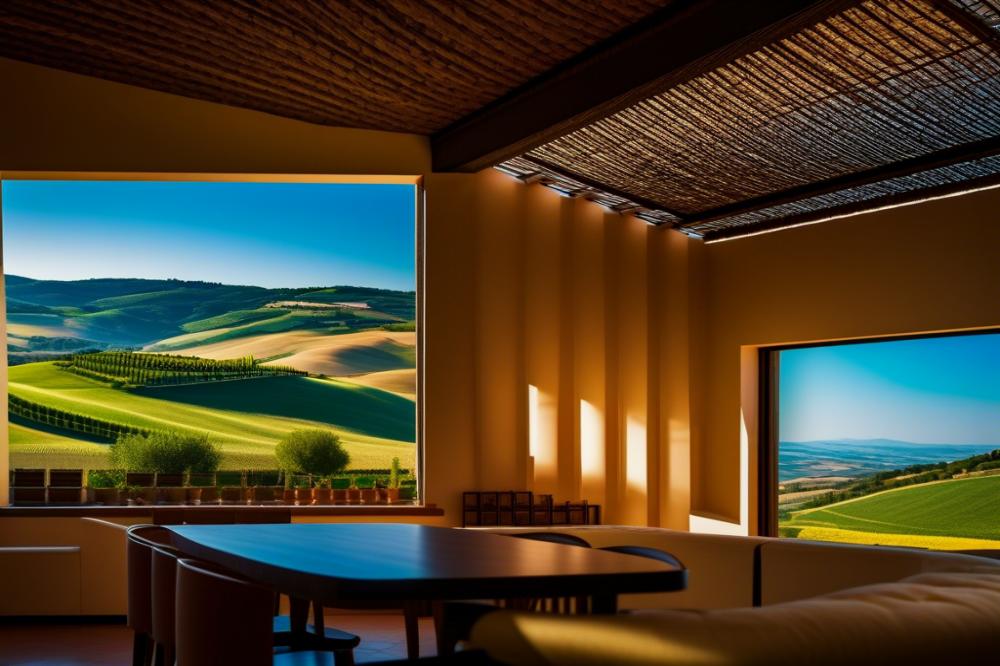
Overview of Italy’s Umbrian Countryside
Italy’s Umbrian countryside is a tapestry of rolling hills, charming towns, and stunning landscapes. This region, located in the heart of Italy, is renowned for its rich culture and remarkable natural beauty. Vineyards and olive groves stretch as far as the eye can see, creating a picturesque backdrop. The diverse environment supports an impressive variety of life. Rich soil, combined with a mild climate, makes it an ideal place for both agriculture and wildlife.
Regions like this hold great importance in the context of global biodiversity. Umbrian ecosystems offer habitats for many species that are not found anywhere else. These unique ecosystems help regulate the environment and maintain balance. They also provide essential services that support both plants and animals. Conservation efforts are crucial in preserving these areas. Emphasizing sustainable tourism helps protect the biodiversity while allowing people to enjoy the beauty of nature.
flora and fauna thrive here in a delicate balance. Many plants are well-adapted to the region’s climate. Some trees, shrubs, and flowers dominate the landscape, while many species of wildlife find shelter in the mountains and valleys. Hikers often take advantage of the scenic trails, allowing them to experience the splendor firsthand. Observing animals in their natural habitats can be a transformative experience.
In this region, agriculture plays a significant role in supporting the local economy. Vineyards produce quality wines, and olive groves contribute to the famous Italian olive oil. Sustainable practices in these fields contribute to the welfare of the environment. Overall, the interconnection of flora, fauna, and ecosystems creates an essential part of Italy’s countryside that everyone should appreciate. Umbrian biodiversity is a treasure worth protecting for generations to come.
Umbrian biodiversity: Flora
The Umbrian countryside is home to a rich variety of plant species. This region boasts diverse ecosystems that support both flora and fauna. From rolling hills to serene valleys, the landscape is dotted with unique plants. Some species are endemic, which means they are found nowhere else on Earth. These plants play a vital role in local ecosystems, contributing to soil health and providing habitat for wildlife.
A prime example of endemic flora in this area is the Umbrian bellflower. Its striking blue flowers can be seen during spring months, attracting pollinators like bees and butterflies. Such plants help maintain ecological balance, supporting the intricate relationships between various species. Another fascinating species is the Umbrian juniper, which thrives in rocky soils and serves as a windbreak for other vegetation.
The impact of agriculture in this region cannot be overlooked. Vineyards and olive groves shape much of the landscape. These cultivated areas provide essential resources for the local economy, producing famous wines and high-quality olive oil. Beyond their economic importance, these agricultural practices contribute to biodiversity. They create habitats for various insects, birds, and small mammals.
Sustainable tourism has also emerged as a key element in preserving local flora. Hikers are drawn to the picturesque trails weaving through the countryside. Responsible visitors often engage in conservation efforts to protect these natural habitats. As they explore, they develop a deeper understanding of the delicate balance of these ecosystems. The promotion of eco-friendly practices helps support both agriculture and the unique biodiversity found in this enchanting region.
Umbrian Biodiversity: Fauna
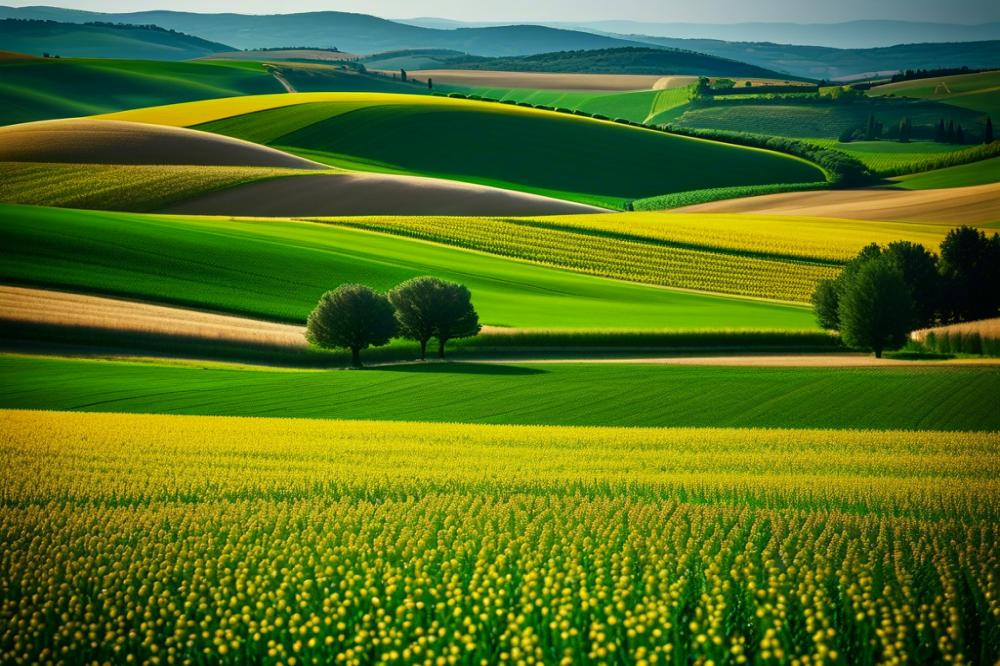
The Umbrian countryside is rich in fauna. A variety of wildlife inhabits this beautiful region, ranging from striking birds to elusive mammals. Deer, foxes, and porcupines roam the forests and hills. Many species of birds, including the magnificent golden eagle and colorful hoopoe, grace the skies above. These animals thrive in diverse ecosystems, nourished by the lush landscapes and healthy flora.
Despite its beauty, the region faces challenges. Several species are endangered, and their conservation status is concerning. For instance, the Italian wolf, a symbol of wildness, is under threat. Habitat loss and hunting have significantly impacted its population. Efforts are underway to protect these animals and their habitats. Conservation programs promote awareness and support for wildlife protection in the region. The commitment to preserving these species is crucial for maintaining ecological balance.
Agriculture plays a complex role in the life of the Umbrian countryside. Traditional farming practices, including vineyards and olive groves, shape the environment. While these activities contribute to the economy, they also affect animal habitats. Certain farming methods can disturb wildlife areas, reducing species diversity. Balancing agricultural development with wildlife conservation is essential. Sustainable tourism promotes hiking and exploration of the natural beauty while protecting local ecosystems.
Hiking trails wind through scenic landscapes, providing opportunities to observe various species in their natural habitat. Tourists and locals alike can appreciate the richness of this environment. Promoting eco-friendly practices in agriculture can minimize negative impacts on the region’s wildlife. Education about the importance of biodiversity can inspire change. The relationship between land use and animal habitats is an important aspect of Umbrian life.
Ecosystems of the Umbrian Countryside
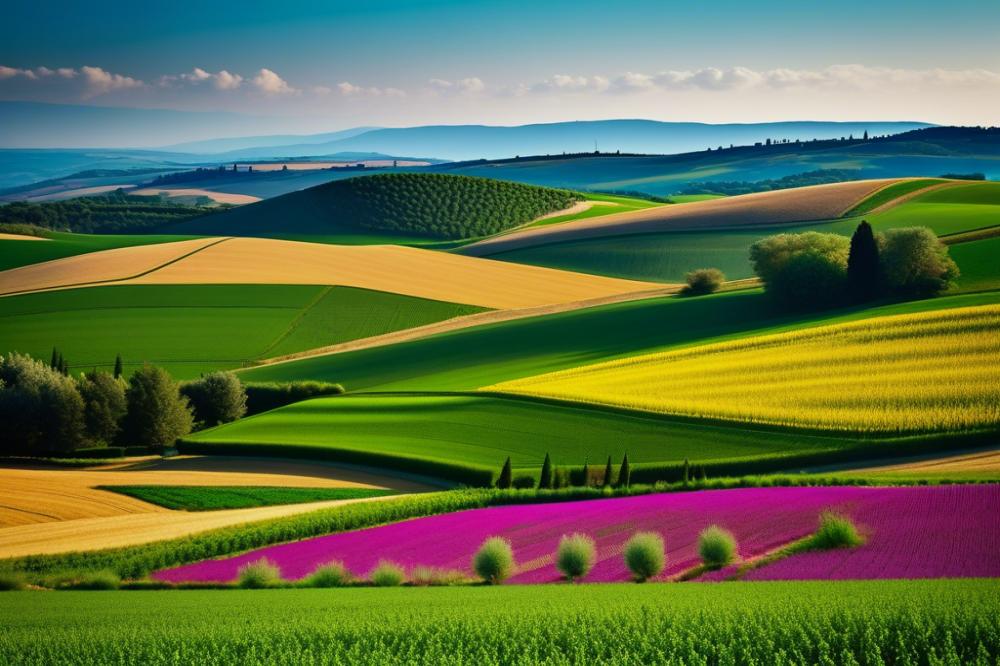
The Umbrian countryside is a mosaic of different ecosystems, each supporting a variety of life forms. Forests cover a significant portion of the landscape. These woodlands are primarily made up of broadleaf trees like oaks and chestnuts. Within these trees, a rich biodiversity thrives. Birds, insects, and mammals call this place home, creating a vibrant community.
Open grasslands also play a crucial role in maintaining the ecological balance. These areas are often dotted with wildflowers and grasses, offering habitats to numerous species. Many small mammals and ground-nesting birds inhabit these fields. This ecosystem supports a dynamic food web, where each organism plays its part in the natural cycle.
Wetlands can be found scattered throughout the countryside. These areas are vital for many species, including migratory birds. The waterlogged ground supports diverse plant life, drawing various insects and amphibians. Each season brings different visitors, emphasizing the wetlands’ importance for wildlife. Without these ecosystems, many species would struggle to find safe habitats.
Interactions between flora and fauna are essential for the health of these ecosystems. Plants provide food and shelter for various animals. In turn, animals contribute to the dispersal of seeds, allowing new plants to grow. This interconnectedness highlights the delicate balance present in nature.
Farming practices like agriculture, vineyards, and olive groves coexist alongside natural ecosystems. These landscapes blend human activity with environmental conservation. Sustainable tourism encourages visitors to explore the countryside without harming its unique biodiversity. Hiking trails weave through forests and grasslands, inviting people to experience the rich wildlife.
Promoting awareness of these ecosystems can help protect them for future generations. Local communities recognize the importance of maintaining this balance. They work towards preserving their natural heritage while benefiting from tourism and agriculture. Efforts to combine conservation with farming practices are on the rise. This approach ensures a healthier environment for both people and wildlife.
Conservation Efforts in Umbria
Overview of conservation programs and initiatives
Conservation in Umbria focuses on protecting the diverse flora and fauna found in its landscapes. Various organizations have launched programs to safeguard natural habitats, such as forests and wetlands. These efforts aim to restore ecosystems that have been harmed by development and agriculture. Active reforestation projects are taking place, helping to revive native plant species and improve air quality. Some programs also work to create wildlife corridors, allowing animals to move safely between different areas. Sustainable tourism initiatives encourage visitors to appreciate the region’s beauty without causing harm.
Role of local communities in biodiversity preservation
Local communities play a vital role in preserving the area’s rich biodiversity. Farmers often practice sustainable agriculture, using methods that protect the land and its wildlife. Many vineyards and olive groves implement organic practices to reduce chemical use, which benefits surrounding ecosystems. Community-led groups organize hiking events to raise awareness about the importance of conservation. Residents advocate for policies that protect natural resources, emphasizing the need to maintain the countryside’s ecological balance. Engaging youth in environmental education programs fosters a sense of responsibility for the future.
Challenges faced in maintaining Umbrian biodiversity
Despite these efforts, challenges remain in keeping the region’s biodiversity thriving. Urban expansion and tourist pressure threaten natural habitats. Climate change impacts weather patterns, putting stress on local ecosystems. Invasive species can disrupt native plant and animal populations, making conservation work more difficult. Furthermore, funding for conservation projects is often limited, hindering progress. Balancing agricultural development with wildlife needs requires careful management. It is crucial to address these obstacles to protect the remarkable natural heritage of Umbria.
Agriculture and Sustainable Practices
Impact of Traditional Agriculture on Biodiversity
Traditional agriculture in Umbria has shaped its rich landscapes. This farming method involved diverse crops and livestock that flourished in harmony with local ecosystems. Many farms used practices that promoted the growth of various flora and enhanced habitats for wildlife. However, these practices started to change over the years. Modern techniques often led to the reduction of biodiversity. Large monoculture fields replaced the previous variety of plants. As a result, many species of fauna faced habitat loss. Yet, the remnants of traditional farming still influence the region’s ecosystems, creating areas where nature thrives.
Sustainable Tourism’s Role in Promoting Biodiversity Conservation
Sustainable tourism is gaining recognition as a powerful tool for conservation. Many visitors come to the Umbrian countryside seeking authentic experiences. They enjoy hiking through the hills and exploring local flora and fauna. Responsible travel practices encourage visitors to appreciate the natural environment. When tourists engage with local farmers, they learn about the importance of biodiversity. Supporting eco-friendly initiatives can lead to direct benefits for conservation. These efforts help maintain the delicate balance in the region’s ecosystems. Tourists drive demand for sustainable produce, creating a market for organic farmers and responsible vineyard and olive grove operators.
Examples of Organic Farming, Sustainable Vineyards, and Olive Groves
Organic farms in Umbria demonstrate how agriculture can benefit local wildlife. Farmers choose methods that avoid harmful pesticides and fertilizers. This approach leads to healthier soils and thriving ecosystems. Many vineyards in the area adopt similar organic practices. They grow grapes without chemical treatments, preserving the natural environment. Visitors can taste the fruits of this labor in the wines produced here, which often reflect the region’s character. Olive groves also play a vital role in promoting sustainability. Traditional methods of olive cultivation support local wildlife and maintain soil health. By focusing on sustainability, these practices enhance the overall biodiversity of Umbria.
Hiking and Exploring Umbrian Biodiversity
Popular Hiking Trails and Their Biodiversity Significance
The Umbrian countryside offers numerous hiking trails that reveal the rich tapestry of its ecosystems. Trails wind through diverse landscapes such as rolling hills, dense forests, and picturesque vineyards. Each path showcases different types of flora, from wildflowers in spring to vibrant foliage in autumn. Hikers may encounter various fauna, including deer, foxes, and numerous bird species. Their presence highlights the importance of these habitats.
Certain trails also lead to ancient olive groves, essential for local agriculture. These areas provide insight into traditional farming practices while supporting wildlife. Exploring these scenic routes allows visitors to appreciate the balance between nature and human activity. Each trek can be a lesson in conservation, revealing how these ecosystems thrive together.
Encouraging Responsible Tourism and Wildlife Observation
Emphasizing responsible tourism is vital for preserving Umbrian biodiversity. Hikers should always respect local wildlife and habitats. Keeping a safe distance from animals promotes their well-being and safety. Observing nature quietly can be rewarding, revealing behaviors and interactions often missed in louder environments.
Using designated trails protects sensitive areas and supports sustainable tourism. Visitors contribute to the local economy while helping to maintain the beauty of the landscape. Travelers can ask locals about best practices to follow in natural spaces. Small actions, like not littering or sticking to paths, make a big difference. Encouraging this behavior fosters a deeper respect for Umbrian ecosystems.
Benefits of Connecting with Nature for Ecological Awareness
Connecting with nature has profound benefits for individuals and the environment. Time spent outdoors can enhance mental health and well-being. Hiking through the Umbrian countryside provides a sense of tranquility. This connection fosters ecological awareness and a more profound appreciation for nature’s complexity.
In addition, understanding the relationships within ecosystems can ignite a passion for conservation. When people recognize the significance of protecting wildlife habitats, they become ambassadors for the environment. Engaging with local flora and fauna teaches valuable lessons about sustainability. Nature walks evoke curiosity about how agriculture and natural areas coexist.
By actively participating in these experiences, individuals contribute to a larger movement toward environmental stewardship. Initiatives often promote educational programs guiding visitors on the importance of preserving these treasures. Every hiker can play a role in maintaining the beauty and diversity of the Umbrian countryside.
Preserving the Richness of Umbrian Countryside
Protecting the vibrant natural world of the Umbrian countryside is of utmost importance. This landscape is home to a variety of plant and animal life, making it essential to safeguard its inhabitants. Every species plays a role in maintaining the balance of its ecosystem. When we lose one, others are affected. The flora and fauna here are not only beautiful but vital for the environment. They support agriculture, clean our air, and help with water regulation.
A call to action is necessary for everyone involved in conservation. Individuals, businesses, and local governments all have a role to play. Simple actions like reducing waste, using fewer chemicals, and supporting local produce can make a difference. Communities can engage in cleanup campaigns or create nature reserves. These initiatives foster a deeper appreciation for the wild beauty surrounding us. Everyone holds a responsibility to act sustainably and think long-term.
Looking forward, the future can hold hope for the biodiversity of Italy’s Umbrian countryside. Continuous conservation efforts offer a chance for restoration. Education is also key in protecting this natural wealth. Young people can become the next generation of conservationists, equipped with knowledge and passion. By raising awareness about native species and their habitats, we can inspire action. The potential for recovery and growth relies on our collective commitment. Let’s make sure we protect and celebrate this remarkable countryside for years to come.

