

The Art of Making Italian Struffoli for the Holidays
During the festive season, few treats capture the spirit of celebration quite like traditional Italian Struffoli. This delightful Italian pastry shines as a favorite at Christmas gatherings. Its small, golden balls of dough are usually deep-fried and then lovingly coated with warm honey, creating a sweet and sticky treat that evokes a sense of nostalgia for many families.
Struffoli holds a special place in Italian Christmas traditions, particularly in regions like Naples. This Neapolitan dessert has been enjoyed for generations and is a symbol of joy and togetherness. Families often prepare it as part of their holiday cooking, recalling shared moments spent in the kitchen. The process of making struffoli is more than just about the end product; it enriches family bonds through each knead and roll of dough.
When served, the finished product is typically adorned with colorful sprinkles that add a festive touch, making them a centerpiece on any holiday dessert table. Many families have their own cherished family recipe, passed down through the years. These recipes are filled with memories, laughter, and love. They represent both tradition and the art of celebrating Christmas with delicious food.
As you dive into the world of making Italian Struffoli, you’ll discover a rich tapestry of flavors and customs. This holiday sweet does more than satisfy your sweet tooth; it connects generations through the simple act of baking together. With their crispy exterior and luscious honey glaze, struffoli truly embodies the essence of festive joy during the holiday season.
What is Italian Struffoli?
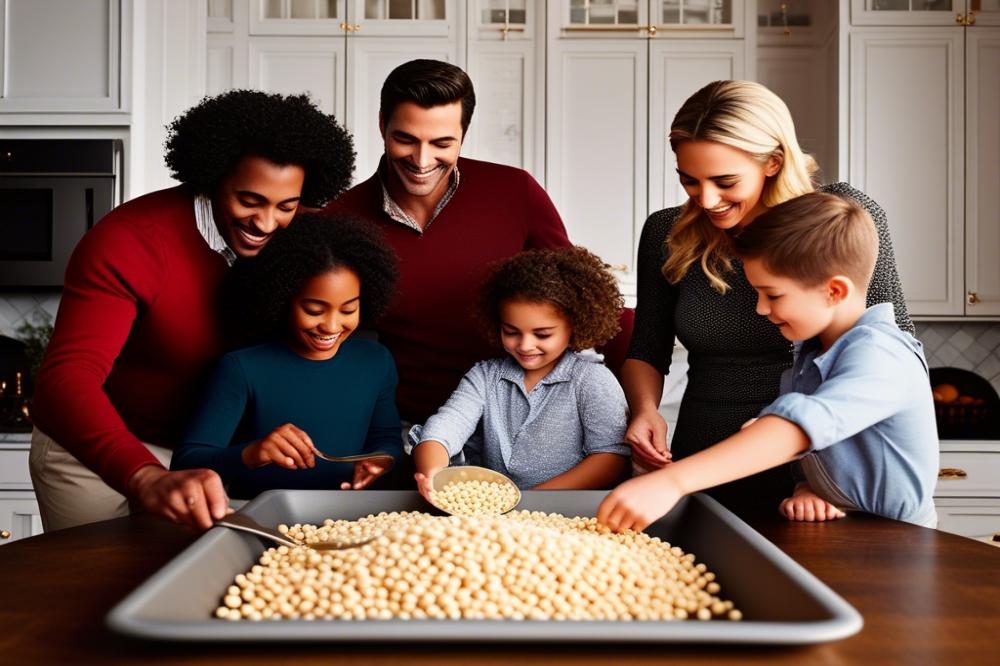
Struffoli is a delightful Neapolitan dessert that holds a special place in Italian holiday traditions. Often served during Christmas, this sweet pastry is not just a treat; it’s an experience that connects many to their cultural roots. Families gather to whip up this festive dish, following cherished family recipes that have been passed down through generations.
The main ingredients are simple yet essential: flour, eggs, sugar, and honey. These basic elements come together to create small, doughy balls that are the stars of this dessert. Once these ingredients are combined, it’s time to shape them into tiny morsels. This dough is then skillfully rolled and cut into small pieces, ready for the next big step.
Deep-frying transforms the dough into a crunchy, golden-brown delight. The process requires careful attention to ensure perfect results. Each little ball puffs up, creating a satisfying texture that complements the sweetness of the honey that will later coat them. The result is a contrast of crispy exteriors with a chewy inside that is simply irresistible.
After frying, struffoli gets a sweet glaze made from warm honey. This serves to bind the pastries together in a whimsical pile, creating a mound of deliciousness. Once the honey coats the little dough balls, colorful sprinkles are generously added. These vibrant toppings not only enhance the looks; they also celebrate the festive spirit of the holiday season. Sprinkles symbolize joy and cheer, making this traditional sweet even more appealing during the celebrations.
The Historical Significance of Struffoli
Struffoli holds a special place in Italian culture. This delightful dessert has roots that stretch back centuries. Originating from Naples, struffoli is known as a traditional Neapolitan dessert often served during the holiday season. It showcases the Italian passion for sweet pastries and the importance of family recipes passed down through generations.
Over the years, the preparation of struffoli has evolved. In the past, families would create these bite-sized morsels using basic ingredients like flour, eggs, and sugar. With time, the addition of honey became a crucial step. Struffoli is deep-fried until golden, then generously drizzled with honey. Each piece is then tossed with colorful sprinkles, which adds both flavor and visual appeal.
During Christmas, many Italian families incorporate struffoli into their festive traditions. It is often a part of holiday cooking, bringing loved ones together around the table. The preparation process is joyful and communal, and families gather to shape the dough and fry the pieces. Sharing struffoli fosters a sense of connection and celebration. These traditional sweets symbolize the sweetness of life and the joy of sharing with family and friends.
Specific customs also accompany the serving of struffoli. Many families display the completed dish on a beautiful platter, making it a centerpiece for holiday gatherings. Some even place the struffoli in unique shapes, sometimes forming a tower or a wreath. This creative presentation reflects the festive spirit of Christmas. Enjoying this Italian pastry together can create lasting memories that are cherished year after year.
The Art of Making Struffoli
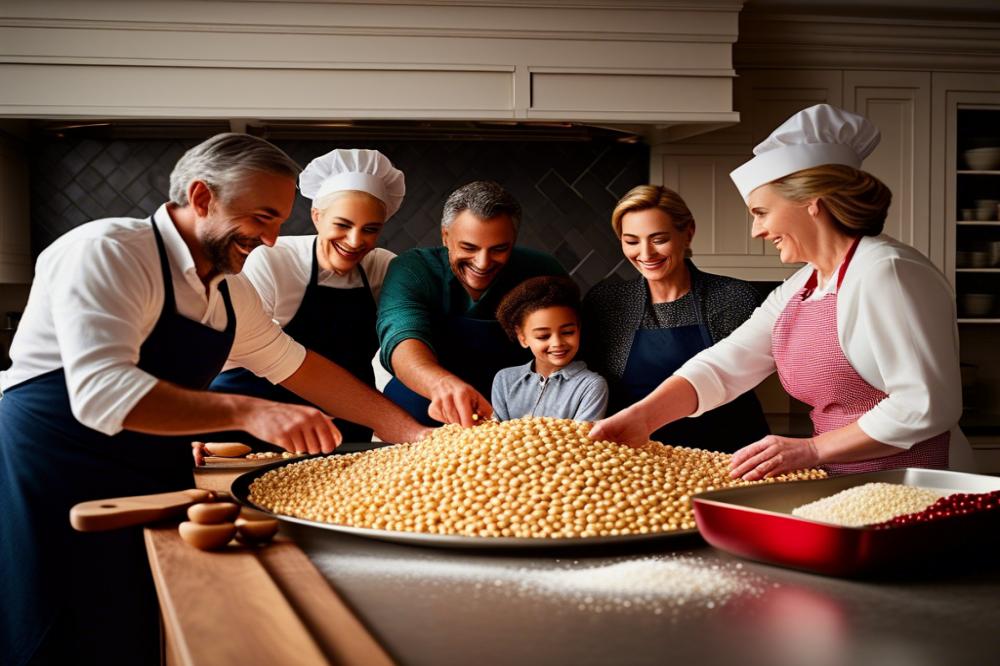
Making struffoli is a delightful experience. This traditional Italian pastry is perfect for holiday celebrations, especially Christmas. To start, gather your ingredients. You will need flour, eggs, sugar, butter, and lemon zest. These ingredients come together to create a rich, flavorful dough.
Step-by-step guide to preparing the dough
Begin by sifting the flour into a bowl. Create a well in the center and add eggs, sugar, and softened butter. Mix the ingredients with your hands. Incorporating everything ensures a smooth mixture. Knead the dough until it feels elastic and slightly sticky. Cover it with a cloth and let it rest for about 30 minutes. This resting period allows the gluten to relax. Now, the dough is ready for shaping.
Techniques for cutting and shaping the struffoli
Roll the rested dough into thin ropes. Aim for a width of about half an inch. Once you’ve made several ropes, cut them into small pieces, roughly the size of a marble. Shape each piece into little balls. This can be a fun task to do with family. The more uniform the pieces, the better they will fry. Making struffoli is not just about taste; it’s also about aesthetics. Consider your finished product as a festive centerpiece.
Tips for deep-frying to achieve the perfect texture
Heat oil in a deep pot to around 375°F. A thermometer helps to maintain an accurate temperature. Fry the dough balls in small batches. This prevents overcrowding and leads to even cooking. Turn them occasionally, ensuring they brown nicely on all sides. After about 4 minutes, the struffoli will be golden and crispy. Once fried, place them on paper towels to absorb excess oil. This step is crucial for perfect texture.
How to properly coat struffoli in honey
After frying, prepare a warm honey mixture. Gently heat the honey in a saucepan. Once melted, add the crispy struffoli. Toss them until they are evenly coated. The honey adds sweetness and a lovely sheen. For an extra festive touch, sprinkle colorful sprinkles on top. This gives your struffoli a joyful look that’s perfect for the holiday season. These traditional sweets are tied closely to family recipes, making the process all the more special.
Decorating and Serving Struffoli
Ideas for Using Colorful Sprinkles and Additional Toppings
When it comes to decorating, colorful sprinkles can brighten up any plate of struffoli. These small confections already boast a delightful appearance with their golden hue. By adding vibrant sprinkles, you create a visually enticing treat. Consider using a mix of large and small sprinkles for varied textures. Also, mini chocolate chips can enhance the flavor profile and add a unique chewy element. If you want to be extra festive, edible glitter can sprinkle some holiday magic on top.
Creative Ways to Present Struffoli for the Holidays
Presentation plays a big role in celebrating with struffoli. A traditional serving method involves stacking the deep-fried pieces into a tall mound. This resembles a Christmas tree and adds a charming touch. You can drizzle honey generously over the top, allowing it to cascade down the sides. Arrange the treat on a decorative platter, surrounding it with seasonal fruit like pomegranates or citrus. These fruits not only add color but can also highlight the festive spirit of holiday cooking.
Suggestions for Pairing Struffoli with Other Italian Pastries
Pairing struffoli with other Italian pastries creates a rich dessert table. Italian cookies like biscotti can provide a crunchy contrast. For a softer option, consider including panettone, the fluffy Christmas bread. This Neapolitan dessert pairs beautifully with a warm beverage like espresso or vin brulè. Guests will appreciate the variety while enjoying traditional sweets. Each option brings its own flavor, complementing the struffoli and making the holiday gathering even more special.
Struffoli Variations and Family Recipes
Struffoli, a delightful Italian pastry, comes in many variations across Italy. Each region brings its own twist to this classic dessert. For instance, in Naples, the traditional sweets are often doused in honey and feature a bright, festive look with colorful sprinkles. Other areas may choose a different approach, incorporating spices or using citrus zest for added flavor.
Family recipes hold significant value in the making of struffoli. Many home cooks add personal touches that reflect their heritage. A grandmother’s secret ingredient can be a pinch of cinnamon or even a splash of limoncello. These small adaptations make each batch special and memorable. The taste of holiday cooking rivets the heart, emphasizing family bonds with every bite.
Sharing recipes between generations helps preserve culture, especially during Christmas time. Children learn the art of making struffoli while listening to stories from their elders. This journey creates lasting memories and strengthens family ties. Each recipe carries a story, echoing through the years and becoming part of the family legacy.
Preparing struffoli as a family often transforms into a cherished tradition. The deep-fried dough, tiny balls of dough, create a warm, inviting atmosphere in the kitchen. As laughs and chatter fill the air, everyone joins in the process, making it a true holiday celebration. Passing down these family adaptations enriches the experience, connecting past with present.
Embracing the Tradition of Struffoli During the Holidays
Making Italian struffoli for Christmas brings a sense of warmth and joy that resonates deep within family gatherings. This delightful treat, characterized by its small honey-soaked balls, is more than just a dessert. It is a symbol of love, shared memories, and the spirit of giving. Families often come together in the kitchen, rolling dough and forming tiny pieces, all while sharing stories and laughter.
Exploring Italian baking traditions enriches our understanding of culture and history. Each recipe carries with it a unique story and personal significance. Bakeries and home kitchens alike bustle with activity during this festive season. As you whip up a batch of struffoli, you may discover a connection to your roots or even start new traditions. Baking is an art that invites creative expression and appreciation for heritage.
Ultimately, struffoli serves more than just a role at the dessert table. It enhances holiday gatherings by creating moments worth cherishing. Each bite is a reminder of family bonds and shared experiences. These small pastries foster a sense of togetherness, prompting lively conversation and genuine smiles. So this Christmas, let yourself indulge in the experience of making struffoli while embracing all that Italian pastry culture has to offer.

