
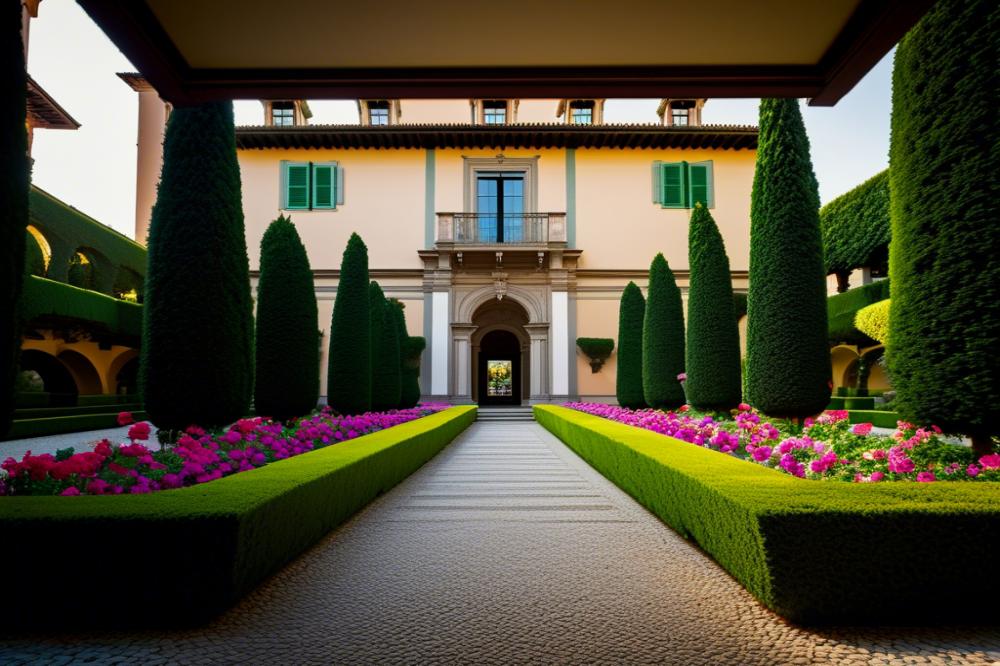
The artistic gardens of Giardino di Palazzo Corsini in Florence
The Giardino di Palazzo Corsini stands as a remarkable example of historical beauty and creativity. This garden is not just a collection of plants; it embodies a rich narrative of Italian culture. As one of the standout Italian gardens, it showcases exquisite garden design and artistic features that captivate visitors.
Located in the heart of Florence, these landscaped gardens are more than just pretty spaces. They are part of the city’s cultural heritage, reflecting the richness of the Italian Renaissance. People seeking an immersive experience will find joy in exploring this botanical display. The intricate floral architecture tells stories from centuries past, revealing the artistry of garden designers who sought to harmonize nature with human creativity.
Visitors exploring Florence gardens often discover hidden gems like this one. An outing to the Giardino di Palazzo Corsini offers tranquility amid the bustling city. Each curve of the pathway and each bloom seems to invite you to pause and appreciate its beauty. The garden functions as outdoor art that transcends time, bridging the gap between history and today. This combination of nature and artistry truly enhances the visitor experience.
The History of Giardino di Palazzo Corsini
Origins and Development of the Garden
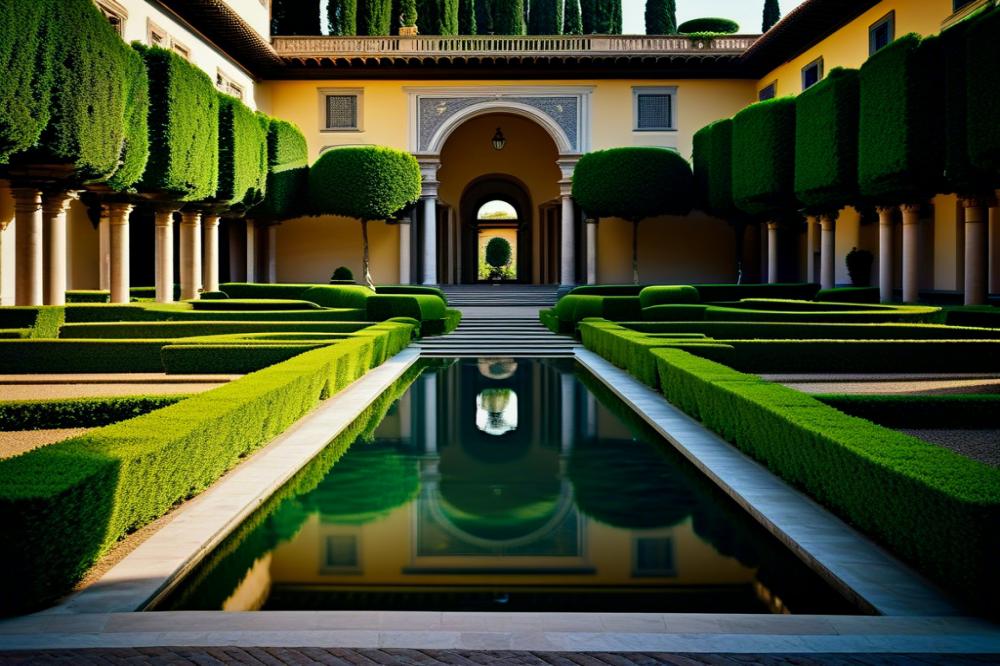
The Giardino di Palazzo Corsini traces its roots back to the early 17th century. Originally, it served as a pleasure garden for the Corsini family. Through careful garden design, it transformed into a space filled with beauty and elegance. Influential architects and artists shaped its layout, creating a delightful botanical display. Elements of the Italian Renaissance style became apparent in its structured yet inviting atmosphere. Over time, these historic gardens attracted visitors from across Europe, eager to experience their charm.
Influence of Prominent Figures in Its Design
Notable personalities played pivotal roles in crafting the garden’s aesthetic. One such figure was Francesco Fontana, the architect who conceptualized the garden’s layout. His vision integrated various forms of outdoor art that enhanced the overall visitor experience. Likewise, the involvement of renowned artists contributed to the garden’s floral architecture. Each addition reflected the cultural heritage of the period. They infused the landscape with creativity, resulting in a harmonious blend of nature and artistry.
Major Historical Events Impacting the Gardens
Throughout its history, the gardens have faced many challenges and transformations. The political upheaval in Italy during the 19th century influenced their maintenance and development. Additionally, changes in ownership often redirected the garden’s focus. Despite these events, restoration efforts have kept the artistic gardens alive for future generations. Today, visitors can still appreciate the unique character of the landscaped gardens. Their enduring beauty tells a story of resilience and artistry, making them a significant part of Florence’s history.
Garden Design and Layout
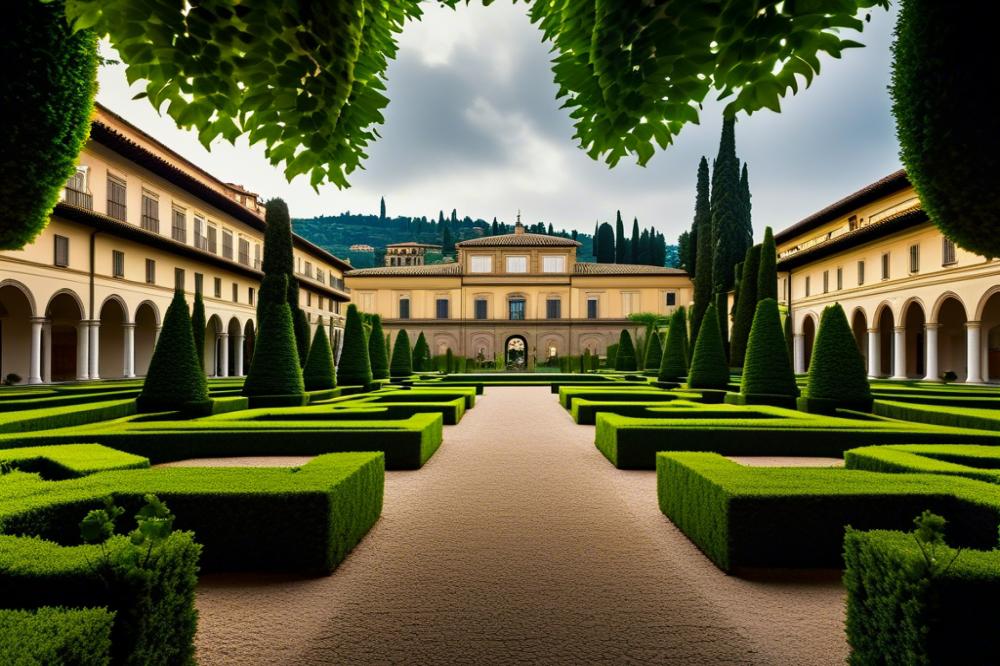
The landscaped gardens of the Giardino di Palazzo Corsini in Florence are a marvel of Italian Renaissance design. Visitors are welcomed by symmetrical pathways, lush greenery, and intricate floral arrangements. Each section of these historic gardens is carefully crafted to create a harmonious balance between nature and art.
Floral architecture plays a vital role in the overall beauty of the space. Vibrant flowers burst into color in well-planned beds, capturing the essence of a botanical display. Their arrangement guides the eye and encourages exploration, making each visit feel fresh and exciting.
Artistic gardens seamlessly blend with outdoor art throughout the grounds. Statues, fountains, and other creative installations provide points of interest amid the greenery. This integration enriches the visitor experience, allowing guests to appreciate both nature and sculpture in one setting.
Lush hedges frame the gardens, enhancing the beauty of the landscape. Specific plants are chosen not only for their appearance but also for their historical significance. Every corner of these gardens tells a story, inviting guests to discover the rich cultural heritage of the region.
Moreover, pathways weave through the gardens, leading visitors on a journey of discovery. Each turn reveals new perspectives and delightful surprises. Through this thoughtful garden design, the environment encourages a deeper appreciation for beauty and creativity.
Botanical Display and Flora

The artistic gardens of Giardino di Palazzo Corsini in Florence boast a remarkable variety of plant life. Each species plays an important role, not only in enhancing beauty but also in reflecting the cultural heritage of this historic site. The diverse botanical display showcases how garden design can connect us with nature, art, and history.
Seasonal changes bring an array of colors and scents to the landscape. In spring, vibrant flowers bloom, creating a lively scene that excites the senses. Summer heat yields lush greenery, inviting visitors to linger in the shade. As autumn arrives, the gardens transform again. Leaves turn golden and fiery red, providing a stunning backdrop for leisurely strolls. Such fluctuating beauty significantly enriches the visitor experience.
Besides native flora, exotic plants thrive here, adding unique elements to the space. These selections offer a glimpse into the Italian Renaissance’s fascination with the outside world. Each specimen tells a story of discovery, trade, and style. As one wanders through the landscaped gardens, the attention to floral architecture becomes clear. Traditional Italian flora intertwines with these rarities, reflecting a harmonious balance of cultures and time periods.
Cultural Significance and Preservation
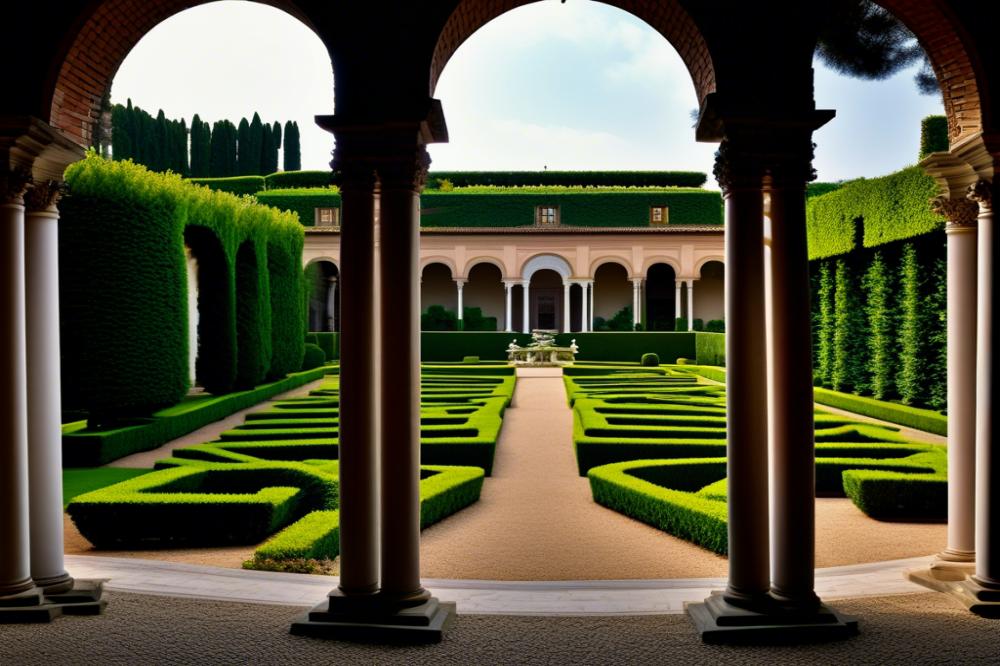
The Giardino di Palazzo Corsini holds a vital role in Italian heritage. This place is more than just a beautiful space; it represents centuries of artistic gardens inspired by the Italian Renaissance. Each corner reflects an appreciation for nature and aesthetics. Visitors can witness an exquisite botanical display that showcases various flora native to the region. Such gardens connect us to the past while beautifying our surroundings.
Efforts to preserve this historic garden are underway. Local organizations and government bodies recognize its value. Important work is being done to restore the garden design and maintain its integrity. Preserving these landscaped gardens helps protect our cultural heritage. Initiatives encourage community involvement to foster a deeper appreciation for outdoor art. Events and educational programs invite the public to engage with the garden’s history and significance.
Artistic and cultural events enhance the visitor experience. The garden often serves as a backdrop for performances, exhibitions, and festivals. These occasions breathe life into the space, making history feel relevant today. Through music, art, and gatherings, the garden transforms into a lively cultural hub. Its unique atmosphere inspires creativity and encourages dialogue among attendees.
Visitor Experience
Guided Tours and Accessibility for Tourists
Visitors can experience the artistic gardens through guided tours. Knowledgeable guides lead groups, sharing fascinating stories about the landscape and its design. These tours make the gardens come alive with history. Pathways are well-maintained, ensuring accessibility for all. Wheelchair users and families with strollers can navigate the grounds comfortably. Signage throughout the area provides helpful information in multiple languages. Each tour offers a unique perspective on the beauty of the botanical display.
Activities and Events Held in the Gardens
Seasonal events take place regularly, transforming the space into a vibrant hub of activity. Music performances, art exhibitions, and seasonal festivals attract many visitors. Special workshops often focus on garden design or floral architecture. During summer months, movie nights under the stars create unforgettable memories. Each event highlights the cultural heritage of the Italian Renaissance, appealing to a wide audience. Visitors can participate in guided walks to learn about specific plants and themes.
Interactions and Educational Opportunities for Visitors
Learning experiences abound in these landscaped gardens. Many programs offer hands-on activities for both adults and children. Schools often plan field trips to enhance their curriculum with nature-based learning. Enthusiasts can delve into the intricacies of horticulture during workshops led by experts. Children can join treasure hunts that encourage exploration. Engaging with outdoor art installations sparks creativity and imagination. The combination of education and enjoyment enriches each visitor’s experience.
The Lasting Impression of Florence’s Gardens
Giardino di Palazzo Corsini represents a vital piece of Florence’s rich cultural tapestry. This garden is not just a beautiful outdoor space; it’s a tribute to the blend of art and nature. Each turn unveils something new, from the intricate floral designs to the meticulously planned layouts. Visitors are often captivated by this serene escape that stands out among the city’s renowned landmarks.
Exploring these artistic gardens can deepen appreciation for the harmony between human creativity and the natural world. The botanical display is a remarkable sight, where vivid colors and diverse plant life come together. Many people find peace walking through the lush pathways, allowing stress to fade away. This tranquil environment encourages quiet reflection and evokes a sense of wonder.
Ultimately, visiting this historical garden is an essential part of experiencing Florence’s artistic offerings. Everyone should take advantage of the opportunity to discover its hidden charms. A stroll through the garden not only entertains but also inspires. Whether you are an art lover or simply looking for a tranquil experience, this garden is a must-see treasure in the heart of the city.

