

The Vineyards of Italy: Flora That Defines a Culture
Italy’s relationship with its vineyards runs deep. These sprawling landscapes are not just fields of grapes; they are a crucial part of the nation’s identity and heritage. Winemaking has flourished here for centuries, shaping cultural practices and social life throughout the regions. In places like Chianti, the rolling hills are home to the famous Sangiovese grape, while Barolo is celebrated for its robust Nebbiolo. Each variety reflects its unique surroundings, which contribute to the diverse terroir of Italian vineyards.
A wide array of flora supports this vibrant landscape. The biodiversity found in these areas enhances the growing of grapes and influences the flavors of the wines produced. This variety is essential. It defines not only the quality of the wine but also the character of regional identities across the country. From the sun-drenched plantations of Tuscany to the cooler climates in the north, each vineyard tells a story through its wine culture.
Consider the Tuscan vineyards. They are more than just places to grow grapes; they offer vineyard tours that connect visitors to the traditions of winemaking. Tourists can sample local dishes paired with exquisite wines, experiencing the rich tapestry that Italian cuisine has to offer. This integration of flora, climate, and culture creates an atmosphere that feels alive with history and passion.
In summary, the importance of Italian vineyards goes beyond their production of wine. They symbolize a way of life that celebrates tradition while nurturing the land. This connection to nature and cultivation showcases the essence of Italy. As people sip a glass of Chianti or Barolo, they participate in a broader story of identity and culture.
Italian Vineyards
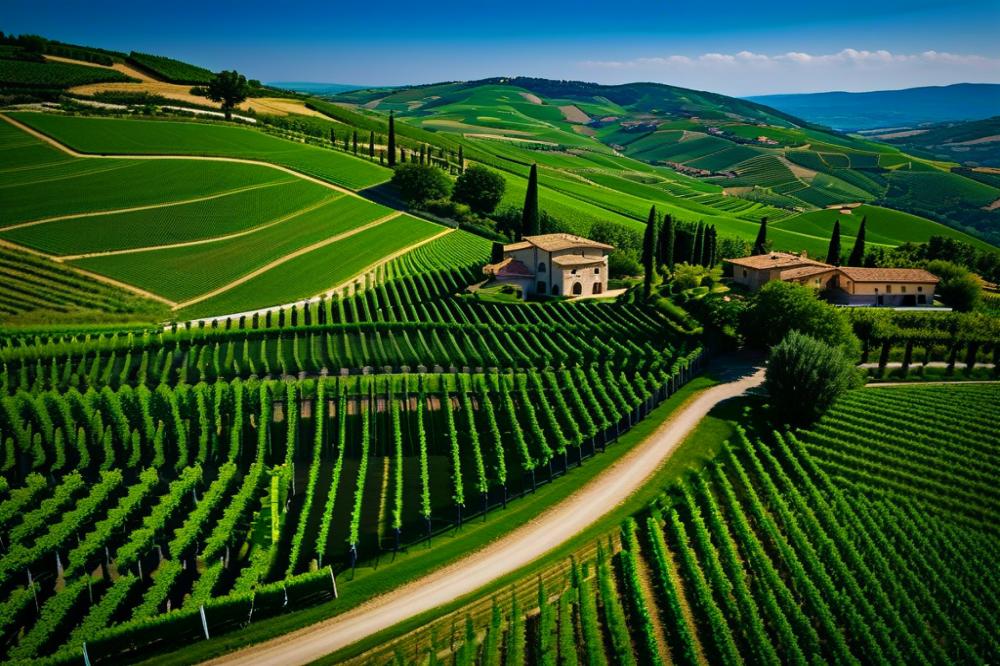
Located across diverse regions, Italian vineyards are a vital part of the nation’s culture and economy. Characterized by rolling hills and a variety of climates, these landscapes offer the perfect environment for grape cultivation. From the sun-soaked slopes of Tuscany to the cooler areas of Piedmont, each region tells its own story through viticulture. The land, known as terroir, plays a significant role in shaping the flavors and aromas found in wine.
Introduction to Key Grape Varieties
Sangiovese is perhaps the most recognized grape in Italy, especially known for its role in Chianti wines. This grape brings acidity and bright red fruit flavors, making it a favorite for pairing with traditional Italian cuisine. Nebbiolo, another superstar, is predominantly grown in the Piedmont region. It produces Barolo, a wine celebrated for its complex aromas and aging potential. Each variety reflects the distinct features of its growing region. Together, these grapes highlight the rich tapestry of Italian winemaking.
The Role of Terroir in Shaping Wine Profiles
Terroir is more than just a buzzword; it’s the soul of a vineyard. Factors like soil type, climate, and topography create a unique environment for each grape variety. In regions such as the Tuscan vineyards, differences in altitude and land composition lead to wines with varying characteristics even from nearby plots. Biodiversity also contributes to this complexity, influencing flavors that develop in the grapes. Therefore, the same grape may taste remarkably different depending on where it is grown.
Many visit these vineyards to experience vineyard tours that reveal the intricate processes both in the field and in the cellar. Tours offer insight into how terroir and grape selection come together in winemaking. Enthusiasts savor the chance to taste wines alongside local dishes, experiencing the full depth of Italian culture. It’s a celebration of nature, tradition, and craftsmanship that resonates deeply within each bottle.
Varieties of Grapes
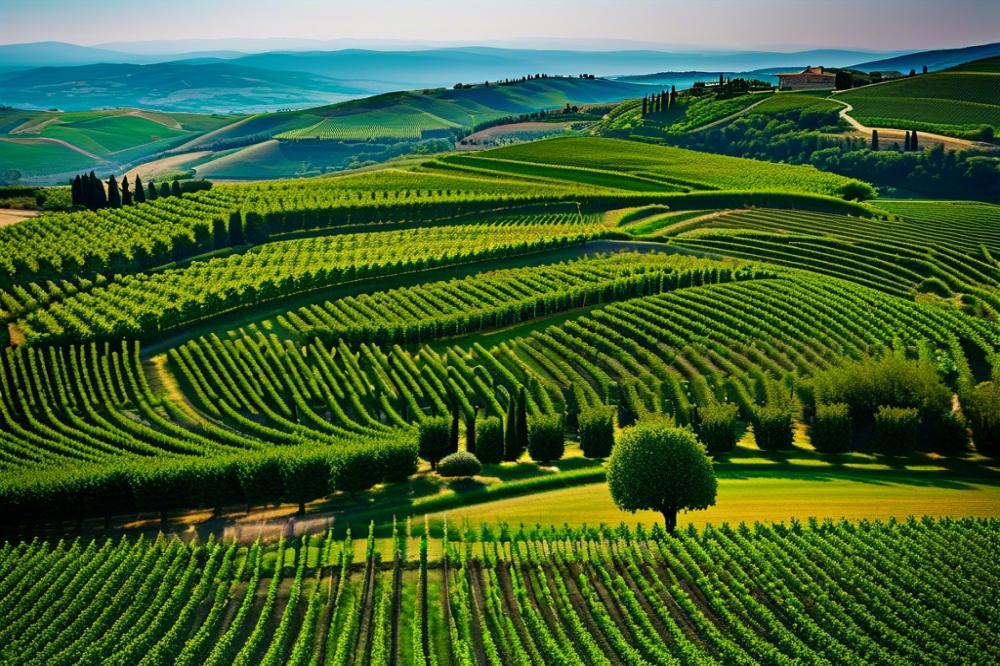
Italy is famous for its diverse grape varieties. Each region offers unique flavors and characteristics, shaped by its specific terroir. This biodiversity is vital for Italian winemaking and adds richness to the country’s wines.
Sangiovese: Heart of Tuscany and Chianti
Sangiovese is perhaps the most important grape in Tuscany. It dominates the vineyards of Chianti, where it reflects the region’s history and culture. The wine produced from Sangiovese shows bright cherry flavors, earthy notes, and a hint of spice. Notably, its high acidity makes it a perfect match for traditional Italian cuisine, especially when paired with tomato-based dishes. Vineyard tours in this area often highlight the importance of this iconic grape.
Nebbiolo: The Jewel of Barolo
Nebbiolo holds a special place in the heart of Italian winemakers. In the Barolo region, this grape thrives, providing wines that are big and bold. The flavors of Nebbiolo often include dark fruits, roses, and a touch of tar. These complexities result in wines that can age beautifully. Winemaking in Barolo is both an art and a science, requiring patience and skill. The terrain and climate in this area contribute significantly to the grape’s quality.
The Diversity of Indigenous Grape Varieties
Many regions in Italy boast their own indigenous grape varieties. From the fruity Primitivo in Puglia to the crisp Greco di Tufo in Campania, there is much to discover. Each variety tells a story about its environment and the people who cultivate it. Indigenous grapes often showcase the local terroir, adding depth and character to the wines. Italy’s diverse landscape fosters an environment where these grape varieties can flourish, making every bottle a unique experience.
Terroir and Winemaking

Terroir is a French term often used in winemaking to describe the unique environment in which grapes are grown. It encompasses several key components: climate, soil, and topography. Each of these elements plays a significant role in shaping the characteristics of wine produced in Italian vineyards.
The climate in regions like Tuscany significantly influences grape development. Warm summers and mild winters help varieties such as Sangiovese thrive. Regions like Chianti enjoy a balanced climate, ideal for growing rich, flavorful grapes. Rainfall and sunlight also impact the ripening process, affecting sugar levels and acidity.
Soil types vary across Italy, contributing to the diversity of its wines. For instance, the clay and limestone found in the renowned Barolo region provide excellent drainage and support for the Nebbiolo grape. This combination results in wines that are full-bodied with complex flavors. The biodiversity of the soil helps create a vibrant ecosystem, which allows for healthier vines and better quality grapes.
Topography is another crucial factor. Rolling hills in Tuscany create microclimates that affect how grapes grow at different elevations. Vines planted on steep slopes may receive more sunlight, while those in valleys could benefit from cooler temperatures. These variations lead to distinct wine profiles, showcasing the land’s influence.
Traditional and Modern Winemaking Techniques
In Italy, winemaking techniques blend tradition with modern practices. Centuries-old methods still thrive, especially in regions like Chianti. Here, winemakers use hand harvesting to select only the best grapes, maintaining quality. Fermentation often happens in large oak barrels, which impart unique flavors to the wine.
On the other hand, modern technologies are also embraced. Temperature-controlled fermentation has become common, ensuring that the flavors develop evenly. Winemakers may use stainless steel tanks to preserve the freshness of the wine, particularly for white varieties.
Many vineyard tours showcase both approaches, allowing visitors to experience the dedication behind Italian cuisine and wine. Exploring these vineyards offers a glimpse into the distinct processes that shape each bottle. Enthusiasts can see how traditional methods are preserved alongside innovative techniques, creating a diverse range of flavors that reflect the land.
The Biodiversity of Vineyards
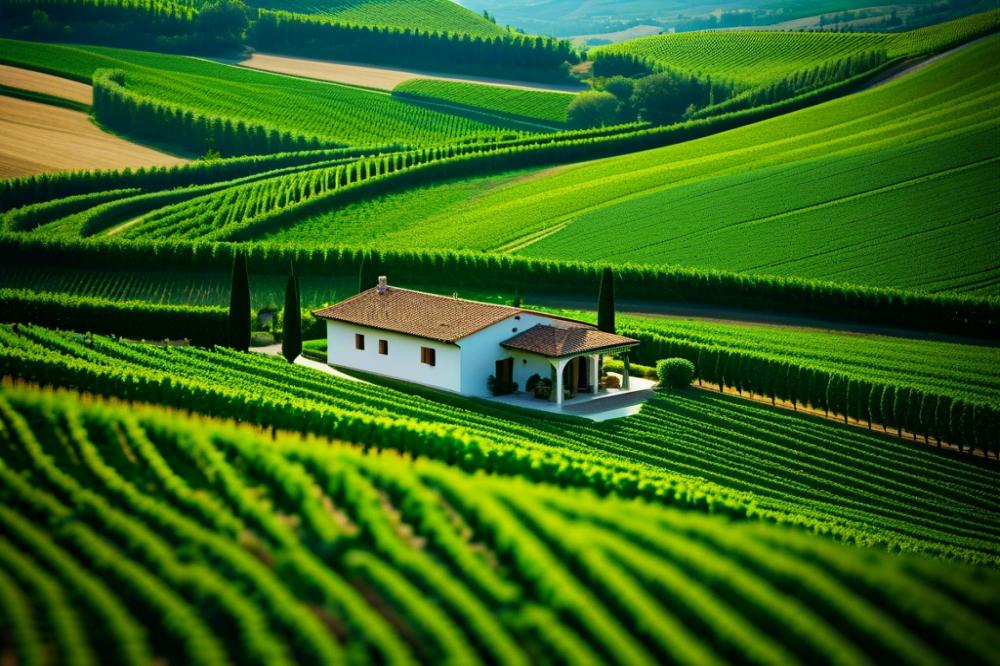
Italian vineyards are more than just rows of grapevines. They are vibrant ecosystems that teem with life. From insects to plants, biodiversity thrives in these areas. This variety helps maintain the health of the vineyards and contributes to the character of the wines produced.
Overview of Biodiversity within Italian Vineyards
Each region boasts its own unique flora. For instance, in the Tuscan vineyards, the landscape is dotted with olive trees, wild herbs, and numerous flowering plants. Such diversity supports wildlife, including bees, birds, and other pollinators. These creatures play a vital role in winemaking by aiding in plant reproduction. Mounting evidence suggests that a rich ecosystem can lead to healthier vines and better grapes.
Role of Flora in Supporting Vineyard Ecosystems
Flora within vineyards provides many functions. In addition to supporting pollinators, different plants contribute organic matter to the soil. This process enhances the terroir, impacting the flavors of wines like Chianti and Barolo. Certain cover crops can even prevent soil erosion. Healthy soil equates to better quality grapes, like Sangiovese, which are essential for crafting exceptional wines.
Preservation of Local Species and Practices for Sustainable Viticulture
Maintaining local species has become an important focus for many vineyard owners. Traditional practices often emphasize harmony with nature rather than simply maximizing yield. Many vineyard tours now highlight sustainable methods, showcasing the balance between agriculture and biodiversity. Techniques such as intercropping and organic farming methods promote a thriving ecosystem. By embracing these practices, vintners not only protect local flora but also enhance the quality of their wines.
Italian cuisine greatly benefits from this commitment to sustainability. Dishes made with local ingredients pair wonderfully with the wines from these biodiverse regions. The connection between the land and the table is vital for many communities. Ensuring that these ecosystems remain healthy is crucial for future generations and the continuing legacy of Italian viticulture.
Italian Cuisine and Vineyards
Italian cuisine is deeply intertwined with the country’s rich wine culture. Each region produces its wines, which reflect the local grapes and terroir. This connection creates a harmony that enhances both food and drink. For instance, Tuscan vineyards are known for their outstanding Sangiovese grapes, which give Chianti its characteristic taste. Pairing these wines with traditional dishes reveals a synergy that elevates the dining experience. A classic Chianti complements pasta with tomato sauce beautifully, making each bite and sip an adventure for the palate.
Connection Between Regional Wines and Italian Cuisine
Regional wines often define local culinary traditions. In Piedmont, Barolo reigns supreme, celebrated for its bold flavors. This wine pairs exceptionally well with hearty dishes like osso buco or truffle risotto. Each sip of Barolo tells the story of its land, echoing the traditions of its makers. On the other hand, the lighter vibes of white wines from the Veneto region accompany seafood brilliantly. As a result, each region’s distinct offerings create a vibrant tapestry of tastes throughout Italy.
Pairing Wines from Tuscan Vineyards and Chianti with Local Dishes
When it comes to Tuscan cuisine, the choices are endless. Imagine enjoying a plate of ribollita with a glass of robust Chianti. The earthy flavors of the soup meld perfectly with the wine, creating a heartwarming experience. Other pairings showcase how versatile wines can be. Consider how a rich lasagna or grilled meats find their perfect match in Sangiovese. Each food-wine combination invites diners to explore the varied landscapes of taste that define Italian meals.
Role of Wine in Italian Cultural Traditions and Celebrations
Wine also holds a crucial place in Italian culture. It is present during family gatherings and celebrations. From weddings to holidays, a good bottle can elevate any occasion. Festivals are often dedicated to the harvest, where local wines take center stage. These events celebrate biodiversity and the artistry of winemaking. Tours through vineyards in the autumn reveal the harvest process, allowing visitors to understand this important aspect of Italian life. Every toast tells a story, connecting past traditions with modern celebrations.
Vineyard Tours and Tourism
Overview of Vineyard Tours Available Throughout Italy
Vineyard tours are a popular attraction in Italy. Travelers can explore regions like Tuscany and Piedmont. Many visit the famed Chianti area, known for its rolling hills and Sangiovese grapes. Others head to Barolo, where the rich wines reflect the local terroir. Guided tours often include walks through vines, visits to wine cellars, and informative sessions on winemaking. Every region offers a different experience, from sleek modern wineries to family-run estates. Tourists can choose from a range of options, including bike tours or relaxing picnics among the vines.
Impact of Tourism on Local Economies and Culture
Tourism in vineyard regions brings significant economic benefits. Local businesses thrive on the influx of visitors. Restaurants offering authentic Italian cuisine experience increased demand. Craftspeople selling goods also find a boost in sales. Yet, the effects extend beyond economics; local culture remains vibrant. Frequent visitors foster cultural exchanges. Italians share stories of their winemaking traditions, which helps preserve their heritage. However, some communities must find balance. They aim to maintain authenticity while embracing the commercial benefits tourism provides.
Experiential Aspects of Vineyard Visits
Experiencing a vineyard goes beyond just tasting wine. Many tours emphasize education about biodiversity and farming techniques. Visitors learn about the care that goes into each grape. Wine tastings often highlight the nuances of different varieties. These experiences can deepen appreciation for a glass of Barolo or Chianti. Guests might also be treated to traditional meals paired with local wines. Engaging with wine artisans creates connections. Patrons gain insight into the craftsmanship behind their favorite bottles. Each visit transforms into a journey through Italy’s rich landscape and vibrant culture.
Reflections on the Legacy of Italian Vineyards
The vineyards of Italy play a pivotal role in the nation’s cultural identity. They do more than produce wine; they tell the story of the land, the people, and the traditions that shape each bottle. Local flora harmonizes with the unique terroir, creating a landscape rich with history and craftsmanship. Visitors and locals alike often find themselves enchanted by this vibrant culture.
Looking ahead, sustainability will likely become key to preserving these beautiful regions. As climate change poses challenges, innovative practices in viticulture can help maintain the integrity of the land. Balancing tradition with modern techniques is essential. This approach will not only protect the environment but also rejuvenate local economies. The future of Italian vineyards must embrace this delicate harmony.
Engaging with Italy’s rich heritage offers more than just a taste of excellent wines. Exploring these regions can deepen one’s appreciation for the art of winemaking and the flora that supports it. The stories behind the grapes provide insight into the past and a glimpse into the future. Many travelers may leave with a sense of connection to the land and its people.
Everyone is invited to delve into the wonders of Italy’s vineyards. Embracing this cultural tapestry can enrich lives and promote a greater understanding of the viticulture landscape. Every visit can be an adventure into a world filled with tradition, flavor, and beauty. Discover this remarkable legacy, and you may find your own story intertwined with the vines.

