

Exploring the Plant Life of Italy’s Lakes and Rivers
Italy is renowned for its stunning landscapes, but its ecosystems are equally remarkable. The country boasts a variety of environments, from alpine mountains to coastal shorelines. Among these diverse ecosystems, the lakes and rivers stand out. They are not only beautiful but crucial for many forms of life. Their shores and depths host a wide range of plant species that play vital roles in maintaining ecological balance.
Lakes and rivers are home to aquatic plants, which serve as the foundation of their ecosystems. Species such as water lilies and reeds thrive in these freshwater habitats. These plants create habitats for fish and other aquatic creatures. They also provide food for various animals. Additionally, phytoplankton, tiny plant-like organisms, float in the water, producing oxygen and forming the base of the food chain. In this way, aquatic plants support overall biodiversity, ensuring that many species can coexist harmoniously.
Riparian zones, the areas along the banks of water bodies, are also rich in plant life. These regions often feature wetland flora that plays a crucial role in stabilizing the soil and filtering pollutants. Native species growing in these zones help sustain local wildlife, making them vital to the health of the ecosystem. The presence of native plants encourages a diverse range of animal life, which contributes to the area’s ecological richness.
Conservation efforts are essential to protect these unique environments. As urban development and climate change pose threats to Italy’s water bodies, preserving their natural beauty becomes increasingly urgent. By safeguarding the delicate plant life in Italy’s lakes and rivers, we can help maintain biodiversity and the health of the ecosystems that rely on it. Understanding and appreciating river vegetation and the aquatic plants can play a crucial role in these conservation efforts. The thriving flora of these waters tells a story of resilience and balance that deserves our protection.
Italy lakes plant life

Italy’s lakes and rivers are home to a captivating range of aquatic plants. These plants contribute to the rich biodiversity found in these ecosystems. Among the most recognizable are water lilies, which float gracefully on the surface of the water. Their broad leaves and vibrant flowers provide shelter and shade for various creatures.
Reeds also populate the margins of Italy’s waterways. Tall and robust, they thrive in the riparian zones where land meets water. These native species play an essential role in stabilizing shorelines and preventing erosion. They act as natural filters, improving water quality by absorbing nutrients and pollutants.
Wetland flora, including sedges and cattails, supports a variety of wildlife. Birds and insects find refuge in these plants, creating vital habitats in a changing environment. Phytoplankton, though microscopic, should not be overlooked. These tiny organisms are crucial for oxygen production and as a food source for larger aquatic life.
Without aquatic plants, ecosystems would struggle to maintain their balance. They provide oxygen and improve water clarity, which benefits fish and other wildlife. Conservation efforts are crucial to protect these native species and their habitats, ensuring that future generations can appreciate their beauty and importance.
Biodiversity in Aquatic Ecosystems
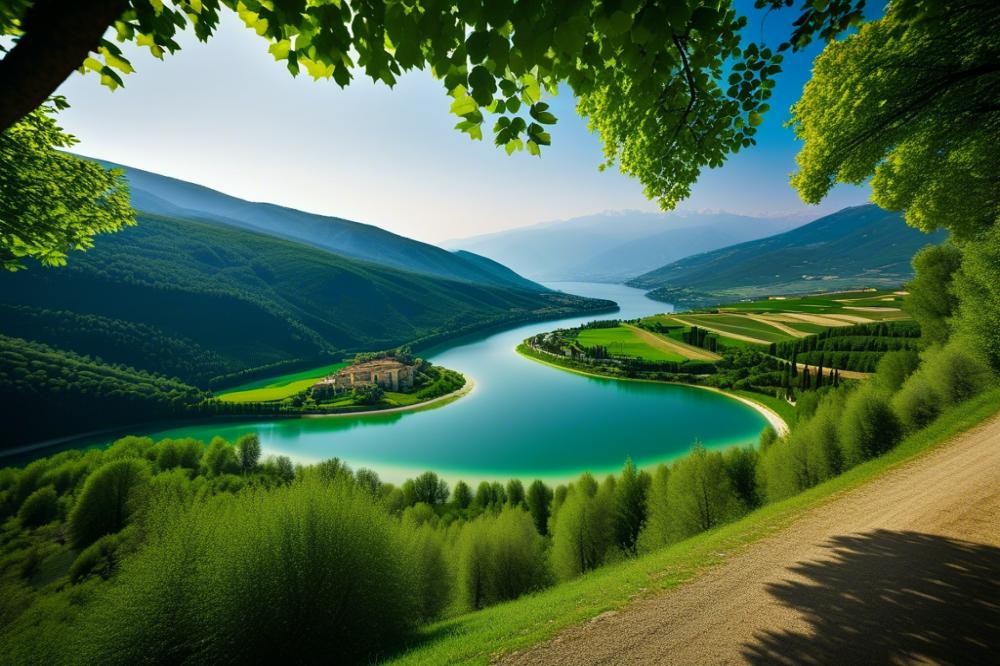
The lakes and rivers of Italy provide vital habitats for various aquatic plants. These plants play a crucial role in supporting biodiversity. For instance, they offer shelter and food for fish, birds, and other wildlife that thrive in these environments. Water lilies float gracefully on the surface, while reeds stand tall along the water’s edge. Together, they create a unique landscape rich in life.
Examining the interrelation between plant life and aquatic biodiversity reveals interesting dynamics. Diverse plant species contribute to the health of entire ecosystems. The presence of native species enhances resilience against environmental changes. Healthy riparian zones, where land meets water, protect these aquatic habitats. They provide essential resources, helping maintain balance in the food web.
Fish populations rely heavily on aquatic plants for survival. Some species use these plants for spawning, while others seek refuge from predators. Reeds and other vegetation create nursery spaces for young fish to grow. This sheltered environment is key to ensuring a thriving aquatic community. The connection between plant life and wildlife cannot be overstated.
Importance of Phytoplankton
Phytoplankton, the tiny plants drifting in the water, form the foundation of the aquatic food web. They convert sunlight into energy, supporting a variety of lifeforms. Such organisms play a vital role in maintaining the ecosystem’s health. Without them, larger species, including fish, would struggle to find adequate food.
Wetland flora, which includes various grasses and shrubs, supports a wide array of birds. These plants afford nesting sites and food sources for avian species. The interplay between flora and fauna enriches the aquatic landscapes. Conservation efforts are important to protect these vital ecosystems. Maintaining wetlands and diverse plant life allows ecosystems to flourish.
Riparian Zones and Wetland Flora
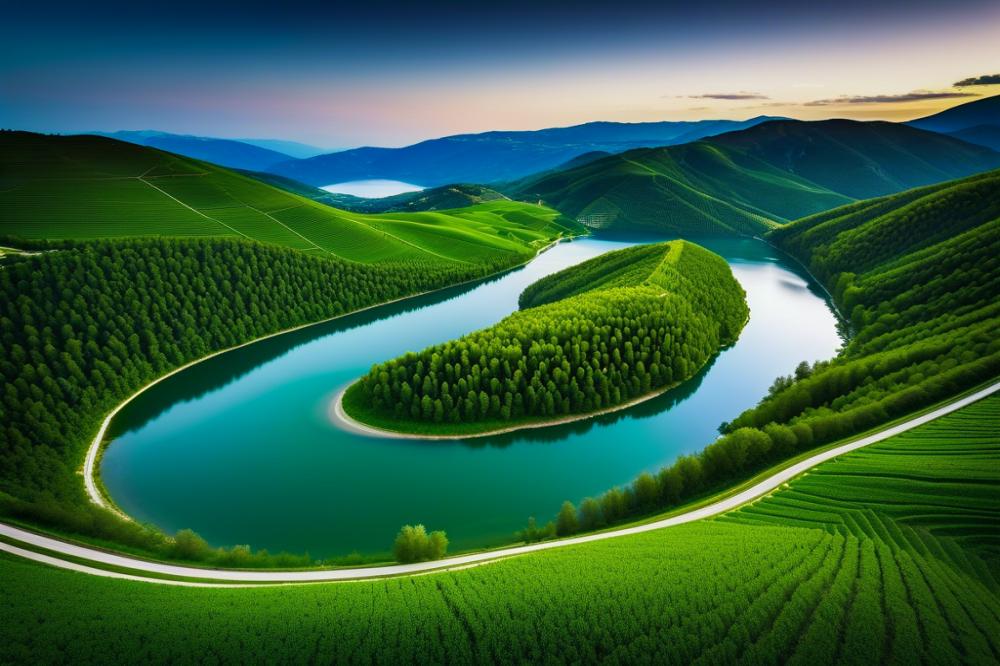
Riparian zones are the areas of land that border freshwater systems, such as rivers and lakes. In Italy, these regions play a critical role in maintaining the health of aquatic environments. They serve as transitional spaces between terrestrial and aquatic ecosystems. This unique characteristic highlights their importance in supporting biodiversity.
Wetland flora includes various types of plants that thrive in these habitats. Some of the notable native species found in Italy’s wetlands are water lilies and reeds. Water lilies float gracefully on the surface, providing shelter and food for animals. Reeds, on the other hand, grow tall and dense, protecting the shorelines and enhancing habitat complexity.
Riparian vegetation also acts as a natural filter for water. By trapping sediments and absorbing pollutants, plants improve water quality significantly. These zones support a rich community of wildlife, including fish, insects, and birds. Such ecosystems foster a diverse range of life, contributing to the overall health of freshwater systems.
Additionally, phytoplankton is an important part of these ecosystems. It floats in the water, offering food to many aquatic organisms. The presence of such organisms is often a sign of a balanced environment. When riparian zones are healthy, they can sustain various forms of life, benefiting the whole community.
Conservation efforts are vital for protecting these fragile areas. Deforestation and pollution threaten to damage riparian zones and disrupt wetland flora. Preserving native species is crucial in supporting the ecological functions that these areas provide. Awareness of their significance can help motivate local populations to protect these habitats, ensuring a vibrant and diverse natural landscape in Italy.
Conservation Efforts

Italy’s lakes and rivers are home to a rich diversity of plant life. Conservation initiatives aim to protect this vital flora. Efforts include habitat restoration projects and the creation of protected areas. Organizations work tirelessly to preserve riparian zones, which serve as critical habitats for aquatic plants and native species.
Significant threats loom over these ecosystems. Pollution from agriculture and urban areas contaminates water, affecting the delicate balance of life. Climate change has resulted in altered water levels and temperatures. These changes impact wetland flora and disrupt the habitats of many species, including the vibrant water lilies and swaying reeds along the shorelines.
Human activity further complicates the situation. Deforestation near riverbanks leads to erosion and loss of habitat. Urban development encroaches on natural landscapes, and people often underestimate the importance of these environments. Each loss has a ripple effect across the entire ecosystem.
Preserving biodiversity is crucial for maintaining healthy environments. Aquatic plants enhance water quality and provide necessary shelter for wildlife. Phytoplankton forms the foundation of aquatic food webs. Without a diverse range of species, these ecosystems could collapse, leading to far-reaching consequences.
Conservation practices focus not only on protecting individual species but also on restoring entire habitats. Engaging local communities is vital in this endeavor. Education about the importance of these plants fosters a sense of responsibility. When people understand how these ecosystems function, they are more likely to participate in their preservation.
Efforts to monitor and control invasive species are ongoing. Invasive plants can outcompete native species, disrupting local ecosystems. Addressing this issue is critical for safeguarding the plant life of Italy’s lakes and rivers. Future generations depend on today’s actions to maintain biodiversity.
Future Perspectives
Potential for Sustainable Management of Italy’s Aquatic Ecosystems
Sustainable management of Italy’s aquatic ecosystems is essential. Many lakes and rivers are under threat from pollution and climate change. Protecting these areas requires active involvement from communities and governments. Responsible practices can help maintain the balance of these fragile habitats. This approach includes preserving riparian zones and ensuring healthy populations of native species. By caring for the ecosystems, communities can support both human needs and the environment.
Emerging Research on Plant Life and Its Implications for Biodiversity
Exciting new research is shedding light on the diverse plant life in Italy’s waters. Aquatic plants, such as water lilies and reeds, play a critical role in supporting local wildlife. These organisms form the base of the food web, which includes phytoplankton and various fish species. Scientists are discovering that healthy aquatic plants lead to increased biodiversity in the surrounding ecosystems. Insights from this research may guide future conservation efforts. Understanding how these plants interact with their environment can help protect fragile ecosystems.
Call to Action for Greater Awareness and Conservation Efforts
Raising awareness about Italy’s aquatic plant life is crucial. Many people are unaware of the vital role these plants play in maintaining ecosystem health. Promoting conservation efforts can foster a deeper appreciation for wetland flora and biodiversity. Engaging local communities in conservation initiatives is one way to encourage participation. Workshops and informative campaigns can help spread knowledge about the importance of protecting these precious resources. Saving Italy’s unique aquatic systems requires a collective effort from everyone. It’s time to unite and take action for the future of our lakes and rivers.
Reflecting on Italy’s Aquatic Treasures
The plant life found in Italy’s lakes and rivers plays a vital role in maintaining biodiversity. These ecosystems are home to a variety of aquatic plants that not only support wildlife but also enhance the beauty of Italy’s natural landscapes. Each season brings a different palette of colors and textures, showcasing nature’s artistry. This rich flora serves as vital habitat for fish, birds, and insects, making it essential for ecological balance.
As urban development and climate change pose increasing threats, the need for conservation has never been more urgent. Preserving these natural habitats is crucial, not only for the plants themselves but also for the communities that depend on them. A deeper appreciation for these environments can lead to more informed choices and actions toward their protection. Simple activities like visiting a lake or taking a river walk can foster a meaningful connection to the natural world.
Exploring Italy’s lakes and rivers can spark a greater respect and understanding of our environment. Each location teems with life, waiting to be discovered. Encouragement to engage with this rich biodiversity begins with curiosity. The beauty found in these regions is an invitation to participate in safeguarding them for future generations. Let our adventures in Italy’s natural landscapes inspire us to advocate for the preservation of this precious flora.

