

The Fauna of Italy’s volcanic regions: A Unique Ecosystem
Italy is home to several volcanic regions that are crucial for understanding biodiversity. These areas, including Mount Etna and Vesuvius, are much more than just geological wonders. They provide a range of geothermal habitats that support a fascinating variety of wildlife. Many species have adapted to these challenging environments, showcasing the resilience of nature. The biodiversity in these regions is a remarkable testament to natural history.
Volcanic fauna, while often underestimated, plays a significant role in the health of Italy’s ecosystems. The animals and plants found here include endemic species that exist nowhere else in the world. This uniqueness enhances the ecological importance of these volcanic sites. By studying these organisms, scientists gain insight into how life can flourish in extreme conditions.
Conservation efforts in these volcanic regions are vital. They protect not only the complex interactions within these ecosystems but also the future of many species. Mount Etna, for example, is a UNESCO World Heritage Site, recognized for its biodiversity and cultural significance. Preserving these habitats ensures the survival of various wildlife and helps maintain the intricate balance of nature.
Understanding the connection between volcanic activity and biodiversity can enhance our appreciation for wildlife in Italy. The interplay of natural forces shapes the landscape and the creatures that inhabit it. As we strive to protect these areas, the importance of volcanic regions like Vesuvius becomes increasingly clear. They are essential not only for their beauty but also for the lessons they teach us about resilience and adaptability in the natural world.
Volcanic Regions of Italy
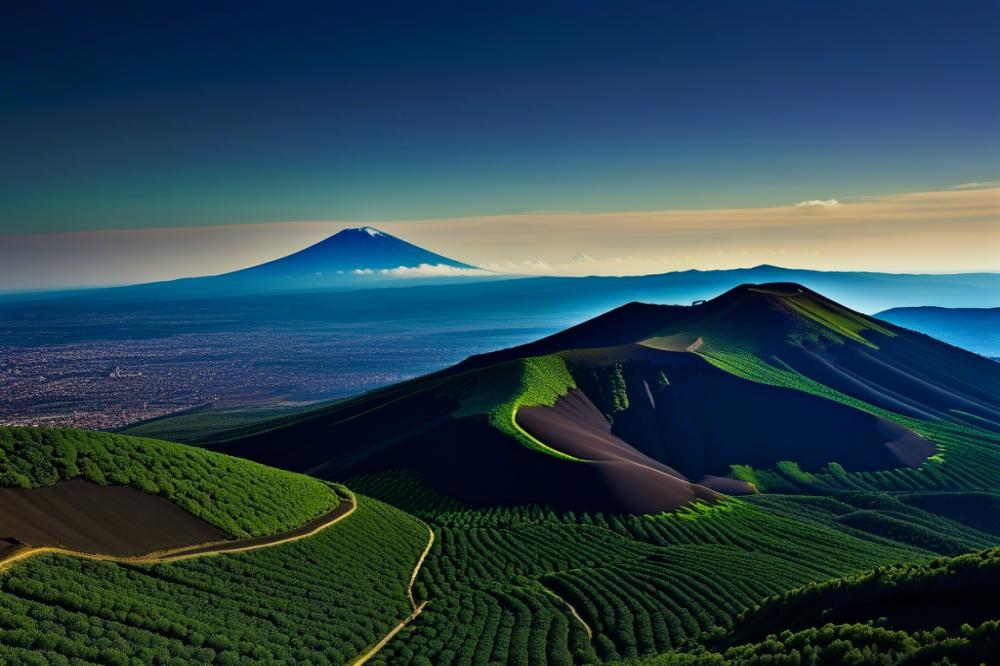
Italy is home to several notable volcanic regions, most famously Mount Etna and Vesuvius. Mount Etna, located in Sicily, is one of the most active volcanoes in the world. Its frequent eruptions contribute to the constantly changing landscape, which supports various forms of life. Vesuvius, near Naples, is best known for its catastrophic eruption in AD 79 that buried Pompeii and Herculaneum.
Other significant sites include Stromboli and the Campi Flegrei, an expansive caldera. Stromboli is often called the “Lighthouses of the Mediterranean” because of its regular eruptions. The Campi Flegrei, on the other hand, is a supervolcano with a rich geothermal activity history.
Geological features like lava flows and volcanic soils play a critical role in shaping local ecosystems. The rich minerals in these soils foster a wide range of plant life, which in turn supports various animal species. This dynamic environment creates a tapestry of biodiversity rarely found elsewhere.
Geothermal habitats are particularly fascinating. Hot springs and fumaroles provide a unique setting for species that thrive in extreme conditions. These habitats encourage the presence of endemic species, which are species found nowhere else on Earth. Some of these creatures are adapted to survive in high temperatures, showcasing nature’s resilience.
The volcanic regions are not merely geological wonders; they hold immense ecological importance. Conservation efforts in these areas aim to protect the delicate balance between wildlife and their environment. Preserving this biodiversity is essential for the health of the ecosystem.
Throughout Italy, visitors can observe a vivid display of Volcanic fauna. This unique array of wildlife includes both plants and animals, each adapted to their specific habitats. From the shallow waters rich in nutrients to rugged mountain slopes, life flourishes in unexpected ways.
Biodiversity and Wildlife

Italy’s volcanic regions are rich in biodiversity. These habitats contain a wide variety of wildlife. Mammals, birds, reptiles, and invertebrates all thrive here. Mount Etna and Vesuvius offer a landscape filled with ecological interest.
Among the mammals, you’ll find species like wild boars and foxes. They adapt well to the rugged terrain and the various microhabitats the volcanoes provide. Birds are also abundant, including the stunning peregrine falcon. This raptor can be spotted soaring high above the craters, hunting for its prey.
Reptiles add another layer to the ecosystem. Species such as the Sicilian wall lizard are common. These lizards are often found basking on warm rocks in geothermal habitats. Invertebrates play a crucial role too, with countless insects and arachnids contributing to the area’s unique ecological balance.
Many of these species are endemic. They have evolved traits that allow them to survive in volcanic settings. For example, certain plants and insects have adapted to the mineral-rich soils. These adaptations highlight the intricate links between the environment and the organisms within it.
Conservation efforts are essential in these regions. Protection of habitats ensures that biodiversity remains stable. Tourists often visit places like Mount Etna, increasing awareness about natural history and the importance of preserving these ecosystems. Engaging with local wildlife can educate visitors about the delicate balance of life in volcanic environments.
The ecological importance of these areas cannot be overstated. They are not just stunning sites for trekking or sightseeing. Volcanic regions serve as living laboratories for studying evolution, adaptation, and resilience in nature. Every species, from mammals to invertebrates, plays a part in the ongoing story of life shaped by fire and earth.
Ecological Importance

When observing the volcanic regions of Italy, a distinct ecosystem emerges. This ecosystem is shaped by the unique environmental features of places like Mount Etna and Vesuvius. The wildlife that thrives here possesses significant ecological roles. They engage in predator-prey relationships that maintain the balance of the ecosystem. Each species has a part to play, supporting others in a web of life.
Predators in these areas, such as birds of prey, control populations of various smaller animals. In turn, herbivores help maintain plant life by feeding on vegetation. This interaction creates an intricate balance, crucial for the health of geothermal habitats. The delicate dynamics allow endemic species to flourish. Being native to these volcanic lands, they often rely on specific conditions for survival.
One cannot overlook the impact of this biodiversity on global biodiversity as a whole. Volcanic ecosystems represent a vibrant yet fragile aspect of nature. By housing unique species, they contribute to the richness of life on Earth. Furthermore, conservation efforts in these regions help protect not only local wildlife but also the natural history of the area. Each species plays a role in a larger narrative about the environment.
Geothermal habitats are particularly notable for their diversity. They provide niches that support various forms of life, including rare organisms. These niches can even be found in extreme conditions, demonstrating the resilience of nature. The presence of such wildlife is a testament to the adaptability of life. Protecting these environments is essential, as they are critical to understanding ecological importance and evolution.
In summary, the ecological roles advanced by the fauna in Italy’s volcanic regions are profound. Understanding their interactions and contributions emphasizes the need for ongoing conservation efforts. These areas are not just beautiful landscapes; they are vital communities. Their health reflects the broader integrity of our planet’s ecosystems.
Conservation Efforts

The volcanic regions of Italy face significant conservation challenges. Rapid urban expansion and tourism threaten wildlife and habitats. Mount Etna and Vesuvius are prime examples where human activity impacts the delicate ecosystem. These areas house a wealth of biodiversity, including many species found nowhere else on Earth. Protecting these endemic species requires dedicated action.
Current conservation initiatives seek to safeguard both wildlife and their geothermal habitats. Local communities, scientists, and environmental organizations are coming together to create protected areas. Programs focus on habitat restoration and awareness campaigns that highlight the ecological importance of these unique environments. Efforts also include scientific research to understand the complex needs of various species.
Adopting sustainable practices is crucial for biodiversity preservation. Responsible tourism and farming can minimize negative impacts on the ecosystem. Educational programs that teach locals and visitors about the rich natural history of these volcanic regions foster a sense of responsibility. Engaging communities in conservation efforts proves vital for long-term success.
Government and non-profit organizations continue to collaborate on effective policies. Conservation strategies emphasize the need for comprehensive management plans. Monitoring wildlife populations allows researchers to assess the health of ecosystems. Such actions help maintain ecological balance in an area that could easily fall victim to exploitation. The interplay between humanity and nature must remain harmonious to sustain Italy’s natural treasures.
Natural History of Volcanic Fauna
Italy’s volcanic regions have a rich tapestry of life shaped by their unique environments. From Mount Etna in Sicily to the famous Vesuvius near Naples, these areas provide more than just breathtaking views. They offer a glimpse into how wildlife has adapted over time to survive in geothermal habitats. This is not just about survival; it is a story of evolution.
Many species found here have evolved in isolation. Endemic species thrive where conditions may seem harsh or extreme. Think of them as nature’s survivors. Their presence gives insight into the intricate dance of life amidst volcanic activity. Adaptations are critical for these creatures. For instance, some animals can tolerate high temperatures or unique chemical compositions in the soil and water.
Volcanic eruptions not only reshape the landscape but also alter ecological processes. After an eruption, the surrounding environment undergoes dramatic changes. New landforms emerge, and this creates opportunities for biodiversity. Life often returns quickly after a disturbance, sometimes even thriving due to rich minerals released by lava.
Wildlife in Italy’s volcanic regions faces challenges, but they have also found ways to flourish. Birds, insects, and plants show remarkable resilience. Research highlights how these organisms adapt their behaviors and life cycles to cope with a constantly changing environment. They respond to temperature fluctuations and shifting resources, showcasing nature’s incredible flexibility.
Conservation efforts are essential for maintaining the unique ecosystems found here. Protecting these habitats ensures that the endemic species continue to thrive. As we study the natural history of these fascinating creatures, we learn valuable lessons about our planet. Understanding their evolutionary journey can help us appreciate the intricacies of life in volcanic landscapes.
The ecological importance of Italy’s volcanic regions cannot be overstated. They serve as living laboratories for scientists. Observing how life interacts with geological processes provides clues to the broader health of our environment. The delicate balance of life here illustrates nature’s tenacity, making volcanic areas not just related to eruptions, but also to remarkable biodiversity.
Safeguarding Italy’s Rich Natural Legacy
Italy’s volcanic regions are home to a distinctly fascinating ecosystem. Rich in biodiversity, these areas support an array of species adapted to life in the shadows of historic eruptions. Each organism, from the smallest insects to the larger mammals, plays a crucial role in maintaining the balance of this delicate environment. The interplay between geology and biology here creates habitats that are both striking and essential.
Protecting these habitats is not just a local concern but a matter of global importance. As climate change and human activity pose threats to natural ecosystems, the unique wildlife of Italy’s volcanic areas faces increasing pressure. Preservation of these environments is vital for future generations. It is our responsibility to nurture this natural legacy so that future explorers can witness the same wonders we have today.
Awareness is a powerful tool in conservation. By informing others about the significance of these habitats, we can inspire change. Schools, communities, and local organizations should work together to highlight the fascinating life found in these regions. Efforts could include educational programs, volunteering in conservation projects, or supporting policies aimed at environmental protection.
Let us advocate for the safeguarding of these vibrant spaces. Every small action contributes to a larger movement that seeks to protect our planet. It’s important to remember that our choices matter. Together, we can preserve the beauty and diversity of Italy’s volcanic fauna for the enjoyment of generations to come.

