

Introduction
Italy is blessed with diverse Coastal Ecosystems that are both beautiful and vital to the environment. These ecosystems are filled with a rich variety of flora and fauna. The Mediterranean climate creates conditions that support numerous species, resulting in an incredible array of life. In these coastal regions, each organism plays a role, contributing to the overall health and balance of the ecosystem.
Flora, including shrubs and trees, provides essential habitats for many animals. Various species thrive in these environments, demonstrating the importance of biodiversity. The presence of plants helps to stabilize dunes and protect the shoreline from erosion, which can be critical in maintaining the landscape.
Among the many plants found along Italy’s coast, Pine Trees hold particular significance. These robust trees offer numerous ecological benefits. They not only help with reforestation efforts but also provide shelter and food for wildlife. Pine Trees enhance the habitat, making these coastal areas more resilient to environmental pressures.
Conservation of these ecosystems is crucial. Protecting these habitats ensures that future generations can enjoy their beauty and the numerous benefits they provide to the environment. Understanding the role of each species, including the vital contributions of pine trees, is key to sustaining the rich tapestry of life’s interactions in Italy’s Coastal Ecosystems.
Pine Trees in Italy

Italy boasts several types of pine trees, with the Maritime Pine and Stone Pine being the most notable native species. The Maritime Pine, known as Pinus pinaster, typically thrives along the coastal areas. This tree is well-adapted to sandy soils and can withstand strong winds. Its tall, straight trunk supports a broad crown, offering shade and shelter. You might find them growing in clusters along beaches, creating a distinctive coastal landscape.
Stone Pine, or Pinus pinea, features a unique umbrella-shaped crown. This species favors well-drained soils and often grows in the drier regions of the Mediterranean. Its seeds, known as pine nuts, are not just a food source for humans; many wildlife species also depend on them for sustenance. Both trees have adapted remarkably well to the Mediterranean climate, which includes hot, dry summers and mild, wet winters.
Habitat preferences for these pines reflect their ability to cope with environmental pressures. Most often, they inhabit sandy dunes and rocky slopes, where few other plants can survive. These trees contribute significantly to local biodiversity, offering homes for various creatures. Many birds nest in their branches, while small mammals find refuge among their roots.
These forested areas play a crucial role in conservation and ecology. They help with dune stabilization, preventing erosion caused by wind and water. Also, their thick foliage captures rainwater, which is important in arid regions. Reforestation efforts often prioritize these species due to their resilience and ecological benefits.
In summary, Maritime and Stone Pines are vital components of Italy’s coastal ecosystems. Their ability to thrive in challenging environments makes them essential for supporting both wildlife and human activities. As Italy continues to face environmental challenges, the role these trees play in maintaining healthy ecosystems cannot be overstated.
Environmental Importance of Pine Trees

Pine trees play a vital role in Italy’s coastal ecosystems. They contribute significantly to carbon sequestration, absorbing carbon dioxide from the atmosphere. This process is crucial for mitigating climate change effects and improving air quality. Furthermore, these trees enhance air purification by filtering pollutants.
Their presence is essential for maintaining biodiversity in coastal areas. A wide variety of wildlife finds habitat within their branches and undergrowth. This creates a rich environment that supports many species, from birds to small mammals. Not only do they provide shelter, but they also offer food sources that sustain local ecosystems.
In regions characterized by a Mediterranean climate, these trees help stabilize sand dunes along the coastline. Their extensive root systems bind the soil, preventing erosion and loss of land. This stabilization protects the coastal landscape from harsh weather and rising sea levels. Reforestation efforts often focus on planting native pine trees to restore these crucial areas.
The ecological benefits of these trees extend beyond their physical presence. They create microclimates that can benefit various plant species. These unique habitats encourage growth and contribute to overall ecosystem health. Conservation of pine trees is, therefore, a key aspect of preserving Italy’s coastal environments.
With threats like urban development and climate change, protecting these trees becomes increasingly important. Active measures must be taken to maintain these ecosystems. Their role in mitigating environmental issues reinforces the need for recognition and action regarding conservation efforts. In summary, the environmental significance of pine trees in Italy can hardly be overstated. Their contributions are integral to the health of coastal regions and the wildlife that inhabits them.
Biodiversity and Habitat Support
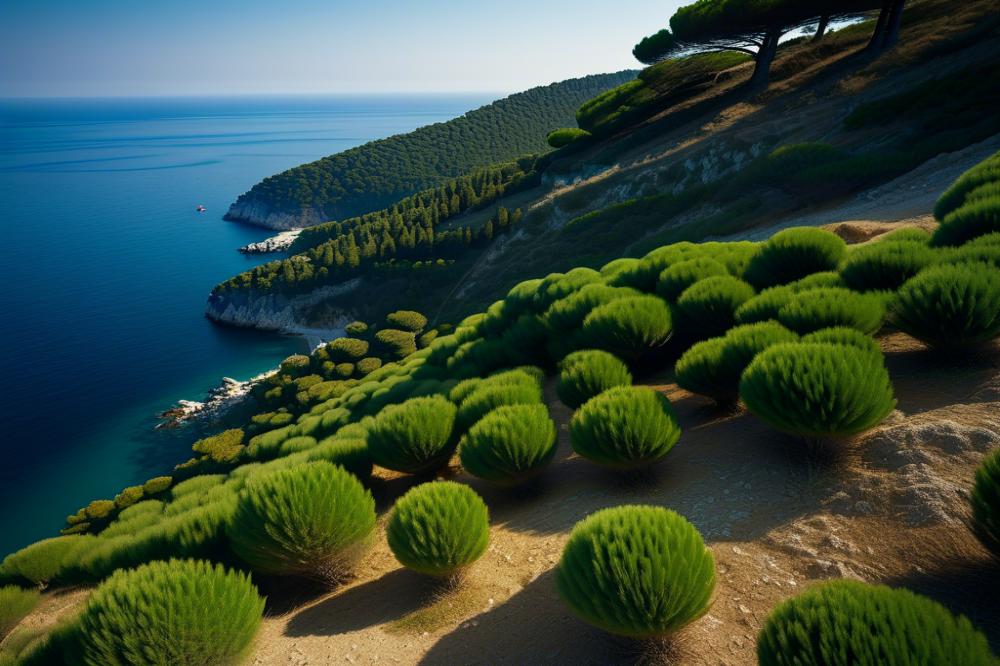
Pine trees play a vital role in supporting biodiversity in the coastal areas of Italy. These trees create a unique environment where various species can thrive. Birds often find refuge in their branches, using the foliage for nesting and shelter. Insects also benefit from the presence of these trees, as they provide food and habitat. Many plants grow in the shaded areas beneath the pines, adding to the ecological diversity of the region.
The Mediterranean climate allows these trees to flourish, creating a balanced ecosystem. Different wildlife species depend on this habitat for their survival. Small mammals, such as hedgehogs and rabbits, enjoy the ground cover. The fallen pine needles enrich the soil and provide material for decomposers, which are crucial for maintaining healthy ecosystems.
Reforestation efforts in coastal regions often focus on preserving these trees. Their presence helps in dune stabilization, which protects against erosion caused by wind and waves. Coastal dunes are essential for protecting inland areas from storms. Without such natural barriers, coastal wildlife would face significant threats to their habitats.
Conservation of pine forests directly impacts the health of coastal ecosystems. The ecological benefits are manifold. By supporting a wide range of organisms, they promote resilience in these environments. Nurturing these habitats allows biodiversity to flourish, which plays a crucial role in maintaining ecological balance.
This interconnectedness between pine trees and wildlife highlights their importance. Many species that rely on this habitat are facing challenges due to climate change and development. Protecting these trees and the habitats they create is essential for future generations. Their role in the ecosystem cannot be understated, as they are foundational to the survival of numerous species along Italy’s beautiful coast.
Conservation and Reforestation Efforts

Many conservation projects are currently underway in Italy. These initiatives focus on preserving the unique populations of coastal trees. Various organizations work together to protect important habitats. They understand the environmental importance of these trees in sustaining biodiversity. Efforts include monitoring existing forests and creating protective regulations.
One major aspect of reforestation involves planting native species in degraded areas. This practice helps restore the ecological balance of coastal ecosystems. It encourages the recovery of wildlife populations that rely on these habitats. Planting new trees also contributes to dune stabilization. This process is vital for protecting shorelines from erosion, especially during storms.
In regions with a Mediterranean climate, the need for conservation is urgent. Increasing urbanization and climate change threaten existing ecosystems. Local communities often participate in reforestation efforts. Volunteers gather to plant trees and care for saplings. Engagement at the community level increases awareness and promotes the importance of these trees.
Reforestation initiatives provide several ecological benefits. Healthy forests improve air quality and provide shade. They also play a role in water retention, reducing runoff and flooding. Furthermore, restored areas support various species, enriching overall biodiversity.
Collaborative efforts between government agencies and environmental groups are essential. These partnerships aim for sustainable management of natural resources. Training programs educate stakeholders about the importance of maintaining healthy ecosystems. Together, they work towards a common goal: to safeguard the coastal environment for future generations.
Ecological Challenges and Solutions
Pine trees face several threats in Italy’s coastal ecosystems. Climate change impacts their growth and survival rates. Rising temperatures can lead to increased drought, which stresses these trees. Additionally, prolonged heat can create ideal conditions for pests and diseases that weaken their health.
Invasive species also pose a significant hazard. Non-native plants and animals can disrupt local habitats, competing with native species for resources. They can alter nutrient cycles, making it harder for pine trees to thrive. Urban expansion further complicates the situation. As cities grow, available land decreases. This development often leads to habitat loss for wildlife and hinders biodiversity.
Addressing these challenges requires a multifaceted approach. Conservation efforts are essential for maintaining healthy ecosystems. Protecting existing pine habitats is crucial for promoting wildlife. Creating protected areas can safeguard these natural spaces from urban encroachment.
Reforestation initiatives can help restore degraded areas. Planting native species enhances biodiversity and creates a strong support system for existing wildlife. Such efforts can also improve dune stabilization, a vital function along Italy’s coastlines. This approach not only benefits pine trees but also contributes to overall ecosystem health.
Community involvement plays a pivotal role in successful conservation. Engaging locals in planting and caring for trees fosters a deeper connection to the environment. Educational programs can also raise awareness about the environmental importance of pine trees in the Mediterranean climate.
Combining these solutions promises a more resilient ecosystem. Promoting diversity increases the chances of survival for various plant and animal species. By mitigating the effects of climate change and invasive species, Italy can better protect its coastal habitats.
Wrapping Up the Role of Pine Trees
In Italy’s coastal ecosystems, pine trees play a crucial role in supporting various forms of life. These trees provide habitats for many wildlife species. Birds and insects find shelter and food among their branches and needles. Additionally, they help prevent soil erosion along coastlines. Their extensive root systems stabilize the ground, especially in areas prone to storms or heavy rains.
The environmental importance of these trees cannot be overstated. They purify the air and act as natural barriers against strong winds. These benefits extend to local communities, helping to create a balanced atmosphere. Furthermore, the shade they offer creates cooler spots that many creatures rely on during hot summer months.
Recognizing the multifaceted benefits of these trees is essential. Protecting them, therefore, is vital for maintaining biodiversity along Italy’s coasts. Continued conservation efforts will help preserve these unique habitats. Communities must work together to raise awareness about the importance of keeping pine forests healthy.
In conclusion, safeguarding these natural treasures is an investment in the future. Healthy ecosystems are beneficial for both wildlife and humans. By preserving these areas, we can promote a richer natural heritage for generations to come.

