
Experiencing Rural Italy: Farming Courses and agricultural traditions
The allure of the Italian countryside pulls many tourists away from busy cities and into a world where nature and tradition thrive. Rolling hills adorned with vineyards, olive groves, and cornfields paint a picturesque landscape. Many visitors find themselves captivated by the lifestyle that has defined this region for centuries. Agriculture remains a vital part of life here, reflecting not just the economy but also cultural identity.
Deeply rooted agricultural traditions in Italian culture shape everyday life. Each region boasts its own unique methods and practices that have been handed down through generations. From sowing to harvesting, these customs reveal a profound respect for the land. Aspects like sustainable farming and organic agriculture show how locals adapt to modern challenges while embracing their heritage.
This article aims to explore Farming Courses and experiences that give insight into this traditional way of life. Many travelers wish to immerse themselves in authentic farm experiences, learning about food preparation and the importance of local produce. Opportunities such as cooking classes allow people to connect with chefs and farmers directly, fostering a deeper appreciation for what goes into their meals.
Rural tourism has gained popularity, letting visitors experience agro-tourism firsthand. Engaging in hands-on activities like planting, picking, or even cheese-making provides valuable lessons. Understanding heritage farming practices can also shed light on the environmental impact of agriculture today. Here, travelers can find a unique blend of learning and enjoyment, making their journey unforgettable.
Rural Italy: A Journey into Agricultural Traditions
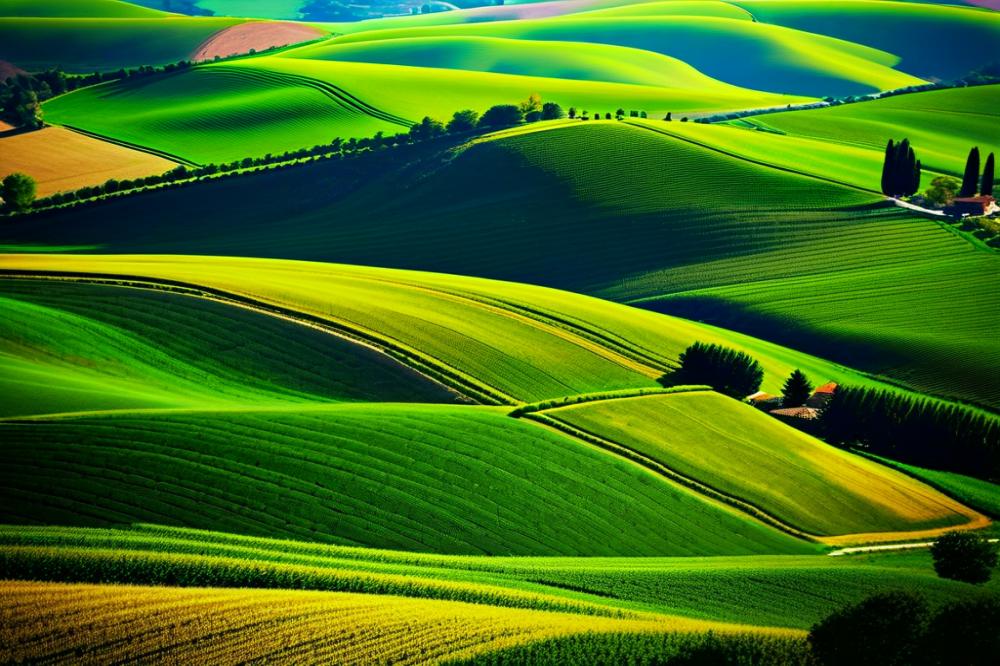
The Italian countryside captivates visitors with its rolling hills, vibrant fields, and quaint villages. Sunlight dances across vineyards, olive groves, and wheat fields. This landscape tells a story that dates back centuries. It is a scene where tradition and nature harmonize beautifully.
Heritage farming practices play a crucial role in maintaining this beauty. Many families pass down their agricultural methods from generation to generation. These techniques often involve nurturing the land in ways that respect long-standing traditions. They are not just about growing crops; they connect people to their roots and to one another.
Sustainable farming is gaining importance in Italy, as more farmers adopt techniques that protect the environment. Local produce is becoming a priority, and communities are focusing on methods that create healthier food systems. Organic agriculture thrives in this region, offering fresh fruits and vegetables without harmful chemicals. By choosing organic methods, farmers promote biodiversity and soil health.
Rural tourism is on the rise as people seek authentic experiences that allow them to interact with the land. Farm experiences provide a chance to learn about traditional practices firsthand. Visitors often join in the harvest, care for animals, or even help in the kitchen during cooking classes. This type of engagement enriches the travel experience and deepens connections to the land.
Agro-tourism has become a vital part of Italy’s agricultural landscape. It allows travelers to appreciate the hard work that goes into producing food. Guests can sample delicious local produce and enjoy meals made with care. The variety of experiences available helps to keep these agricultural traditions alive for future generations.
Farming Courses in Rural Italy
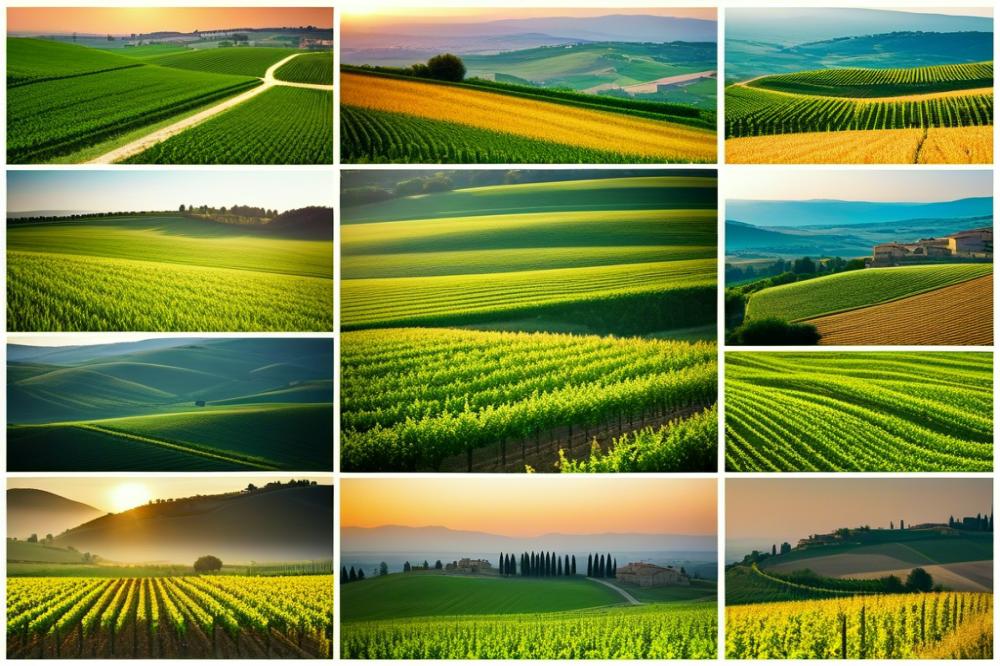
A variety of farming courses are now available across Italy. Many programs invite participants to engage in hands-on farm experiences. These activities allow students to learn by doing, which can be a highly effective way to experience agricultural traditions. Workshops also cover a range of topics, from planting techniques to animal husbandry.
A strong emphasis is placed on organic agriculture and sustainable practices. Participants gain insights into eco-friendly methods that respect the land. Such approaches are crucial in today’s world, where environmental concerns grow daily. Learning about heritage farming helps individuals connect with the history of food production in the Italian countryside.
Several regions stand out for their farming courses. Tuscany, with its rolling hills and vineyards, offers numerous programs. Participants often learn about local produce and how to use it in traditional dishes. The Veneto region offers distinct experiences, focusing on unique agricultural products like rice and wine. Additionally, Campania is known for its emphasis on organic farming, often intertwined with cooking classes.
Rural tourism thrives in these areas. Visitors can enjoy the beauty of rural landscapes while immersing themselves in agro-tourism initiatives. Many farms welcome tourists not just to learn but to participate actively. By engaging in farm experiences, individuals can better appreciate the dedication needed in the world of sustainable farming.
Farm Experiences and Local Produce
One of the most engaging aspects of visiting farms in the Italian countryside is participating in farm life. Guests often get involved in daily activities and responsibilities. Milking cows, collecting eggs, or harvesting vegetables can be part of the experience. Such days create a connection to the land and its rhythms. Under the guidance of seasoned farmers, visitors learn the value of hard work. These farm experiences build a deep appreciation for the effort behind every meal.
Local produce plays a vital role in Italian cuisine. Fresh ingredients are the foundation of traditional dishes. Tomatoes, olive oil, and cheeses used in meals showcase the rich flavors that come from the region. Many recipes rely heavily on what is grown nearby. Dining on seasonal fruits and vegetables brings a taste of heritage farming to the table. Families often share their recipes, passed down through generations, highlighting the importance of these agricultural traditions.
Cooking classes are often integrated with farm experiences. Participants learn how to prepare traditional meals using fresh ingredients sourced right from the farm. Each session offers hands-on instruction, guided by expert chefs. Learning how to make pasta or sauce allows visitors to connect more deeply with the cultural practices of the region. This combination of cooking and agriculture creates a comprehensive understanding of sustainable farming and organic agriculture. When guests leave, they carry home not just memories but also skills and recipes that evoke the flavors of their time spent in the countryside.
Such integration of agro-tourism invites people to witness the beauty of rural Italy. By joining these experiences, travelers contribute to sustainable practices. Engaging with local farmers enriches understanding and supports rural tourism. It also encourages the continuation of traditional farming methods, fostering a sustainable relationship with the land. Visitors leave with a sense of fulfillment and knowledge. The connection made through these authentic farm experiences can often spark a desire to pursue similar practices at home.
Agro-Tourism and Rural Tourism
Agro-tourism in Italy has gained popularity over the years. This form of tourism allows visitors to experience the beauty of the Italian countryside while engaging in farming activities. It combines travel with the chance to learn about traditional agricultural practices. Many seek this experience for both enjoyment and education.
Visitors enjoy several benefits from agro-tourism. One key advantage is cultural immersion. Participants can dive into local customs, such as heritage farming and organic agriculture. They also get the opportunity to interact with farmers and families living in rural areas. This interaction provides a deeper understanding of Italian agricultural traditions.
Another significant aspect is sustainability. A focus on eco-friendly practices makes these farming experiences attractive. Tourists often learn about sustainable farming methods while enjoying local produce. Many people appreciate being part of a system that values the environment and community.
Successful Agro-Tourism Initiatives
Several initiatives showcase the success of agro-tourism. For example, many farms offer hands-on cooking classes, where participants create traditional Italian dishes. This allows visitors to not only taste but also understand where their food comes from. Others provide guided farm experiences, showing visitors the daily workings of the land. Engaging with animals and crops helps tourists feel connected to the countryside.
In Tuscany, agriturismo is a popular concept. It blends accommodation with active agricultural involvement. Guests stay in restored farmhouses and participate in the harvest. They can pick ripe tomatoes or grapes, making the experience memorable. Sites like these promote local produce while encouraging tourists to appreciate the labor behind it.
Another notable example can be found in Umbria, where olive oil farms offer tours and tastings. Visitors learn about the process of pressing olives and the importance of quality in production. These interactions deepen their respect for artisanal methods and regional flavors.
Agro-tourism not only supports farmers but also educates travelers. As Italians strive to protect their agricultural heritage, they invite others to join them. This creates a newer, more conscious way to explore the land, making trips richer and more meaningful.
Embracing the Heart of Italy
Experiencing life in the Italian countryside offers something truly enriching. Visitors find themselves immersed in a world where farming courses reveal the secrets of the land. This hands-on approach not only teaches practical skills but also fosters a deep appreciation for agricultural traditions passed down through generations. Throughout these experiences, participants discover the connection between people and the earth, which is often lost in urban life.
Engaging with sustainable practices is vitally important. Every lesson learned in those sun-drenched fields helps promote a healthier environment. As travelers pick olives or plant vines, they learn about biodiversity and the importance of nurturing the land. These skills can even be applied back home, reinforcing the idea that anyone can contribute to the ecosystem.
Ultimately, exploring this aspect of Italy enriches the soul. Knowledge gained from farming courses goes beyond just techniques; it instills values and stories that can last a lifetime. The effort to preserve and appreciate the beauty of rural life is paramount. Creating these memories while learning about the agricultural landscape enhances personal growth.
In closing, embracing the Italian agricultural lifestyle is a journey worth taking. Every visit to the countryside offers opportunities for connection, learning, and reflection. Taking part in these authentic experiences not only shapes perspectives but also inspires individuals to advocate for a more sustainable future.

