

Introduction
Castles hold a special place in the tapestry of European history. These monumental structures served as both fortifications and symbols of power. Throughout the Middle Ages, they were more than just residences; they represented the strength and authority of local lords and monarchs. Visitors to these historical sites can often feel the weight of centuries as they explore their vast corridors and towering walls.
In Italy, the rich legacy of medieval architecture is embodied in the many castles scattered throughout the countryside. These fortifications narrate stories of battles, political intrigue, and evolving architectural styles. Each castle tells a tale that reflects the unique cultural and historical influences that shaped Italy during its medieval period.
A comparative analysis can deepen our understanding of the role these structures played across different regions. While Italian Castles have distinctive characteristics, their French, Spanish, and Austrian counterparts also share fascinating histories. France boasts opulent châteaux that mirror its royal lineage, while Spain features Moorish influenced designs. Austria’s castles reveal tales of empire and heritage linked to the Austro-Hungarian region. By examining these structures side by side, we can appreciate the similarities and differences in their architecture and significance. Furthermore, understanding their appeal in terms of tourism opens up a discussion about how history continues to captivate modern visitors.
Italian Castles: A Historical Overview
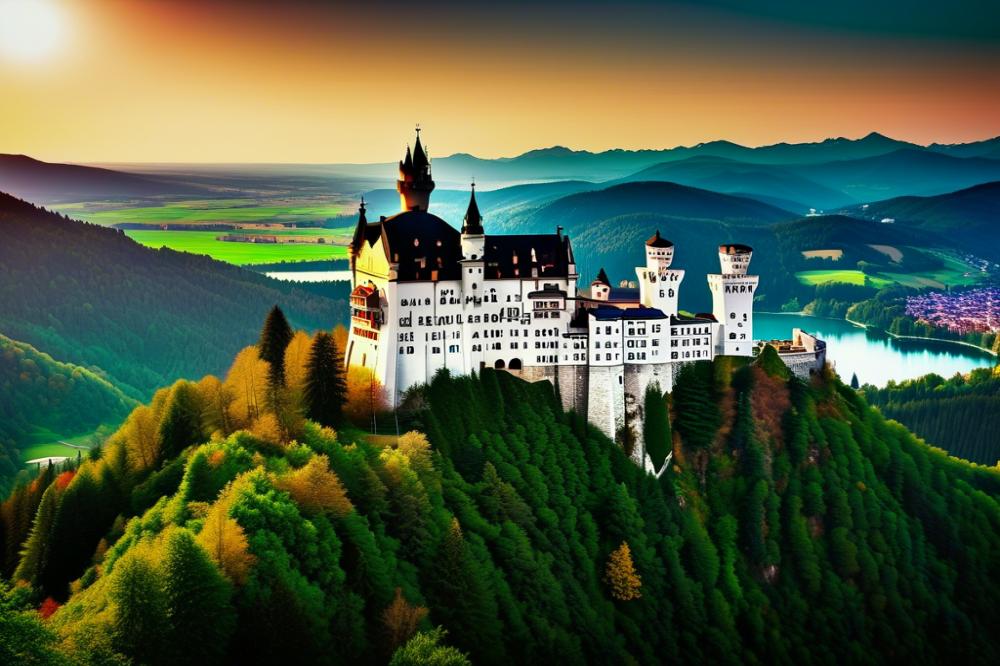
The journey of castles in Italy begins as early as the Roman period. Initially, fortifications served as military outposts. These structures evolved into more complex designs over time. During the medieval era, castles became symbols of power and protection. Lords and nobles built them to defend their territories and demonstrate their wealth.
Several key periods mark the history of these fortifications. The Early Middle Ages witnessed a rise in crude wooden structures. As stability increased, stone castles emerged. By the 12th century, many castles featured elaborate designs, with towers and thick walls. This period highlighted the advancement of military architecture. Workshops specialized in building techniques and defensive measures flourished.
Geography played a critical role in castle construction across Italy. Mountainous regions often featured castles perched on high cliffs. Such locations provided strategic advantages in terms of defense. Coastal areas also saw fortifications aimed at repelling invaders from the sea. Additionally, the political landscape influenced castle architecture. Frequent wars and shifting allegiances necessitated strong defenses. Notably, the influence of rival nations like France and Spain also shaped designs.
Castles became a canvas for architectural creativity. Their unique styles incorporated elements from Gothic, Romanesque, and even Renaissance architecture. Many houses of the nobility adorned their structures with artistic features. This blend of styles reflects Italy’s rich heritage and diversity.
Tourism today highlights the importance of preserving these historical sites. Visitors flock to explore their intricate designs and learn about their past. A comparison of Italian castles with their counterparts in France, Spain, and Austria reveals distinct characteristics. While many share similarities, each has unique features rooted in local customs and histories.
Understanding the development of these fortifications enriches one’s appreciation of Italy’s cultural landscape. These castles stand as testaments to the dreams and trials faced by their builders. The legacy of Italy’s castle architecture invites exploration and offers lessons from the past.
Architecture of Italian Castles
Overview of Architectural Styles
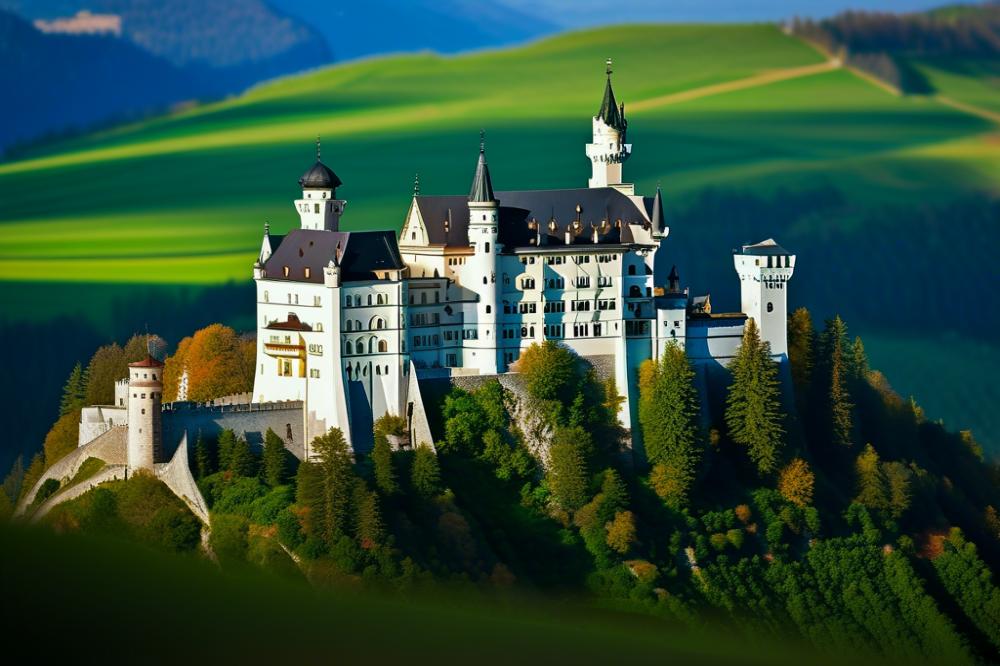
Italy’s castles represent a fascinating blend of various architectural styles. Many structures date back to the medieval period, showcasing elements like Romanesque and Gothic designs. A noticeable feature is the emphasis on fortifications. Tall towers and thick walls provided protection and served as a statement of power. Unlike their counterparts in France or Spain, Italian castles often included palatial elements. This mix reflects the region’s rich history and diverse influences.
Materials and Construction Techniques
Craftsmanship played a vital role in building these strongholds. Locally sourced materials such as stone, brick, and marble shaped the structures. Skilled artisans utilized techniques passed down through generations. Walls were often thick, built to withstand sieges. The use of arches and vaulted ceilings enhanced both durability and aesthetic appeal. Innovations, such as machicolations—overhanging parapets—added a practical defense mechanism against attackers. Comparisons can be drawn with castles from Austria, where wooden materials were more common.
Significant Examples and Their Features
Numerous castles stand out due to their historical significance and architectural beauty. Castello Sforzesco in Milan is a prime example, featuring a blend of Renaissance and medieval elements. Its grand courtyards and elaborate decorations make it a popular tourist destination. Another notable structure is Rocca Malatestiana in Cesena, which displays excellent defensive architecture. Narrow windows and thick walls illustrate its purpose to guard against invasions. By visiting these sites, one experiences Italy’s rich heritage, unmatched by many others in Europe.
French Castles: A Comparative Analysis
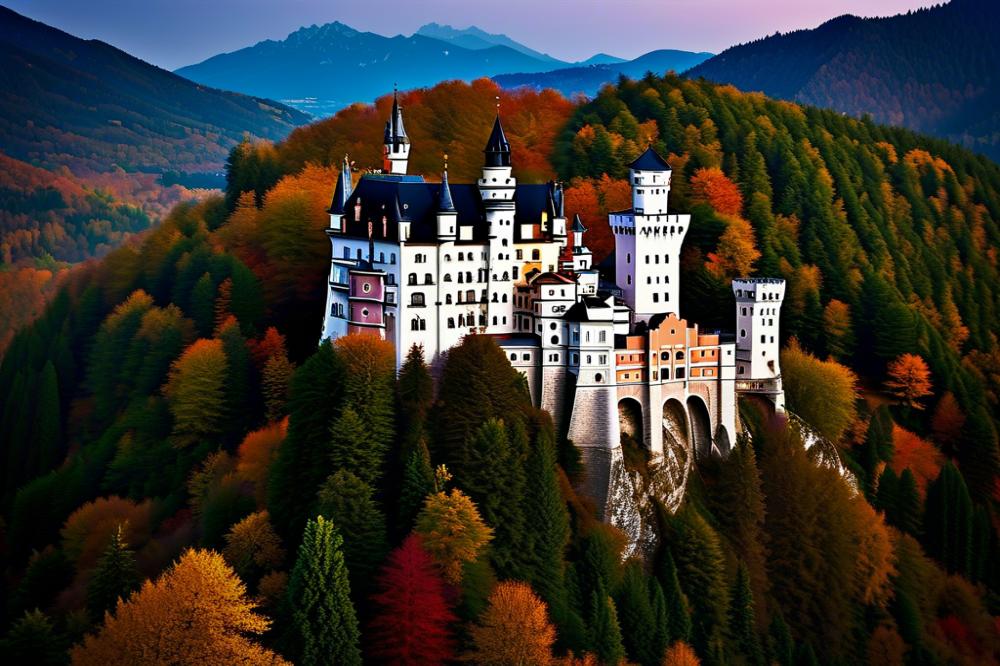
The history of French castles is rich and varied. During the medieval period, France saw the rise of numerous fortified structures. These castles served as strongholds for nobles and strategic points in warfare. Architectural styles evolved over centuries, reflecting both power and artistry. Gothic towers, thick walls, and intricate stonework characterized many of these edifices. The blend of functionality and beauty sets French castles apart.
In a comparison of fortifications between France and other countries, French castles often showcased advanced defensive techniques. Many featured moats, drawbridges, and high ramparts. Such structures were designed to withstand sieges and protect inhabitants. Italian castles, while also fortified, emphasized grand aesthetics over strict military function. Similarly, castles in Spain and Austria displayed unique designs and influences. However, only French castles maintained such an extensive variety of architectural styles throughout history.
Notable Examples and Their Tourism Appeal
Among the most remarkable French castles is the Château de Chambord. This Renaissance masterpiece captivates visitors with its distinctive architecture and vast grounds. Another example, the Château de Chenonceau, spans the River Cher with elegant beauty. Tourists flock to these sites for their historical significance as well as striking visual appeal. The rich heritage associated with each castle adds depth to the experience.
castles like the Château de Versailles highlight the power of the French monarchy. The ornate gardens and lavish interiors draw millions each year. Different from many of their counterparts in Spain, where castles often appear more austere, French castles radiate luxury and grandeur. Austria’s castles also share some similarities, but the emphasis on artistic flair in France is unmatched.
Overall, these structures are more than just stone walls; they are gateways into the history of a nation. Many visitors are not just captivated by the architecture; they see reflections of a tumultuous past and a culture steeped in heritage. From the majestic Loire Valley to the rolling hills of Provence, French castles continue to be a pivotal part of tourism. They invite all to explore the narratives woven into their walls and grounds.
Spanish Castles: A Comparative Overview
Historical Development of Spanish Castles and Their Influences
The history of Spanish castles stretches back to the medieval period. Moors and Christians built many of these fortifications during their long conflict. The influence of Islamic architecture is evident in structures, especially in the southern regions. Castles served multiple purposes, from defense to residence for nobility. Over time, Spanish rulers focused on strengthening their territories against invasions. By the 15th century, the style began to blend elements from various cultures. The diverse heritage of Spain shaped these castles into what we see today.
Architectural Differences Between Italian and Spanish Castles
While Italian castles often showcase Renaissance beauty, Spanish fortifications lean towards defensive needs. Thick walls and narrow windows are common in Spain to withstand attacks. Towers often dominate the skyline, offering strategic views of the landscape. Decorative elements are present but serve a practical purpose. In contrast, the architecture of Italian castles emphasizes elegance, with open courtyards and ornate facades. Limestone and sandstone are popular materials in Spain, reflecting regional resources. A comparison of these styles highlights their distinct approaches to both design and function.
Significant Spanish Castles and Their Roles in Tourism
Spain is home to many significant castles that attract thousands of tourists each year. One notable example is the Alcázar of Seville. This castle combines Moorish and Christian influences, offering visitors a glimpse into the country’s complex past. Another iconic structure is the Castillo de Alhambra in Granada, recognized for its stunning gardens and intricate carvings. Many travelers come to explore these historical sites and appreciate Spain’s rich heritage. Castles not only reflect history but also contribute to the local economy through tourism. They provide education about medieval life and architecture, making them essential attractions in Spain.
Austrian Castles: A Historical Context
Austrian castles evolved over centuries, reflecting the tumultuous history of the region. During the medieval period, these structures served dual purposes. They functioned as defensive fortifications and residences for nobility. Initially, many were modest, built primarily for protection. As time progressed, castles became more elaborate, showcasing wealth and power.
The architecture of Austrian castles presents an interesting comparison to similar structures found in France, Spain, and even Italy. Distinctive features define these fortresses. Thick stone walls provide strength, while round towers often symbolize military prowess. Gothic and Renaissance influences appear in many designs. Details like ornate window frames and expansive courtyards further highlight their uniqueness.
Noteworthy Austrian castles stand as prominent symbols of the country’s cultural heritage. For example, Schloss Hohenwerfen is perched high on a rocky cliff. This castle dates back to the 11th century and is a popular destination for tourism today. Another famous site is Schloss Ort, located on a picturesque island in Traunsee. Its beautiful architecture and rich history draw visitors from around the globe.
Overall, these fortifications reflect Austria’s complex history and architectural traditions. They reveal much about the social structure of medieval life. Visitors can explore not only the structures themselves but also the stories they embody. The castles represent the past, connecting generations through their enduring presence.
Tourism and Cultural Heritage of Castles
Castles are significant in modern tourism across Europe. In Italy, these ancient structures draw visitors eager to explore their rich history and striking architecture. France also shares a deep admiration for its châteaux, which often represent the pinnacle of medieval design. Tourists flock to both countries, fascinated by the tales these fortifications tell.
Spain features castles that reflect its own unique blend of cultures. Visitors often admire the mixture of Moorish and Christian influences. Austria, on the other hand, offers grand castles that echo the grandeur of the Habsburg Empire, representing a different aspect of European heritage. Each nation showcases its own history through its castles.
Economic impacts of these historical sites are notable. Local businesses thrive with the influx of tourists, providing jobs and supporting communities. In Italy, restaurants, shops, and hotels often cater to those interested in exploring the medieval landscapes. Similar trends can be observed in France, where the picturesque countryside lures in visitors who bring revenue to rural areas.
Preservation of these castles faces numerous challenges. Environmental factors, such as weathering and pollution, threaten their existence. Italy struggles with funding for restoration projects, making it difficult to maintain these historic sites. France encourages public-private partnerships to sustain and restore its châteaux. Spain has implemented strict protection laws that help safeguard its castle sites, while Austria invests substantially in conservation efforts.
Castles also play a vital role in shaping cultural identity. Many people feel a connection to these structures, viewing them as emblems of their national heritage. In Italy, castles symbolize the country’s artistic achievements and historical narratives. French castles serve not only as tourist attractions but also as custodians of rich royal history. Similar sentiments hold true in Spain and Austria, where castles are pivotal to cultural pride.
Tourism thrives on the allure of these fortifications. They invite exploration and pique curiosity about the past. The stories they embody foster a sense of wonder and admiration among visitors. Each castle, regardless of its location, contributes uniquely to the storytelling fabric of its nation. This interaction between history and tourism enriches the cultural experience for travelers.
Reflecting on the Strengths of Castles
Italian castles hold a significant place in the broader narrative of European history, especially when compared to their French, Spanish, and Austrian counterparts. Each nation has crafted its own interpretation of castle architecture and purpose, reflecting the diverse cultural heritage of Europe. The romanticized towers of France, the formidable fortresses of Spain, and the majestic structures of Austria all tell a story, yet Italy stands out with its blend of utility and artistry.
Various architectural styles define these different countries. Italian castles often showcase a mix of military functionality and aesthetic beauty. Italian feudal lords built many of these strongholds, marking their influence through stunning frescoes and intricate stonework. In contrast, the castles in France frequently emphasize grandeur. Monumental châteaux reveal the power of the monarchy and its connection to the arts. Spain’s castles, on the other hand, often illustrate the country’s turbulent past. They served defensive needs during various conquests and still reflect Moorish influences. Austria’s castles highlight imperial ambitions, often set in breathtaking landscapes that evoke a sense of fairy-tale charm.
Reflecting on the significance of these historical structures brings us to their role in modern tourism. Tourists flock to these castles, eager to experience the stories embedded within their walls. Each castle serves not only as a reminder of its nation’s storied past but also as a focal point for cultural appreciation. Visitors enjoy both the journey through history and the stunning architecture that has stood the test of time.
To sum up, the castles of Italy and their counterparts across France, Spain, and Austria provide a fascinating glimpse into the continent’s cultural fabric. They represent a rich and diverse legacy, one that continues to captivate the imagination. Understanding this shared heritage reinforces the importance of preserving these monumental structures for future generations to explore and cherish.

