

Discovering the Creamy Delight of Mascarpa Cheese
Italy is a treasure trove of rare cheeses. From the crumbly Pecorino to the rich Gorgonzola, there’s a whole world waiting to be explored. Among these culinary gems, certain varieties shine with artisanal craftsmanship. When wandering through the countryside, one might stumble upon lesser-known dairy products that tell a story of tradition and passion.
Mascarpa Cheese offers a delightful twist in the landscape of Italian cheeses. This artisanal cheese is often characterized by its creamy texture and gentle flavor profile. It serves as an excellent alternative to the more famous mascarpone, enriching both sweet and savory dishes. Cheese-making here is an art, blending time-honored techniques with fresh local ingredients. Its versatility shines in various culinary uses.
Exploring such regional treasures opens the door to endless possibilities. Traditional recipes can inspire creativity in the kitchen, allowing for exciting cheese pairing experiences. Each bite can evoke a sense of place, connecting us to the rich agricultural history of the area. As food lovers, the quest for extraordinary flavors encourages us to seek out these creamy cheeses and share them with others. This journey leads to the discovery of new favorites that deserve a place at our tables.
What is Mascarpa Cheese?
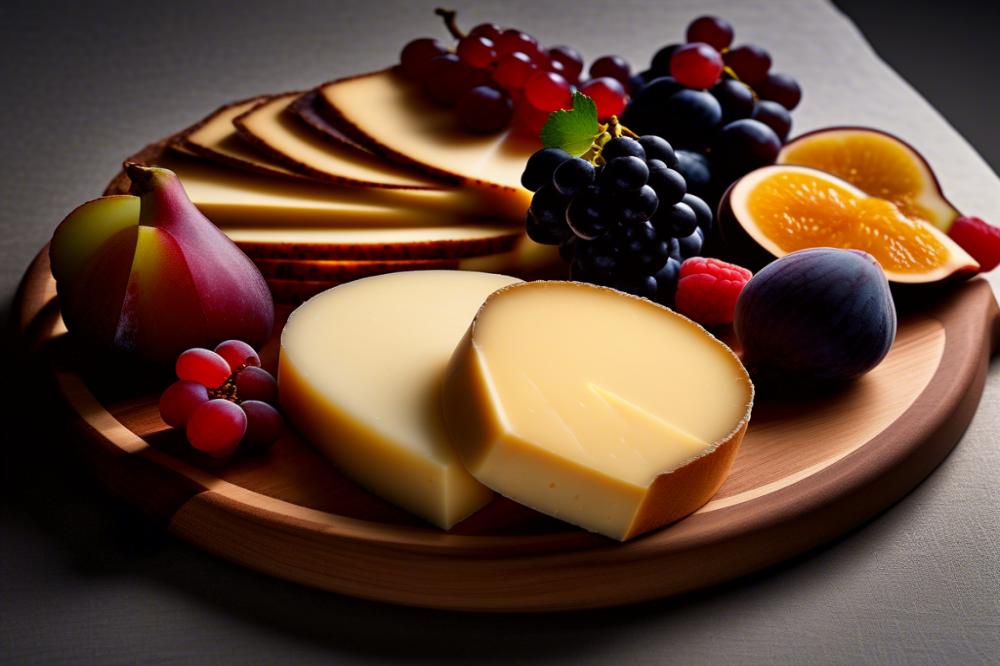
Mascarpa cheese is a delightful Italian cheese that offers a creamy texture and rich flavor. It is considered a dessert cheese, often used in sweets and pastries. The origins of this cheese trace back to the northern Italian regions, particularly Lombardy and Piedmont. Historically, it is associated with traditional cheese-making methods that highlight the craftsmanship involved in producing high-quality dairy products.
Origin and Geographic Significance in Italy
Italy proudly hosts Mascarpa as part of its diverse cheese heritage. Specifically, it flourishes in areas known for their dairy farming. Fresh milk from local cows is the foundation of this artisanal cheese. Each region contributes its charm and characteristics, lending unique flavors to the cheese. Enveloped in the rich culture of Italian cuisine, Mascarpa interacts beautifully with local ingredients in many culinary uses.
Distinction from Other Italian Cheeses
What makes this cheese stand out among Italian cheeses is its texture and application. Many people confuse it with mascarpone, but it serves different purposes. The flavor profile of Mascarpa is less sweet and has a pronounced richness, ideal for cheese pairing with fruits or crackers. It elegantly complements traditional recipes, enhancing dishes with its creamy quality. While other cheeses might serve as snack options, Mascarpa shines in desserts, making it a sought-after ingredient for culinary enthusiasts. When looking for mascarpone alternatives, some may turn to this delightful cheese for its versatility.
Flavor Profile and Texture
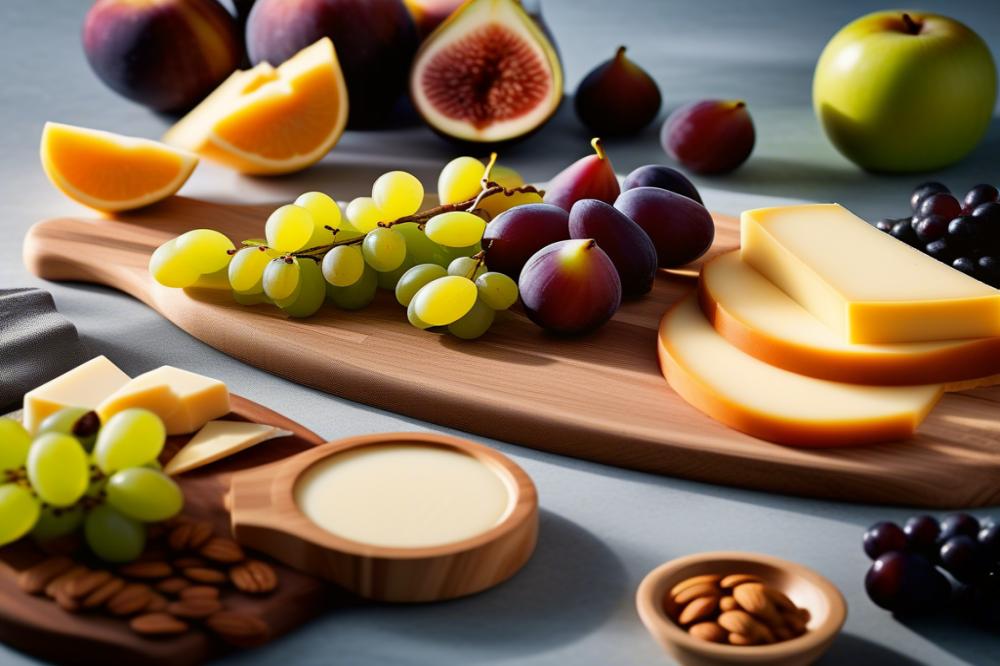
Mascarpa cheese boasts a wonderfully creamy texture that is hard to resist. Its smooth consistency feels rich on the palate, transforming every bite into a moment of indulgence. The luxurious mouthfeel sets it apart from many other Italian cheeses, which can often be firmer or crumblier.
Flavorwise, it offers a delicate sweetness, subtly hinting at the lightest touch of tanginess. Those tasting it often note how its mildness is inviting, making it an excellent canvas for various flavor combinations. Contrasting sharply with more aged cheeses, which can be bold and sharp, this cheese embraces a gentle approach.
As a dessert cheese, it shines brightly in a range of culinary uses. Traditional recipes highlight its ability to enrich dishes like tiramisu and various cheesecake types. Pairing it with fresh fruits or drizzling honey elevates its allure, making for an unforgettable treat.
Beyond desserts, this cheese has incredible versatility. It easily complements savory dishes as well, enhancing pasta or risottos. Artisanal cheese makers have taken to incorporating it in unexpected ways. Indeed, one might even find it as an ingredient in sauces or spreads. Alternatives exist, but few can replicate its creamy charm.
Cheese-making Process
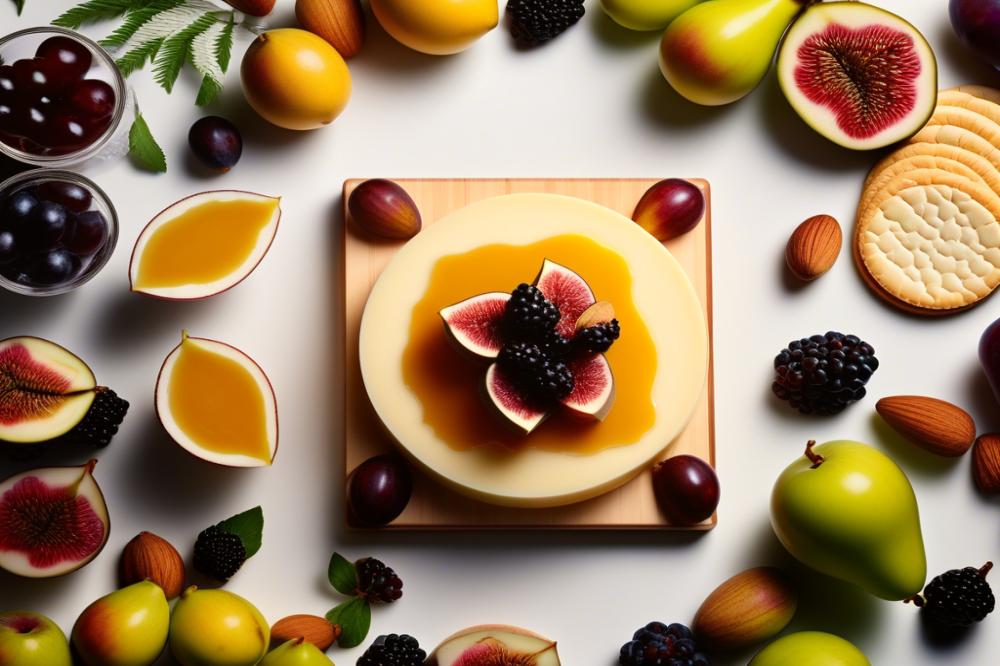
Creating cheese is an age-old craft. Traditional techniques have been passed down through generations. The process of making cheese involves curdling milk, separating curds from whey, and finally aging to develop flavor. Every step is essential in forming a delicious product.
This Italian cheese stands out for its creamy texture. Crafted mainly from fresh cow’s milk, it combines cream and milk in a harmonious balance. The fermentation begins with specific bacterial cultures. These cultures help create the perfect environment for cheese-making. Rennet is then added to help the milk coagulate, forming curds. They are then cut into small pieces, allowing whey to drain away.
The artisanal cheese approach plays a crucial role in improving quality. Dedicated artisans pay attention to every detail. They often use raw milk to capture the true essence of the region. Crafting in small batches means better control over the process. This method enhances the flavor profile and ensures that each batch is rich and delightful.
Beyond its creamy taste, Mascarpa Cheese offers various culinary uses. It works beautifully in many traditional recipes. Many people enjoy it as a dessert cheese or as part of a cheese pairing platter. Additionally, there are numerous mascarpone alternatives, but few can match the smoothness and richness of the original.
Culinary Uses of Mascarpa Cheese
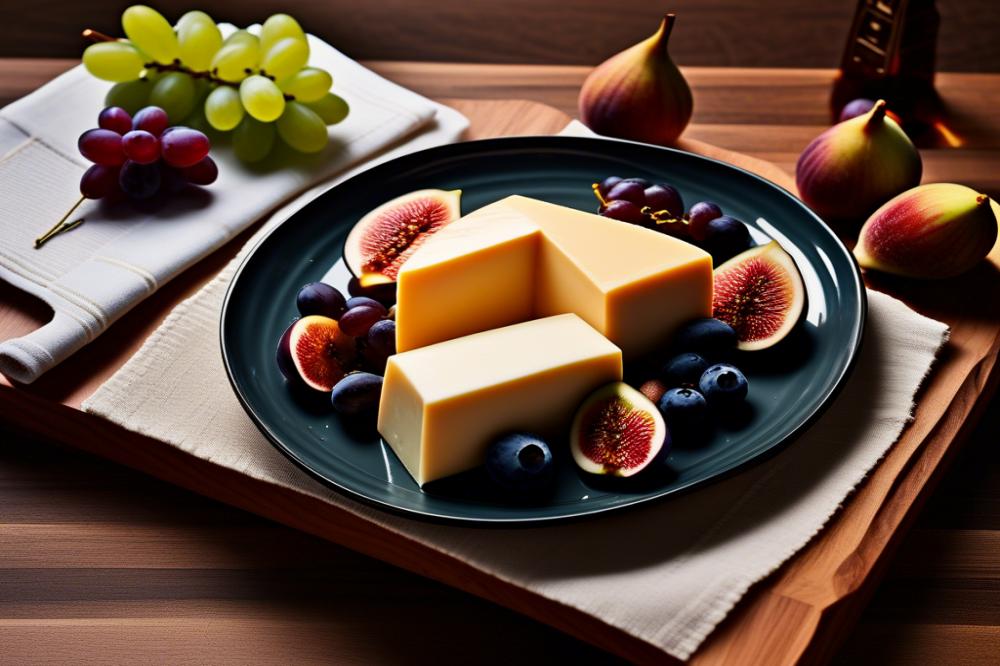
This creamy delight shines in a variety of recipes. As an Italian cheese, it serves as a perfect ingredient in traditional dishes like lasagna or stuffed pasta. The texture adds richness, enhancing the overall appeal. Mix it into risotto for a luxurious finish that elevates simplicity to gourmet.
Suggestions for Serving as a Dessert Cheese
When considering how to serve this product, think about its role as a dessert cheese. Pair it with fresh berries to contrast the creamy texture with a burst of freshness. A drizzle of honey complements the flavor profile beautifully. You might also enjoy it spread over a slice of fruit-laden cake. Using it in sweet toppings can turn an ordinary dessert into a special treat.
Cheese Pairing and Complementary Flavors
Pairing it with other dairy products can create a delightful experience. Consider serving it with light, fruity wines. The subtle sweet notes balance perfectly with stronger flavors. Nuts, like walnuts or almonds, also make a fantastic accompaniment. These additions can round out an elegant cheese board, inviting friends to explore an array of textures and tastes.
Artisanal cheese makers often provide mascarpone alternatives that deliver similar creaminess. However, nothing quite matches the charm of this traditional ingredient. Whether used in savory dishes or sweet ideas, its versatility is remarkable. Chefs appreciate how it blends well with both spicy and mild flavors. Create exciting combinations that will surprise and please your palate.
Mascarpa Cheese vs. Mascarpone Alternatives
When it comes to creamy indulgence, many think of mascarpone. This well-loved Italian cheese shines in desserts like tiramisu. However, a comparison with other dairy products reveals interesting distinctions. Mascarpa Cheese deserves attention for its rich, buttery flavor and smooth texture.
Mascarpone is primarily known as a spread, but it has a softer consistency than its counterpart. It also contains higher fat content. On the other hand, Mascarpa Cheese offers a thicker texture that some might prefer. This difference makes it an appealing option for various culinary uses beyond just desserts.
What sets this cheese apart is its artisanal quality. Produced by skilled cheese-makers, the flavor profile is delightful, offering hints of sweetness and a slight tang. These qualities elevate it above many mascarpone alternatives. Whether it’s dolloped on fruit or used in a savory dish, it brings a depth of flavor that enhances any recipe.
For those experimenting in the kitchen, substitutions can still lead to delicious outcomes. Cream cheese can mimic the texture when mixed with a bit of heavy cream. Another option is to use ricotta with some added cream for a lighter twist. When whipping up traditional recipes, keep in mind that these alternatives may alter the flavor slightly but can still create wonderful dishes.
Cheese pairing can enhance your dining experience. Mascarpa pairs great with fresh fruits, chocolate, or even drizzled with honey. Think about how these combinations might elevate your dessert or savory plate. Whenever you feel adventurous, don’t hesitate to explore different options while keeping the balance of flavors in mind.
Exploring Rare Italian Cheeses
The culinary landscape of Italy is rich with diverse dairy products, particularly its rare cheeses. Preserving traditional cheese-making practices is crucial. Many family-owned farms continue to craft these treasures using time-honored techniques. These methods bring unique flavors and textures to life, reflecting the local culture and environment. Without this preservation, we risk losing a significant part of our culinary heritage.
Among the many cheeses worth discovering, pecorino sardo stands out with its salty, robust taste. Gorgonzola, on the other hand, surprises with its creamy and tangy profile. Then there’s caciocavallo, which offers a delightful nutty flavor that evolves as it ages. Each of these cheeses contributes something special to Italian cuisine, making them worthy of exploration. When paired with the right accompaniments, they elevate any dish.
Artisanal cheeses have a unique place in Italy’s food scene. They often reflect the specific region where they are produced. Mascarpa Cheese is no different, fitting snugly into this delightful array. Known for its creamy texture, it serves as a wonderful dessert cheese. This cheese can easily remind one of mascarpone but has its own distinct character.
Using traditional recipes, chefs create amazing dishes that highlight the cheerful, light nature of this cheese. Culinary uses abound, from layered desserts to dips. The flavor profile brings a smooth sweetness that pleases many palates. Explore various cheese pairing options to find the perfect match for Mascarpa Cheese. Fresh fruits, honey, or toasted nuts complement its delicate charm beautifully. The world of rare Italian cheeses awaits those ready to indulge.
Wrapping Up the Creamy Delight
Mascarpa cheese holds a special place in the world of dairy. It’s more than just a food item; it embodies tradition and craftsmanship, offering a creamy taste that can enhance any dish. Italian cheese enthusiasts recognize its unique qualities. Lovers of flavors will appreciate how this cheese beautifully complements a variety of meals and desserts.
If you haven’t tasted it yet, now is the time to embark on this delightful journey. Exploring different types of cheese can be fun, and this one stands out as particularly enjoyable. Whether you prefer it on a cheese board or as part of a dessert cheese selection, there’s so much to discover. Don’t hesitate to create delicious pairings with fruits, honey, or even chocolate.
Joy lies in uncovering hidden gems like this cheese. Each bite reveals layers of flavor that dance on the palate. So, go ahead and seek out this creamy delight. Try it in different settings. Share it with friends or savor it alone. The experience of trying rare varieties can be incredibly fulfilling. Happy tasting!

