
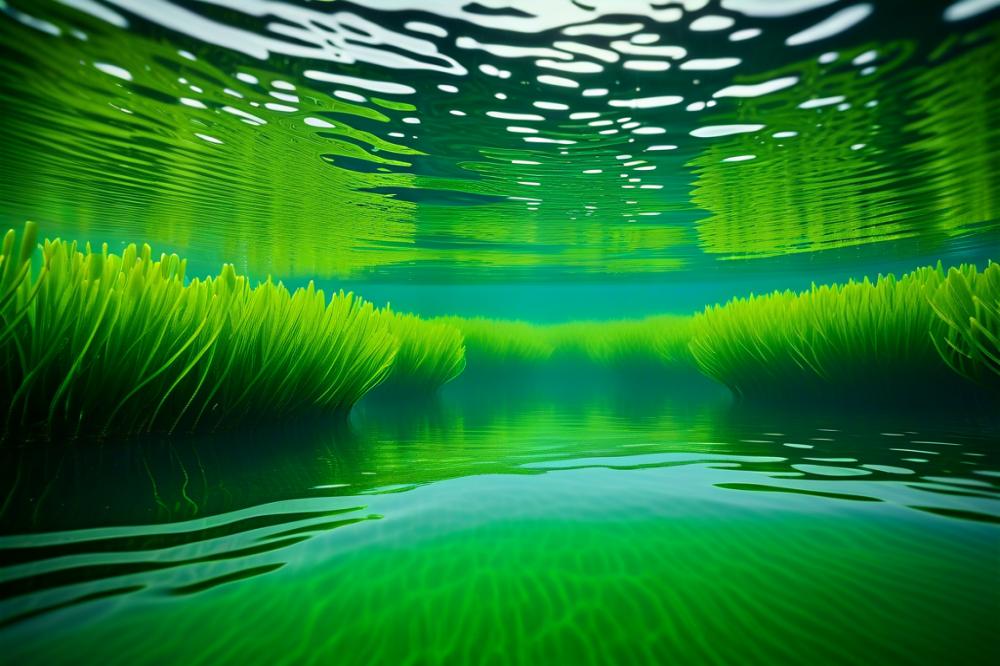
Exploring the Underwater flora and fauna of the Adriatic Sea
The Adriatic Sea is a captivating body of water located between the eastern coast of Italy and the western coast of the Balkan Peninsula. This gem is renowned for its stunning coastlines and diverse marine life. Exploring its depths reveals a tapestry of underwater ecosystems filled with a variety of species that contribute to its rich biodiversity. From vibrant coral reefs to lush beds of seagrass, the sea showcases incredible natural wonders. Each of these habitats plays a vital role in maintaining ecological balance.
Understanding the importance of exploring underwater flora and fauna is essential for both science and conservation efforts. Studying marine habitats provides insights into the health of the environment. Knowledge of fish species or mollusks can help scientists identify changes in the ecosystem. Furthermore, as climate change and pollution threaten these delicate systems, research becomes increasingly critical. Awareness about this marine life can lead to necessary conservation actions that protect vulnerable species and their habitats.
This article aims to shed light on the fascinating aspects of the Adriatic Sea’s underwater world. Through an exploration of its diverse marine life, we hope to ignite curiosity and inspire actions that protect these ecosystems. In addition, the article will cover popular activities such as snorkeling and diving, which allow people to experience the magnificence of the sea firsthand. By understanding what lies beneath the waves, readers can appreciate the wonders of this unique aquatic environment and the importance of its preservation.
The biodiversity of the Adriatic Sea
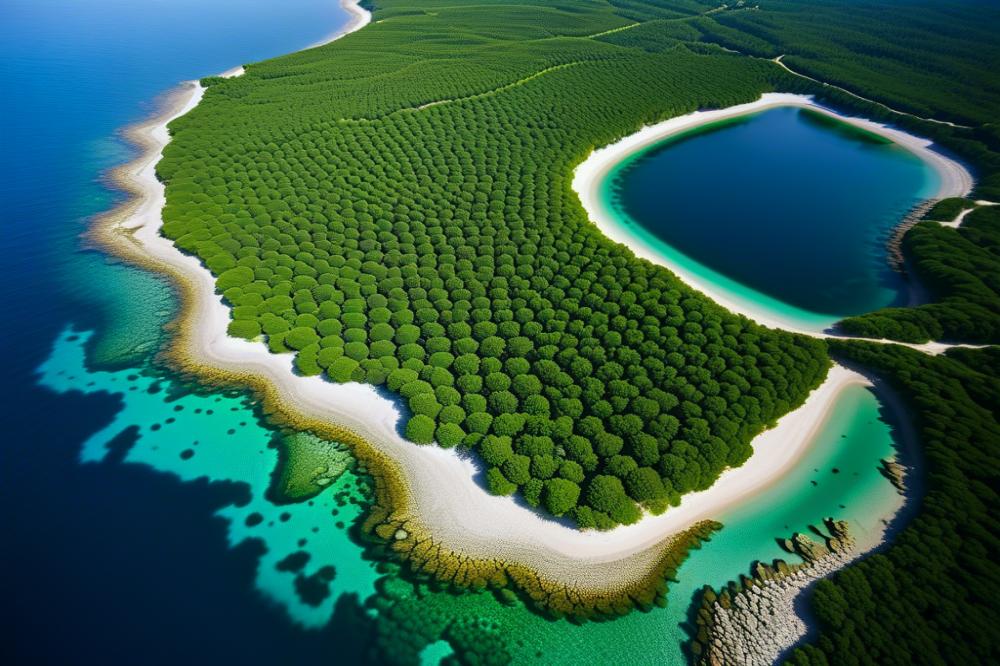
The Adriatic Sea is home to a rich variety of marine life. Biodiversity in this area plays a vital role in maintaining healthy ecosystems. Many species thrive in its waters, and each contributes to the overall balance of marine habitats.
A diverse range of fish species can be found swimming alongside vibrant coral reefs. These reefs serve as important shelters for countless organisms. Mollusks, such as octopuses and sea snails, often inhabit the seagrass beds, where they find food and protection.
Seagrass meadows are essential not just for the creatures that live there. They also provide crucial oxygen and act as nurseries for young fish. In these hidden underwater gardens, various crustaceans scuttle about, adding to the bustling life beneath the waves.
When you go snorkeling or diving, the diversity you encounter is awe-inspiring. Schools of colorful fish dart between the corals, while graceful sea turtles glide effortlessly through the water. This wondrous landscape showcases the importance of conserving such delicate ecosystems.
While this marine paradise offers beauty, it also faces challenges. Pollution, climate change, and overfishing threaten the fragile balance. Conservation efforts are essential to protect the numerous species that call these waters home.
Understanding the connections between different species helps illustrate the importance of biodiversity. Every plant and animal plays a role in the larger community. Protecting each species is crucial for the overall health of the underwater world.
The flora and fauna of this remarkable sea clearly show the wonder of life beneath the surface. Exploring this vibrant environment reveals how intricate and interconnected everything truly is. This biodiversity is not just beautiful; it is vital for the survival of many species.
Seagrass Meadows and Coral Reefs
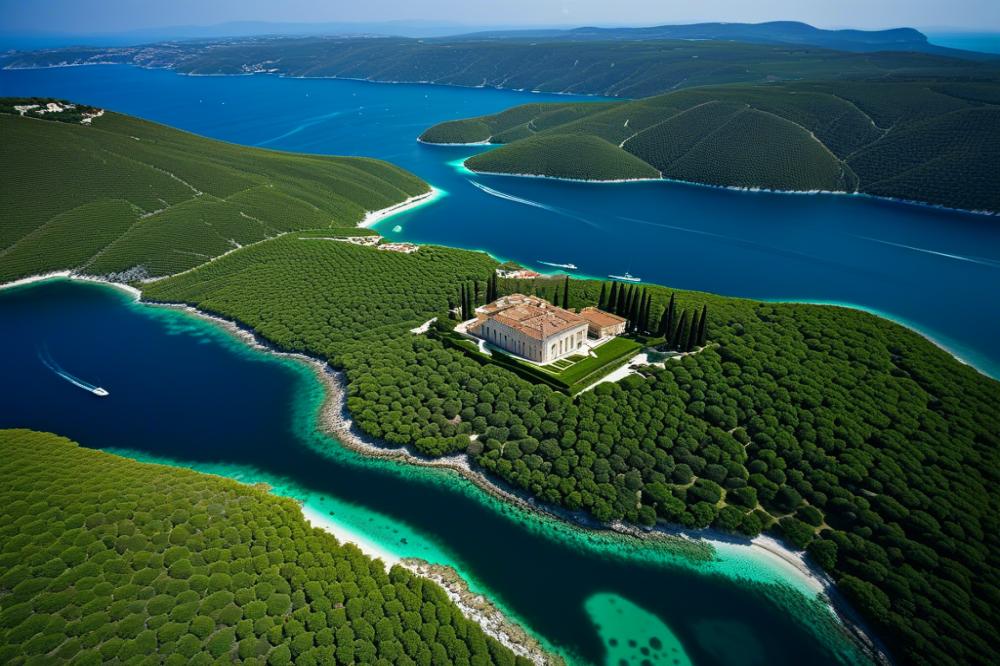
Seagrass meadows are underwater habitats made up of flowering plants that grow in shallow coastal waters. These diverse ecosystems provide shelter and nursery grounds for numerous marine life species. Seagrass beds play an important role in stabilizing sediments and improving water quality. They offer food for various creatures, including sea turtles and many fish species. In addition, these areas contribute to biodiversity by supporting a wide range of organisms.
Coral reefs, on the other hand, are remarkable structures formed by tiny marine animals known as coral polyps. Alongside impressive biodiversity, these ecosystems host colorful corals that create a habitat for many fish and mollusks. The abundance of life in coral reefs draws visitors for snorkeling and diving, celebrating the beauty of these underwater landscapes. Various fish species find shelter among the corals, creating a vibrant community in the process.
Both seagrass meadows and coral reefs are vital to marine habitats. They serve as essential breeding grounds that help replenish fish populations. Conservation efforts are critical in protecting these ecosystems from threats like pollution and climate change. Healthy seagrass and coral areas support an intricate web of life in the sea. A thriving marine environment leads to a balanced ecosystem, which benefits all creatures that rely on these habitats.
Inhabitants of the Adriatic Sea
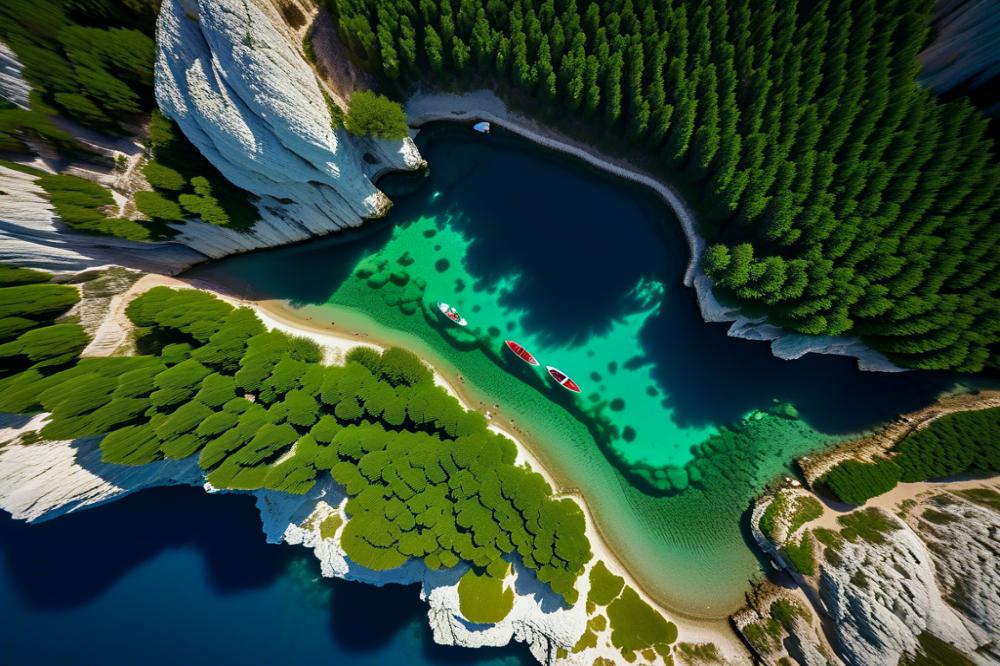
Detailed look at fish species found in the region
The Adriatic Sea is home to a rich variety of fish species. This area features both small colorful fish and larger predators. Species such as the European eel and the common octopus thrive here. Each fish plays a role in maintaining the balance of marine life. Small fish often seek shelter among rocks and seagrass, while larger fish patrol deeper waters. Anglers frequently visit, hoping to catch species like the cuttlefish or the snapper. Many tourists enjoy snorkeling and diving to observe these fish in their natural environment. Brightly colored wrasses and sea breams are favorites among those exploring underwater habitats.
Overview of mollusks and their ecological roles
Mollusks are an integral part of the Adriatic ecosystem. This group includes snails, clams, and squid. They contribute significantly to the region’s biodiversity. Clams filter water, helping to keep it clean. Squid, as both predator and prey, maintain a delicate balance in the marine food web. Many mollusks inhabit sandy or muddy areas, where they thrive in the protection of their surroundings. Some species, like the blue mussel, form extensive beds that provide habitat for other organisms. These creatures play a vital role in the health of marine habitats.
Other notable marine organisms in the Adriatic
Beyond fish and mollusks, many other fascinating organisms exist in local waters. Coral reefs, though not as expansive as tropical systems, host a variety of life. Sponges and sea urchins can be found decorating the seafloor. The underwater world is also rich in plant life, including various types of seagrass. These coastal plants provide food and shelter for many marine species. The presence of biodiversity signifies a healthy marine environment. For conservation efforts, protecting these organisms matters immensely. As visitors explore this sea, they encounter a vibrant community full of life.
Exploring the Adriatic Sea
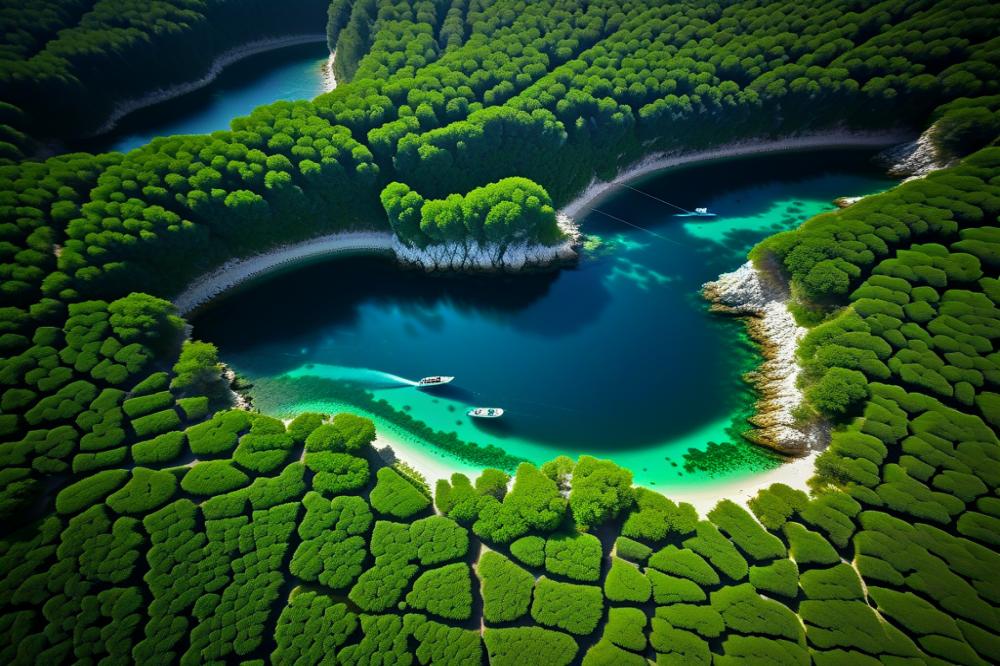
The Adriatic Sea is a treasure trove of underwater wonders. Popular activities like snorkeling and diving allow adventurers to experience its vibrant marine life. Snorkeling can be enjoyed in shallow waters, making it accessible for beginners. Those who choose to dive can explore deeper areas, revealing stunning coral reefs and unique rock formations.
Recommended locations for exploration
Croatia’s coastline offers several prime spots for exploration. The island of Vis is famous for its crystal-clear waters and rich biodiversity. Here, divers can encounter various fish species and colorful mollusks. The Blue Cave on Biševo Island is another must-see. This location’s shimmering blue light creates an enchanting scene. Exploring the Kornati National Park also provides visitors with a stunning array of marine habitats, from lush seagrass beds to dramatic cliffs.
Safety tips and guidelines for marine exploration
Safety should always be a priority during underwater adventures. First, check weather conditions before heading out. Strong currents can make snorkeling and diving challenging. It’s wise to stay in groups and keep an eye on each other. Using proper gear is essential for protection, especially for more advanced dives. When exploring marine environments, remember to respect wildlife and avoid touching or disturbing habitats. This way, the Adriatic’s unique conservation efforts can continue to thrive.
Conservation Efforts and Challenges
Current Conservation Initiatives
Many organizations are working hard to protect precious marine life and habitats. Programs focus on preserving seagrass meadows, which are vital nurseries for various fish species and other organisms. Local governments have established protected areas to safeguard coral reefs. These initiatives aim to sustain the delicate balance of biodiversity in the sea. Public awareness campaigns encourage activities like snorkeling and diving to observe this unique environment without causing harm.
Challenges Facing Marine Habitats and Species
Threats to marine ecosystems abound. Pollution from nearby industries affects water quality and harms mollusks and fish populations. Overfishing depletes stocks of popular fish species, disrupting their natural balance. Climate change leads to rising temperatures, which put coral reefs under stress. Additionally, habitat destruction from coastal development limits the space where marine life can thrive. These challenges require immediate attention to prevent further loss of biodiversity.
Importance of Sustainable Practices
Adopting sustainable practices is crucial for preserving the Adriatic Sea’s underwater wonders. Responsible fishing methods can help maintain fish populations while protecting other marine species. Tour operators can adopt eco-friendly approaches to support conservation efforts while providing tourists with exciting experiences. Education on the need to preserve marine habitats is vital. People can make a difference by actively participating in local clean-up events and supporting conservation projects. Long-term commitment to these practices will enhance the health of marine ecosystems for future generations.
Final Thoughts on Underwater Wonders
The flora and fauna in this stunning body of water play a significant role in maintaining biodiversity. They contribute to the health of marine ecosystems and support countless species. Through their intricate interactions, these organisms create a balanced environment where life thrives. Protecting such ecosystems is not just a responsibility but a necessity. Healthy marine life impacts not only the ocean but also coastal communities and economies reliant on fishing and tourism.
Conservation efforts are crucial. By promoting responsible exploration, we can positively impact these underwater habitats. Enjoying the beauty of the sea should not come at the cost of its health. Activities like snorkeling or diving ought to be conducted thoughtfully. Simple actions, such as not touching coral or disturbing wildlife, can make a real difference.
Reflecting on the Adriatic Sea’s wonders reveals its importance. The vibrant underwater world is a testament to nature’s creativity and resilience. Every coral, fish, and plant plays a part in a larger story of life. By appreciating and preserving this richness, we open ourselves to a deeper connection with nature. It’s our duty to protect these ecosystems for future generations. Each of us can contribute to ensuring that these natural treasures endure.

