

Introduction
Felines hold a special place in Italian culture. They are often seen as symbols of independence and mystery. Throughout history, these creatures have mixed freely with people, often becoming part of everyday life. Their presence enriches stories and traditions, making them significant in various cultural contexts. In Italian art, literature, and folklore, the image of the cat has endured, symbolizing both elegance and cleverness. This cultural backdrop sets the stage for their appearances in cinema.
The role of these animals extends into Italian films, where they serve as more than mere companions. Directors frequently use them to deepen cinematic themes or introduce complex ideas. Iconic Cats often embody traits that enrich narratives, providing insight into the characters they interact with. When analyzing the film landscape, one finds numerous representations that evoke different emotions. Pet characters often transform ordinary scenes into moments filled with meaning. Their presence impacts audience reception, allowing viewers to connect with deeper layers of storytelling.
Moreover, the use of animal motifs, especially involving Cats, offers a unique lens through which to view human behavior. In various films, the symbolism they carry speaks volumes about cultural significance and societal attitudes. Each appearance often leaves a mark on the overall message being conveyed. Influences from directors can be observed through recurring themes involving these animals. Clearly, the feline representation in cinema resonates with viewers, showcasing that even small characters can have an essential role in storytelling.
As we delve further into the cultural impact of cats in Italian Cinema, it becomes clear that these animals have a lasting influence. Their imagery, rooted deeply in tradition, paves the way for engaging storytelling. Balancing humor, emotion, and symbolism, they enrich cinematic experiences in surprising ways.
feline representation in Italian Films

Italian Cinema has a rich history of featuring various animal motifs. Among these, felines have played a significant role. They often personify complex emotions and ideas that resonate with viewers. Characters found in films are not just animals; they serve as deeply symbolic figures.
For instance, iconic cats appear in numerous classics. These furry characters can represent independence, mystery, or even danger. Each director brings their own vision, shaping how audiences interpret these pet characters. In films like “The Godfather,” a cat enhances the atmosphere, reflecting both comfort and underlying tension.
Diverse cinematic themes come alive through the inclusion of these animals. They can symbolize freedom, as seen in varying films that depict their solitary nature. In contrast, some representations highlight companionship, showing how these creatures connect with humanity. Icons of Italian culture, cats find themselves woven into plots that explore love, loss, and family dynamics.
Movie symbolism is evident in various narratives. For example, a cat crossing a character’s path can change the course of a story, hinting at fate or luck. Filmmakers use this imagery skillfully to evoke feelings of anxiety or joy. The emotional weight of these scenes often impacts audience reception profoundly.
Cultural significance cannot be understated. These animals reflect societal attitudes and beliefs. In many cases, the presence of a feline enriches the film’s narrative, adding layers to character development. Viewers often project their own perceptions onto these characters, creating a personal connection.
Examining the role of cats shows that their existence in Italian films carries much more than surface value. They are integral to storytelling, making themes resonate with audiences. As characters delve into human experiences, these representations contribute to the overall impact of Italian cinema.
Cinematic Themes and Symbolism
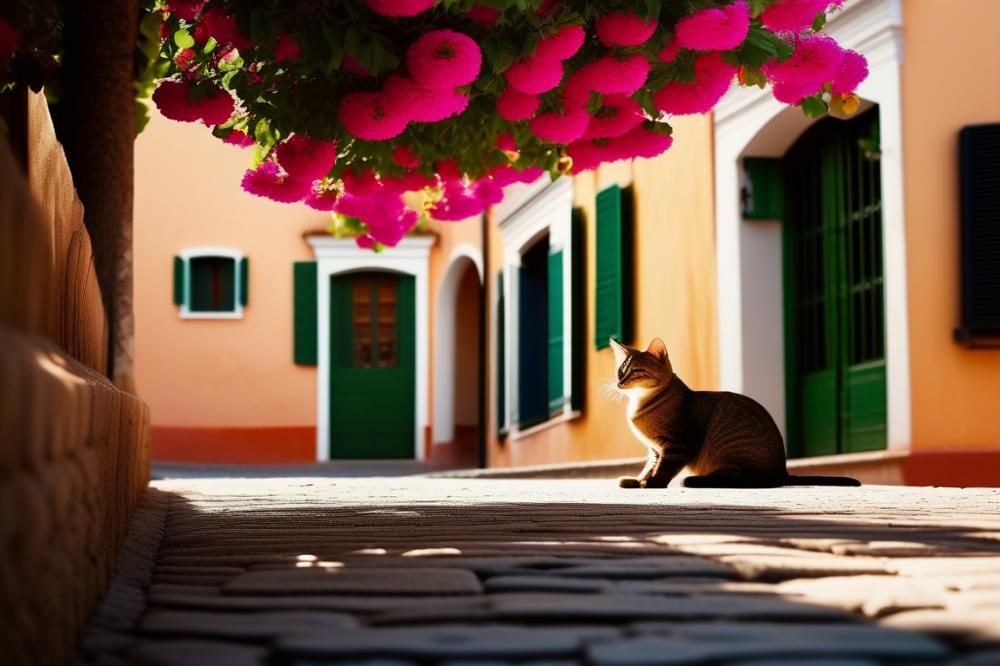
In Italian films, the presence of pet characters often transcends mere companionship. Feline representation serves as a powerful tool to convey deeper meanings. These creatures symbolize independence, mystery, and even playfulness within various narratives.
Many directors harness movie symbolism through the traits of these animals. A cat’s grace and agility can reflect a character’s own journey. In several instances, these motifs represent the balance between freedom and domesticity. Such themes resonate well with audiences, fostering a connection through shared experiences.
Common Themes Associated with Felines
Italian cinema frequently explores themes of conflict and resolution through its animal motifs. Characters may face dilemmas similar to the instincts seen in their furry counterparts. Additionally, trust and betrayal often mirror the complexity of these relationships. As a result, the audience finds themselves drawn into a deeper understanding of the plot.
Specific Examples of Feline Symbolism
Several iconic cats illustrate these themes beautifully. In the classic film “Il Gattopardo,” the cat serves as a metaphor for the fading aristocracy. This subtle symbolism enriches the narrative, adding layers of meaning to the characters’ struggles. Another example is in “La Feline,” where the titular character embodies duality and allure, pulling viewers into a world of emotional chaos.
Directors often utilize these motifs to challenge traditional storytelling norms. By weaving in animal characters, they enhance emotional depth and cultural significance. Audiences respond with intrigue, finding familiarity in these otherwise exotic representations. This exploration goes beyond simple entertainment, prompting reflection on personal experiences and societal roles.
In summary, cats fulfill essential narrative functions in Italian films. Their unique qualities prompt viewers to reflect on their own lives. By engaging with such cinematic themes, filmmakers create lasting impressions. These captivating companions truly highlight the beauty and complexity of storytelling.
Cultural Significance of Cats in Italy
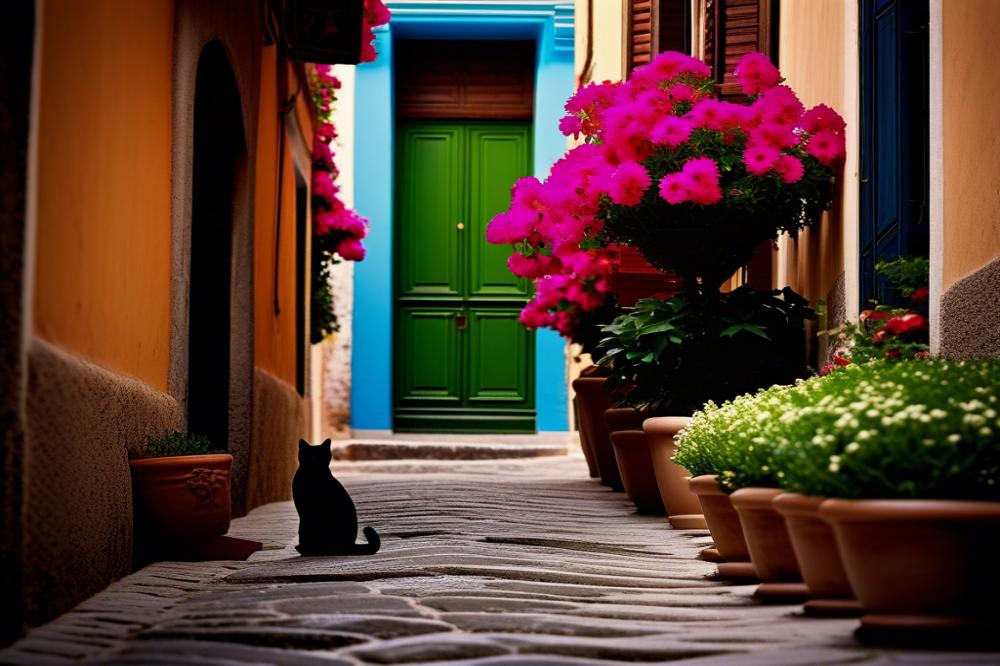
Throughout history, cats have held a special place in Italian culture and society. Ancient Romans revered them, seeing these animals as symbols of grace and mystery. They have long been associated with various myths and legends, woven into the very fabric of Italian life. This rich historical context sets the stage for their continued prominence in modern narratives.
Feline representation often emerges in Italian arts and literature. From poetry to paintings, many artists have captured the essence of these creatures. Famous works showcase how cats embody independence and elegance. As a result, their presence in folklore reflects deep cultural significance. Whether they appear as wise figures or as playful companions, they resonate with different generations.
Italian films frequently use iconic cats, adding layers to cinematic themes. Directors often incorporate these animals to symbolize complex emotions and relationships. Viewers come to expect that pet characters will bring a unique perspective to the story. This connection creates a bond, allowing moments of humor and introspection. The audience reception of these beloved creatures often varies but consistently showcases their influence in film and storytelling.
Moreover, animal motifs extend beyond just entertainment. They help to explore broader cultural themes, such as family dynamics, loneliness, and freedom. In several celebrated movies, the intricate portrayals of cats serve to enhance the narrative. Their unpredictable nature mirrors the complexities of human behavior, deepening the audience’s engagement. Directors recognize the subtle power these animals possess in transforming a simple story into something truly compelling.
In essence, cats are more than mere symbols. They embody a unique connection between tradition and modernity within Italian cinema. Their influence transcends the screen, provoking thought and evoking emotion. The fusion of culture, art, and storytelling creates a rich tapestry that showcases the undeniable impact of these animals in Italian film history.
Iconic Cats in Italian Cinema
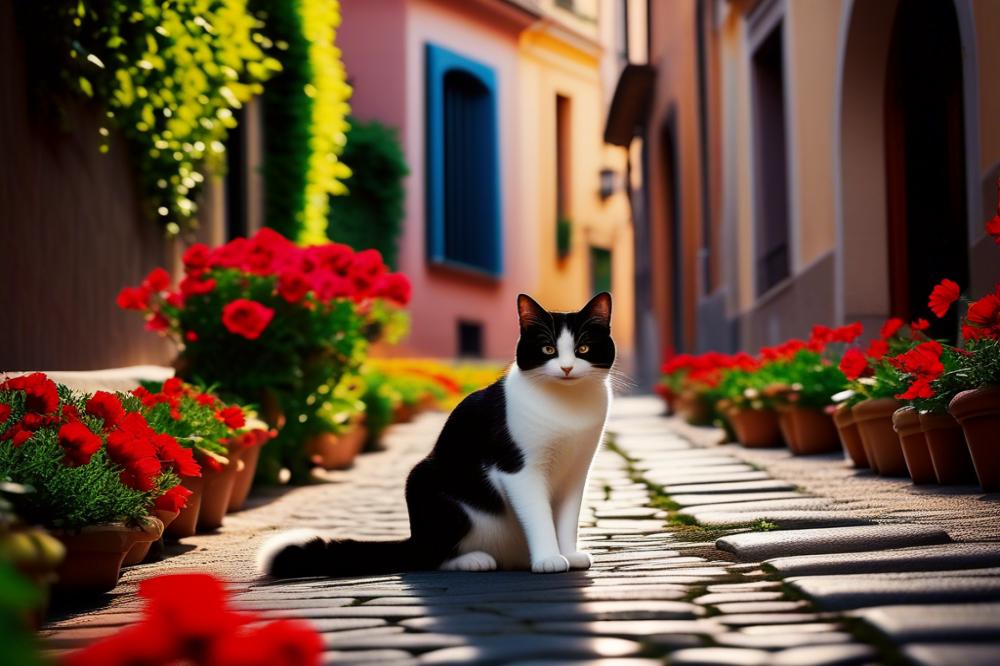
Italian films are rich with memorable pet characters that often go beyond mere background figures. These feline representations can be found in various genres, illustrating deep themes and engaging narratives. One example is the charming cat in La Dolce Vita, serving as a symbol of freedom and leisure in a bustling society. Audiences remember such moments, as they capture the essence of life in Italy.
Moreover, the importance of these animals extends into the realm of movie symbolism. In Fellini Satyricon, the presence of a cat enriches the story with layers of mystery and whimsy. This contributes significantly to the cinematic themes of absurdity and surrealism that characterize much of Fellini’s work. Viewers appreciate how these little creatures manage to encapsulate complex ideas in a simple form.
Pet characters often provide emotional grounding for the human leads. The bond between a character and an animal can highlight key moments of vulnerability or joy. For instance, in Il Postino, the loyal feline adds depth to the protagonist’s journey, reflecting his inner emotional state. This deep connection invites the audience to feel invested in the characters’ lives.
Cultural significance plays a crucial role as well. The portrayal of cats meticulously reflects Italian values such as independence and curiosity. Directors like Bertolucci and Antonioni utilize animal motifs to comment on the human condition. This interplay enriches the storytelling and invites viewers to ponder their own relationships.
Audience reception of these iconic cats reveals their lasting legacy. Viewers often delight in the antics and behaviors of these animals. Over time, these pet characters become memorable icons that continue to resonate with fans, long after the credits roll. In some cases, discussions around these figures lead to a renewed interest in Italian cinema.
Director Influences and Style
Italian filmmakers possess a deep appreciation for the presence of felines in storytelling. Many directors incorporate these animals as central symbols in their narratives. By using cat imagery, they enhance emotional depth and explore complex themes.
Consider the works of noted directors who have made cats a staple in their films. Iconic figures like Federico Fellini and Luchino Visconti understood the cultural significance of these pets. Their films often depict cats alongside human characters, enabling viewers to grasp broader meanings within the story.
Cinematic themes resonate when animal motifs appear authentically. Cats serve as metaphors for freedom, loneliness, and mystery within various plots. This adds layers to the narrative and invites audience interpretation.
Directors draw from personal experiences with animals to shape their artistic vision. A filmmaker who owns a cat may weave its traits into their characters. This personal connection often translates to more relatable and nuanced pet characters.
Audience reception often reflects the emotional impact of these unique representations. Viewers find themselves resonating with the feline figures, which spark various interpretations. The symbolism can evoke nostalgia or even inspire deeper reflections on life and relationships.
In the landscape of Italian cinema, the influence of these beloved companions remains undeniably powerful. They embody cultural values and enrich storytelling. As a result, cats stand as an enduring inspiration for filmmakers crafting unforgettable narratives.
Closing Thoughts on the Cultural Fabric of Italian Cinema
Italian cinema has undeniably embraced its furry companions, weaving them into the fabric of its storytelling. The cultural impact of these animals goes beyond mere appearances. They represent a blend of emotions, ideas, and attitudes that resonate with the audience. Iconic films, like those by Antonioni and Fellini, have featured these creatures to symbolize loneliness, love, and mystery. Through their presence, filmmakers explore complex themes that enrich the narrative.
The evolution of feline representation is evident. Over the years, filmmakers have shifted their portrayals from simple side characters to more integral parts of the plot. This change reflects broader societal attitudes towards animals and their roles in our lives. Viewers have begun to connect deeply with the layered meanings behind these animals. Audiences see something relatable in their behaviors, and this fosters a strong emotional bond.
Looking ahead, the implications for these animals in Italian film and culture seem promising. As filmmakers continue to experiment with new storytelling methods, the representation of our four-legged friends will likely evolve further. Filmmakers might explore fresh narratives that highlight the connection between humans and their pets. Incorporating movie symbolism related to companion animals can add depth to new storylines.
Ultimately, the role of these creatures in cinema serves as a mirror reflecting human emotions and experiences. As cinema continues to change, so will the portrayal of animals, ensuring they remain an essential part of the storytelling tradition. Italian filmmakers have a unique opportunity to infuse their stories with the charm and mystery that these animals bring, captivating future generations.

