

Introduction
Cats hold a significant place in Italian culture. These fascinating creatures have inspired many aspects of life, from everyday conversations to the hearts of artists and writers. In Italian literature, they often symbolize mystery, independence, and elegance. Poets have used feline symbolism to express both lighthearted themes and deeper emotions. Cats can reflect the various moods found in romantic poetry, leading to a unique exploration of human feelings through their lens.
Italian poetry plays an essential role in showcasing cultural themes. It often highlights the relationship between nature and humanity. When poets incorporate cats in sonnets, they tap into the rich tapestry of life that these animals represent. This adds depth to their verses, allowing readers to connect with the emotions expressed. The use of cat imagery also enhances the works’ charm and relatability, suggesting deeper insights into the human condition.
The purpose of this article is to delve into how cats have been represented in Italian literary works. It will explore the multifaceted nature of feline imagery across different periods and styles. By examining this topic, we hope to shed light on how animal representation in poetry mirrors cultural significance. It will also highlight the poetic inspiration that cats offer to various poets throughout history, reflecting their unique role in Italian literature. Understanding this relationship can enrich our appreciation of poetry and the world around us.
Italian poetry and Cats

Throughout the ages, cats have captured the imagination of poets in Italy. Their elegance and mysterious nature have made them a prominent theme in various literary works. feline symbolism plays a significant role in this rich tapestry of expression. When we explore cat imagery, we frequently discover layers of meaning intertwined with emotions and human experiences.
Exploration of Cats in Italian Poetry
Poets often view cats as symbols of independence. This perspective aligns with broader literary themes that emphasize freedom and solitude. In Italian literature, the feline figure is not merely an animal but a reflection of deeper human traits. Many verses depict them as companions, yet they remain distinctly autonomous. Such contrasts create a complex relationship between humans and these creatures.
Role of Cats in Classical Sonnets
Classical sonnets reveal a unique facet of cats in romantic poetry. Through structured lines, poets convey emotions and thoughts, often utilizing feline representation to express longing or affection. The mysterious nature of cats mirrors the intricate feelings humans experience in love. Their presence in sonnets evokes a sense of intimacy, adding a playful yet poignant layer to the text.
Historical Context of Feline Representation in Italian Literature
Historically, the depiction of animals reflects cultural significance and societal beliefs. Cats have long been celebrated in Italian culture, often associated with wisdom and allure. Renowned poets drew inspiration from the behaviors of these creatures, capturing both their charm and enigma. In various periods, they represented different aspects of life, from domesticity to the wildness of the external world.
It is essential to recognize that the portrayal of cats evolved over centuries. Earlier works may present them as mystical beings, while more contemporary pieces adopt a playful, affectionate tone. This evolution showcases the adaptability of animal representation in literature.
Poets like Petrarch and Leopardi infused their works with these delicate creatures. Their verses resonate with readers, inviting them to reflect on their own relationships with animals. This connection to cats deepens readers’ emotional engagement, reminding us of the bond shared between humans and their feline companions.
literary themes Involving Cats

Cats have long made their mark in Italian literature, inspiring poets with their graceful movements and mysterious aura. Common themes associated with felines often reflect deeper emotional currents. Authors capture feelings of longing, loneliness, and joy through cat imagery. Their presence frequently symbolizes independence, a quality that resonates deeply with human experiences.
Feline symbolism can mirror personal states of being. In romantic poetry, cats embody affection and companionship. A poet might depict a cat curling up on a lap, evoking warmth and comfort. Such moments connect readers to their own experiences of love and tenderness. The silent understanding between a person and a pet often shines through. This reflection uncovers the emotional layers within various relationships.
Interaction between felines and humans serves as a fascinating exploration in poetry. Many poets use cats to illustrate the complexities of companionship. In classical sonnets, the behavior of a cat can represent the duality of desire and detachment. The elegance of a feline’s movements can suggest a certain emotional intelligence. Readers find themselves drawn into a world where animals become vessels for human emotions.
More than simple pets, these creatures reflect our struggles and triumphs. Their roles in Italian literature open doors to understanding cultural significance. Each poem that features a cat weaves a narrative of connection and solitude. Through their intricate dance, cats symbolize the essence of what it means to be alive.
Notable Italian Poets and Their Cat Imagery

Many poets have employed feline symbolism throughout their careers. In exploring their work, we can see how cats serve as profound reflections of the human experience. Their presence often invokes strong emotions and cultural significance. Let’s delve into some notable poets who feature these enigmatic creatures.
Dante Alighieri
Dante is known primarily for his epic poem “Divine Comedy.” However, he subtly includes elements of nature and animals. Cats appear in literary themes as companions in the narrative. Their curious and aloof nature mirrors humanity’s own quest for understanding, making them a fitting symbol in his work.
Giovanni Boccaccio
Boccaccio’s writings reveal a more playful representation. In “The Decameron,” he uses cats to embody wit and cleverness. This links to romantic poetry where love is often depicted as mysterious. The feline character becomes a symbol for both affection and independence, capturing the essence of desire.
Catullus
In classical sonnets, Catullus shows deeper emotional connections through animal representation. His verses often intertwine love and loss. Cats, with their independent spirits, echo themes of longing and detachment found in love. This imagery adds layers to his poetic inspiration, making emotional connections relatable.
Contemporary Voices
Feline symbolism is not just for decoration; it resonates on a deeper level. Poets weave these creatures into their narratives, illustrating complex relationships. Through various lenses, cats take on roles that enrich the text’s meaning. The exploration of such themes reveals the profound place cats hold in Italian literature.
Romantic Poetry and Cats
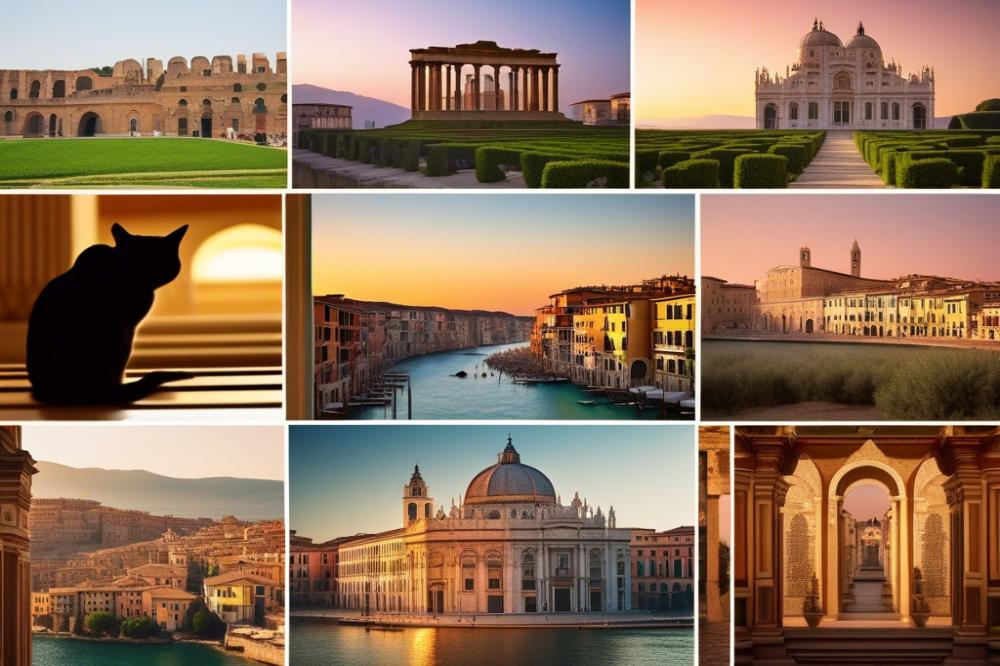
When exploring the world of romantic poetry, one can find fascinating connections between feline representation and the themes of love. Cats appear in various works as symbols of solitude and companionship. The way poets depict these animals often reflects deeper emotions. Italian literature showcases an enduring fascination with cats and their unique role in human life.
Specific literary themes resonate throughout many poems, highlighting how cats embody both affection and independence. These creatures captivate readers with their mysterious nature. In classical sonnets, the imagery of cats often mirrors the complexities of relationships. They become symbols of elusive love, offering comfort in times of loneliness.
For poets, cats serve as a source of poetic inspiration. Their graceful movements and enigmatic expressions invoke myriad feelings. One might consider the vibrant works of renowned poets who masterfully weave cat imagery into their verses. These representations bridge a connection between the poet’s inner world and the outside realm, emphasizing the cultural significance of animals in human experience.
Furthermore, the portrayal of feline symbolism hints at the deeper understanding of companionship. Many works reveal how cats can represent an affectionate yet unattainable love. In this way, they mirror the complexities faced in human interactions. When one thinks about the delicate space cats occupy, it becomes clear why they resonate with themes of longing and desire.
In summary, romantic poetry often utilizes the presence of cats to deepen emotional experiences. Their role in verses goes beyond mere decoration; it infuses the text with a profound understanding of loneliness, love, and companionship. Each poetic depiction invites readers into a realm where the presence of a feline illuminates the intertwined nature of relationships.
Cultural Significance of Cats in Italian Literature
Cats have long held a special place in the hearts and minds of poets. They often serve as powerful symbols in the world of Italian literature. Feline symbolism speaks to deeper ideas about independence and mystery. Through these enigmatic creatures, writers explore profound themes of love and longing.
Many poets find that cats reflect broader cultural values in Italian society. These animals are not just pets; they represent freedom and grace. In romantic poetry, the presence of a cat can evoke feelings that resonate emotionally with readers. The elegant movements of a cat often mirror the fluidity of human relationships, adding layers to the narrative.
Cat imagery appears often in classical sonnets, where it enhances both mood and meaning. Poets craft vivid pictures with their descriptions, captivating audiences. The significance of these animals goes beyond mere aesthetics. They become metaphors for loneliness, companionship, and even seduction. Such themes help shape the complexity of human experience.
The idea of animal representation in literature is essential. Cats embody traits that society admires and questions. By weaving feline imagery into their work, poets tap into a collective understanding. This speaks to not only individual feelings but also shared cultural experiences. The unpredictability of a cat captures the essence of life itself.
As readers delve into Italian literature, they encounter the inspiration that cats can provide. These creatures enhance the narrative by adding layers of depth. They urge the audience to reflect on their own lives. The interplay of cats and poetic themes illustrates a rich tradition of expression. In this way, a simple cat becomes a vessel for poignant ideas about love and existence.
Final Thoughts on Felines in Verses
Summary of Key Insights about Cats
In Italian poetry, cats serve as symbols of mystery and beauty. Many poets weave them into their work to convey feelings of independence or grace. The craft of using feline imagery allows for a multifaceted exploration of human nature. Notably, the presence of these creatures often hints at deeper emotions, such as longing and solitude. While some may view them merely as pets, poets see cats as embodiments of artistic inspiration.
Reflection on Feline Symbolism
Feline symbolism resonates through the ages. Cats have transcended mere representation to embody complex feelings. They can symbolize the delicate balance between freedom and affection. As a result, these animals resonate deeply within the human experience. Their roles in literature highlight the connection between humans and the natural world. Through the lens of poetic expression, cats invite readers to reflect on their own lives.
Future Perspectives on the Portrayal of Cats in Literature
Looking ahead, the portrayal of cats in literature will likely evolve. New generations of writers may draw from modern experiences while keeping the traditional essence intact. Feline themes may intersect with various literary themes, embracing contemporary issues. In a world where animals hold significant cultural weight, cats might take on even richer meanings. As we continue to explore their place in narratives, the connection between humans and these creatures remains vital. Expect to see fresh interpretations and poignant reflections in future works.

