
Introduction
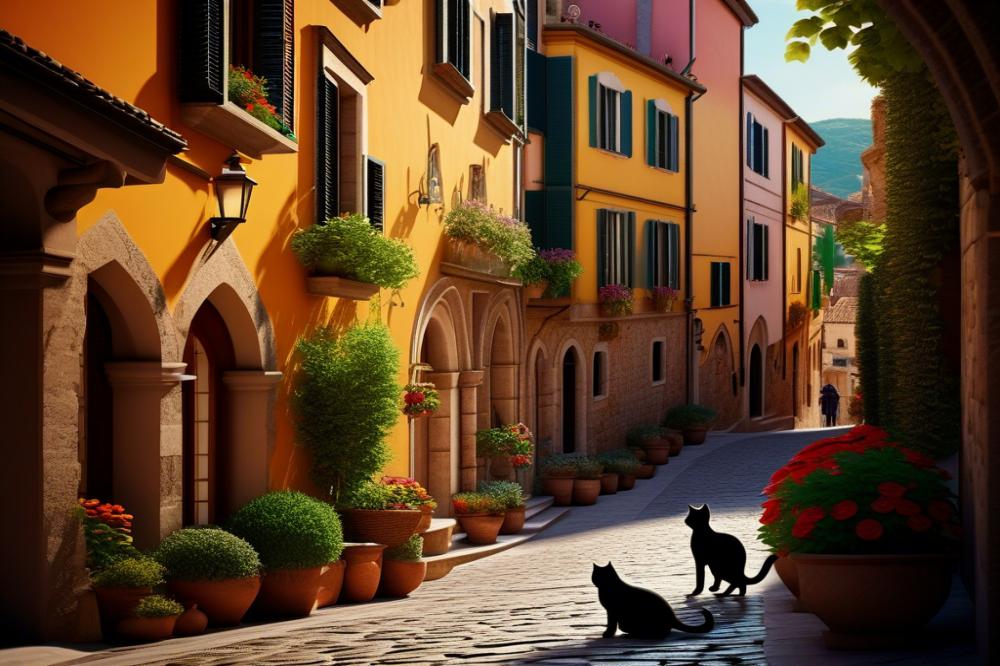
cats have played a fascinating role in Italian culture throughout history. These creatures, often found lounging in the sun or prowling through alleyways, were more than mere pets. They served important functions in urban life, especially during the medieval period. Their presence in towns was both practical and symbolic, reflecting the society of that time.
During the medieval era, Italian towns faced many challenges. Urban life was bustling, yet rife with problems like pests that threatened food supplies. The need for effective pest control naturally led to a reliance on felines. These animals helped maintain cleanliness and hygiene, acting as silent guardians of households and marketplaces.
Beyond their utilitarian roles, cats were woven into the fabric of local folklore and art. They found themselves celebrated in stories and depicted in various artistic forms. Craftsmanship flourished as artisans created sculptures and paintings that highlighted the bond between people and these animals. Additionally, trade within these towns often included items crafted with feline motifs, enriching the cultural landscape.
Understanding the historical context of these creatures offers more than mere facts. Their significance stretches into areas such as architecture and society itself. Many homes even featured spaces designed with cats in mind, showcasing the acceptance of such animals in daily life. Furthermore, they embodied animal symbolism that resonated with human emotions and beliefs.
Studying the history of cats in Italian medieval towns uncovers layers of meaning and importance. These animals were not just bystanders; they were integral to the urban experience. Their impact on society, art, and livelihoods paints a vivid picture of a unique relationship that deserves attention and appreciation.
The Role of Cats in Society
Cats as Companions and Protectors
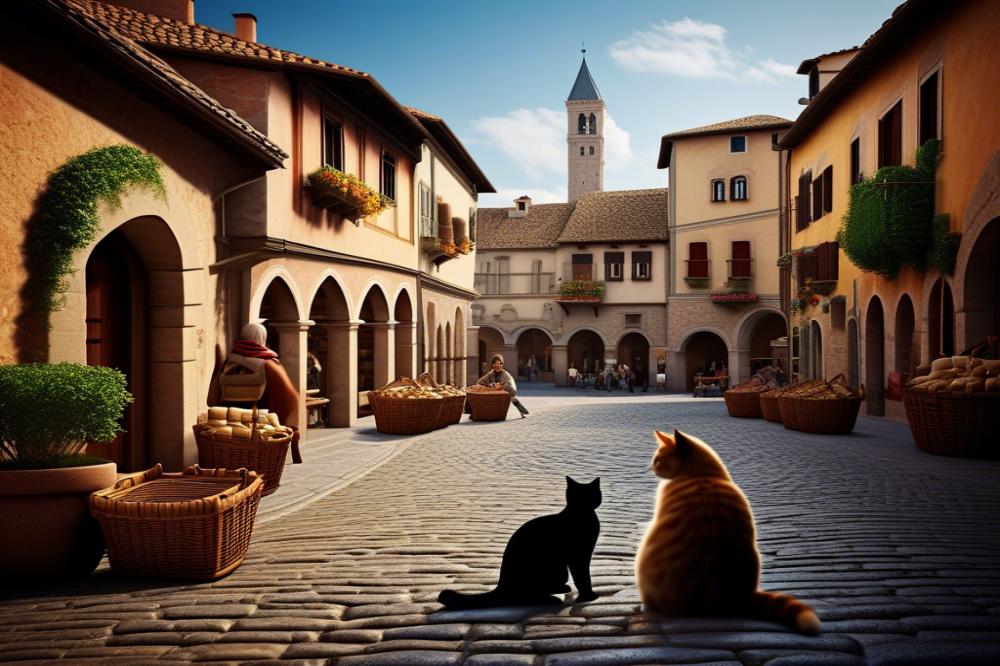
Felines served as companions in medieval Italian towns. Many households welcomed these animals for their affectionate nature. People enjoyed their presence as they offered comfort during hard times. Beyond companionship, they played an essential role in pest control. Rodents threatened food supplies, especially in bustling urban life. By hunting these pests, they safeguarded homes and granaries.
Cultural Significance of Cats in Households
In daily life, these creatures became symbols within family structures. They often appeared in local folklore, highlighting their importance. Stories about cunning or mysterious cats circulated among townsfolk. When it came to craftsmanship and art, these animals inspired various creators. Murals and paintings showcased their elegance and playful demeanor. Architecture also reflected this connection, as many homes featured niches for them.
The Relationship Between Cats and Human Society
Interactions between humans and these animals shaped mutual respect over the years. They became part of a household’s identity, representing warmth and security. As time passed, society recognized their value beyond mere function. Symbolism in literature depicted them as protectors of the home. Trade routes even spread these perceptions across different regions. In various communities, they held revered positions, demonstrating the depth of their relationship with people.
Cats in Medieval Architecture
Incorporation of Cats in Town Design
Medieval towns were not just places to live; they were also spaces filled with various influences. Often, urban life took shape around practical needs. Craftsmanship played a key role in creating homes and public areas. Buildings included features for pest control, making them functional as well as eye-catching. Town designs sometimes reflected harmony between nature and people. This relationship opened doors for incorporating animals into the very fabric of architecture. Structures like cat houses or dedicated alcoves for these creatures found their way into town layouts. Such elements showcased the residents’ affection for their furry companions and their significant role.
The Presence of Felines in Homes and Public Spaces
Felines were common sights in many households. People relied on them for pest control, especially in grain stores. These small animals were well-loved and respected, often seen lounging in market squares or even in churches. Their presence linked together personal and communal spaces. Markets bustled with life, and cats became part of the daily scene. Their relationship with society was both practical and emotional. In homes, they offered companionship to families and protection of valuables. In public spaces, they served as guardians of food and trade items. Their impact on urban life was widespread.
Symbolism of Cats in Architectural Motifs
Animal symbolism thrived during the medieval era. Cats held a special place in various artistic expressions. Often depicted in motifs on buildings, they represented mystery and independence. Artists integrated these creatures into sculptures, frescoes, and carvings. Such decorations highlighted the blend of art and everyday life. The feline presence in architecture symbolized not just pest control but also spiritual connections. In folklore, cats were seen as protectors against evil spirits. Through this lens, their representations in architectural designs told stories beyond mere aesthetics. They reflected a deeper understanding of life’s balance and the roles we share with nature.
Folklore and Symbolism of Cats
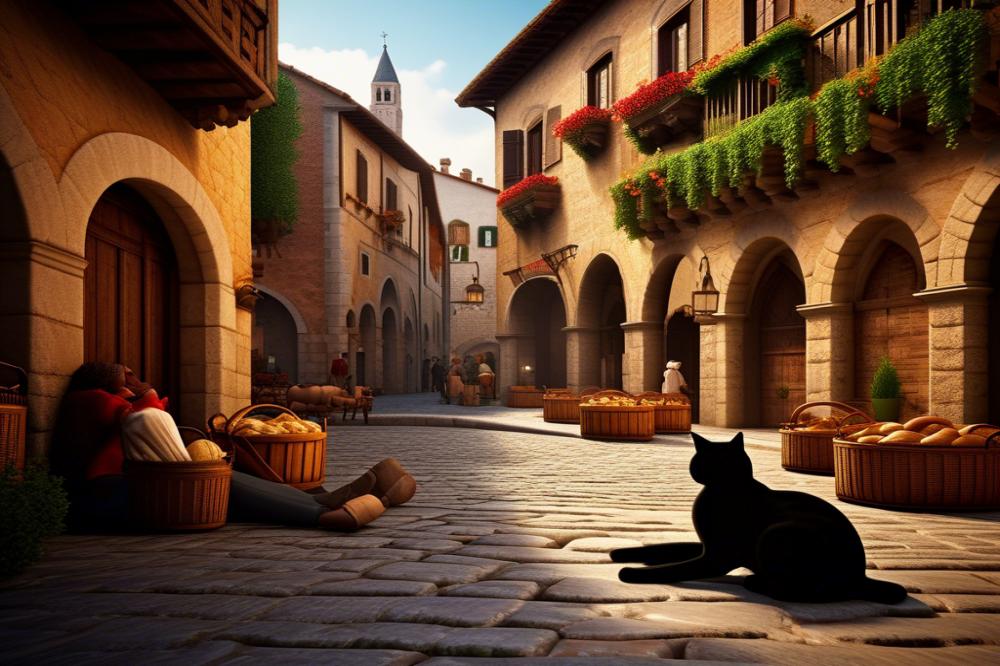
Throughout history, various myths and legends have emerged in Italy regarding these intriguing creatures. One popular tale involves the idea that they possessed protective qualities, guarding homes from misfortune. Many believed that black cats, in particular, could ward off evil spirits. This perception was widespread among the people in medieval towns, where urban life was fraught with fears and uncertainties. Such stories were often shared among families in the warmth of their homes, creating a layer of cultural richness that reflected the fears and hopes of society.
Symbolism played a crucial role in how these creatures were viewed during medieval times. In works of art and various architectural designs, they often appeared as representations of mystery and stealth. Craftsmanship reflected this admiration through the portrayal of felines in sculptures and frescoes. Many artists used their likeness to symbolize independence and grace, qualities that admired during that period. These representations contributed to a deeper understanding of the role that these animals played in daily life and trade.
However, the perception could be quite dualistic. While some held these creatures in high esteem, others harshly associated them with witchcraft and evil omens. This divide created a complex tapestry of beliefs that linked folklore with societal norms. Fear sometimes outweighed affection, leading to unjust treatment of these animals. Society’s views often shifted based on economic conditions, with pest control practices becoming a necessity in cramped medieval towns. Such a backdrop influenced how various communities interacted with them, establishing an intricate connection between humans and wildlife.
In essence, Italy’s medieval towns were rich with stories that shaped the beliefs around these animals. Urban life contributed to this dynamic, as people navigated their environment filled with superstition and admiration. As commerce flourished, craftsmanship evolved, leading to the incorporation of animal symbolism in everyday life. In many ways, these interactions provided a glimpse into the contrasting feelings of fear and reverence that evolved over time.
Cats and Urban Life
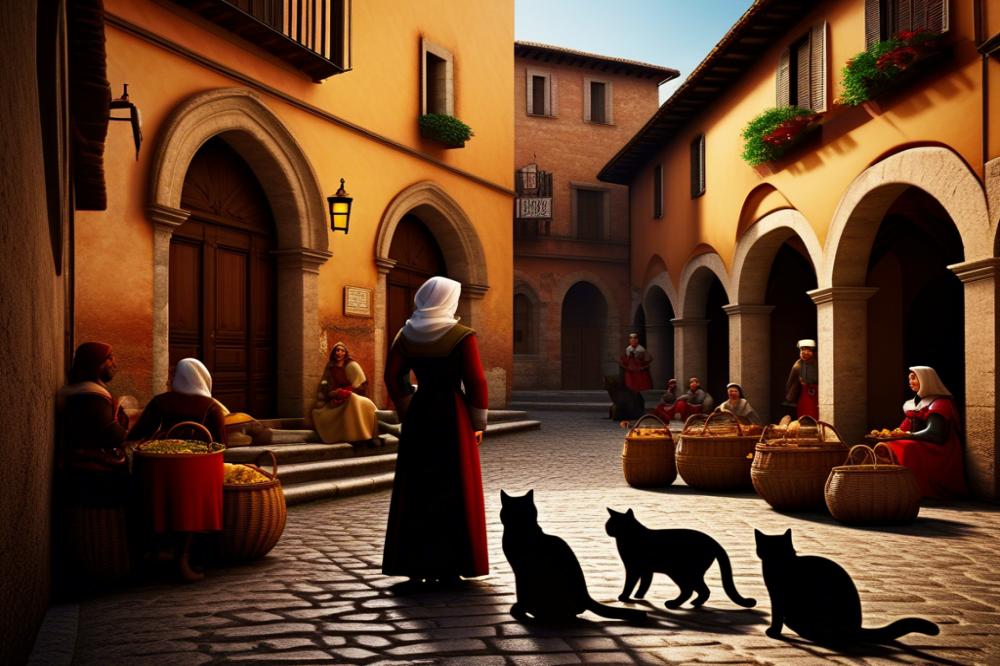
Urban life in medieval Italy was bustling and complex. Cities were often crowded, full of trade, and alive with craftsmanship. Unfortunately, this meant they also faced serious pest problems. Rodents and other vermin thrived in the nooks and crannies of these towns, especially near marketplaces and food storage areas. Keeping these pests under control was essential for maintaining a healthy environment.
Responsibility for pest control fell not only on the townspeople but also on their animal companions. Felines played a crucial role in this task. They navigated the alleys and streets with agility, making quick work of any rodents they encountered. Their presence was vital in minimizing the threat that pests posed to public health. Without them, diseases could spread easily through contaminated food supplies, endangering entire communities.
The Role of Cats in Maintaining Public Health
At the heart of urban life, these creatures became essential to the well-being of society. They offered an effective method for keeping living spaces clean and safe. By reducing the rodent population, they helped protect food supplies from contamination. This relationship between felines and humans was mutually beneficial.
Moreover, the connection between cats and public health extended beyond pest control. In various folklore, they were seen as protectors of homes and guardians against evil spirits. Their presence brought comfort to families and an emotional connection to daily life. This symbolic role added layers to their importance in urban communities.
Cats as Part of Daily Life and Urban Culture
Cats were more than just a means to an end; they became a part of urban culture. Architectural designs sometimes reflected their status in society. Homes often included small niches for felines, showing their acceptance as family members. In art, these animals frequently appeared in paintings and sculptures, symbolizing comfort and domesticity. They danced across canvases, immortalizing their charming presence in the tapestry of medieval life.
Trade also benefited from the presence of these animals. Merchants appreciated the role of cats in preventing losses due to rodent activity. Their value was understood, leading to a gradual integration of these creatures into daily routines. As people shared their lives with these animals, the bond strengthened, turning them into cherished companions.
Cats in Art and Craftsmanship
The history of our furry friends is rich and woven through various art forms in medieval Italy. Artists often represented these creatures, showcasing their importance to urban life. They were sometimes depicted in frescoes, tapestries, and illuminated manuscripts. Each image hints at the relationship between humans and animals.
Representation of Cats in Medieval Art Forms
Art from this period frequently portrayed cats alongside people. These depictions served not only as decoration but also as a reminder of the animal’s role in society. Cats were valued for their pest control abilities, a fact that artists captured beautifully. In many cases, they symbolized independence or mysterious femininity in folklore.
Craftsmanship Related to Cats
Pottery and textiles displayed motifs inspired by these creatures. Artisans incorporated feline figures into their designs, demonstrating the popularity of these animals. Craftwork reflected daily life and was often connected to trade networks. Decorated items adorned homes, further emphasizing the bond between society and their surroundings.
Influence of Cats on Artistic Expressions
Beyond mere decoration, these creatures influenced architectural elements as well. Cat motifs could be found in carvings and sculptures on buildings. Their presence served as a symbol of fertility, luck, and domestic harmony. Such representations enriched the cultural landscape, allowing art to convey deeper meanings.
In conclusion, the intricate relationship between these animals and the people of medieval towns shaped both art and craftsmanship. They provided inspiration that reached beyond the canvas or pottery, impacting the very fabric of society.
Trade and Economic Importance of Cats
Cats as Part of Trade in Urban Centers
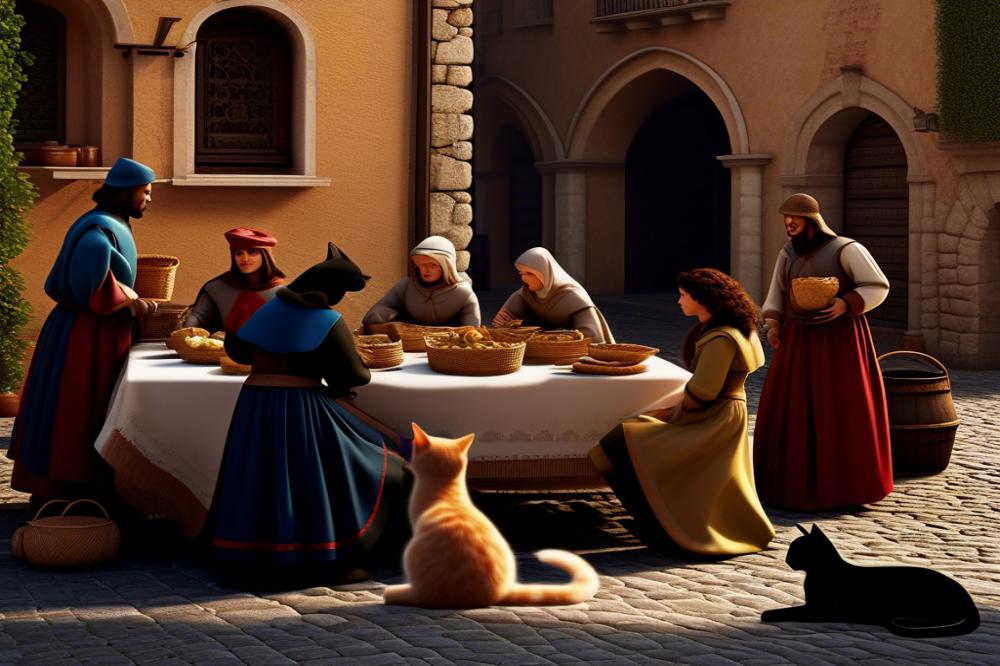
Trade flourished in medieval Italian towns, and animals played a significant role in this economic system. Cats were often seen in marketplaces, where merchants could rely on them for keeping stalls free of rodents. Towns that had a healthy population of these animals became known for their cleanliness and efficiency. This situation led to greater trade success and drew more visitors. Cities such as Florence and Venice experienced bustling commerce partly due to their ability to manage pests and maintain a pleasant atmosphere. In a society that valued craftsmanship and artistry, the presence of cats symbolized a well-ordered and appealing environment.
Economic Implications of Cats in Controlling Pests
Pest control directly influenced economic productivity in urban life. During the Middle Ages, grain and food storage were major concerns. Rodents could destroy supplies, leading to famine or loss of income for merchants. Here, the role of cats became indispensable. Their hunting skills helped secure food supplies and protect investments. This pest control method was not just effective, but also cost-efficient. Unlike traps or poisons, living animals provided a sustainable solution. Towns that recognized this knowledge were better positioned to thrive.
Cats in Rural Versus Urban Economic Contexts
The rural environment painted a different picture. In the countryside, farmers had livestock to protect and fields to maintain. Their relationship with these animals was more about companionship and utility. However, urban areas experienced unique dynamics. Cats complemented the lives of artisans and shopkeepers. While farmers relied on them for safeguarding crops, townspeople depended on them for daily business vitality. Architecture in cities showcased homes designed for both people and animals. These cozy arrangements highlighted their integral role in society. Art often reflected this bond, where cats appeared in paintings and folklore, reinforcing their importance across various settings.
Wrapping Up the Story
Throughout the history of Italian medieval towns, felines held an important role. They were not just companions; they served practical purposes. These animals helped control pests and, in turn, contributed to a healthier environment. Townsfolk appreciated their presence, often associating them with good fortune and protection from evil spirits.
The impact of these beloved creatures lingers in the culture of Italy today. Folklore featuring them introduces children to lessons about life and resilience. Art and literature from that era often depicted them as symbols of independence and mystery. Citizens still celebrate their legacy in modern society, reflecting a bond that’s hard to forget.
When considering the relationship between people and these animals, one can see a pattern. Mutual respect grew over centuries. This connection highlighted the balance between human needs and nature. Cats often mirrored the very spirit of the towns, embodying charm, grace, and survival instincts.
In summary, the presence of these companions profoundly shaped life in Italian medieval towns. Their significance can still be felt today in various forms. Appreciating this history allows for a deeper understanding of how animals weave into the fabric of human life. With every purr and playful leap, we are reminded of the enduring ties between society and the world around us.

