
Introduction
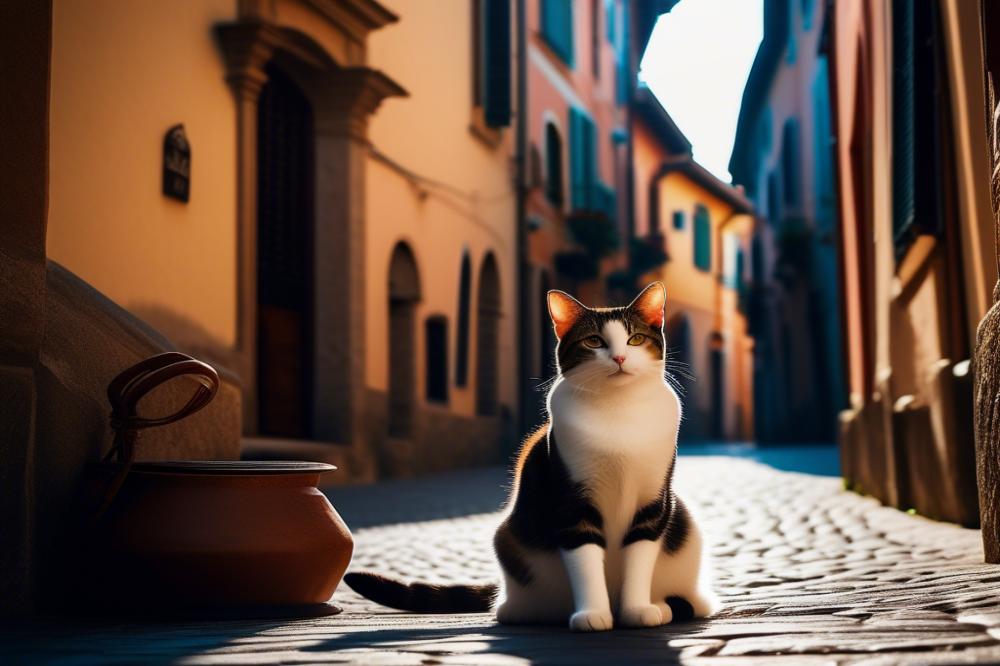
Throughout Italy, cats have woven themselves into the very fabric of daily life. Their presence signifies more than a mere pet; it represents a lineage of cat culture that stretches back through the ages. feline companions are often seen lounging on sunlit cobblestones, integrating seamlessly with the bustling energy of Italian neighborhoods.
Stray cats, in particular, hold a special place in the hearts of locals. Residents often foster a bond with these animals, seeing them as part of the community and deserving of care and protection. Many homeowners take it upon themselves to practice stray cat care, providing food and shelter. This goodwill reflects deeper values within Italian society, emphasizing animal welfare and compassion.
Urban wildlife thrives in historic cities, forming a unique relationship with the architectural beauty that surrounds them. The aged buildings and vibrant plazas create an inviting atmosphere for these creatures. Local legends even suggest that cats bring good fortune, further embedding them in the culture.
As one wanders through the enchanting streets of cities like Rome, Florence, or Venice, it’s hard not to notice the cat sanctuaries tucked away in corners. These havens ensure that the needs of stray felines are met while offering a glimpse into the multifaceted role of animals in human life. Here, the connection between Italians and stray cats seems almost inseparable, highlighting their cultural significance and setting a gentle tone amid the hustle of city life.
Italians and stray cats
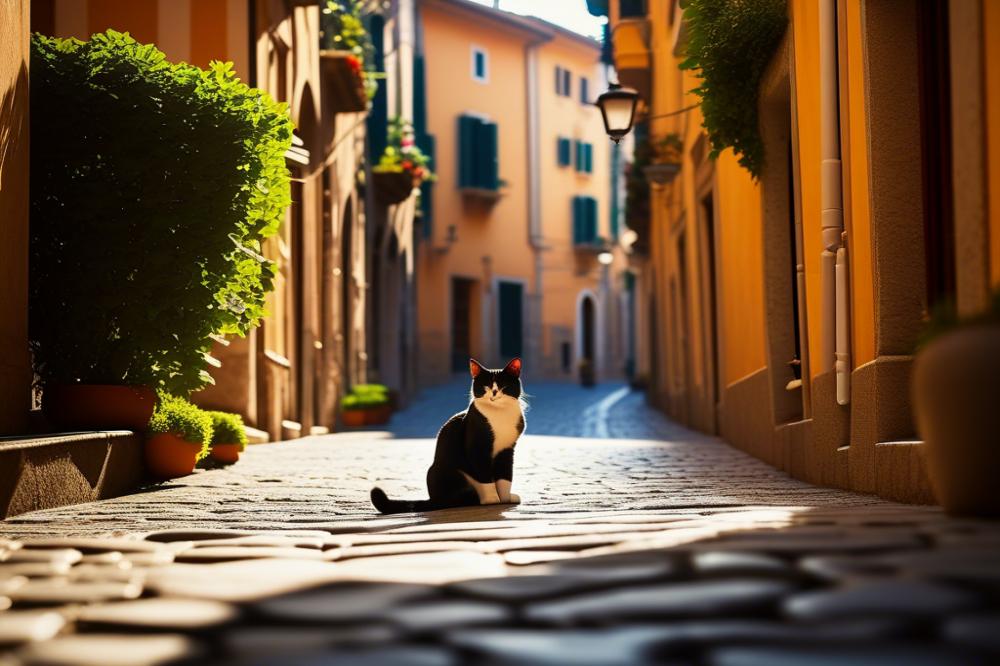
In many historic cities across Italy, a special bond exists between locals and the stray cats that roam their streets. These feline companions contribute significantly to the vibrant culture found in Italian neighborhoods. Stray cats are not merely animals; they are part of the community fabric. Many people view them as symbols of resilience and independence, qualities that echo the essence of Italian life.
Stray cats often become beloved figures in urban wildlife. They can be spotted lounging on sun-drenched steps or perched atop ancient city architecture. Some residents even go out of their way to provide food and shelter for these animals. This simple act fosters a sense of responsibility among locals. Many Italian neighborhoods take pride in their cat culture, showcasing how deeply intertwined these creatures are with daily life.
Local legends often surround these cats, adding to their intrigue. Some historic towns have stories about cats that bring good luck or those that protect their homes from misfortune. Cat sanctuaries play a vital role too, serving as safe havens where many strays are cared for. Volunteers dedicate their time, striving to improve the quality of life for these animals, balancing care with the needs of their communities.
Each day, locals witness the playful antics of these cats. In cafés or shops, their presence brings joy and comfort, creating a familiar atmosphere. Residents frequently exchange smiles over furry visitors exploring their surroundings. This companionship highlights not only a love for animals but also a connection between people from all walks of life. Animal welfare advocates work hard to promote initiatives aimed at sheltering and protecting these beloved strays.
The cultural significance of stray cats runs deep in Italian traditions. They symbolize a softer side of urban life, juxtaposing the bustling streets filled with locals and tourists. While some may see them as nuisances, many recognize their rightful place as part of the historic narrative. Care for strays often becomes a shared honor in communities, reinforcing the idea that everyone is responsible for their well-being.
Cat Culture in Italy
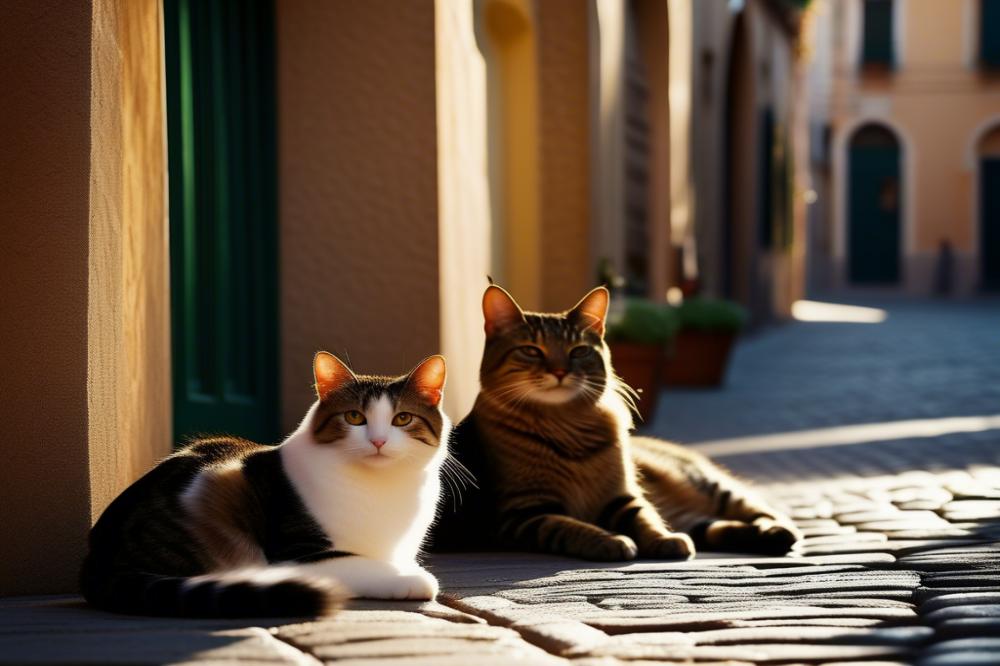
The connection between cats and Italians runs deep throughout history. Cats have featured prominently in Italian folklore, often depicted as symbols of mystery and independence. Many local legends celebrate the feline companions that roam the bustling streets, harmonizing with the rhythm of urban life. These stories enhance the cultural significance of cats in Italian neighborhoods, linking them to city architecture and the rich tapestry of daily life.
In terms of cultural practices, there is a strong tradition of caring for stray cats. Cat sanctuaries exist in many cities, offering shelter and protection for these animals. Citizens often come together to support stray cat care through food donations and shelter building projects. Community involvement reflects a broader appreciation for animal welfare, demonstrating a collective responsibility toward these furry residents.
Moreover, cats play a role in local traditions and festivities. Annual events often include celebrations dedicated to feline friends, showcasing their importance in everyday life. Parades might feature themed floats honoring cats, while local markets sell cat-themed crafts. Such events encourage connections among residents and create a sense of community bonding over shared love for these creatures.
Stray cats are not merely seen as urban wildlife; they are woven into the fabric of social life in Italy. Their presence brings joy and comfort, enriching the experience of living in these historic cities. As people go about their daily routines, the sight of a wandering cat can evoke smiles and spark conversations. This simple interaction highlights the charm that these animals bring to the vibrant streets filled with history and culture.
Stray Cats and Urban Environment
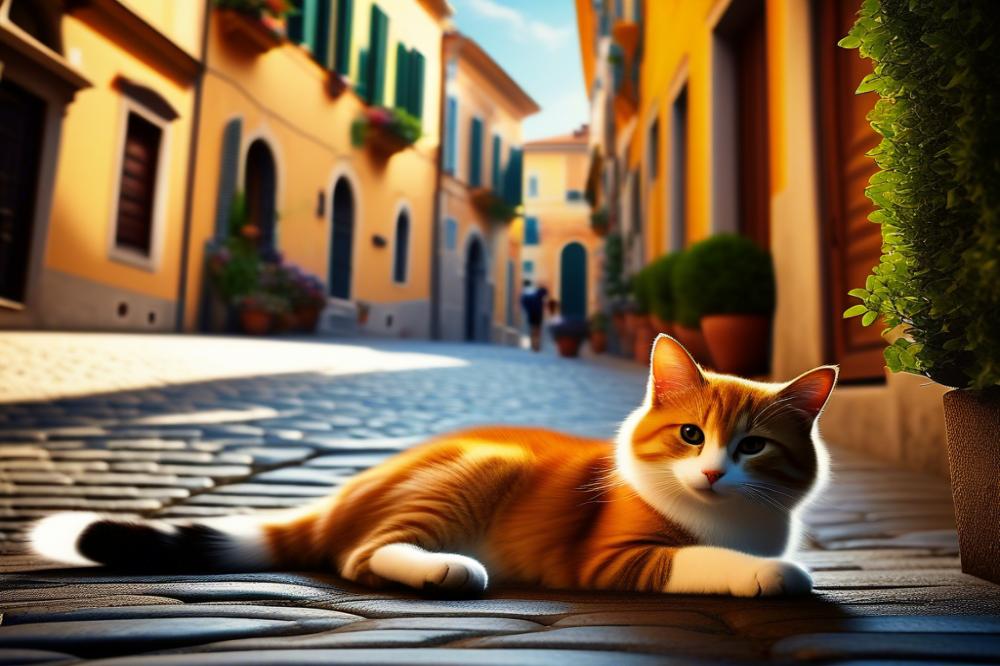
Interactions between stray cats and city architecture are often visible throughout Italy’s historic cities. Cats roam freely in narrow alleys, among ancient buildings, and around outdoor cafés. The architectural features, like archways and courtyards, create perfect hiding spots for these feline companions. Their presence adds a layer of life to cityscapes, where tourists and locals alike enjoy watching these agile creatures navigate their surroundings.
Italian neighborhoods have played a significant role in supporting stray cat populations. Community members often take it upon themselves to provide care. Feeding stations and makeshift shelters are common sights. Local legends speak of cats bringing good luck, further fostering an environment where their well-being is prioritized. Cat sanctuaries also emerge from these supportive networks, giving stray cats a place to thrive.
Urban wildlife, including these cats, influences city dynamics in many ways. Their presence interacts with both human activities and the environment. For instance, stray cats often help control rodent populations, inadvertently serving as a form of pest control. Communities rally around animal welfare initiatives to promote responsible care and management, emphasizing the significance of humane practices. This relationship fosters a unique blend of nature and city life that enhances the cultural significance of urban spaces.
Cat Sanctuaries and Welfare Programs
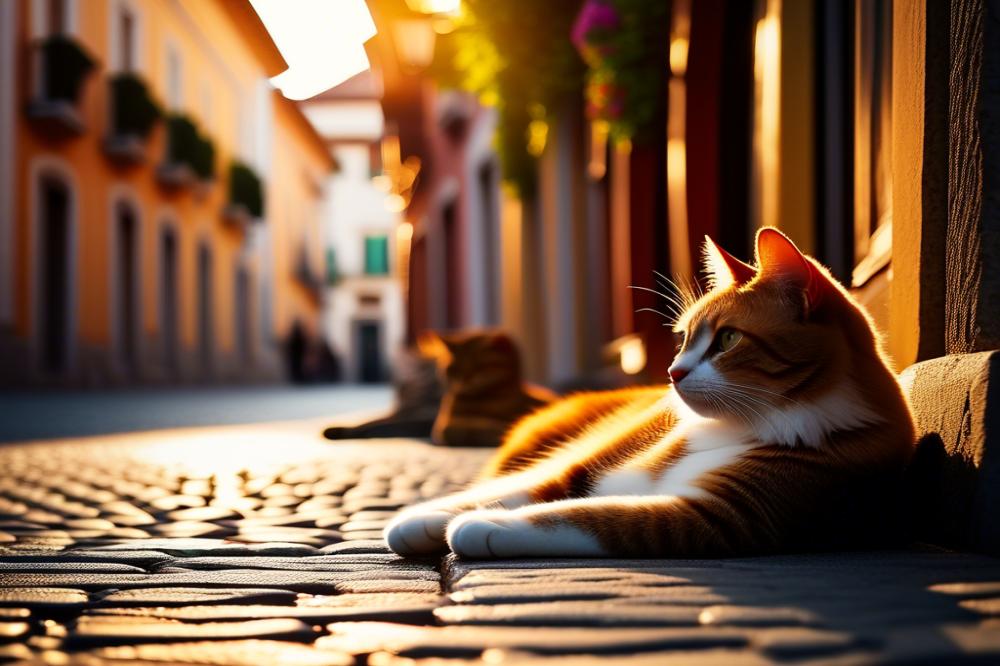
Across Italy, cat sanctuaries play an essential role in protecting stray felines. These safe havens provide food, shelter, and medical attention to countless orphaned and homeless cats. In historic cities, where narrow alleys and grand architecture coexist, cats often roam freely. Many locals view these animals as part of the urban wildlife. Their presence enriches the cultural fabric of Italian neighborhoods.
Numerous organizations dedicate themselves to animal welfare, focusing their efforts on stray cat care. Volunteers spend countless hours feeding cats, ensuring they receive proper veterinary care, and organizing adoption events. The community often rallies to support these initiatives, showing the strong bond between the residents and their feline companions. Local legends sometimes even tell stories about these street cats, adding to their charm and cultural significance.
Notable programs have emerged that promote effective management of these stray populations. One such effort is a trap-neuter-return (TNR) program. This method involves trapping the cats, sterilizing them, and then returning them to their original location. It helps control the population while allowing the cats to continue living in the environment they know. Many cities have adopted this approach, recognizing it as a humane way to manage stray cat populations.
In addition to TNR, educational campaigns raise awareness about responsible pet ownership. They encourage people to adopt rather than buy pets. The goal is to decrease the number of strays through spaying and neutering programs. These educational efforts emphasize the importance of caring for pets and the benefits of adoption, contributing to a culture of compassion in the community.
As a result of these initiatives, cat sanctuaries are not just shelters. They also serve as community centers, where locals gather to meet the cats and each other. Events such as cat fairs and fundraisers bring people together, fostering love for these animals. In historic cities, the harmonious coexistence of residents and feline friends continues to shape both cat culture and the urban landscape.
Local Legends and Myths
Throughout Italy, cats carry a weight of stories and myths. The presence of these agile feline companions in city streets inspires many local legends. Some believe that encountering a black cat brings good luck, especially in charming Italian neighborhoods. Others hold that their wandering nature is a sign of independence and resilience.
In various regions, cats symbolize different things. For instance, in Sicily, they are often seen as protectors against evil spirits. Many locals feel a strong connection to these creatures, viewing them as essential guardians of home and hearth. This deep connection leads to a practice of cat care that goes beyond mere feeding. Stray cat care becomes rooted in respect and admiration.
Folklore reveals interesting tales about the guardianship of stray cats. Often, older residents share stories of how these animals help control urban wildlife, including rats and mice. Such tasks have made cats invaluable companions to the people living in historical areas. The legends add an enchanted layer to city architecture, weaving through narrow alleyways and sunlit piazzas.
Moreover, local legends often celebrate the feline’s ability to navigate through chaos. Some say that the spirit of a beloved pet can live on as a stray, watching over its family. Cat culture in Italy includes various rituals and beliefs tied to these animals. Celebrating their lives and spirits fosters community bonds as neighbors care for these wandering souls.
In addition, cat sanctuaries can be found sprinkled across Italy. These havens provide shelter and love for stray cats, reinforcing their cultural significance. Many residents actively participate in animal welfare efforts, ensuring that each feline receives attention and care. The story of stray cats is closely linked to the heart of Italian society.
Final Thoughts on a Cherished Bond
There exists a profound relationship between Italians and their feline companions. This connection is not merely about cohabitation; it encompasses a rich tapestry of culture, history, and a shared appreciation for life. Stray cats have found a home amid ancient ruins, bustling piazzas, and quiet alleyways. They are more than just animals; they symbolize resilience and adaptability in an ever-changing urban landscape.
The significance of this bond stretches beyond just companionship. In historic cities, these creatures become part of the community. They are often seen basking in the sun, weaving through outdoor cafés, and adding life to the streets. Observing their daily routines offers insight into a unique aspect of cat culture that celebrates freedom and togetherness. Locals often leave food and water for these wandering souls, demonstrating a commitment to their well-being.
It’s essential to reflect on the realities of stray cat populations. Urban environments can pose significant challenges to their safety and health. Advocating for feline welfare is crucial. Supporting local shelters or participating in community initiatives can lead to a brighter future for these animals. By engaging in responsible care practices, society can feel pride in its ability to nurture these creatures.
Ultimately, appreciating the existence of stray cats enriches urban lives. They remind us of the bonds we share with all living beings. Let’s celebrate this connection and work towards creating spaces where both humans and these independent souls can thrive. Everyone has a role in promoting welfare for these furry residents. Embrace the charm they bring to historic cities and consider how each individual can contribute to their well-being.

