

Significance of Cats in Italian Culture
Cats hold a special place in many Italian households. These charming animals are more than just pets; they symbolize comfort and companionship. In Italy, feline companionship is embedded deeply within family life. People view these animals as part of their families, sharing both space and affection. Cultural traditions have long celebrated the bond between humans and cats.
Most households have their routines intertwined with their furry friends. From enjoying a leisurely afternoon together to sharing meals, the presence of a cat contributes to the warmth of the home. Pet care practices vary, but the love for these animals remains constant. With growing interest in adopting pets, many Italians seek a cat to enhance their family dynamics.
Understanding cat behavior plays a crucial role in nurturing that bond. This awareness allows owners to appreciate their pets’ needs and habits. Beyond individual homes, animal welfare and cat adoption initiatives are gaining traction. Gardening, cooking, or simply watching the sunset are all activities enriched by the company of a cat.
In Italy, the act of welcoming a cat into a household represents more than a desire for a pet. It embodies a commitment to sharing life together—where laughter and companionship flourish. These beloved household pets continuously influence the cultural fabric of Italian society, leaving a lasting impact on family relationships.
Italian cats as Family Members

In Italy, cats are not merely pets; they are cherished family members. These furry companions play a significant role in family dynamics. Many households treat their feline friends as they would a beloved child.
Pet care practices reflect the deep bond between Italians and their cats. Regular veterinary visits are common, emphasizing the importance of animal welfare. Owners often invest in high-quality food, toys, and grooming supplies, showcasing their commitment to providing the best for their feline companions.
Stories abound of cats finding their forever homes through cat adoption, highlighting a caring attitude toward animals in Italian culture. Families often go to great lengths to make their homes welcoming for their pets. Every room can feature comfy spots just for their cats, and special food areas are not unusual. Such gestures mirror the cultural traditions of nurturing and warmth within Italian households.
Emotional connections often develop between Italians and their pets. Cats can provide comfort and companionship during tough times. They have a remarkable ability to sense their owners’ feelings, which can strengthen these bonds. Many Italians will openly express their affection for their furry friends, sometimes using terms of endearment usually reserved for family members.
Understanding cat behavior also plays a vital role in this relationship. Families often take time to learn what their pets like and dislike. This creates a more harmonious living environment, reflecting a shared understanding. Communication becomes central, as owners learn to interpret their pets’ needs and moods.
The integration of cats into Italian family life is a testament to the value placed on furry companionship. Even in busy households, a cat’s presence is cherished. Whether lounging in the sun or playfully chasing a toy, these pets enrich daily life in profound ways.
Cultural Traditions and Cats

Italian culture holds a deep appreciation for feline companionship. Cats find their place not just as pets, but as part of the family dynamics in households across the country. They roam freely in many neighborhoods, embodying the spirit of their communities. This coexistence highlights a unique bond that Italians share with their household pets.
Various festivals celebrate cats, showcasing their significance in Italian life. For instance, the Festa del Gatto is held in several towns, where events promote cat adoption and awareness of animal welfare. These festivals often feature parades, competitions, and even stories that charm attendees. The festive atmosphere brings together families who adore their furry friends.
Local customs reflect a historical perspective on cats, often rooted in mythology and folklore. In ancient times, felines were seen as protectors against vermin, guarding food supplies in fields and homes. Legends often depicted them as magical creatures, enhancing the allure surrounding their behavior. Such beliefs date back to the Romans, who revered cats as symbols of independence and grace.
Cat care is intertwined with Italian traditions. Families often pass down wisdom on how to nurture these pets. Tales about feeding, grooming, and recognizing cat behavior flow from one generation to the next. This passing of knowledge fosters a deep respect for their role in a household. Observances around pet care create an atmosphere of love and responsibility.
Celebrating cats also ties into broader themes of community and shared joy. In many villages, one can find stray cats treated as locals, with residents providing food and shelter. The care for these animals reflects the warmth and hospitality ingrained in Italian society. This practice encourages a sense of collective responsibility among the community.
Lastly, cats have had an enduring presence in art and literature, further embedding their status in Italian culture. Famous artists depicted them in paintings, showcasing their grace and elegance. Writers often used feline characters to symbolize various traits, enriching the narrative landscape. Such representations reinforce their importance in societal values.
The Rise of Cat Adoption in Italy
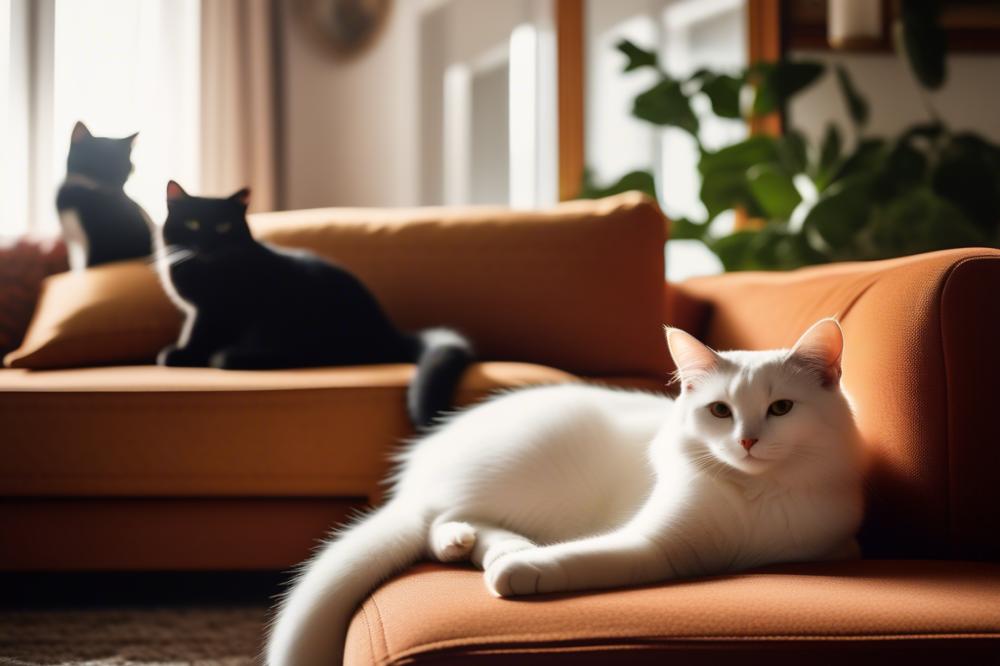
Adopting cats has become increasingly popular across Italy. Many families are now welcoming these furry friends into their homes. This trend reflects a changing attitude towards pets in Italian culture. Cat adoption is no longer seen as a mere household trend; it is viewed as an essential part of family dynamics.
Animal welfare initiatives play a crucial role in this shift. Local organizations are working tirelessly to promote the importance of adopting rather than buying pets. Their efforts have raised awareness about the need to care for strays and abandoned animals. Stricter regulations on breeders further drive this change. Many people are now passionate about providing loving homes to pets in need.
Rescue organizations have become key players in fostering cat adoption. Shelters are filled with adorable cats awaiting new families. These organizations not only facilitate adoptions but also educate potential owners about feline companionship. By teaching people about cat behavior and care, they help ensure that each adoption is a successful match.
Furthermore, community events have sprung up to encourage adoption. Festivals dedicated to pets often showcase rescue animals ready for a new life. These events emphasize the joy that comes with having a cat. Families who adopt often share their stories, inspiring others to consider bringing a feline companion into their homes.
Incorporating cats into family life enriches cultural traditions. Many Italian households view pets as part of the family unit. Children grow up with the understanding that caring for a pet is an important responsibility. Loving a cat fosters empathy and compassion, skills that are beneficial as they mature.
As the importance of animal welfare gains attention, the number of adoptions continues to rise. While once overlooked, cats are now celebrated as valuable members of society. People recognize that adopting a pet is not just a personal choice; it is a commitment to kindness. In Italy, the future looks bright for those seeking the joy of a furry family member.
Feline Behavior and Understanding Cats

Understanding cat behavior is essential for building strong bonds within families. Common actions, such as purring, kneading, or hiding, often hold special meanings that can deepen familial ties. Italians, known for their warm culture, usually respond positively to these traits. A purring cat indicates contentment. This simple sound can bring comfort during family gatherings or moments of stress.
Interactions with these pets can also influence household dynamics. For instance, a cat’s playful antics often become shared fun among family members. When children witness feline companionship, they learn empathy and responsibility. Adults also find joy by engaging in pet care routines. Feeding, grooming, and playing together foster connections within the household. Each interaction helps create lasting memories.
Cultural traditions play a significant role in how Italians view their pets. Many believe that adopting a cat brings good fortune. This belief flows through generations and enhances the importance of building loving environments for furry friends. Understanding cat behavior also contributes to better animal welfare practices. Recognizing when a feline is anxious or playful helps families provide suitable environments.
To encourage happy coexistence, observe specific behaviors. For instance, cats may rub against legs as a sign of affection. Ignoring this can lead to feelings of neglect. If a cat hides frequently, it is wise to create safe spaces within the home. These behaviors provide insight into how families can support their animals. Adjustments in pet care make a difference in a cat’s wellbeing.
Choosing to adopt a cat requires thoughtful consideration. You must reflect on lifestyle needs, living space, and family preparedness. Many Italian families embrace this challenge and consider a new cat a viable addition. Placing an emphasis on family interactions helps build a more cohesive environment. Incorporating pets smoothly into family life can foster a sense of belonging for every member.
Challenges of Cat Ownership in Italy
Owning a cat in Italy can be rewarding, but it is not without its challenges. Many pet owners face difficulties that stem from health and legal regulations. Finding the right veterinarian can be stressful. Not all clinics are easily accessible, especially in rural areas. This can lead to delays in necessary care for beloved pets.
Nutrition is another concern. The market offers a wide variety of food options, but not all are suitable for every cat. Reading labels becomes essential. Many find it hard to balance cost with quality. Some Italian families might struggle to afford premium cat food while trying to keep their household budget in check.
Legal regulations also play a significant role in pet ownership. Different regions may have varying rules regarding pet registration and vaccinations. It’s important for cat owners to stay informed. Failure to adhere to these laws can lead to fines or legal repercussions. Such issues can add stress to the joys of having feline companionship.
Moreover, the responsibility of pet ownership is deeply rooted in Italian culture. Cats are often seen as part of the family. Yet, this sentiment comes with expectations. Pet owners feel the weight of caring for their animals. This responsibility extends beyond just providing food and shelter; it includes understanding cat behavior and ensuring their well-being.
Cultural traditions also affect how people approach cat adoption. In some communities, there is a strong emphasis on rescuing stray animals. Many Italians recognize the importance of animal welfare. This results in family dynamics that encourage compassionate treatment for all household pets. However, those who adopt might find themselves overwhelmed by the commitment necessary for proper care.
While many enjoy the companionship of a cat, challenges remain. Some individuals may not fully grasp what it means to take on a pet. The reality of cleaning litter boxes and dealing with unexpected messes can deter potential owners. It’s vital for families to engage in open conversations before bringing a cat home. They must weigh the pros and cons thoughtfully.
Final Thoughts on Cats in Italian Family Life
Italian families hold cats in high regard, viewing them as cherished members of the household. Their role goes beyond mere companionship; these pets contribute to the emotional fabric of family life. Cats offer comfort, warmth, and a sense of belonging, which strengthens family bonds. Many consider their feline friends integral to home life, sharing their days and evenings with them.
Reflecting on Italian culture, cats symbolize more than just love for animals. Their presence signifies a deep-rooted appreciation for life’s simple joys. In homes across Italy, feline companionship enriches daily routines, often providing companionship during quiet moments or playful interactions that bring laughter. This relationship reveals much about Italian cultural identity; it mixes tradition, warmth, and a strong sense of community.
Animal welfare remains a crucial aspect of this relationship. Italians largely advocate for humane treatment and responsible ownership of pets. Cat rescue organizations work tirelessly to raise awareness about adoption and responsible care. As families continue to welcome these animals into their lives, the importance of proper care and respect for their needs must not be overlooked.
Looking ahead, the future of cats in Italian households seems promising. As society evolves, attitudes towards animal care will likely change as well. A growing number of families are recognizing the joys and responsibilities of having pets, leading to better practices in adoption and care. With strong cultural ties to their furry companions, Italians will undoubtedly continue their love affair with cats, ensuring a compassionate approach to pet ownership in the years to come.

