
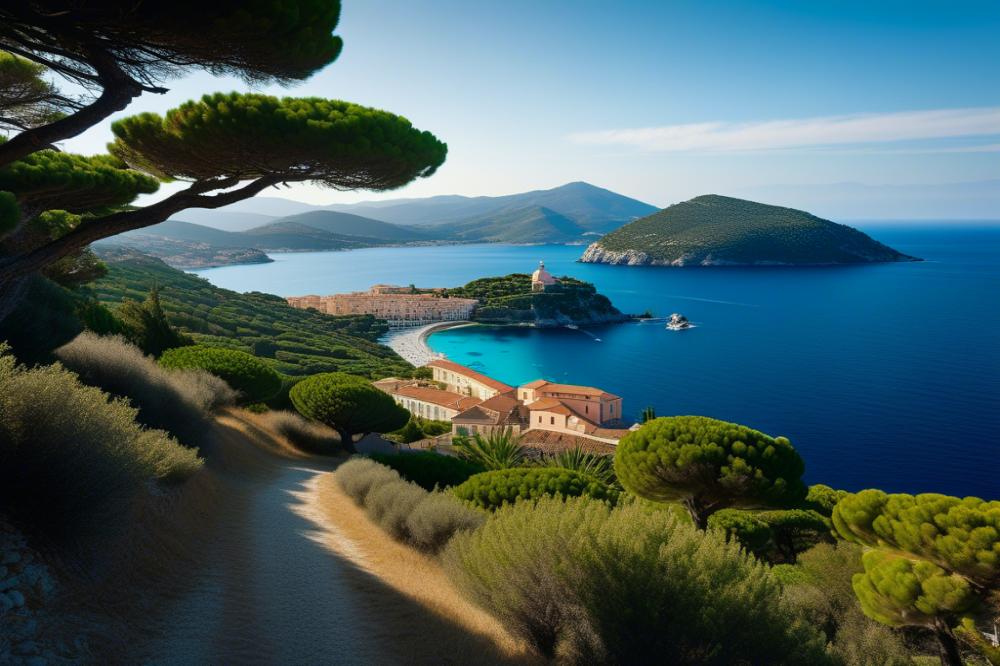
Exploring Elba Island‘s Historical Significance
Elba Island is a noteworthy destination in Italy, steeped in history and culture. This beautiful location is best known for its connection to Napoleon Bonaparte. In 1814, the French emperor was exiled here, marking a unique chapter in European history. Tourists flock to this charming island for more than just scenic views. They seek to immerse themselves in the rich past that shaped both French and Italian history.
Visitors to Elba can engage in various island excursions that mix leisure with learning. Its historical sites offer a glimpse into a time when Napoleon attempted to rebuild after his downfall. This period is crucial for understanding not only Franco-Italian relations but also the broader context of European history.
Museums, like the Napoleon Museum, play a vital role in preserving the cultural heritage of regions. They serve as gateways to the past, enlightening visitors about significant figures and events. Displaying artifacts, artwork, and documents, these institutions attract tourism while keeping history alive for future generations. The island, coupled with its museums, continues to inspire curiosity and appreciation for history and culture.
Elba Island: A Brief Historical Overview
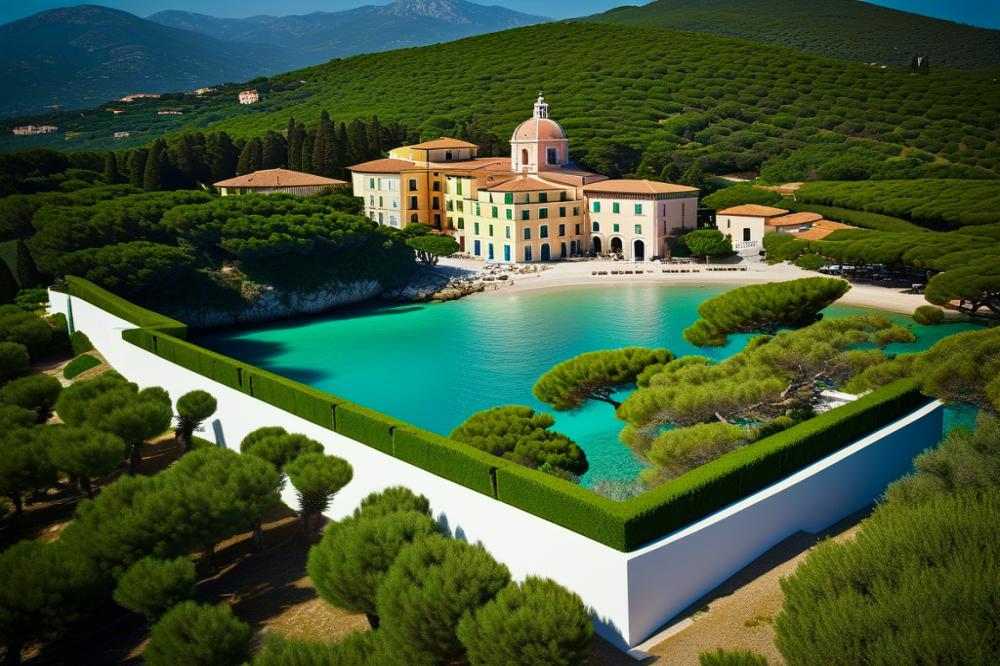
Geologically, Elba is part of the Tuscan Archipelago and contains rich minerals. It has a varied landscape featuring mountains, hills, and beautiful coastlines. Throughout its history, this island has been a significant location for various cultures. Romans, Etruscans, and more recently, Italians have all left their marks here. Each era has contributed to its unique cultural heritage. Elba is known as one of the notable Italian Islands, often recognized for its natural beauty and rich resources.
Italian history records Elba’s involvement in numerous important events. This island has served various purposes over centuries, acting as a military stronghold and a pivotal trade route. It is particularly famous for its connection to Napoleon Bonaparte. In 1814, following his abdication, Napoleon was exiled to Elba. His arrival changed the island’s fate, directly impacting European history.
During his short rule, the French leader initiated reforms that influenced local governance and economic practices. These changes attracted attention and laid the groundwork for future tourism initiatives. Elba, therefore, transformed into a hub for travelers interested in historical sites and museums. Today, many visit to trace the footsteps of Napoleon and to learn about his life during exile.
Tourism plays a crucial role in the island’s economy. Many island excursions cater to visitors eager to explore its rich past. Interest in this period of French history continues to draw crowds. The Napoleon Museum, among other sites, serves as a major attraction. It houses artifacts and documents that illustrate the time Napoleon spent there.
Elba Island holds an important place in the broader context of European history. This location highlights the intersection of various cultures and events. As visitors explore its landscapes, they encounter stories from the past that shaped the present. The blend of natural beauty and rich history makes it a fascinating destination for locals and tourists alike.
The Napoleon Museum: An Insight into the Museum’s Collections
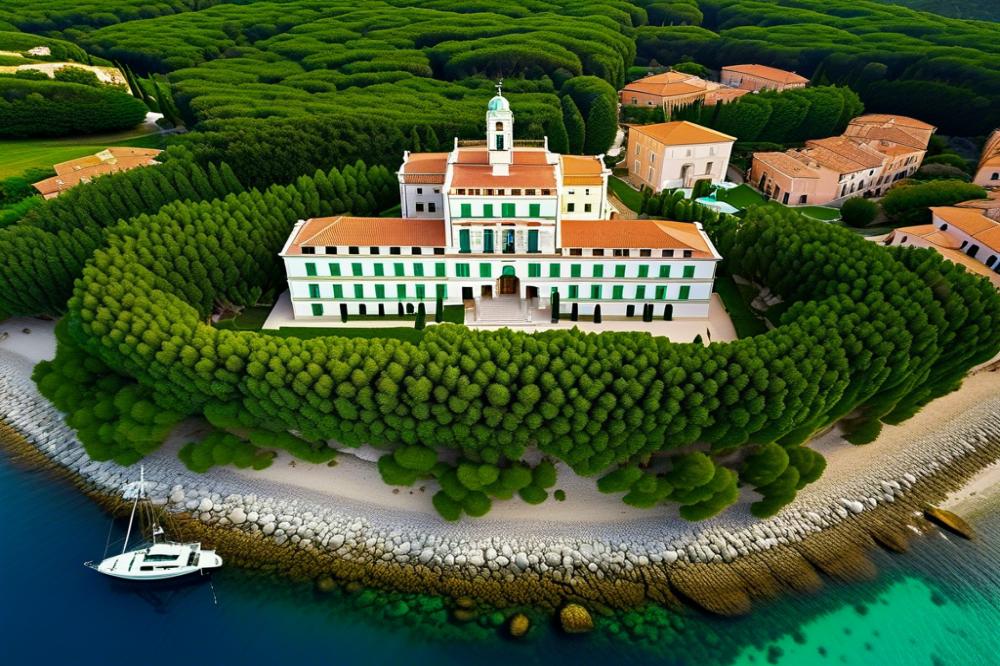
Located on Elba Island, the Napoleon Museum offers a captivating glimpse into the life of one of Europe’s most infamous leaders, Napoleon Bonaparte. This museum is not just a collection of random artifacts; it houses a rich variety of historical items that tell intriguing stories about French history and the island’s cultural heritage.
Visitors can explore displays filled with artifacts from Napoleon’s time on the island. These include personal belongings, such as his clothing and furniture, which provide insight into his daily life during his exile. Paintings depicting key moments of his reign adorn the walls, illustrating his grandeur and the impact he had on Europe.
In addition to artifacts and paintings, the museum contains important documents. Letters and official papers reveal the political maneuvers and strategies that defined his rule. These documents serve as a testament to his influence and the way his actions shaped history.
Beyond being a tribute to Napoleon, this museum highlights Elba’s role in historical events. The island itself became a significant site of tourism because of its connection to the French leader. Many people travel to the Italian Islands, drawn by the allure of historical sites related to Napoleon’s life.
Island excursions often include tours of the museum, allowing visitors to absorb the essence of the past. Each exhibit adds another layer to the understanding of both Napoleon’s legacy and Elba’s cultural heritage. The collections here are essential for anyone interested in European history or the intricacies of Napoleonic rule.
Overall, the Napoleon Museum stands as a vital resource, preserving intricate stories of an era that still resonates today. It ensures that the narrative of Napoleon Bonaparte and his time in exile remains alive for future generations.
Exploring the Historical Sites Related to Napoleon
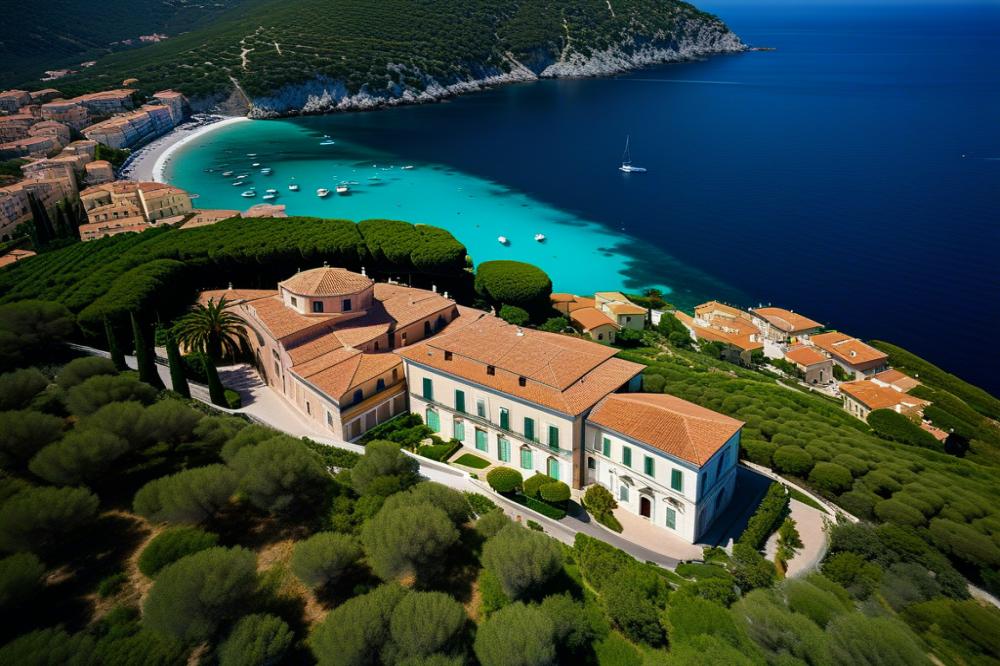
On Elba Island, several significant locations connect to Napoleon Bonaparte’s storied past. These sites highlight the profound impact he had on not only French history but also European history. The most notable landmark is the Palazzina dei Mulini, Napoleon’s official residence during his exile. Nestled near the coastline, this estate features stunning views and elegantly decorated rooms. Visitors can see various artifacts that once belonged to the Emperor, providing insights into his daily life.
Another important site is the Villa San Martino. This villa was where Napoleon spent much of his time working on political matters. Originally, it was a modest hunting lodge that he transformed into a palatial retreat. The gardens, adorned with various Italian plants, offer a glimpse into his love of nature. Inside, visitors can find his personal belongings, enriching the connection to his experiences during his time on the island.
In addition to these residences, the Napoleonic Museum in Portoferraio serves as a critical cultural heritage site. This museum showcases a wide array of artifacts, paintings, and documents from his life and the period of his rule. Through its collections, it narrates the story of Bonaparte’s brief but impactful exile. The museum attracts many tourists, eager to delve deeper into the life of one of history’s most influential figures.
Other fascinating sites include the various statues and memorials erected in his honor. These landmarks dot the landscape of Elba, reminding locals and visitors alike of the island’s unique connection to Napoleon. Island excursions often include stops at these places, allowing for a richer understanding of the historical context. Each site plays a role in celebrating the cultural heritage of the area, while also contributing to tourism and the economy. People come from various parts of the world to explore these remnants of the past.
These historical sites not only commemorate the life of Napoleon Bonaparte but also invite contemplation about broader themes in history. His exile marked a distinctive moment in European history, demonstrating how power and influence can shift. As the island remains a popular destination, these landmarks continue to draw attention, merging past events with contemporary interests. The connections between Napoleon, the island, and European politics weave a complex narrative that enriches the travel experience.
Cultural Heritage and Tourism on Elba Island
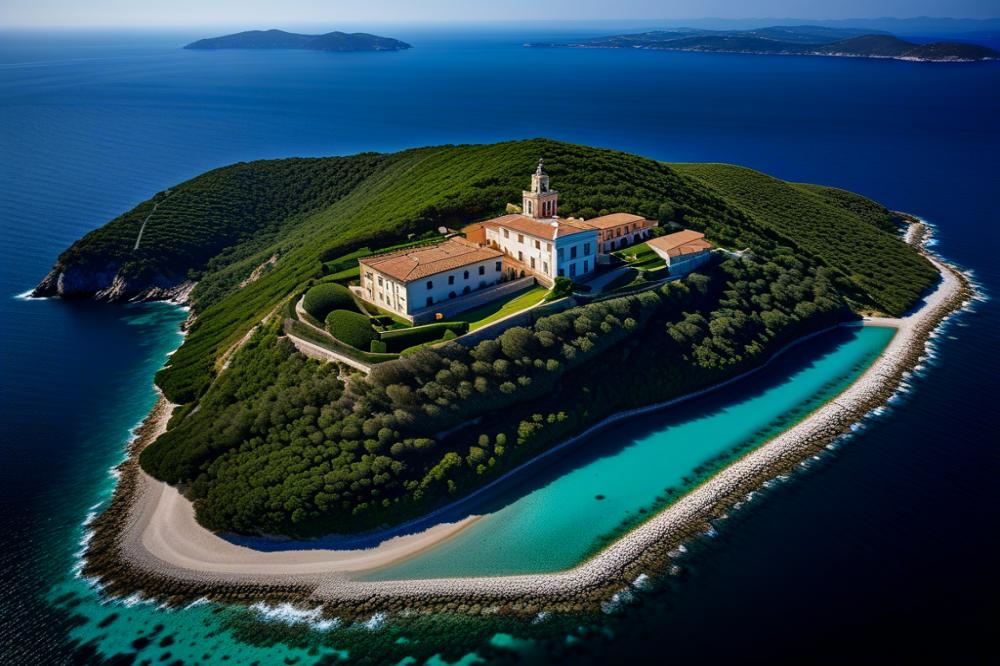
Elba Island has gained considerable attention due to its historical connection to Napoleon Bonaparte. This relationship has significantly enhanced the region’s cultural heritage. Visitors come from many places to explore the narratives surrounding his exile on the island. The tourism industry has flourished as a result of this rich history, drawing history enthusiasts and casual tourists alike.
The Napoleon Museum plays a vital role in this increase in tourism. Situated in Portoferraio, it houses numerous artifacts related to the French leader. These items offer a glimpse into the life he led while on Elba. As one of the key attractions, the museum invites thousands of people each year who want to learn about Napoleon’s influence on Italian islands and European history.
Island excursions also appeal to the imagination of tourists. With breathtaking landscapes and serene beaches, the natural beauty complements its historical significance. Many excursions combine visits to museums and historical sites, giving tourists a comprehensive experience. Exploring this blend of history and nature captivates many visitors.
Tourism on Elba Island is not just about Napoleon. The historical sites reflect a broader narrative of Italian and French interactions over the centuries. Museums throughout the area showcase art and culture from various periods. Finding connections between these different aspects helps create a rich tapestry of heritage that attracts many people.
While battles and political changes shaped the region, the remnants of those times serve as a powerful draw. Walking through the streets, one can almost hear the echoes of history. Each historical site offers stories waiting to be discovered. Visitors often leave with a sense of connection to the past.
Overall, the unique combination of Napoleon’s legacy, beautiful excursions, and diverse museums creates a thriving cultural atmosphere. Those who visit Elba Island come for various reasons. Some are drawn by the historical, while others seek relaxation amidst nature. These elements work harmoniously to uplift the island’s tourism, benefiting local communities and preserving its heritage.
Island Excursions and Activities Beyond the Museum
Visiting Elba Island presents a world of adventures beyond the Napoleon Museum. Tourists can enjoy a range of activities that celebrate both nature and history. Hiking trails wind through the island’s rugged landscape, offering breathtaking views of the sea. These paths connect to various historical landmarks that reflect the island’s rich cultural heritage.
Beaches provide a delightful escape for those seeking relaxation. Soft sands and clear waters invite visitors to unwind after exploring museums. Spending a day under the sun helps deepen the appreciation for this part of the world. They also highlight the serene contrasts to the historical narratives associated with figures like Napoleon Bonaparte.
Historical sites are scattered across the island. Each location shares stories from French history and European history. For instance, the Villa dei Mulini serves as another reminder of Napoleon’s life during his exile. A visit to these sites allows tourists to piece together a richer understanding of the past.
Island excursions can also integrate various activities. Boating trips reveal hidden coastal gems, with opportunities for snorkeling and swimming in pristine waters. Such outings reveal more about the geographical beauty that shaped the island’s development over centuries. Exploring natural landscapes complements the experience of learning about Napoleon’s role in history.
In addition to hiking and beach visits, local markets offer a glimpse into everyday life. Tourists can taste traditional dishes and buy artisan crafts. Participating in cultural events enhances the immersive experience that builds a well-rounded picture of Elba Island’s identity. Overall, these various activities provide an engaging backdrop to the narratives presented at museums and historical sites.
Final Thoughts on Elba Island and the Napoleon Museum
Elba Island stands out as a significant part of Italy’s rich narrative. From its stunning landscapes to its deep historical roots, this destination offers something for every visitor. The Napoleon Museum serves as a crucial piece of this story, recounting the life of Napoleon Bonaparte during his year-long exile. Exploring the museum provides insight into a pivotal time in European history that shaped the continent’s future.
Preserving places like the museum is vital for cultural heritage. Future generations deserve to connect with their past. When sites maintain their authenticity, they tell stories that educate and inspire. A visit to Elba Island can offer travelers a more profound appreciation of history, alongside opportunities for relaxation and adventure in nature.
Travelers looking for an unforgettable experience should consider Elba Island. Its unique blend of cultural richness and natural beauty invites exploration. Take the time to walk through the museum and reflect on the life of an iconic figure. This island is more than just a scenic getaway; it is a gateway to understanding history, making it a perfect destination for those who cherish meaningful travel.

