
Exploring Ustica’s Rich History
Ustica Island offers travelers a remarkable escape into both nature and history. Nestled in the Mediterranean Sea, this charming destination is often praised for its stunning landscapes and vibrant marine life. However, what truly sets it apart is its archaeological significance. Visitors can uncover a layered past filled with fascinating stories and remnants from ancient civilizations.
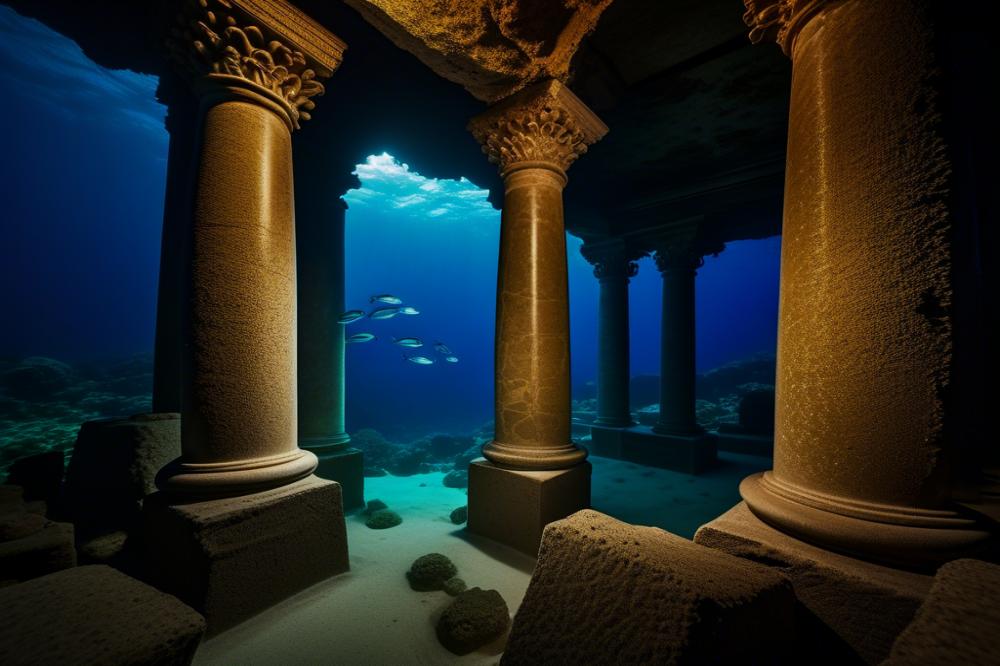
One of the island’s standout features is the allure of its submerged city. This underwater exploration site captivates historians and tourists alike. Ancient ruins lie beneath the waves, inviting divers and enthusiasts to experience a blend of adventure and discovery. Divers can venture into the depths where history is preserved in the forms of crumbling structures and artifacts from bygone eras.
The appeal of this archaeological site is undeniable. Marine archaeology has gained attention in recent years, and Ustica serves as an exemplary case of historical preservation. Those who dive in these crystal-clear waters not only encounter breathtaking sea life but also unearth pieces of history that tell stories of the past. This unique blend of exploration and education enriches every holiday adventure on the island.
In summary, Ustica provides much more than a typical beach getaway. It offers an extraordinary opportunity to experience history, archaeology, and marine wonders all in one place. Such a combination makes it a must-visit destination for anyone intrigued by the mysteries of the past.
Ustica: An Overview
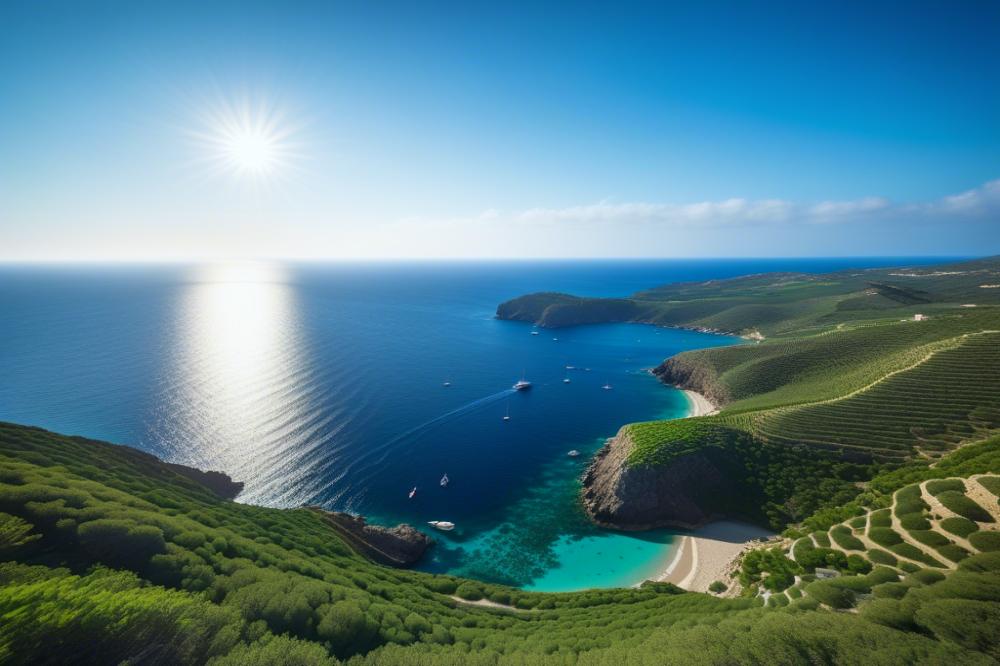
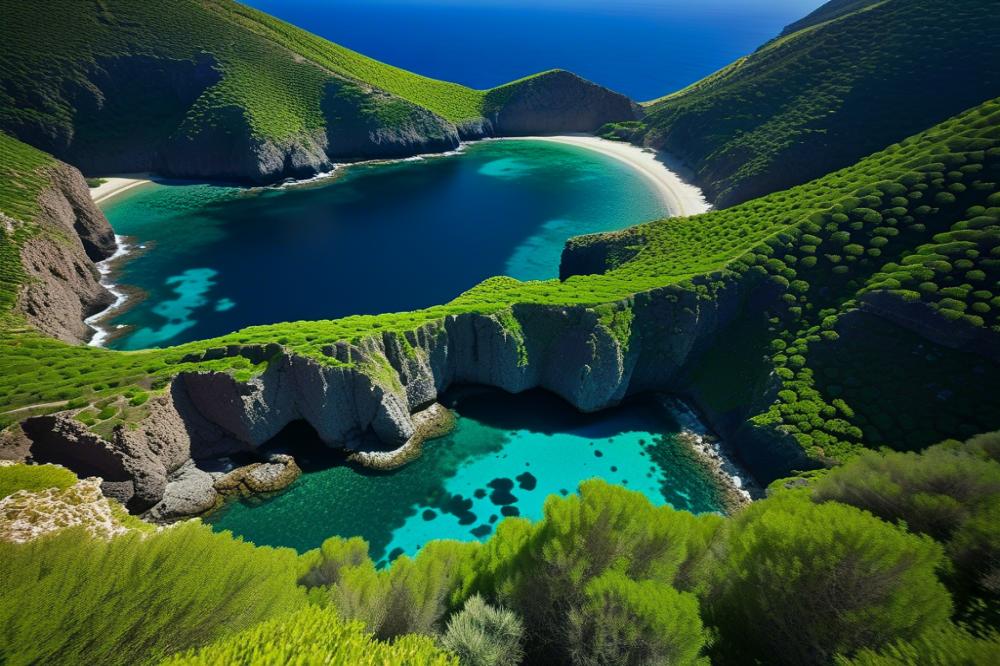
Nestled in the heart of the Mediterranean Sea, Ustica Island offers a stunning blend of natural wonders and rich history. It is situated about 50 kilometers from Sicily and is surrounded by crystal-clear waters. This small island is known for its picturesque cliffs and lush vegetation. Diverse marine life thrives in the surrounding sea, attracting visitors from all over the world.
The island’s appeal as a holiday destination lies in its remarkable landscapes and tranquil atmosphere. Snorkeling and underwater exploration draw adventurers to the area, where numerous dive sites reveal the beauty of its two main geological formations: volcanic and limestone. Travelers can enjoy both relaxation and activity amidst its charming villages and breathtaking views.
Ustica holds significant historical background as well. Evidence suggests that people have inhabited this island since ancient times. This long-standing history is reflected in the many ancient ruins scattered across the landscape. Among these, archaeological discoveries give insights into the lives of bygone civilizations.
Today, Ustica Island is not only a place for leisure but also an important archaeological site. Marine archaeology plays a crucial role in the region’s historical preservation. The underwater treasures found here help to unlock secrets of the past, making it a focal point for researchers and explorers alike.
Visitors can dive into the waters surrounding the island, where they might encounter remnants of historical structures beneath the waves. These submerged sites are essential for understanding both local and broader Mediterranean history. Ustica Island continues to attract those who are curious about its cultural depth, making it a vibrant location for both tourism and scholarship.
The History of Ustica’s submerged city
The underwater exploration of Ustica reveals a rich tapestry of history. Beneath the surface of the Mediterranean Sea lie ancient ruins that tell stories of civilizations that flourished on the island. Over the centuries, various groups inhabited this land, each leaving behind traces of their existence. The site has been preserved as a significant archaeological site, highlighting the importance of marine archaeology in understanding cultural legacies.
First inhabited by the Phoenicians, the island served as a strategic point for trade. Later, Romans recognized its value, establishing settlements that contributed to their expansive empire. Remnants of these ancient cultures can still be found under the waves. Divers often encounter fragments of structures, pottery, and tools that date back to these eras. Each artifact sheds light on the way these communities lived, traded, and interacted with their environment.
Exploration of the submerged city has become a pivotal area of study for historians and archaeologists alike. The depth of water preserves these remnants well, allowing for ongoing research and discovery. As divers carefully navigate the dive sites, they uncover more about the island’s past. The unique marine ecosystem adds another layer, protecting and concealing much of what was once above sea level.
Historical preservation efforts are vital to maintaining the integrity of these underwater treasures. Protecting the submerged city allows future generations to learn about and appreciate its historical significance. Public awareness campaigns aim to inform local communities and tourists about the importance of this site. By understanding the past, visitors can connect with the island in a deeper way.
Current excavations and studies help piece together the complex narrative of Ustica Island. Insights gained from marine archaeology reveal economic activities and daily lives of ancient inhabitants. Each dive reveals clues about trade routes and social structures. Scholars work tirelessly to analyze findings, helping to reconstruct the vibrant history that flourished here long ago.
As we explore further, more mysteries may emerge from the depths. Encounters with submerged ruins remind us of the resilience of human history. The sea may hide these stories, but the quest for knowledge continues. Ustica’s submerged city serves as a testament to the enduring connection between civilization and its environment.
Marine Archaeology and Underwater Exploration
Exploring the depths of the Mediterranean Sea reveals much about our past. Marine archaeology plays a crucial role in uncovering the secrets of submerged sites. This science blends traditional archaeological methods with unique underwater techniques. In Ustica Island’s submerged city, archaeologists study ancient ruins that can tell us stories of long-lost civilizations.
Underwater exploration involves several specialized methods. Divers use tools like underwater cameras and sonar technology. These instruments help map out archaeological sites. Robots also aid in exploration when diving becomes too challenging for humans. Each technique offers a different view into the underwater world. Collectively, they enhance our understanding of the submerged city.
Notable diving expeditions have taken place in recent decades. These expeditions have often revealed fascinating artifacts. Statues, pottery, and tools have emerged from the depths, giving insight into daily life. Such discoveries have built upon our knowledge of the historical timeline in this region. Researchers continuously document these findings for further study.
The preservation of these underwater sites is imperative. Damage caused by pollution and climate change can threaten archaeological sites. Efforts to establish protective measures have gained momentum. Historical preservation not only safeguards artifacts but also enriches culture. The stories behind these items contribute to the larger narrative of human history.
Dive sites in the area attract both professional and amateur explorers. Enthusiasts seek to witness the captivating underwater landscape firsthand. This interest can help raise awareness and promote conservation efforts. Understanding the significance of these archaeological treasures can lead to greater appreciation among the public. Knowledge sharing plays an essential part in continuing the legacy of the submerged city.
Diving into Adventure: Top Dive Sites
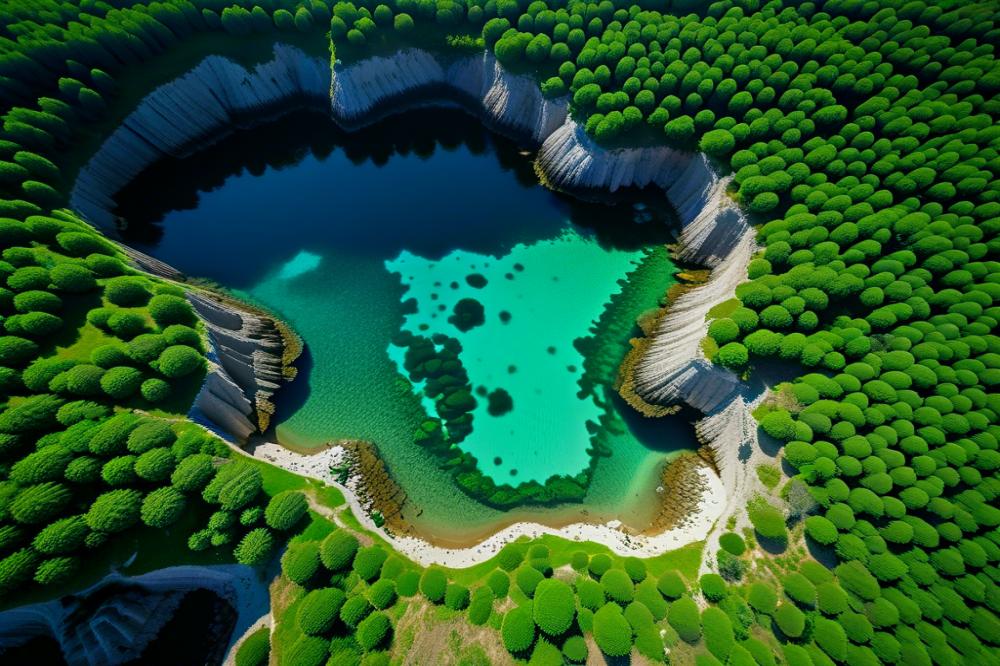
Diving around Ustica Island offers a rare chance to explore an underwater archaeological site filled with ancient ruins. The Mediterranean Sea surrounds this island, providing clear waters ideal for divers of all skill levels. Among the most popular dive sites are the remnants of submerged structures, showcasing the rich history of the area.
The Ruins of the Ancient City
This site is renowned for its remains of an old settlement. Divers can expect to see stone walls, artifacts, and remnants of houses resting on the ocean floor. The depths vary from shallow areas suitable for beginners to deeper spots for seasoned divers. Snorkeling can also be an option for those who want to experience the beauty without diving deep.
Known Sites for Underwater Exploration
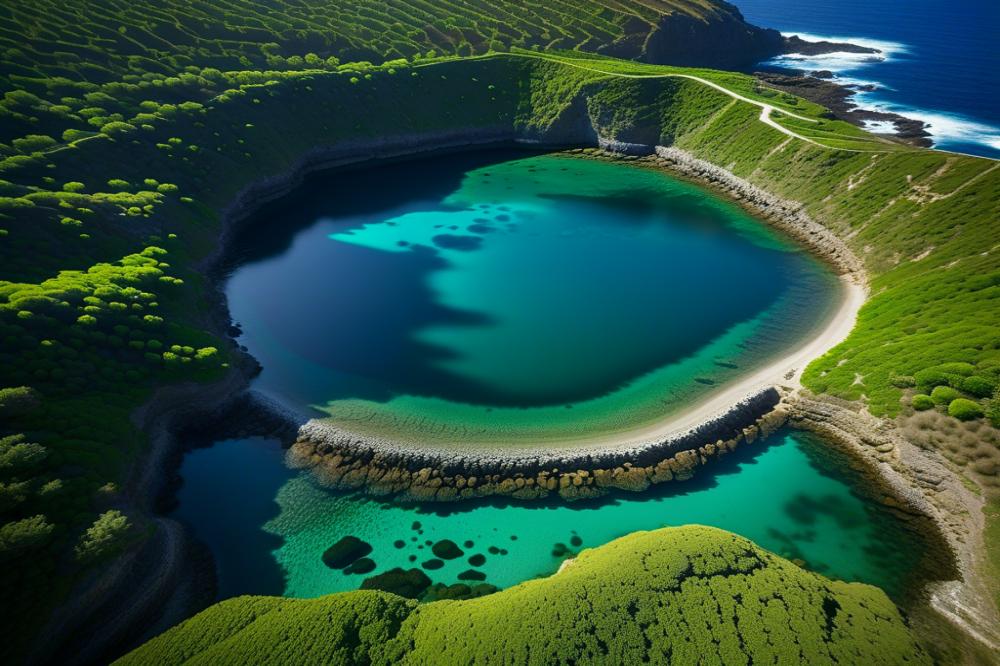
The “Grotta dei Gamberi” is a standout location. It features stunning underwater caverns filled with vibrant marine life like colorful fish and intriguing rock formations. This cave dive presents both excitement and educational opportunities in marine archaeology. Skilled divers can explore intricate passages while appreciating the historical preservation of this unique habitat.
Planning Your Dive Trip
Preparing for a dive trip requires some planning. Checking the weather conditions is essential for safety and enjoyment. The best times to dive are during late spring and early fall when visibility is optimal and temperatures are warm. Always ensure you have the proper certification and gear before diving.
Local dive shops provide guided tours and equipment rentals. They often offer insights into the rich history and archaeological significance of the sites. Joining a guided dive can enhance your experience as they share stories about the ancient ruins and the culture of the area.
What to Expect Underwater
Divers can find an array of marine life thriving around the ruins. Schools of fish swim among the ancient stones, creating a lively atmosphere. The combination of history and marine biodiversity creates a magical dive experience. Every descent holds new surprises, from hidden artifacts to unique coral formations.
Safety should always be a priority. Keeping an eye on dive time and buoyancy is crucial for a successful adventure. Additionally, respecting the underwater environment preserves these archaeological treasures for others. Every visit contributes to the ongoing appreciation of its beauty and significance.
Historical Preservation Efforts
Preserving the submerged city off Ustica Island is vital for understanding ancient civilizations. This archaeological site holds remnants that offer insight into history beneath the Mediterranean Sea. Protecting these underwater treasures ensures future generations can learn from them. Ongoing preservation efforts help maintain the fragile nature of marine archaeology in the region.
Local authorities play a significant role in these initiatives. They work alongside researchers and archaeologists to create dive sites that are safe for exploration. Programs have emerged to promote awareness about the importance of preserving these underwater wonders. Educating the public about the significance of these ancient ruins encourages respectful exploration.
Community involvement is equally important. Various organizations engage volunteers to assist with underwater exploration and maintenance. These efforts often include cleaning debris and monitoring marine life around the archaeological site. Such activities help prevent damage to the delicate structures found beneath the waves.
Numerous restrictions and guidelines have been established to protect the area. Divers are often required to follow specific protocols to minimize impact on the submerged environment. Compliance with these guidelines is crucial for safeguarding the integrity of the ruins. As a result, the region maintains its cultural value and ecological balance.
Research is ongoing, with scientists studying the interactions between human activity and marine ecosystems. By understanding these connections, preservation efforts can be improved. New technologies are also employed to document and analyze the site without disturbing it. This scientific approach benefits both archaeology and education.
Final Thoughts
The allure of Ustica as a destination captivates both history enthusiasts and adventure seekers. This island holds a treasure trove of archaeological significance, with its submerged city offering a glimpse into a world long past. Divers and snorkelers are drawn to its clear waters, where they can uncover the remnants of ancient structures and artifacts. Each dive reveals stories waiting to be told, making underwater exploration a memorable experience.
Visitors to this unique site can truly appreciate a rich cultural heritage that paints a vivid picture of earlier times. The island serves as a testament to human resilience and creativity. Walking along the sandy shores, one can feel the echoes of history resonate beneath the waves. Exploring the submerged city invites curiosity and respect for the past.
Travelers are encouraged to immerse themselves in the wonders of Ustica. By embarking on this journey, they not only engage with history but also connect with nature. Glimpses of relics from ancient civilizations are not just fascinating; they remind us of the continuity of human experience. As you dive into these waters, remember the stories each structure has to share. Embrace the adventure and let the enchantment of Ustica’s submerged city inspire your next journey.

