
Introduction
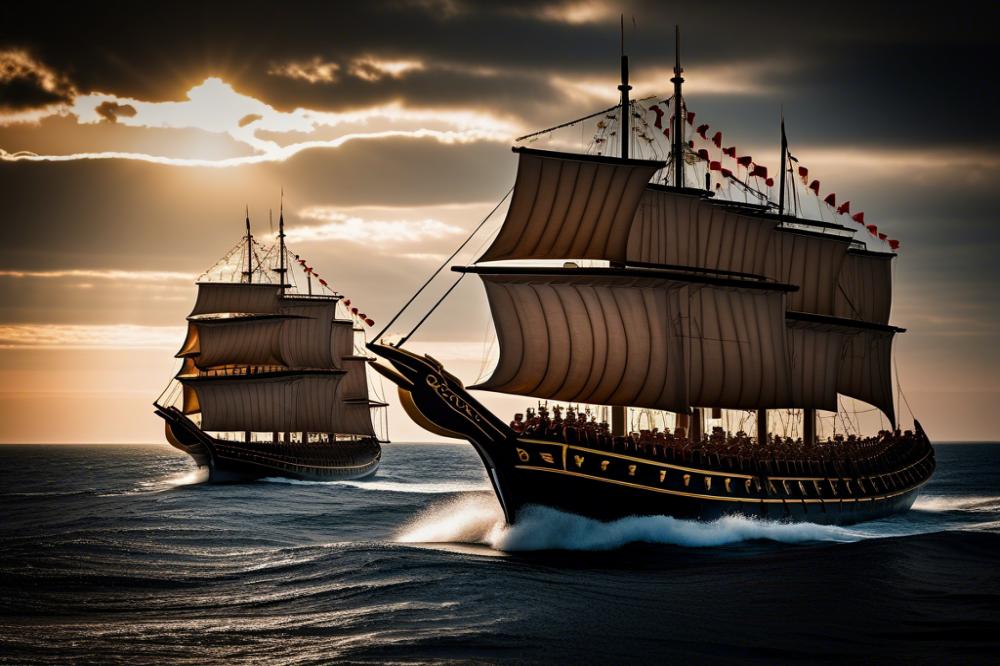
The Roman Navy played a pivotal role in shaping military strategy and expanding trade routes across the Mediterranean. As a dominant power, Rome recognized the necessity of a strong naval force to protect its vast empire. A well-equipped navy allowed Rome to secure its trade interests and dominate sea lanes. Control over these routes was essential for transporting goods, troops, and information, thereby strengthening Rome’s overall influence.
Various warship types were crucial to achieving naval superiority. Among these, triremes and quinqueremes stood out for their effectiveness in battle. Triremes, known for their speed and agility, were pivotal in early naval engagements. They featured three rows of oars, allowing for quick maneuvers and surprising attacks. This design gave Rome a significant edge over its adversaries, especially in close-quarter confrontations.
On the other hand, quinqueremes represented a evolution in maritime warfare. With five rows of oars, these ships were larger and more powerful. They could carry heavier weaponry and troops while maintaining reasonable speed. In larger battles, quinqueremes became the backbone of the Roman fleet, capable of ramming enemy vessels and dominating naval battles. Their design showcased Roman engineering prowess and adaptability in response to the challenges of seafaring.
Understanding these warships provides insight into Rome’s naval strategy. The importance of naval capabilities in securing trade and combat cannot be overstated. From #anchor_text_1# to #anchor_text_2#, the evolution of naval warfare was marked by innovative designs and strategic thinking. The Roman Navy, with its diverse types of warships, represented not just military strength but also the keen foresight of a civilization dedicated to expansion and control.
Historical Background of Roman Naval Power
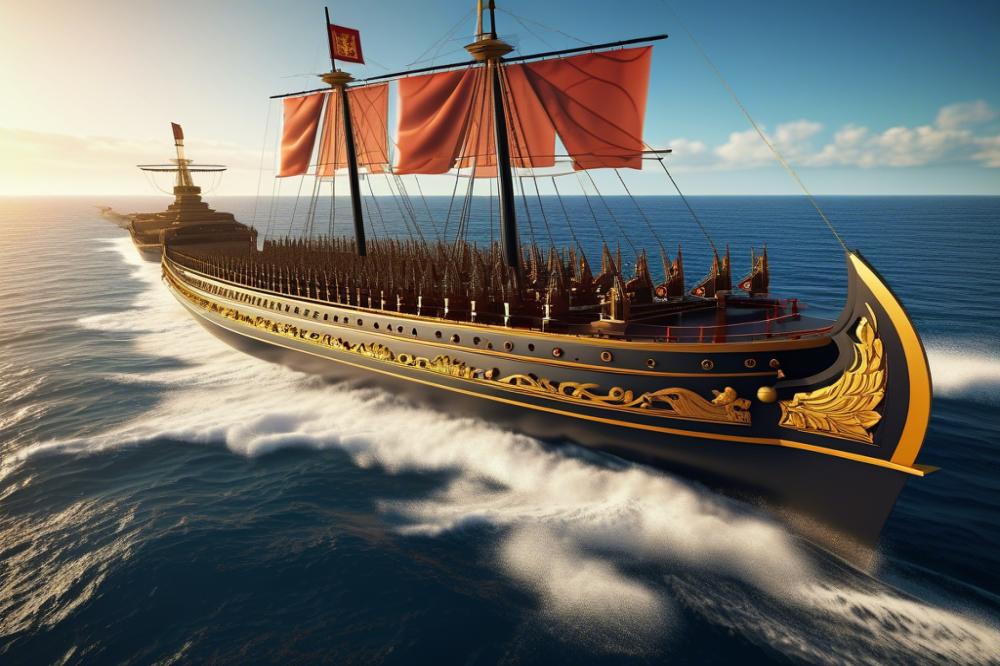
The evolution of naval might in ancient Rome is a fascinating tale. Initially, the Romans were primarily a land-based empire. Their focus on conquering territories on land overshadowed the sea. However, as their ambitions grew, they began to recognize the importance of controlling the Mediterranean Sea.
Before Rome developed its own naval capabilities, earlier civilizations influenced their shipbuilding techniques. The Greeks, with their advanced triremes, set a standard for speed and maneuverability. Roman shipbuilders took inspiration from these vessels, adapting them to meet their own military needs. This borrowing from established naval cultures was crucial in the early stages.
Over time, Romans transitioned from a state that relied heavily on land armies to a capable maritime force. The Punic Wars marked a significant turning point in this transformation. Against the Carthaginian fleet, Rome learned naval tactics and developed their ships. This experience propelled them into a new era of naval warfare.
By the late Republic, the design of warships became more sophisticated. The quinquereme, for instance, emerged as a dominant vessel. It combined speed and strength, allowing Romans to project power across vast distances. The focus on shipbuilding mirrored their military evolution, showcasing the importance of the sea in their strategy.
In summary, Rome’s journey into naval power highlights their ability to adapt and learn. They went from a land-oriented empire to a player on the seas. Crafting warships suited for naval battles was an essential step in that journey. The influence of earlier civilizations and the lessons learned from conflicts were vital in shaping the Roman Navy.
Triremes: The Backbone of the Roman Navy
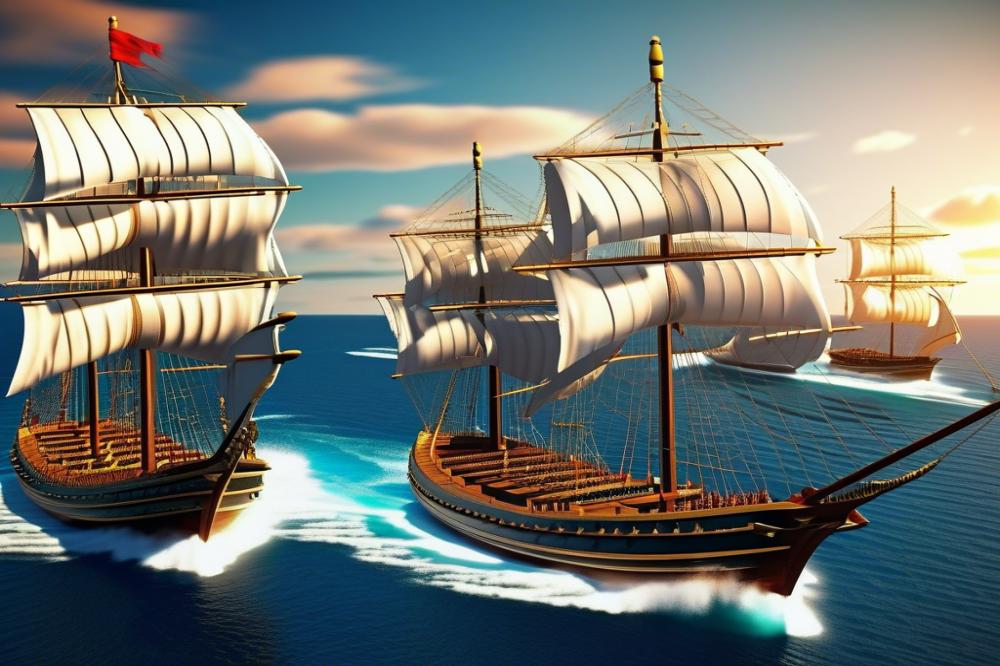
Triremes were essential vessels in the Roman Navy, characterized by their distinct three-tiered arrangement of rowers. Each ship typically had around 170 oarsmen, divided among these tiers. This design allowed for incredible speed and maneuverability, making them ideal for both battle and reconnaissance missions. Their hulls were sleek and narrow, built to cut through water swiftly.
In naval battles, triremes played a crucial role. These ships often engaged in ramming tactics, using their reinforced prows to smash into enemy vessels. Speed and agility allowed captains to outmaneuver opponent ships, creating opportunities for devastating attacks. This effectiveness earned the trireme a reputation as a dominant force on the Mediterranean seas.
When compared to other types, triremes stood out. Quinqueremes, for example, had more oars and were larger, which gave them additional power but reduced their speed. In contrast, the smaller liburnians favored piracy and quick strikes. Triremes struck a balance between speed, power, and versatility, making them preferable for prolonged engagements.
Notable engagements displayed the skill and importance of triremes. During the Battle of Mylae in 241 BC, Roman forces used triremes to secure a decisive victory over Carthaginian ships. Their strategic use of tactics resulted in a turning point for Roman naval dominance. Similarly, at the Battle of Ecnomus in 256 BC, the speed of triremes played a vital role in the Roman fleet’s success against a larger Carthaginian armada.
Overall, the trireme was more than just a ship; it was a symbol of naval innovation and military strategy. Masters of the sea, these vessels empowered Rome to expand its influence across the Mediterranean. Their legacy continued to shape naval construction and tactics for centuries to come.
Quinqueremes: Innovations in Warship Design
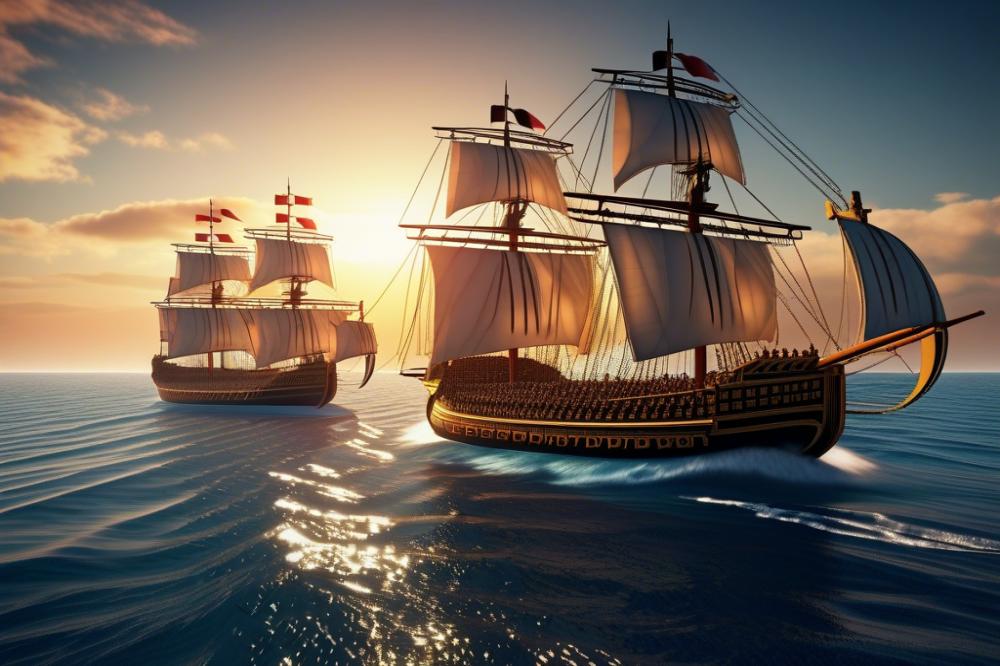
The quinquereme represented a significant advancement in naval architecture during the Roman era. This type of ship featured five rows of oars on each side. Unlike the trireme, which had three rows, the design of quinqueremes allowed for greater power and speed. These vessels were longer and more robust, providing enhanced maneuverability in battle.
Construction methods also evolved with the advent of the quinquereme. Shipbuilders utilized a stronger framework, made of solid timber. The increased size allowed for a larger crew and more sophisticated weaponry. With this addition, craftsmen could implement better ramming techniques, crucial for naval success.
Advantages of quinqueremes became apparent in numerous key historical battles. Their presence changed the dynamics of maritime conflict. One notable engagement was the Battle of Mylae in 241 BC. During this event, Roman quinqueremes dominated their Carthaginian opponents, showcasing the effectiveness of this design.
Another important battle occurred at the Battle of Ecnomus in 256 BC. Here, Roman forces, using their quinqueremes, achieved a decisive victory over the Carthaginians. Their size and stability played a role in this triumph. Better propulsion helped ensure that these ships could engage effectively in combat maneuvers.
Quinqueremes not only excelled in speed but also in carrying troops and supplies. This versatility made them a vital war tool for the Romans. With the ability to transport soldiers quickly to battle, these ships became indispensable in expanding Roman naval power. As a result, the quinquereme efficiently altered the course of naval warfare in the ancient Mediterranean.
Other Types of Warships in the Roman Navy
The Roman Navy was not limited to just triremes and quinqueremes. Other vessels played crucial roles in warfare and maritime trade. Among them were the quadriremes, which had four rows of oars on each side. These ships were built for speed and maneuverability. They offered a middle ground between triremes and quinqueremes, providing a balance of power and agility.
Quadriremes typically featured a similar design to triremes but with a larger crew. This structure allowed them to engage in various naval operations effectively. Their capacity to carry heavier loads also made them suitable for transporting troops during campaigns. In battle, these ships could outmaneuver less agile vessels, enabling commanders to strike quickly and retreat just as fast.
Auxiliary Vessels
Apart from quadriremes, auxiliary ships supported the Roman fleet. These included transport ships and supply vessels, which were vital for long campaigns. They ensured that the main fleet maintained a steady supply line. Auxiliary vessels also helped repair damaged warships and transported essential goods. Their reliability made them indispensable in maintaining naval strength.
In terms of functionality, different ship types served unique purposes. Triremes excelled in ramming and direct confrontations, while quinqueremes often engaged in boarding tactics. Quadriremes, with their speed, were perfect for scouting missions. Each type contributed to a well-rounded naval strategy. The diversity within the fleet allowed the Romans to adapt quickly to changing circumstances during battles.
Comparison of Warship Classes
When comparing warship classes, size and crew capacity emerged as primary factors. Triremes had the least rowers but were highly agile. Quadriremes added more oars, lending additional power without sacrificing speed. Quinqueremes stood as the largest class. Their five rows of oars allowed them to overpower smaller vessels.
Strategic use of each type defined maritime success. Triremes were favored for smaller engagements due to their fast speed. Conversely, quinqueremes dominated larger naval battles with their brute force. Quadriremes became the versatile choice, tasking them for multiple roles. Understanding these differences allowed Roman commanders to deploy their forces effectively.
Naval Tactics and Warfare in the Roman Era
Roman naval tactics were shaped by a variety of factors, including technology, geography, and the nature of their enemies. Commanders developed strategies that took advantage of different types of warships. For example, the trireme, known for its speed and agility, was often used for quick, surprise attacks. These ships relied on oarsmen for movement, allowing them to maneuver rapidly in coastal waters.
Quinqueremes, on the other hand, had a larger crew and greater firepower. This type of warship was often deployed in line battles, where sheer force was crucial. During engagements, Roman forces preferred to ram their opponents with the ship’s prow. Using the element of surprise and superior tactics often decided the outcome of confrontations.
The approach to warfare shifted as the Roman Empire expanded. Naval conflicts became more structured. As Rome faced the powerful fleets of Carthage, tactics evolved to improve both offense and defense. The use of grappling hooks and boarding tactics allowed Roman soldiers to engage the enemy on foot. Such adaptability showcased Rome’s strategic brilliance in maritime engagements.
Different locations also presented challenges that influenced tactics. The Mediterranean Sea, with its numerous islands, required flexibility in planning. Naval encounters often took place near coastlines, where ships could easily retreat if necessary. Commanders had to balance aggression with caution.
Moreover, the development of naval technology brought about significant changes. Advancement in shipbuilding techniques enabled the creation of sturdier and faster vessels. These innovations continuously shaped how battles were fought at sea. As a result, the Roman fleet was not just an assembly of ships but a coordinated fighting force.
Throughout the Roman Empire, naval warfare remained a critical component of military success. The ability to control the seas allowed for the efficient transportation of troops and supplies. A powerful navy could threaten enemy ports, disrupt trade, and support land forces.
The evolution of Roman naval tactics exemplifies how warfare adapted to new challenges over time. Understanding past strategies gives insight into the complexity of naval warfare during this period. Roman commanders applied lessons learned from earlier conflicts, refining their methods for success in future engagements.
Legacy of the Roman Navy and Warship Types
The Roman Navy significantly impacted naval warfare and ship design in the ancient world. Innovations introduced by the Romans set the stage for future maritime powers. Various ship types, such as the trireme and quinquereme, demonstrated advanced engineering and tactical capabilities. These vessels were built not only for speed but also for combat efficiency.
After the fall of the Roman Empire, many of these design principles persisted. In medieval Europe, shipbuilders adopted elements from Roman warships, leading to new kinds of vessels. The concept of multiple rows of oars was influential. Such designs inspired advancements in various naval fleets.
Naval tactics developed in Rome also shaped strategies used later. Ramming techniques became crucial in future naval engagements. The use of organized formations at sea allowed for more cohesive and effective fleets. Many lessons learned during the Punic Wars influenced maritime strategy for centuries to come.
Considerable maritime history can trace its roots back to Roman practices. Today’s naval forces still reflect ideas introduced two millennia ago. Ship types evolved, but the fundamental concepts often remained the same. The legacy of Roman warships is evident in modern navies, where speed and maneuverability continue to be paramount.
Future shipwrights studied Roman vessels to forge their paths in shipbuilding. Design innovations like stronger hulls and efficient sails emerged from this knowledge. Ships were not just tools of war; they became symbols of power and control on the seas. Roman advancements in maritime engineering are thus foundational to understanding naval history.
Final Thoughts on Roman Warships
Understanding the Impact of Roman Naval Power
The Roman Navy played a crucial role in the empire’s military strength. Different types of warships served various purposes, each contributing to naval dominance. Triremes were swift and agile, enabling Romans to outmaneuver foes. In contrast, quinqueremes boasted heavier firepower, essential for direct confrontations.
Naval victories allowed Rome to expand its territory and secure trade routes. Control of the Mediterranean was vital, and warships provided that security. Their versatility in battle tactics gave the Romans an edge over other civilizations. Moreover, the ability to transport troops quickly enhanced their assault capabilities on land.
Reflection on Past and Present
Examining ancient warfare reveals significant lessons. The evolution of ship design reflects the changing nature of combat at sea. From the early days of oared vessels to more complex structures, Roman innovations set precedents. These advancements are echoed in contemporary naval designs.
Many of these lessons remain relevant today. Modern navies still draw inspiration from ancient tactics. The pursuit of naval superiority continues, necessitating constant adaptation and innovation.
In short, the legacy of Roman warships goes beyond their time. Their impact shaped naval warfare and influenced future generations. Understanding this evolution enriches our comprehension of military history and its ongoing relevance. As we move forward, let’s remember the enduring significance of those ships, both in ancient Rome and in today’s global naval landscape. Time will always highlight the balance of power, whether on land or sea, reminding us of the lessons learned from the past, including collaborations, rivalries, and the #anchor_text_3# that can reshape fates and fortunes. The ongoing journey of naval warfare showcases the importance of being prepared for the unpredictable — a core lesson from Rome’s storied naval history that resonates in modern conflicts, including the strategic significance found in #anchor_text_4#.

