
Introduction
Italy has a rich and diverse demographic landscape. The nation’s population reflects a blend of cultural histories, encompassing various age groups and genders. Understanding the current age and gender distribution can shed light on broader population trends. With an elderly population steadily rising, it is crucial to grasp how these shifts affect society.
Population data reveals significant changes over the years. Factors such as declining birth rates and evolving migration patterns contribute to this transformation. Additionally, the impacts of urbanization are changing where people live and work. These elements intertwine with socioeconomic factors, further complicating the demographic picture.
The aging population poses challenges for the future. As older adults increase in number, the younger workforce shrinks. This decline in youth can influence economic stability and social services. Observing age distribution helps highlight these pressing issues. Insights into Italy’s demographics are essential for planning and policy-making. Exploring these aspects will provide valuable context and understanding of Italy’s evolving society.
Italy demographics
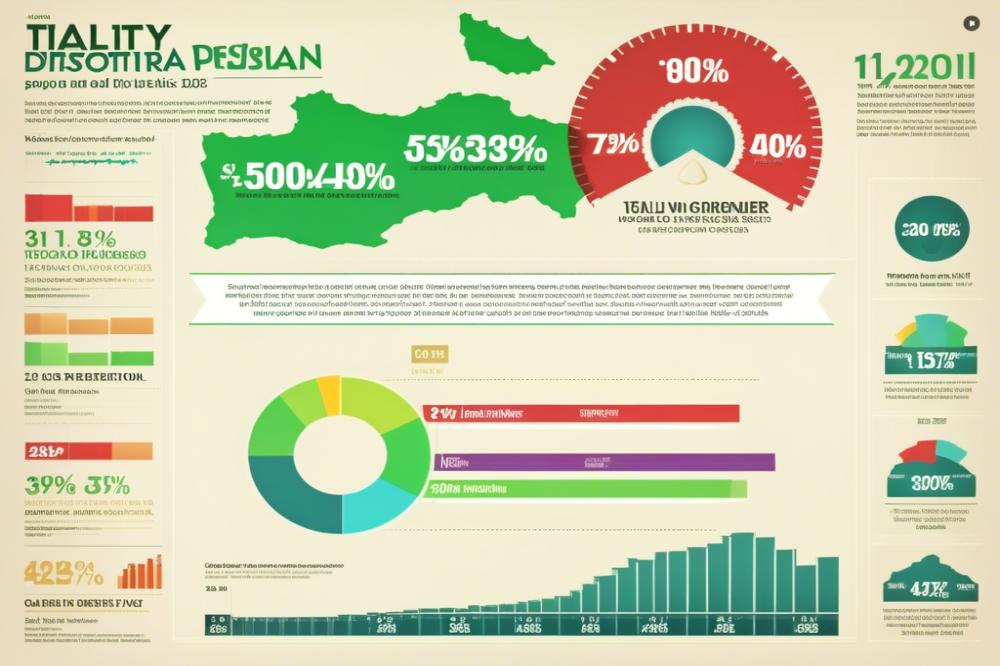
Italy’s current population has reached approximately 58 million people. This figure shows subtle changes over recent years. Understanding the dynamics behind these numbers sheds light on significant demographic shifts affecting the nation.
Overview of Current Population Statistics
Population density varies widely across regions. Urban areas like Rome and Milan are bustling with people, while rural regions often face depopulation. Changes in birth rates contribute to these trends, as fewer children are being born compared to previous decades. Migration patterns also impact population size. Many Italians have sought opportunities abroad, while newcomers bring diverse talents and perspectives. This constant ebb and flow paints a complex picture of Italy’s demographic landscape.
Analysis of age distribution across Different Cohorts
The age distribution in Italy reveals a trend towards an aging population. Older citizens, particularly those aged 65 and above, represent a growing segment. This shift results from increased life expectancy and declining birth rates. Young people, on the other hand, are becoming a smaller proportion of the population. Factors influencing these changes include economic pressures and shifting societal norms regarding family and work. Young adults face challenges in finding stable jobs and starting families. The implications of this reality echo through various aspects of daily life.
gender distribution Trends and Implications
Gender distribution in Italy shows a slight imbalance, with women making up a majority of the population. This trend is partly due to longer life expectancies among females. The socioeconomic factors affecting men and women in the workforce differ significantly. Women often face challenges in career advancement, even with higher educational attainment. Shifting societal roles are reshaping family dynamics and expectations. Urbanization has painted a different picture in cities, where dual-income households are more common. However, traditional views still persist in some areas, complicating gender equality efforts.
Aging Population

Italy has a significant trend toward an aging population. Over recent decades, the number of older adults has increased remarkably. This change affects not only family structures but also the economy and public services. Understanding the factors behind this trend is essential for grasping Italy’s demographic shifts.
One major aspect influencing this aging trend is increased life expectancy. Italians are living longer due to better healthcare and advances in medical technology. Nutrition and healthier lifestyles also play critical roles. Moreover, socioeconomic factors like education and income contribute to longevity. Health awareness has become a priority, further pushing life spans up.
As the population ages, there are considerable demands on social services and healthcare. Hospitals and clinics must adjust to care for a growing number of elderly people. This means more resources for geriatric care, rehabilitation, and chronic disease management. The shift can strain public budgets, especially with lower birth rates leading to fewer young workers in the future.
Italy’s gender distribution also complicates this picture. Women outlive men, leading to a higher number of elderly females. This imbalance accentuates the need for supportive services tailored to women. With a greater percentage of older adults living alone, social programs must adapt to meet their needs. Not all cities handle urbanization equally, resulting in varied population density and aging patterns across the country.
Migration patterns present another layer to the demographic changes. Younger individuals often leave for opportunities abroad, while retirees may migrate to sunnier regions within Italy. This leaves certain areas with an older population and fewer workers. The reduction of the working-age demographic impacts the economy, causing potential labor shortages.
Finally, the implications of these trends reach beyond immediate support systems. The aging population affects the workforce dynamic. Businesses may find it hard to fill positions left by retiring workers. Planning for these shifts will require strategic foresight from both the public and private sectors. As Italy navigates these demographic changes, proactive responses will be vital for a sustainable future.
Birth Rates and population trends
Italy’s birth rate has seen significant changes in recent years. Currently, the nation experiences one of the lowest birth rates in Europe. Recent statistics indicate that there are about 1.24 births per woman, which is below the replacement level. Historical comparisons reveal a stark contrast with levels that once exceeded 2.0 in the 1960s. This decline reflects broader demographic changes that impact family structures.
Examining population trends offers a clearer picture of growth or decline. Italy’s overall population is gradually decreasing. Reports suggest that the population peaked around 2014 and has since slipped. This downward trajectory can be attributed to a combination of low birth rates and aging citizens. As life expectancy increases, the proportion of elderly individuals grows. Thus, the aging population has become a defining characteristic of the demographic landscape.
Societal factors play a crucial role in shaping birth rates. Urbanization influences family size, as more people move to cities. In urban areas, housing costs rise, making families hesitant to have more children. Additionally, socioeconomic factors are significant. Many young Italians face job insecurity and economic challenges, leading to delays in starting families. Migration patterns also affect population density, as immigrants tend to have higher birth rates than natives, sometimes balancing demographic shifts.
The impact of the workforce is noteworthy. A shrinking workforce poses economic risks, which further complicates birth rate dynamics. Many working individuals emphasize career development over family life, contributing to delayed parenthood. This decision affects the timing and number of children expected per family. Consequently, policymakers must navigate these societal attitudes while considering solutions to reverse declining trends.
Migration Patterns
Italy has long been a land of movement. Immigration and emigration trends shape the nation’s social fabric. Over the years, many people have moved to Italy from various countries. These newcomers bring different cultures and traditions. Conversely, some Italians leave for opportunities abroad, searching for better prospects. This movement creates a dynamic interaction within Italy’s population.
Migration affects gender distribution and population trends. Often, men migrate for work, leaving women and children behind. Families sometimes reunite later, leading to shifts in demographic changes. This pattern also influences birth rates, as newly settled families may have different expectations about family size. Various regions experience differing levels of population density due to migration. Work opportunities lead people to urban areas, changing the landscape of communities.
Socioeconomic factors play a crucial role in migration patterns. Economic instability in home countries drives many to seek a future in Italy. Additionally, Italy’s diverse economy offers jobs that attract foreigners. While some improve their circumstances, others face challenges in adapting. Language barriers and cultural differences can create obstacles for integration. Nonetheless, a rich tapestry of cultures emerges, contributing to the nation’s uniqueness.
Urbanization is also tied to migration. Many migrants settle in larger cities, which are ripe with opportunities. These urban centers often become melting pots of various ethnicities. The workforce impact is significant, too. Young migrants often fill in sectors struggling to find employees. This influx contributes to Italy’s economic vitality while also exposing tensions between locals and newcomers.
Overall, migration shapes not only demographics but also Italy’s identity. Navigating these changes requires understanding the complex layers of human experience. The nation stands at a crossroads, where the effects of past and present migration will define its future.
Urbanization and Population Density
The distribution of Italy’s population reveals a stark contrast between urban and rural areas. Major cities like Rome, Milan, and Naples are bustling with life, attracting individuals from various backgrounds. Rural regions are often quieter, with fewer residents. This shift from country to city has significant implications for the nation’s demographic landscape.
Urbanization transforms communities in several ways. It fuels changing gender distribution patterns, as more young adults flock to urban centers in search of jobs and opportunities. Birth rates in cities tend to be lower compared to rural areas. Families often prioritize careers in urban environments, shifting societal norms regarding starting a family.
Population trends show a considerable migration from small towns to larger metropolitan areas. Many seek the promise of better job prospects and modern amenities. This migration impacts local economies as well as community structures. As the urban population grows, the effects of demographic changes become evident.
Population density in major cities presents notable challenges. High concentrations of residents can lead to increased competition for resources. Transportation systems often become stretched, impacting daily commutes. Healthcare services may find it hard to keep pace with demand, particularly as the country faces an aging population.
Socioeconomic factors also play a role in urban living conditions. The workforce impact of city living is profound. Many workers find themselves navigating a fast-paced environment where the cost of living is high. Such pressures can influence social dynamics, often placing a strain on relationships and community engagement.
In summary, Italy’s urbanization intricately intertwines with its ongoing demographic shifts. Understanding these elements helps paint a clearer picture of the nation’s future. Each city tells a story of its own, influenced by various factors. The next chapters in Italy’s demographic narrative remain to unfold amid ongoing changes.
Workforce Impact
Analysis of Age Structure on Workforce Participation
Age distribution plays a significant role in workforce participation in Italy. Many older workers remain in their jobs longer, which can benefit companies. However, younger workers are not entering the workforce at the same rate. This situation creates an imbalance. Current demographic changes show a decline in birth rates over recent decades. Fewer young people mean a smaller workforce to support the economy. Gender distribution also influences participation rates. Women are often underrepresented in certain industries, despite their increasing involvement in the labor market.
Challenges Posed by an Aging Workforce
An aging population presents several challenges. Older workers possess valuable experience but may face health issues that affect their productivity. Adapting to new technologies can be difficult for some, leading to potential gaps in skills. Employers may need to invest in additional training for these employees. Moreover, workplace dynamics shift as younger generations enter with different expectations. The varying priorities among age groups can create tension. Companies must address these factors to maintain a harmonious work environment. Socioeconomic factors like retirement age also play a crucial role. Many workers are choosing to retire later, affecting job openings for younger individuals.
Future Workforce Projections and Necessary Adjustments
Future projections indicate that Italy’s workforce will continue to shrink. By analyzing migration patterns, the country may attract younger workers from abroad. However, this strategy comes with its own challenges. Integrating these newcomers into the workforce requires careful planning. Urbanization further impacts population density and employment opportunities. Cities may enjoy more robust job markets, while rural areas face decline. To combat these issues, companies must consider flexible work arrangements. Embracing remote work could appeal to diverse demographics. Adapting to these changes is crucial for sustaining economic growth. The workforce landscape is shifting, and businesses need to prepare accordingly.
Final Thoughts on Italy’s Demographic Landscape
The demographic shifts observed in Italy reveal critical insights about the country’s future. Changes in age and gender distribution indicate an increasingly aging population. Fewer young people are entering the workforce, which presents challenges for economic growth. Furthermore, these trends suggest that social services may face greater demands as more citizens reach retirement age.
Implications of these shifts are significant for policy makers. Strategies must be developed to address potential labor shortages. Investments in education and training can equip young Italians to meet the demands of modern jobs. Additionally, support for the elderly population will become increasingly essential. Balancing resources among different age groups will be key to maintaining stability. Such planning is crucial to avoid overwhelming social systems.
Ongoing demographic analysis is vital for ensuring socioeconomic stability. Understanding population trends allows for better forecasting of needs within society. This insight helps communities plan for healthcare, housing, and education. As a result, every sector benefits from clear strategies based on accurate data.
The unique characteristics of Italy’s gender distribution and aging population highlight the country’s need for adaptable measures. Monitoring demographic shifts over time can inform future actions. Without continuous scrutiny of trends, it becomes difficult to anticipate challenges. Italy stands at a crossroads, and the decisions made today will shape its society for years to come.