
Understanding Regional Inequality in Italy
Italy stands as a country of stark contrasts. Its regions showcase varied landscapes, rich cultures, and diverse histories, yet economic fortune is not equally shared among them. North Italy enjoys relative prosperity, featuring stronger job markets and enhanced infrastructure. Meanwhile, South Italy faces persistent challenges, such as high unemployment and lower average incomes. This situation leads to noticeable income disparity that affects local communities across the nation.
economic disparities often shape the way people live and work. The lack of jobs in Southern areas pushes many to seek opportunities elsewhere, which disrupts families and social ties. This creates a struggle for social mobility and greater economic development in those regions. Recognizing these differences is crucial for understanding Italy’s social fabric and the experiences of its citizens.
Analyzing regional gaps in wealth helps shed light on broader issues. Policy interventions aimed at bridging these divides can be complex. However, these actions are essential for fostering balanced growth. If communities thrive together, the potential for collective betterment becomes evident. Overall, examining how Italy regional inequality shapes experiences offers insight into the challenges faced by local communities and how they can work towards a more equitable future.
Italy regional inequality
Definition of Regional Inequality
Regional inequality refers to the uneven distribution of economic resources and opportunities across different areas. This phenomenon can lead to significant differences in income, employment rates, and overall quality of life. It often affects local communities, creating a gap between those that thrive and those that struggle.
Historical Context of economic disparities Between North and South Italy
To understand the present, one must look back. Historically, North Italy enjoyed more industrialization and economic growth compared to South Italy. After the unification in the 19th century, disparities became more pronounced. Efforts to promote Southern development have often fallen short, perpetuating a cycle of poverty. Industrialization in the North attracted investment, while the South lagged behind, relying more on agriculture and tourism.
Statistics Illustrating Income Disparity and Unemployment Rates
Current statistics shed light on this issue. In North Italy, the average income is significantly higher than in South Italy. For instance, a report states that Northern regions boast an average income of around €35,000, while Southern areas average just €20,000. Unemployment rates follow a similar pattern. The South struggles with rates near 20%, compared to about 6% in the North. These figures highlight the stark reality faced by many in local communities.
Cultural Differences Contributing to Economic Divides
Cultural differences also contribute to the economic divide. Southern regions have rich traditions and communal ties, but these can pose challenges for social mobility. In some cases, a lack of investment in education hampers growth. In contrast, Northern regions often see cultural emphasis on innovation and workforce development. Such disparities influence regional development and play a significant role in shaping local economies.
Impact on Local Communities
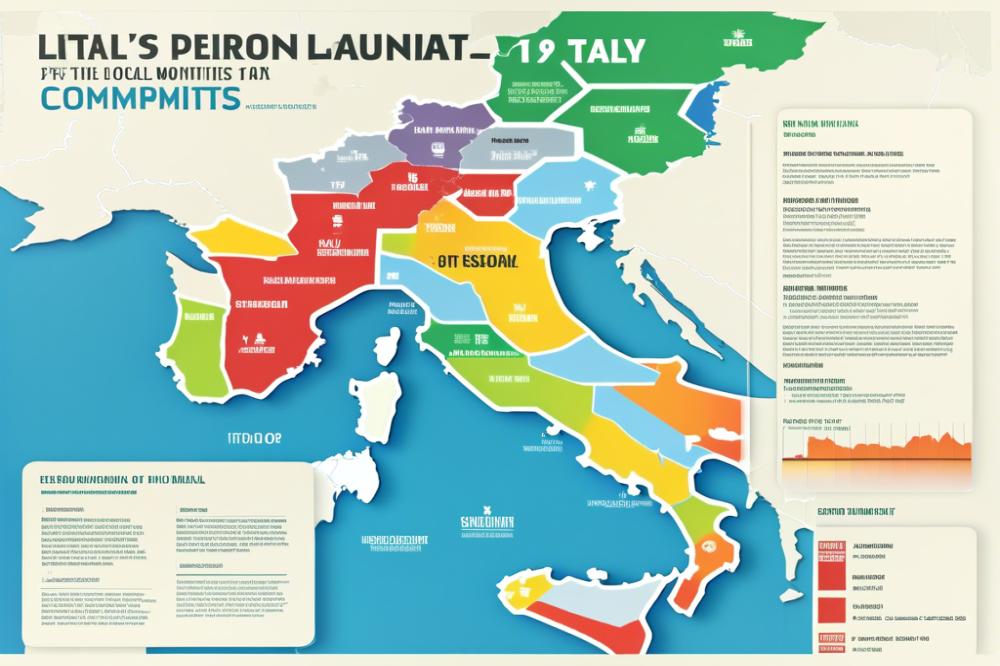
Economic development has powerful effects on local areas. In Italy, the gap between North and South creates distinct challenges. In South Italy, many towns struggle with fewer job opportunities. The unemployment rate in these regions is often higher than in the North. This discrepancy leads to stark income disparity, affecting families and local businesses.
Social Mobility Challenges
Social mobility is a major issue in South Italy. Young people often feel trapped in a cycle of low-quality jobs or unemployment. Education and training opportunities are limited. In contrast, North Italy boasts more resources for advancement. Vibrant economies provide paths for young people to thrive. Cultural differences between the two regions also play a role. Northern Italians often have access to networks that encourage professional growth, while southern counterparts may not.
Unemployment Rates and Their Consequences
High unemployment can destabilize communities. In South Italy, towns can seem deserted as youth leave in search of jobs. Families suffer when breadwinners cannot find work. This creates a ripple effect on local businesses. Store owners see less foot traffic, leading to closures. With fewer jobs, many communities face economic stagnation.
Case Studies: Success and Struggles of Local Communities
Examining local communities reveals a diverse picture. In North Italy, some towns flourish due to strong manufacturing sectors. Their economies benefit from investments and innovation. Conversely, Southern cities like Naples struggle with high unemployment. Policy interventions have aimed to stimulate growth, but results vary. Initiatives to promote tourism and agriculture show promise, yet challenges remain ongoing.
In a small town in Calabria, local leaders launched a project to support artisans. This initiative helped revive interest in traditional crafts. Residents noticed an increase in visitors and, thus, income. However, many towns in South Italy lack similar success stories. Their economic troubles continue to affect daily life, and families face constant uncertainty.
Policy Interventions and Responses
Government efforts to tackle regional inequality have been varied. Programs targeted at economic development play a crucial role. Policies aim to bridge gaps between the prosperous North Italy and the struggling South Italy. Initiatives have included funding for infrastructure and incentives for businesses to invest in less developed areas. These measures are designed to reduce income disparity and boost employment rates in local communities.
The effectiveness of regional development initiatives can be mixed. Success stories exist, with some regions showing improved social mobility and reduced unemployment rates. However, results are not uniform across the country. Many areas still face significant challenges. Economic growth remains inconsistent, often failing to reach the communities that need it most.
Local Governance and Community Engagement
Local governance plays a vital role in addressing these disparities. Councils often collaborate with residents to identify needs and implement effective solutions. Community engagement fosters a sense of ownership among locals. Engaged citizens are more likely to support initiatives that encourage economic development. This grassroots approach can lead to innovative solutions tailored to specific regional issues.
Specific case studies illustrate the power of local involvement. In some successful regions, governments partnered with citizens to enhance public services. These partnerships helped bridge cultural differences and align development goals with local interests. The support from local communities made a noticeable difference in project outcomes.
Best Practices from Successful Regions
Examining regions that have thrived offers valuable lessons. For example, areas that prioritize education and skill development see greater success. Investing in human capital creates a more adaptable workforce. Innovative projects have also emerged from targeted tourism development. This approach has stimulated local economies while preserving cultural heritage.
Another effective strategy involves providing easy access to resources for small businesses. Programs that offer training and financial assistance can empower entrepreneurs. By supporting local enterprises, these initiatives strengthen economies in response to tough competition. Collaborative efforts often yield positive results, as communities band together to tackle their challenges.
Future Directions
Proposals for Enhancing Economic Development in Disadvantaged Regions
Regions in South Italy often face more significant economic challenges compared to those in the North. To boost growth, targeted investments are necessary. Infrastructure improvements can connect these areas better. Better roads and public transport will make it easier for businesses to thrive. Support for small and medium enterprises can also create jobs. Local governments should collaborate with businesses to develop strategies that focus on job creation. Building economic hubs in struggling areas might draw more attention and resources.
Discussion on Fostering Social Mobility and Employment Opportunities
Social mobility remains a critical issue in many local communities. It is essential to create pathways for individuals to improve their economic situation. Greater access to education and vocational training programs can help bridge the gap. Scholarships and grants for promising students in disadvantaged regions could make a difference. Employment opportunities must also expand. Encouraging companies to establish themselves in South Italy may alleviate unemployment. Public-private partnerships can play a crucial role in this effort.
The Potential Role of Cultural Initiatives in Bridging Gaps Between Regions
Cultural differences often contribute to feelings of disconnect between North and South Italy. By investing in cultural initiatives, communities can promote understanding and cooperation. Art festivals that celebrate regional heritage can draw visitors and strengthen local pride. Programs that encourage exchange among various regions may foster collaboration. Celebrating culinary traditions, for example, can create economic opportunities while bridging cultural divides. Cultural events can also enhance tourism, generating income for local businesses and reducing income disparity.
Key Insights and Moving Forward
The exploration of regional inequalities in Italy reveals stark contrasts. Economic disparities have a significant impact on local communities, particularly in the South. Northern regions like Lombardy and Veneto often enjoy higher income levels, better job opportunities, and improved public services. In contrast, the South grapples with unemployment and a lack of investment, which hampers growth.
Findings show that these disparities affect not just economics but also social cohesion. Communities in the South frequently struggle with issues such as poverty and limited access to education. Youth in these regions may feel overlooked, leading to a brain drain as they migrate to the North or abroad in search of better opportunities. Such movements can weaken the fabric of southern localities, making it crucial to address these issues.
Addressing economic disparities is vital for the future of the entire country. Policymakers must acknowledge that fostering growth in all regions is essential. Simple solutions may not suffice. Each region has its distinct needs and challenges that require targeted actions. By focusing on local needs, leaders can create tailored solutions that empower communities.
Community leaders play an important role in this process. They must advocate for their regions, pushing for investments and policies that uplift local economies. Collaboration between regions can also prove beneficial. Exchanging ideas and resources may lead to innovative strategies that can drive change.
In summary, tackling Italy’s economic disparities is crucial. It isn’t just a matter of fairness; it’s about fostering growth and unity across the nation. By prioritizing the needs of local communities, Italy can move toward a brighter and more equitable future.