
Exploring the Enchantment of Montecristo Island
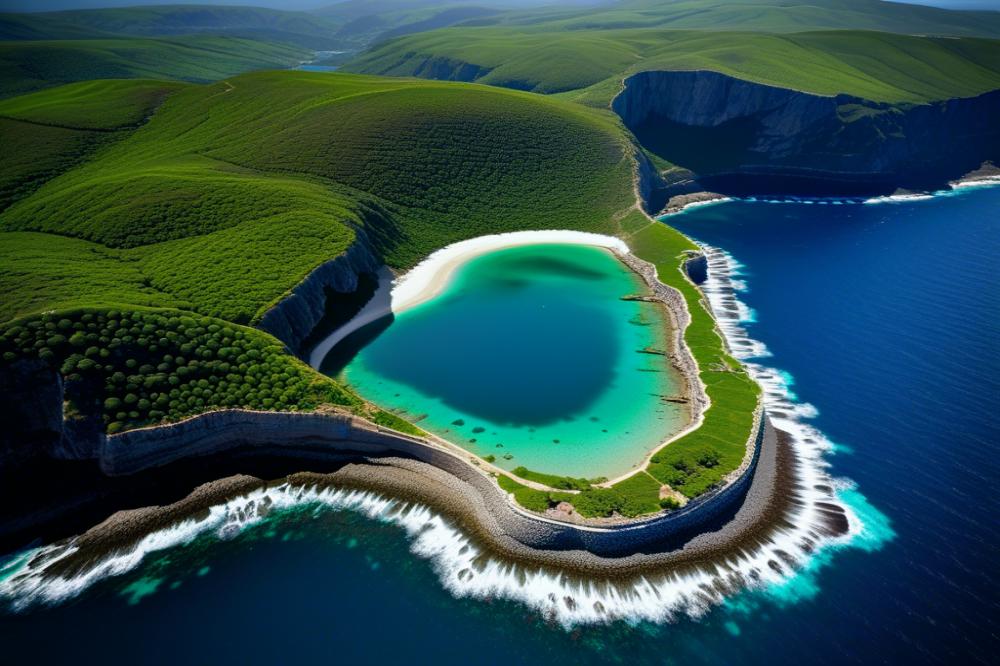
Montecristo Island, nestled in the heart of the Mediterranean, is a destination that captivates adventurers and nature lovers alike. Known for its breathtaking landscapes and rich ecology, this remote isle offers a unique escape from the bustle of modern life. Visitors can immerse themselves in its pristine environment, where rugged cliffs meet crystal-clear waters.
Beyond its natural beauty, the island holds remarkable historical significance. Legends of myths and ancient tales weave through its past, capturing the imagination of all who hear them. Notably, it was once linked to Napoleon, who famously brushed against its shores during his storied life. This intriguing blend of history and myth adds depth to the experience for anyone who ventures here.
Conservation efforts are crucial in maintaining the island’s biodiversity. As a designated nature reserve, Montecristo serves as a sanctuary for various plant and animal species. Keeping this ecology intact requires dedication and attention. Understanding the island’s environment emphasizes the importance of protecting such incredible habitats.
Overall, Montecristo Island stands as a testament to Italy‘s natural heritage. The blend of stunning landscapes, rich history, and commitment to conservation create a destination that offers more than just a holiday. It beckons explorers to uncover its secrets and engage with its past.
The History of Montecristo Island
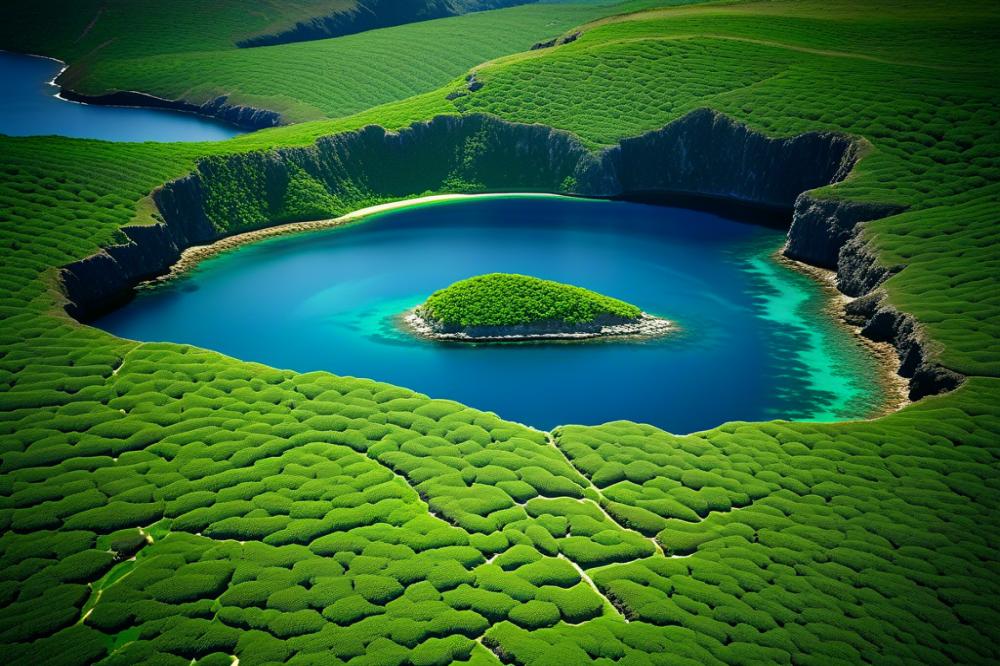
Montecristo Island, located in the Tyrrhenian Sea, holds a complex history stretching back to ancient times. Evidence suggests that the island was inhabited as early as the Roman period. It served as a crucial stopping point in the Mediterranean trade routes. Merchants and sailors valued its location, allowing for easier passage between Italy and other Mediterranean countries.
Early settlers recognized the island’s strategic importance. They established small communities there, relying on the rich natural resources. Fishing and agriculture were vital to their way of life. The surrounding waters teemed with diverse species, while the land provided ample opportunities for farming. Montecristo’s isolation also contributed to its mystique, giving rise to various myths. Many local tales speak of hidden treasures and ancient secrets.
Later, during the 19th century, Montecristo gained notoriety due to its connection to Napoleon Bonaparte. After his defeat, he was exiled to Elba, not far from the island. However, records indicate that he often gazed at Montecristo, possibly dreaming of escape or reflecting on his past. This connection to such a historical figure adds a fascinating layer to the island’s narrative.
In more recent times, a focus on conservation and ecology has emerged. Montecristo was declared a nature reserve in the 1970s to protect its biodiversity and unique species. The island’s dramatic landscapes include rugged cliffs and lush vegetation, showcasing the beauty of untouched nature. Efforts to conserve the area highlight the balance between preserving history and safeguarding the environment.
Archeology has also played a role in understanding the past of Montecristo. Various excavations have revealed artifacts that provide insight into the lives of its former inhabitants. Each discovery adds to the rich tapestry of the island’s narrative, illustrating how human history intertwines with the environment.
Myths and Legends Surrounding Montecristo Island
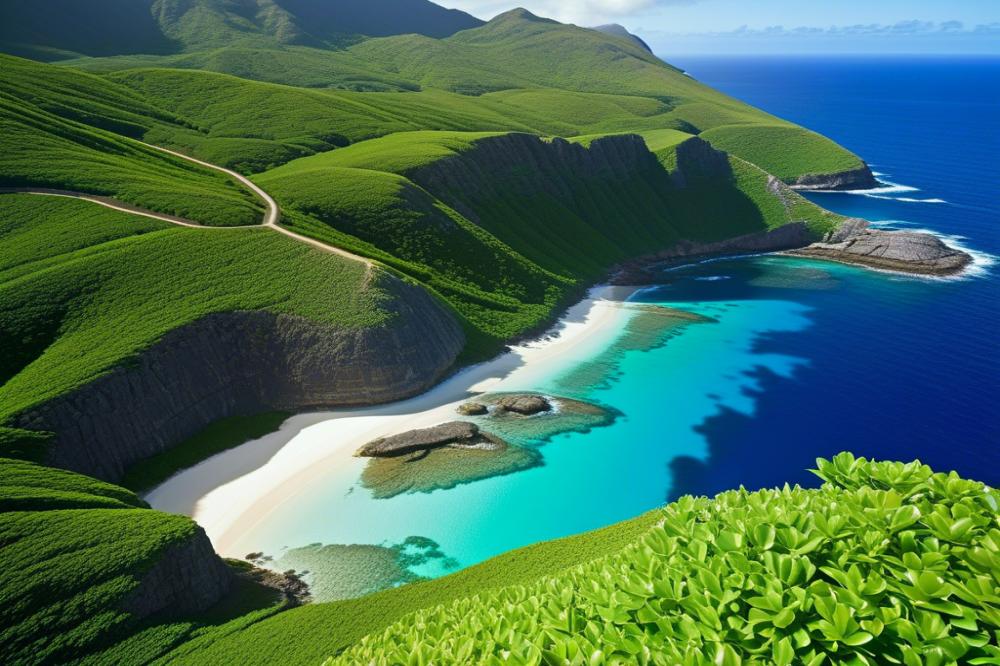
Folklore plays a key role in shaping the identity of many places, and this island is no exception. Local tales swirl around the mysterious nature of this hidden gem in the Mediterranean. Legends speak of lost treasure and secrets buried within its cliffs. Many stories describe it as a refuge for pirates and outlaws. Over generations, these narratives have woven a rich tapestry of myth that captivates imagination.
One of the most significant connections is to Alexandre Dumas’ famous novel, “The Count of Monte Cristo.” Although written in the 19th century, the book brings the island into worldwide fame. Dumas used the island as a backdrop for themes of adventure and revenge. This has led many readers to associate the real place with the fictional exploits of Edmond Dantès. As a result, the novel has enhanced the allure of the island, inviting more visitors intrigued by its history.
Tourism thrives on the island’s unique reputation. Many travelers seek to uncover the truth behind the myths. The stories have given rise to a sense of adventure and mystery, attracting those who wish to explore its untouched beauty. The blend of these myths and stunning scenery elevates the visit to a memorable experience. Visitors often leave feeling as if they’ve stepped into a storybook.
Ecological importance also ties into the island’s myths. Home to a variety of unique species, its biodiversity is remarkable. Conservation efforts strive to protect this natural reserve, ensuring its survival amidst human influence. The connection between history, ecology, and local tales enhances its significance. Each visit offers a glimpse into how nature and legend intertwine in this isolated paradise.
Additionally, some myths connect back to iconic figures, such as Napoleon. Folklore suggests that he may have visited, adding to the historical charm. These tales deepen appreciation for the island’s rich past. Its archaeological findings provide tangible evidence of the many cultures that have touched the land. Explorers seeking history alongside stunning landscapes find their journey truly rewarding.
Ecology and Biodiversity of Montecristo Island
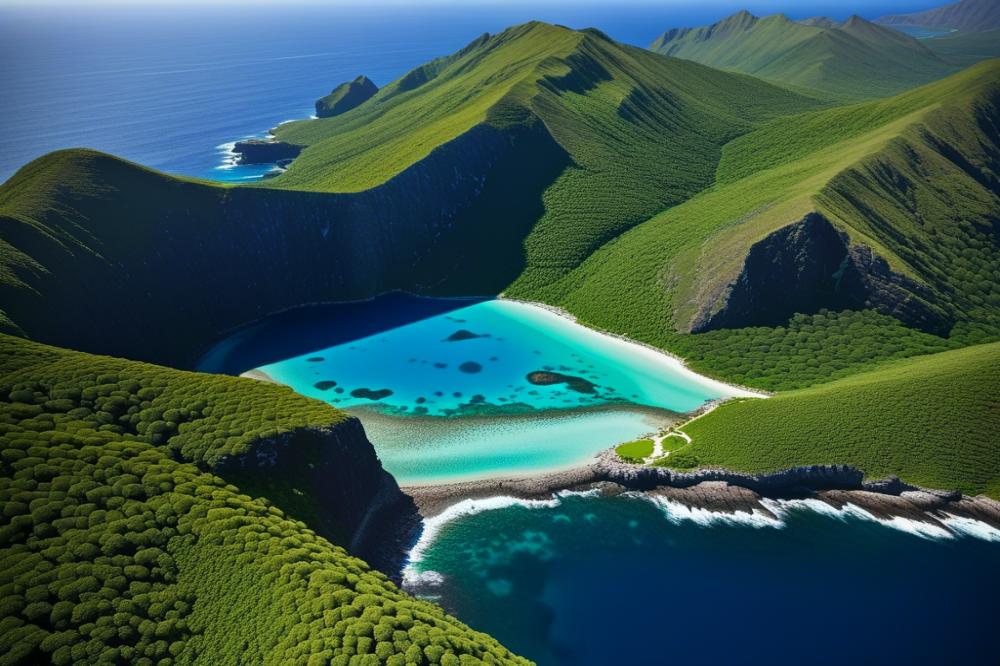
Montecristo Island is known for its rich ecology and diverse habitats. These ecosystems host many species that are not found anywhere else. Dense forests, rocky cliffs, and pristine beaches create a complex environment. Such variety allows different life forms to thrive in this isolated area.
Flora on the island reflects the Mediterranean climate. Several plants are native to this location and have adapted to the unique conditions. Among them, the famous Montecristo broom is well-known for its beauty. Other species include rare herbs and shrubs that play vital roles in the ecosystem. Each species contributes to the overall health of the habitat.
Wildlife is just as fascinating. Many birds, particularly seabirds, make their nests in the island’s cliffs. This nesting ground is crucial for their survival and contributes to regional biodiversity. Mammals are few but include the endemic Montecristo ibex, which resides in rocky areas. Small reptiles also thrive here, showcasing the island’s ecological variety.
The importance of this nature reserve cannot be overstated. Since it has limited human activity, the area acts as a sanctuary for many animals and plants. Such a setting enriches our understanding of conservation efforts. Protecting this site helps maintain balance within Mediterranean ecosystems. It also offers insights into historical land use, including the era of Napoleon, and the myths surrounding the island.
Additionally, the history etched in the soil provides opportunities for archeology. Researchers study ancient ruins to learn how past societies interacted with the Land. Insights gained from these studies can inform modern conservation practices, ensuring that this treasure of biodiversity endures.
Archaeological Significance of Montecristo Island
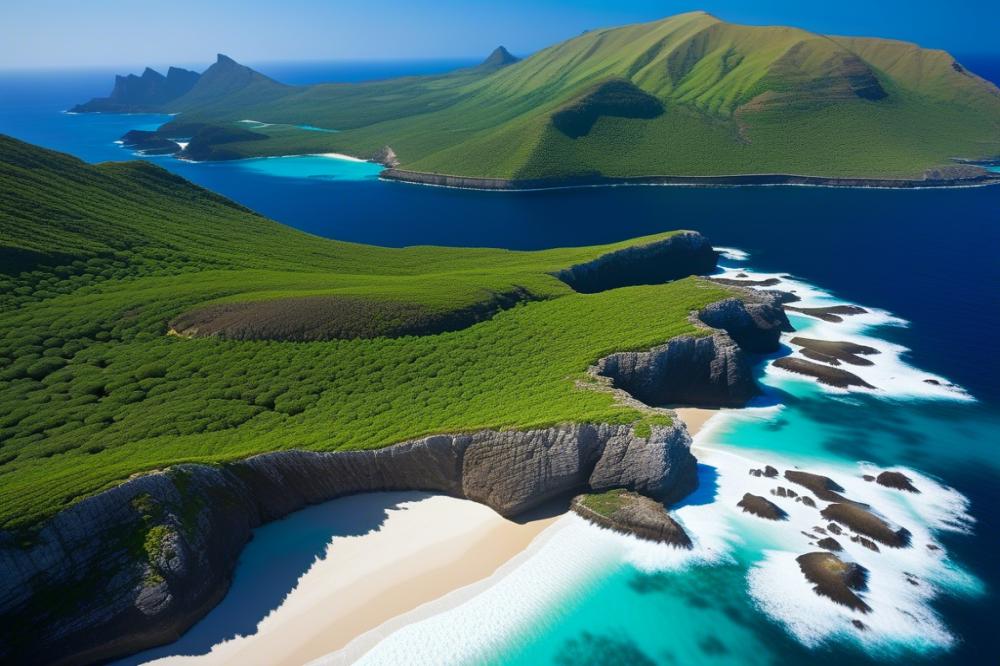
Montecristo Island, located in the Mediterranean, presents a rich tableau of archaeological discoveries. Recent excavations have unveiled ancient artifacts that speak to the island’s past. These findings include pottery, tools, and remnants of structures used by earlier inhabitants. Researchers have identified signs of ancient cultures, which managed to thrive in this isolated area.
Insights into these ancient societies reveal their ways of life and interactions with the environment. They engaged in trade, hunting, and gathering, highlighting a community deeply attuned to nature’s offerings. Myths surrounding the island, often associated with figures like Napoleon, add layers to its history. Such narratives intertwine with archaeological evidence, providing a fuller picture of human activity across the centuries.
Current efforts emphasize the importance of ongoing research and preservation. Protecting archaeological sites ensures that future generations can learn from them. Studies on the island contribute to understanding biodiversity and how human habitation influenced local ecology. The area is currently a nature reserve, which aids in the conservation of its unique flora and fauna. Safeguarding this heritage is crucial for both historical study and ecological balance.
Ecotourism and Conservation Efforts
Tourism on the island has taken on an ecological focus in recent years. This shift allows visitors to appreciate the natural beauty while also supporting conservation. As a nature reserve, the island is part of Italy’s commitment to protect its unique biodiversity. Tourists are drawn to views of rare plants and animals, making it a prime destination for ecotourism.
Finding a balance between the needs of visitors and the island’s conservation efforts is crucial. Too many tourists can harm the fragile ecosystem. To combat this, strict rules are in place. These regulations limit the number of visitors annually, helping to preserve the area’s ecology. Tourists often engage in guided tours that educate them about the environment and the historical significance of the site.
Various initiatives are underway to protect both the natural environment and its historical remnants. Efforts focus on preserving the landscape where myth and history intertwine, such as stories surrounding Napoleon’s time on the island. Investments in archeology also play a role, as researchers uncover artifacts linked to the past. Collaborations between local authorities and conservation groups aim to raise awareness, inspiring responsible tourism experiences.
Respect for the island’s heritage and ecology is essential for ongoing success. Visitors are encouraged to leave no trace, ensuring that the beauty remains for future generations. Programs promoting educational workshops aim to foster a sense of stewardship among tourists. With these combined efforts, Montecristo can remain a cherished part of Italy’s Mediterranean landscape.
Final Thoughts on Montecristo Island’s Legacy
The historical significance of Montecristo Island lies in its rich past and remarkable natural beauty. Originally, it served as a refuge for those seeking solitude and inspiration. Monks once inhabited the island, leaving behind traces of their spiritual journey. Today, it stands as a protected area that showcases not only fascinating history but also breathtaking landscapes.
Visitors can appreciate a variety of cultural, ecological, and historical elements that make the island special. Diverse flora and fauna thrive here. This aspect highlights the biodiversity that contributes to the environmental narrative of Italy. Understanding the harmony between nature and history enhances our appreciation for such places.
Travelers should consider visiting Montecristo Island, but it is crucial to do so responsibly. Taking part in activities that honor its heritage is essential. Observing guidelines related to conservation ensures that this natural wonder can be preserved for future generations. Each step we take matters in protecting this gem.
Respecting the island’s past and the efforts to maintain its pristine condition will enrich the experience. Truly, by valuing its unique history and ecology, we can foster a deeper connection with this remarkable part of the world. Let us explore responsibly and celebrate the beauty that Montecristo Island represents.

