
Florence’s Fashion Heritage
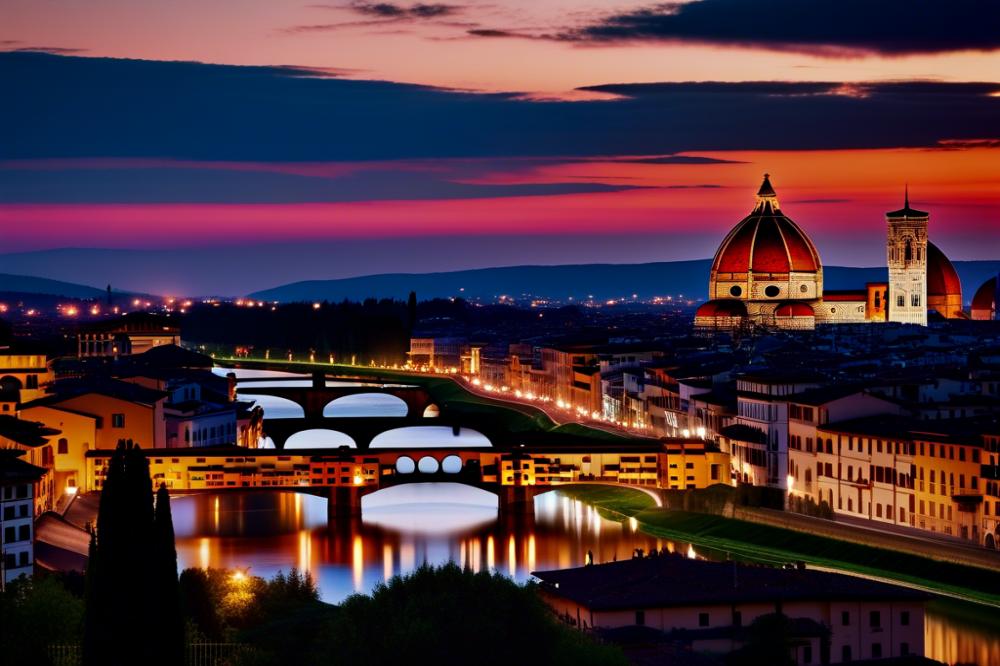
Florence stands as a beacon of style and elegance in the world of fashion. The city’s rich fashion heritage is unmistakable, showcasing a blend of history and modernity. Many people associate Florence with the birth of Italian fashion. This vibrant city nurtured iconic designers and brands that have shaped the global style landscape. Among these, Gucci and Ferragamo are standout names. They are not merely brands; they represent a legacy in luxury and innovation.
Fashion lovers flock to Florence to explore its avenues lined with designer boutiques. Here, shoppers can find exquisite leather goods, a testament to the city’s unparalleled craftsmanship. Both Gucci and Ferragamo offer a glimpse into the artistic minds of their founders. Gucci, known for its bold designs, has become a household name. Ferragamo, on the other hand, emphasizes comfort while maintaining a high level of sophistication. Together, they embody the very essence of Florence fashion.
Luisa Via Roma, another gem in Florence, showcases cutting-edge couture. This store curates a selection of both established and emerging designers. It represents a unique fusion of traditional and contemporary styles. Fashion history runs deep in every corner of this city. The atmosphere pulsates with creativity, making it a true fashion capital.
Visiting Florence allows individuals to experience the rich tapestry of Italian fashion. From opulent boutiques to smaller artisan shops, there is something for everyone. The significance of these brands in both local and international markets cannot be overstated. They not only contribute to the economy but also inspire future generations of designers. In this city, fashion lives and breathes, inviting all to participate in its legacy.
Florence fashion: A Historical Perspective
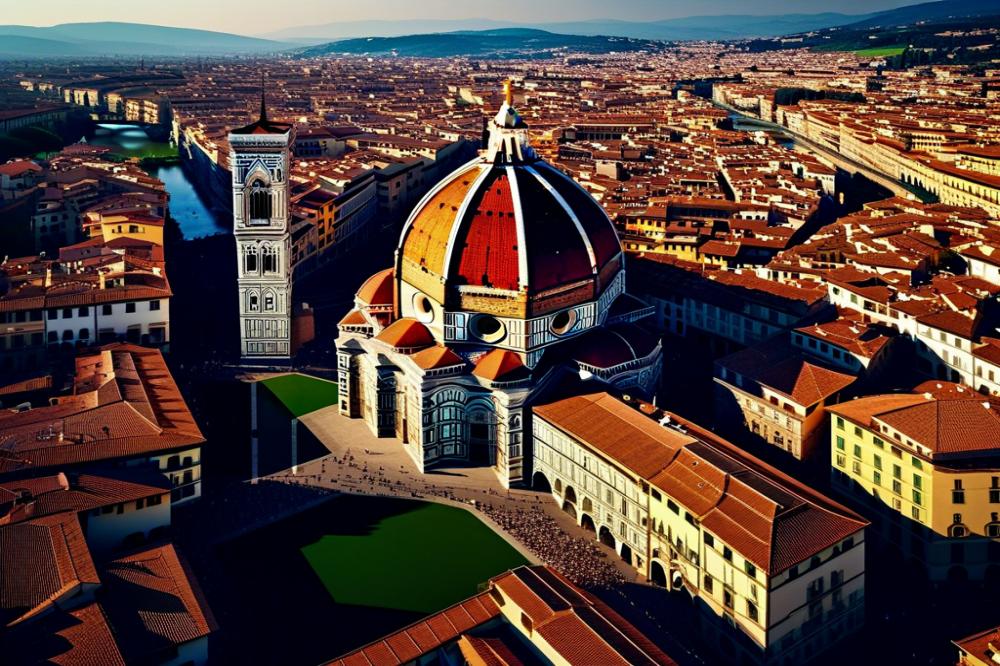
Florence’s fashion history dates back centuries, with deep roots in craftsmanship and luxury. During the Renaissance, this city became a hub for art and culture. The Medici family played a significant role in its rise as a fashion capital. Their patronage helped artisans create exquisite works that set trends across Europe.
As time progressed, couture in Florence evolved significantly. The city’s talented craftsmen began to specialize in leather goods, setting a standard for quality. Brands like Gucci and Ferragamo emerged from this rich tradition. Their innovative designs drew attention and solidified Florence’s status in Italian fashion.
Designer boutiques now line the historic streets of Florence. Each shop tells a story, showcasing generations of talent. Luisa Via Roma stands out among these, representing both tradition and modernity. Shoppers can find remarkable pieces that reflect the city’s heritage, from timeless handbags to cutting-edge fashion items.
Fashion heritage continues to thrive in this inspiring city. Influences from the past intertwine with contemporary trends, creating a vibrant scene. Craftsmanship remains a critical component, where attention to detail is paramount. The dedication to quality reflects the essence of Florence’s past, ensuring its future remains bright in the world of fashion.
Gucci: The Icon of Florentine Fashion
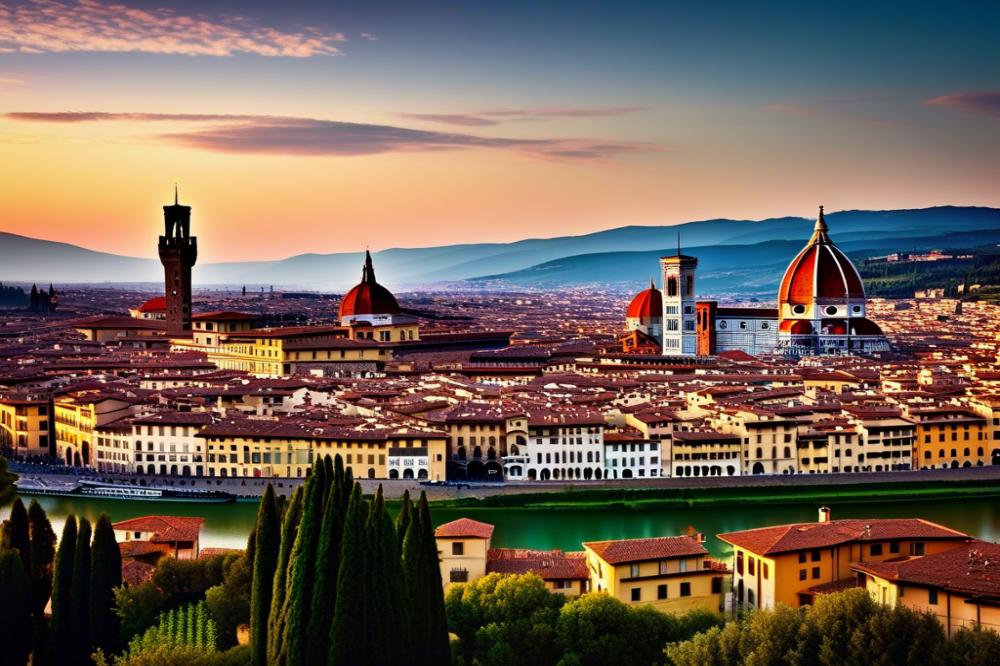
Founded in 1921, Gucci has become synonymous with luxury and style. This iconic brand originated in Florence, where it quickly made its mark on the world of fashion. An Italian craftsman named Guccio Gucci established the company, emphasizing quality and craftsmanship from the very beginning. Over the decades, the brand blossomed into a global powerhouse, shaping trends and setting standards within the industry.
Gucci’s influence on women’s clothing cannot be overstated. From its daring designs to its elegant silhouettes, the label has transformed how women view fashion. The brand is particularly well-known for its bold patterns and innovative use of leather goods, providing customers with both practicality and style. Signature products, such as the classic “G” logo and the iconic green-red-green stripe, have become staples in wardrobes around the world.
The brand continues to make waves in today’s fashion scene. With a blend of traditional craftsmanship and modern innovation, Gucci stays relevant amidst changing trends. Creative directors often draw on the heritage of the house while introducing fresh ideas, appealing to both long-time fans and new followers. New collections regularly showcase daring couture pieces, proving that Gucci remains a leader in Italian fashion.
Designer boutiques filled with Gucci’s luxurious offerings can be found in major cities. These stores provide a unique shopping experience, bringing the essence of Florence to the global stage. Each piece tells a story through intricate designs and skilled workmanship. Fashion enthusiasts often flock to these boutiques, eager to explore items that reflect a rich fashion history.
As an essential part of Florentine fashion heritage, Gucci has revolutionized industries and inspired countless designers. The brand’s commitment to quality and excellence is evident in every collection. Leather goods made by Gucci stand out for their durability and sophistication. They represent more than just accessories; they embody a lifestyle revered across the globe.
Ferragamo: The Master of Footwear and Beyond
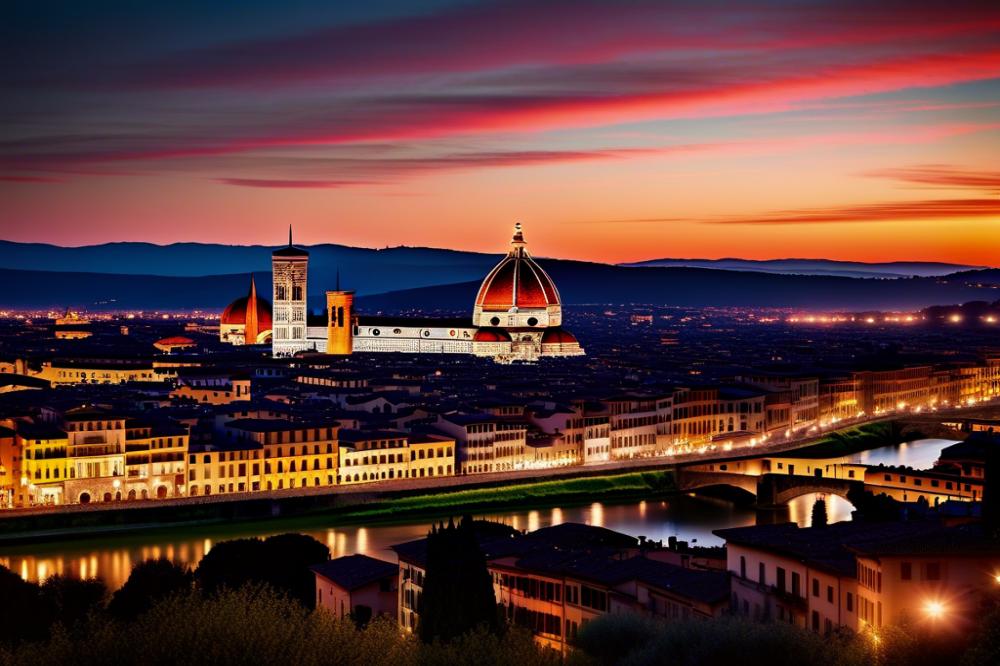
Salvatore Ferragamo is a name that resonates throughout the fashion industry. Known as the “Shoemaker to the Stars,” his legacy in Italian fashion is remarkable. He gained fame for creating stunning footwear that transformed how women viewed their shoes. Ferragamo revolutionized women’s footwear, focusing on comfort and style. His work became a symbol of luxury, reflecting the essence of couture.
This visionary opened a shop in Florence, his hometown, in 1927. Here, he began designing shoes that combined artistry with function. The use of unique materials set his brand apart from others. Inventiveness defined his approach. Ferragamo was known for experimenting with various leathers and fabrics, pushing boundaries in his designs. Iconic styles, such as the “Viva” heel, emerged from his creativity.
The brand continued to grow long after Ferragamo’s passing in 1960. Today, it remains a hallmark in the realm of luxury fashion. This iconic label has expanded its offerings beyond footwear. Now, it includes ready-to-wear apparel, leather goods, and accessories. The commitment to quality craftsmanship persists, ensuring each piece meets high standards.
Ferragamo’s influence is evident in today’s designer boutiques. His legacy lives on through modern designs that pay homage to his artistry. Fashion history highlights his dedication, marking significant milestones in the industry. The brand is often a favorite among celebrities and fashion enthusiasts alike. Elegant and sophisticated, Ferragamo products continue to capture the imagination of many.
Luisa Via Roma, a premier retailer in Florence, showcases Ferragamo’s collections alongside other prestigious brands like Gucci. The blend of tradition and innovation characterizes the current lineup. Bright colors and bold patterns dominate contemporary designs, attracting a younger audience. Yet, the timeless classics still hold a special place within the brand. Ferragamo’s journey reflects a rich fashion heritage that blends innovation with traditional craftsmanship.
Luisa Via Roma: The Modern Boutique Experience
Luisa Via Roma stands out as a premier destination for luxury shopping in Florence. This boutique embodies the spirit of Italian fashion, catering to a diverse clientele who seek both high-end couture and stylish accessories. Shoppers can explore an impressive array of designer boutiques that showcase both established labels and upcoming talents. Known for its beautiful layout and exquisite ambiance, the store offers a unique experience that attracts fashion enthusiasts from around the world.
Walking through the spacious aisles, visitors encounter curated collections that highlight the best in leather goods, vibrant clothing, and attention-grabbing accessories. Each piece tells a story, reflecting the rich fashion heritage of Italy. Emerging designers find a platform within this celebrated venue, gaining visibility alongside iconic names like Gucci and Ferragamo. This dedication to fostering new talent enriches the boutique’s offerings and adds layers to its collection.
In recent years, the emphasis on an online presence has transformed Luisa Via Roma into a global fashion hub. The website offers a seamless shopping experience, connecting with customers far beyond the streets of Florence. Virtual visitors can browse exclusive items and unique collaborations from the comfort of their homes. This blend of traditional shopping and modern technology elevates the boutique’s status, making it a vital part of the fashion capital’s landscape.
Through innovative collaborations and a commitment to quality, Luisa Via Roma pores over every detail. The boutique stands as a bridge between fashion history and contemporary trends. This dedication positions it as a leader in the evolving landscape of luxury retail. Each visit promises an invitation to discover something new and inspiring, making it a must-stop for anyone exploring the Italian fashion scene.
Florence as a Legacy of Italian Fashion
Tuscany has long influenced Italian fashion. This region is known for its rich tradition in crafting exceptional leather goods. Craftsmen in Florence have set high standards in quality and artistry. Many of the world’s most renowned brands have roots in this beautiful city. Gucci and Ferragamo are just two examples that showcase the blend of history and modern design.
Florence acts as a bridge between traditional craftsmanship and contemporary trends. The modern designer boutiques reflect a mix of heritage and innovation. Fashion lovers can see this unique combination in every piece they find. The city breathes creativity, with many artists and designers drawing inspiration from its past.
Fashion history in Florence is not just about the big names. It’s also about the smaller artisans who keep the craft alive. These skilled individuals often create items that reflect the heart of Tuscany. Whether it’s a stunning dress or a pair of stylish shoes, the emphasis on quality remains strong.
Luisa Via Roma stands as a prime example of this dynamic. It showcases both high-end couture and up-and-coming designers. Here, shoppers can explore a wide range of luxury items. People travel from all over to experience this fashion capital. This vibrant marketplace highlights the best of what Italy has to offer.
The legacy of Florence continues to impact women’s fashion today. Customers appreciate the meticulous attention to detail in every garment. Traditional techniques meet modern aesthetics in a harmonious way. Brands like Gucci and Ferragamo not only sell products; they also tell stories through their designs.
Reflecting on Florence’s Fashion Legacy
Florence stands as a cornerstone of Italy’s fashion history. Renowned brands like Gucci and Ferragamo emerged from this city, weaving a rich tapestry of luxury and craftsmanship. Each label carries not just a name, but a story of creativity and dedication. The artisans of Florence utilized their skills to produce exquisite items that changed the fashion landscape. This city is more than just a backdrop; it is a vital player in the world of style.
Preserving this fashion heritage is essential. As globalization influences design, maintaining local traditions becomes even more significant. Investing in the artistry of Florence ensures that future generations understand and appreciate the craftsmanship behind these iconic brands. The impact of this culture reaches beyond regional borders, echoing throughout global fashion trends. Fashion enthusiasts around the world look to Florence for inspiration and innovation.
In shaping the future of style, the city has a unique opportunity. By blending tradition with modern ideas, it can lead the way for emerging designers. Florence’s influence encourages a dialogue between past and present, reminding us of the value of history. The brands associated with this city serve as guiding lights for creativity and excellence. Ultimately, Florence will continue to leave its mark on the ever-evolving fashion scene.

