

Introduction
The Negroni stands as a timeless classic among Italian cocktails. Known for its bold flavors, this drink combines equal parts of gin, vermouth, and Campari. It offers a delightful balance of bitter and sweet, making it a favored choice for many. Understanding its roots reveals much about Italian drinking culture.
Aperitifs and digestives play a vital role in Italy’s culinary landscape. These beverages often accompany meals, enhancing the dining experience. The Negroni fits perfectly into this tradition. It serves as a strong aperitif, whetting the appetite before dinner. People appreciate the way it prepares the palate for flavorful dishes.
In recent years, this cocktail has gained immense popularity in mixology circles. Bartenders and enthusiasts explore its history while experimenting with various recipe variations. Each adaptation has its flair, yet the original remains a standard. The balance of ingredients is key. A well-crafted Negroni simply delights the senses and captivates those who sample it.
The History of the Negroni

The roots of this beloved cocktail trace back to Florence, Italy. It was the early 20th century when a bartender, Fosco Scarselli, crafted a drink for Count Camillo Negroni. The count desired something stronger than his usual Americano, which combines Campari, sweet vermouth, and soda water. Instead of soda, Scarselli decided to swap it for gin. This small change sparked a revolution in the world of mixology.
The Negroni quickly gained popularity, finding its place in bars throughout Italy. Its vibrant red color and complex flavor profile make it an appealing aperitif. Combining bitter Campari, sweet vermouth, and strong gin results in a drink that teases the palate. Each sip offers a delightful balance of bitterness and sweetness, characteristic of Italian aperitivo culture.
Over the years, variations of the original recipe have emerged. Bartenders around the world played with different spirits and ingredients. Some may replace gin with bourbon or even rum. Others explore different types of vermouth to alter sweetness levels. These adjustments allow patrons to discover a plethora of unique experiences while sipping this century-old drink.
As the cocktail evolved, so did its reputation. The Negroni became a symbol of sophistication and elegance. Craft cocktail bars embraced its simplicity while encouraging creativity. Given the right mix, it remains a timeless classic, appreciated by both connoisseurs and casual drinkers. Each new variation tells a story, but the heart of the Negroni continues to pulse with the same balance that the count requested over a hundred years ago.
Ingredients and Recipe
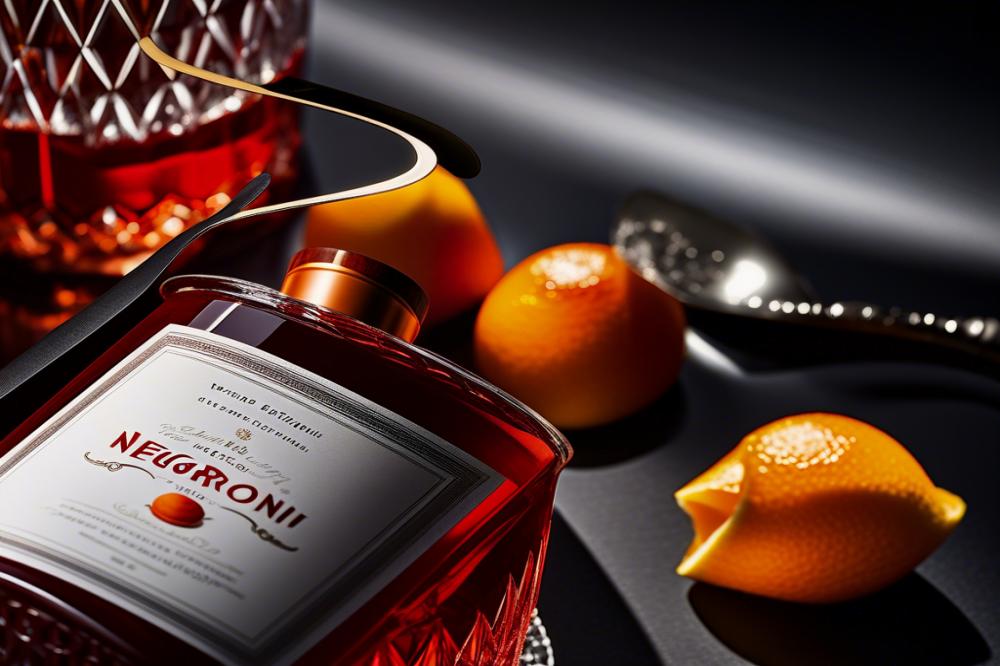
The Negroni is built on three essential components: gin, vermouth, and Campari. Each ingredient contributes a distinct flavor profile to this classic cocktail. Staying true to tradition, the gin provides a crisp and aromatic base. It contrasts beautifully with the herbal notes found in vermouth. Campari adds a striking bitterness that completes the drink.
Balance is crucial for a Negroni. There should be an equilibrium among the bitter, sweet, and herbal flavors. Achieving this harmony enhances the cocktail’s overall experience. If one element overpowers the others, the drink loses its appeal. Therefore, an expert approach to mixology is needed to create the perfect blend.
Classic Recipe
To craft this iconic aperitif, gather your ingredients. You will need one part gin, one part vermouth, and one part Campari. Start by filling a mixing glass with ice. Pour in the gin, followed by the vermouth and Campari. Stir gently for about 30 seconds. This helps incorporate the flavors while chilling the mixture. Once mixed, strain the cocktail into a rocks glass filled with fresh ice.
Garnish with a twist of orange peel for an added aromatic touch. This small detail elevates the drink. It provides a hint of citrus that plays nicely with the other ingredients. Enjoy your creation as a delightful nod to a century-old history.
Variations to Explore
While the classic Negroni shines bright, variations exist. The Negroni Sbagliato substitutes sparkling wine for gin. This version offers a lighter, effervescent experience. Another twist is the Boulevardier, which swaps gin for bourbon. Whiskey brings a warmer profile, appealing to those who prefer sweeter notes.
Experimenting with different vermouth brands can also alter the outcome. Sweet or dry options can change the drink’s taste dramatically. It invites a playful exploration for enthusiasts who appreciate mixology. Whichever route you take, the Negroni stands as a testament to the art of crafting cocktails.
Mixology Techniques
Best practices for mixing a Negroni
Crafting this popular cocktail involves three simple ingredients: gin, sweet vermouth, and Campari. Use equal parts for a classic recipe. A jigger can help measure each component accurately. Start by chilling your mixing glass with ice. Stir all ingredients for about 30 seconds. Doing this cools the drink while diluting it just enough. Afterward, strain it into a prepared glass. Precision in mixing leads to a well-balanced aperitif.
Tips for enhancing flavors and presentation
Consider using high-quality spirits. Premium gin and vermouth elevate the drink’s overall taste. Experimenting with different brands of Campari can also add unique nuances. Adding a few drops of aromatic bitters offers an extra layer of complexity. Presentation matters, too. A clear cocktail looks sophisticated. Utilize large ice cubes to minimize melting, preserving flavor integrity. Fresh ingredients can significantly impact the final outcome.
Recommended glassware and garnishes
Serve this cocktail in an Old Fashioned glass. Its sturdy design allows for a beautiful display of color and ice. As for garnishes, a classic orange peel adds visual appeal. Twist it to release essential oils for an aromatic experience. Some mixologists prefer a touch of lemon for a hint of brightness. Variations can include fresh herbs, such as rosemary, to introduce a different scent. Each addition contributes to the drink’s character, enhancing the historical essence of this enduring cocktail.
Variations of the Negroni
The classic cocktail has inspired many creative twists. One popular variation is the Negroni Sbagliato. This version replaces gin with sparkling wine. The result is a bubbly and refreshing drink, perfect for summer afternoons.
Another well-known twist is the White Negroni. In this recipe, traditional ingredients swap out for Lillet Blanc and Suze. These substitutes lend a lighter, aromatic quality that contrasts beautifully with the typical bitter notes.
Mixologists enjoy experimenting with flavors and ingredients. Some add unique elements like flavored bitters or herbal liqueurs. These additions can create a completely different experience while maintaining a nod to the original.
Regional Variations
Cocktails can vary by region, often featuring local ingredients. In some parts of Italy, for instance, you might find a sweeter version. This uses different vermouths to enhance the drink’s profile and offers a taste of its surroundings.
In Australia, bartenders love incorporating native botanicals into their Negronis. This gives the drink an edge that speaks to the local landscape. Such variations showcase how place influences taste, making each sip an exploration of history.
Traveling to other countries reveals even more interpretations. Each region brings its own palette and culture, reflecting that area’s spirit. The ongoing evolution of this bitter-sweet aperitif keeps it exciting and relevant in the world of cocktails.
Negroni as an Aperitif
The Negroni holds a special place in Italian culture. It is often enjoyed before meals, serving as an aperitif. This drink represents the art of Italian hospitality. With its vibrant red color and bold flavors, it captures attention at the table. The combination of gin, vermouth, and Campari creates a beautiful balance between bitter and sweet. Each sip prepares the palate for what lies ahead in the meal.
Pairing Negronis with Food
Pairing this classic cocktail with food can enhance the overall dining experience. For instance, salty snacks like olives or nuts complement the drink’s bitterness. Additionally, cheeses with moderate fat content pair well, allowing the drink’s flavor to cut through richness. If someone enjoys seafood, a Negroni can accentuate the dish’s flavors. Variations on the recipe can also introduce new elements to food pairings, making mealtime more exciting.
The Appeal of Negronis as a Pre-Dinner Drink
People often choose this cocktail as a pre-dinner drink. This choice stems from its complex flavors, which stimulate the appetite. The balance of ingredients creates an invigorating experience. Bartenders appreciate the mixology involved in crafting the perfect Negroni. With each serve, they showcase skill and attention to detail. The drink’s long history adds to its allure, reminding patrons of tradition with every sip. As dinner approaches, anticipation builds, making the cocktail even more enjoyable.
Final Thoughts
The history of this cocktail is rich and fascinating. Originating in Italy, it reflects a blend of flavors and styles over the years. Social gatherings often feature it, showcasing its role in culture. The drink embodies a balance that many strive to achieve in mixology. Its combination of bitter, sweet, and herbal notes creates a remarkable experience.
Durability is a key trait. Since the early 20th century, the recipe has stood the test of time. Many modern bars pay homage to its classic roots while also experimenting with variations. This versatility contributes to its appeal among different generations.
While trends come and go, this cocktail remains a beloved choice. It invites enthusiasts to partake in the Italian tradition of aperitifs, providing a moment of relaxation. Its perfect balance not only satisfies the palate but also offers a glimpse into its storied past.
You might consider trying it the next time you’re at a bar. Enjoying this classic can deepen your appreciation for a rich cultural legacy. So raise a glass and celebrate a tradition that has endured for over a century.

