

The Velvet Elegance of Sambuca: Aniseed Bliss with Ancient Roots
Sambuca stands out as a quintessential Italian liqueur, recognized for its distinctive taste and rich heritage. This sweet, aromatic drink is traditionally served as both an aperitif and digestif, showcasing its versatility in Italian culture. Originating from the Mediterranean region, its production often involves the infusion of various herbs and spices, with Aniseed taking center stage.
The flavor profile captivates the senses. Notes of clove, star anise, and a subtle sweetness create a delightful experience. Enhancing any cocktail, it embodies the art of fine liqueurs. Patrons often savor its rich taste straight, or on the rocks, enjoying the calming warmth it brings. Tasting Sambuca is like embracing a piece of history, where each sip tells a story of ancient traditions.
Italian celebrations often highlight the use of this liqueur. Many families keep the ritual of serving Sambuca alive, passing it down through generations. This drink serves as more than just a beverage; it represents a connection between the past and present. Whether at a festive gathering or a quiet meal, it encourages togetherness, capturing the essence of Italian hospitality.
The History of Sambuca
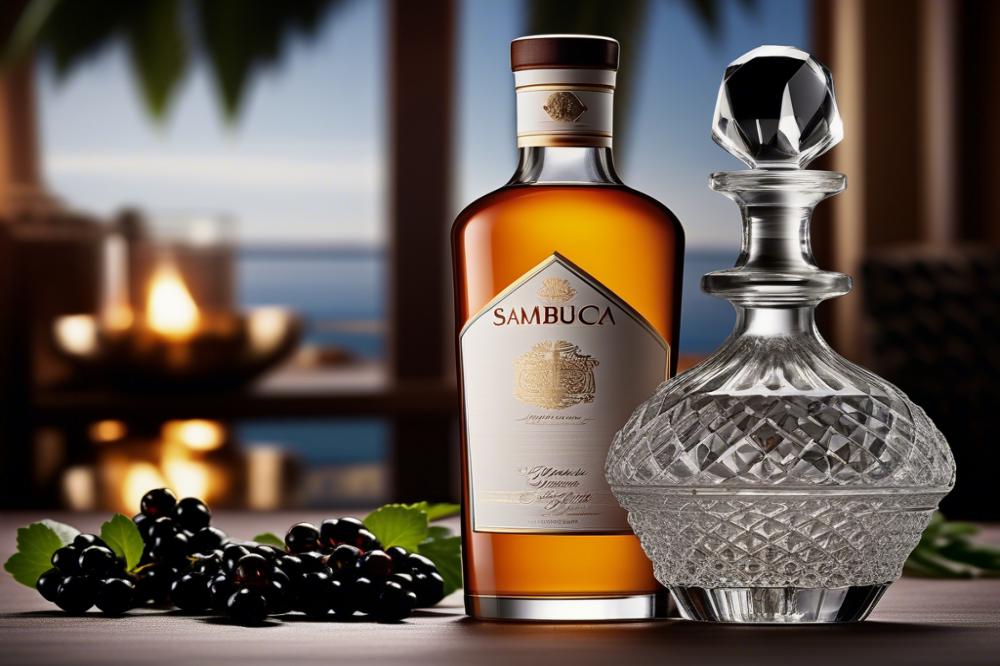
The origins of this intriguing liqueur can be traced back to ancient Rome. At that time, different flavors were celebrated, and the use of herbs was common in various drinks. As history progressed into the Middle Ages, the richness of these flavors continued to evolve. Distillation methods became more sophisticated, allowing producers to extract the essence of aniseed with greater clarity and depth.
As production techniques advanced, the role of local herbs gained prominence. Italian craftsmen started experimenting with regional plants, adding distinctive notes to the liqueur. Over time, these unique recipes emerged from different Italian regions, reflecting local tastes and traditions. Ingredients contributed to a rich tapestry of flavors that defined various adaptations of the drink.
Cultural significance is impossible to overlook. Sambuca is often associated with celebrations and special occasions in Italy. There are many legends that surround this drink. Some say it originated as a remedy for digestion, while others highlight its use in rituals, symbolizing hospitality. These stories add to its charm and mystery, enchanting those who seek to indulge in its sweetness.
The liqueur has also found its way into modern cocktails. Bartenders appreciate its aromatic qualities and ability to blend seamlessly with other ingredients. Tasting Sambuca offers a journey through time, showcasing age-old traditions while embracing contemporary mixology.
In essence, each sip tells a story filled with history and passion. The journey from ancient Rome to today reflects not only the evolution of a beverage but also the rich heritage of Italian craftsmanship. Thus, it stands as a testament to the enduring love affair between people and their cherished flavors.
The Production Process of Sambuca
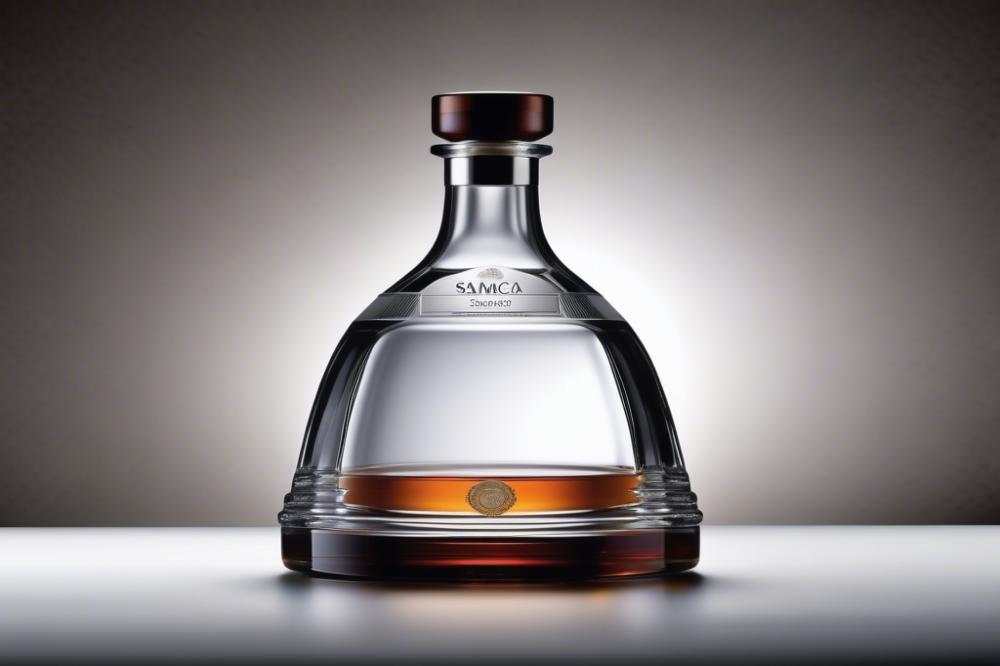
The journey of this fragrant liqueur begins with a careful selection of ingredients. Key components include star anise, sugar, and various herbs. The process starts with distillation, where the flavors are extracted from the aniseed through steam. This method captures the essential oils, creating a strong aromatic base. Italian producers often pride themselves on using pure, high-quality ingredients to achieve the best results.
Types of Anise Used
The choice of anise plays a crucial role in the final taste. Some distillers opt for star anise, while others lean towards green anise or even fennel. Each variety brings its own distinct flavors to the table. For instance, star anise offers a warm, sweet profile, while green anise can introduce a more delicate taste. This diversity in selection impacts the end product, making each batch a reflection of the herbs utilized.
Sweetness and Herbal Infusion
Producers focus on striking a balance between sweetness and the herbal infusion. Sugar is an essential addition, giving the liqueur its characteristic smoothness. However, the amount varies among different brands and recipes. This sweetness complements the strong herbal notes, ensuring that the tasting experience is harmonious. It’s not uncommon for a sip to evoke a sense of warmth and comfort.
Traditional vs. Modern Methods
Tradition plays a significant role in the making of this beloved spirit. Old-world methods often involve time-honored recipes passed down through generations. These techniques highlight the craftsmanship behind each bottle. In contrast, modern production may embrace technology, providing consistency and efficiency. Nevertheless, some enthusiasts argue that the heart of sambuca lies in its historical roots and artisanal touch.
Flavors and Characteristics of Sambuca
This liqueur captivates with its intense aroma, reminiscent of sweet anise and fragrant herbs. Upon tasting, one can expect a wave of flavors that combines licorice, subtle sweetness, and a hint of spice. The mouthfeel is smooth and velvety, leaving a pleasant warmth on the palate. Each sip offers a sensory experience that encourages appreciation of its complex character.
Herbal complexities play a significant role in this Italian delight. A myriad of herbs complement the anise, adding depth to the experience. Some may prefer a sweeter profile, while others appreciate a more balanced flavor that highlights the herbs. This difference creates a delightful range that appeals to diverse tastes.
Variations of Sambuca
There are notable variations that cater to different preferences. White Sambuca is the most common and is known for its clear appearance and sweet taste. Black Sambuca offers a darker hue, often with hints of berries and a touch of herbal bitterness. Red Sambuca stands out for its infusion of additional sweetness and spices. Each variation has its own charm and flavor dynamics, making it worth sampling them all.
Food Pairings and Occasions
Pairing this liqueur with food can elevate the dining experience. It complements chocolate desserts extremely well, enhancing the rich flavors. Cheese platters featuring strong, salty cheeses also work beautifully. Many enjoy sipping it after a meal, allowing its sweet finish to provide a satisfying conclusion to the dining experience.
Celebratory occasions often call for this liqueur, whether it’s graduations, holidays, or simply a night out. Cocktails featuring it, like the classic Black Sambuca Mojito, are perfect for festive gatherings. There’s a certain charm in sharing a drink steeped in history and Italian traditions while creating new memories with friends.
Sambuca in Cocktails and Traditions
This liqueur, with its rich history, has carved out a special place in both classic cocktails and Italian culture. Bartenders often reach for this sweet spirit when creating drinks that balance strong flavors and aromatic herbs. A well-known classic is the “Sambuca Sour.” This cocktail combines the liqueur with fresh lemon juice and a splash of simple syrup for a refreshing twist. Another popular mix is the “Sambuca Mojito,” where the original minty drink gets an aniseed upgrade. Such combinations highlight how versatile this ingredient can be in the mixologist’s toolkit.
Traditional Serving Methods
In traditional settings, Sambuca is most commonly enjoyed neat, showcasing its pure flavor profile. Often, coffee beans float atop the drink, adding both a visual touch and aromatic enhancement. This practice, known as “Sambuca con la Mosca,” invites drinkers to savor the marriage of the liqueur’s sweetness and the bitter notes of coffee. Additionally, desserts feature this enchanting flavor. Pastries may be infused with Sambuca, creating a delightful sweet treat that brings the taste of Italy to the table.
Rituals and Customs
Italy’s rituals surrounding this drink are steeped in warmth and hospitality. When invited to a gathering, it’s not uncommon for hosts to offer a round of Sambuca. This serves as a gesture of friendship and celebration. Special occasions often call for a toast with the liqueur, symbolizing good fortune and joy. People linger over their drinks, sharing stories and laughs, cementing the bonds of tradition. It is integral to various cultural festivities, further emphasizing its role in Italian life.
Modern Twists in Mixology
Contemporary bartenders have taken the classic flavors and added their creativity to cocktails. Craft cocktails now feature innovative ingredients such as exotic fruits or spicy bitters, giving new life to this beloved liqueur. For instance, a “Sambuca Martini” might blend the original spirit with freshly muddled fruit for an unexpected twist. Mixologists continue to experiment, pushing the boundaries of flavors and presentation with each new recipe. The liqueur’s distinct taste inspires new creations while honoring its ancient roots.
Final Reflections
Sambuca has a rich heritage that stretches back to ancient times, showcasing its deep roots in Italian culture. Its unique flavor profile, dominated by aniseed, captivates the senses and evokes the warmth of traditional gatherings. This liqueur is more than just a drink; it embodies social rituals and family connections.
In Italy, Sambuca is often served at the end of a meal, symbolizing hospitality and togetherness. It represents a celebration of life and good company, making it a staple in many homes. Over time, its appeal has crossed borders. People around the world have embraced its distinct taste, leading to a greater appreciation of this elegant spirit.
The relevance of this aniseed delight continues to grow. Bartenders worldwide incorporate it into creative cocktails, blending tradition with modern trends. Such versatility ensures that Sambuca remains a vibrant part of the global spirits scene. As a beacon of Italian heritage, this delightful liqueur is bound to enchant future generations. Only time will tell how it will evolve, but its timeless charm will surely endure.

