
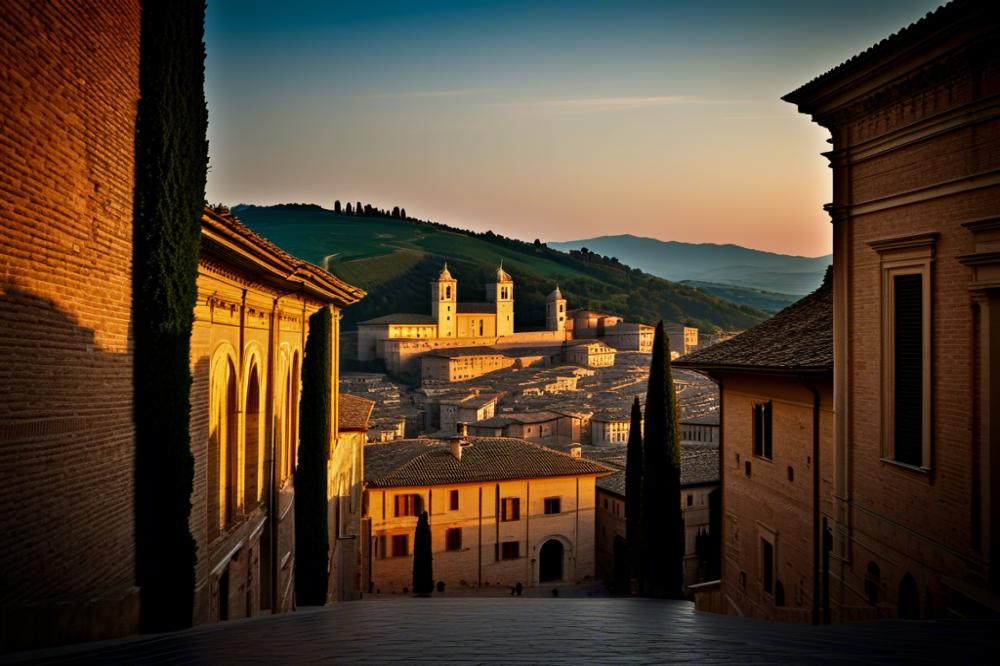
A Visit to the Renaissance City of Urbino
Nestled in the rolling hills of the Marche region, Urbino holds a prominent place in Italian history. This charming town is best known for its role during the Renaissance. Its beauty and cultural significance have earned it the status of a UNESCO World Heritage Site. The rich tapestry of its past unfolds through its art, architecture, and influential figures.
The Renaissance was a remarkable period that changed the course of European culture. Birthplace of many great artists and thinkers, this era emphasized humanism, innovation, and a revival of classical knowledge. In places like Urbino, these ideals became a vibrant part of everyday life, influencing everything from literature to the visual arts.
This article aims to uncover the historical and artistic treasures found in this gem of a city. Visitors can marvel at the stunning Urbino Ducal Palace, a symbol of power and elegance, built under the guidance of Federico da Montefeltro. The magnificent architecture serves as a backdrop for various museums showcasing Renaissance art.
With its scenic views and profound cultural heritage, Urbino invites exploration. Each corner reveals layers of history that resonate with art history enthusiasts and casual tourists alike. Join us as we delve into the experiences awaiting in this extraordinary Italian city.
Urbino: A Glimpse into History
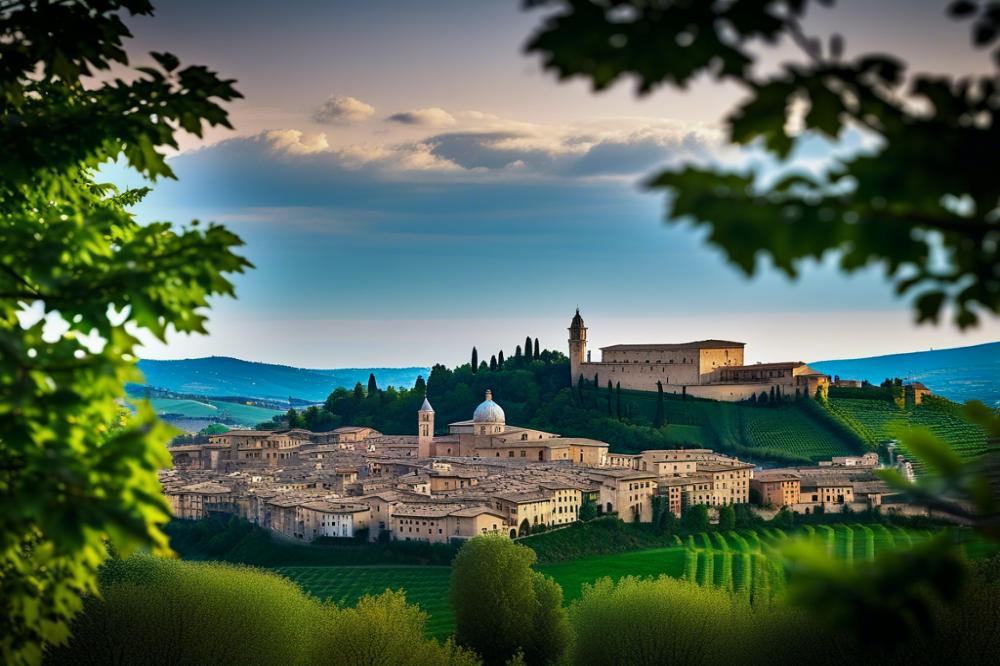
Urbino has a rich historical background that dates back to ancient times. According to archaeological evidence, the area was inhabited as early as the 7th century BCE. The city grew in prominence during the Middle Ages, becoming a notable center in central Italy. This growth was closely tied to the Montefeltro dynasty, a powerful family that ruled the region for several centuries.
Federico da Montefeltro was a key figure in shaping the cultural landscape of this city. As duke, he transformed Urbino into a vibrant hub of art and learning. His patronage attracted artists, architects, and scholars. Renaissance art flourished under his rule, thanks in part to his vision and support. His remarkable taste in architecture is perhaps most evident in the majestic Ducal Palace, which stands as a testament to this era’s grandeur.
The importance of this city during the Renaissance cannot be overstated. It became a beacon of culture and innovation in Italy. Many artists found inspiration in its beautiful landscapes and rich history. Throughout the years, it attracted notable figures such as Raphael, whose connection to the city has left a lasting legacy. Today, Urbino is acknowledged as a UNESCO World Heritage site, underscoring its significance in art history.
Various museums and galleries within the city showcase priceless works from this remarkable period. Visitors often remark on the scenic views that stretch across the rolling hills of the Marche region. The blend of architectural beauty and natural surroundings creates an experience unlike any other. Even now, Urbino stands as a proud representative of its unique cultural heritage, inviting exploration and admiration from all who wander its streets.
Exploring the Urbino Ducal Palace
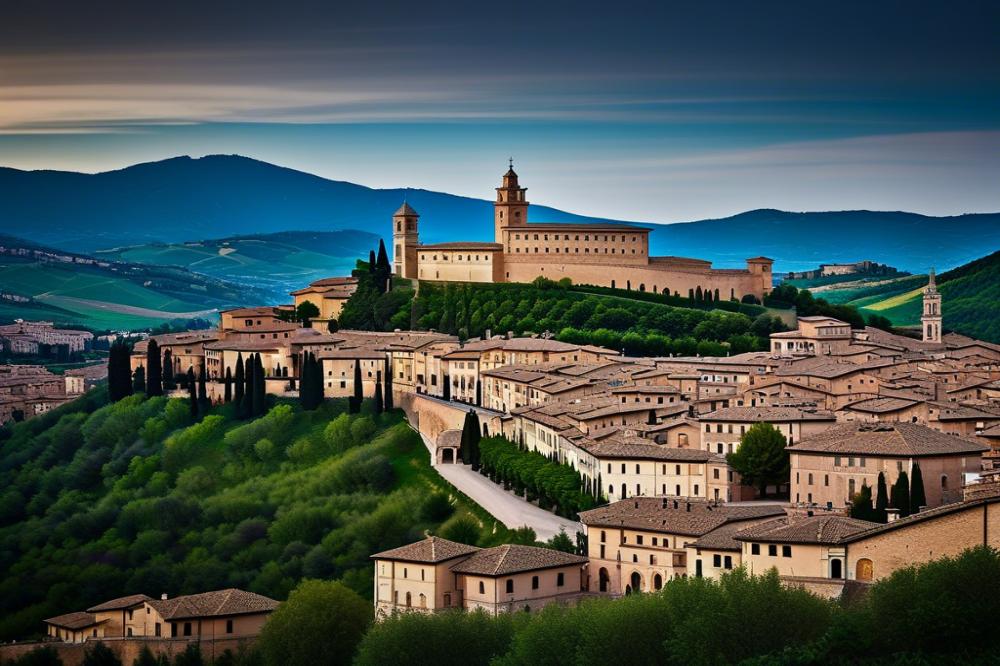
The Urbino Ducal Palace stands as a monumental testament to the architectural brilliance of the Renaissance period. Created in the 15th century, this extraordinary building showcases a harmonious blend of Gothic and Renaissance styles. Its grand façade, adorned with intricate details and elegant lines, captures the essence of the era’s artistic ambition. Visitors marvel at the majestic courtyards and balconies, which offer scenic views of the surrounding hills.
Federico da Montefeltro, the Duke who commissioned the palace, played a significant role in shaping Renaissance culture. A skilled military leader and patron of the arts, Federico valued education and the cultivation of talent. Under his rule, the palace became a vibrant center for scholars, artists, and musicians. His notable contributions helped to foster an environment rich in creativity and innovation.
This magnificent palace is more than just an architectural gem; it is a crucial hub for art history. Many museums within its walls house valuable collections that highlight the rich cultural heritage of the Renaissance. Paintings, sculptures, and manuscripts create a narrative that reflects the glory of the time. The Ducal Palace, recognized as a UNESCO World Heritage site, draws visitors from various Italian cities and beyond.
Exploring its galleries allows one to witness the evolution of Renaissance art firsthand. Each room offers something new, revealing the lives and works of artists who thrived under Federico’s support. The palace itself is a living example of how architecture can embody a rich history while serving as a backdrop for artistic expression. Visitors leave with a deeper understanding of not just the palace, but the vital role it played in the larger tapestry of Italian culture.
Renaissance Art and Cultural Heritage
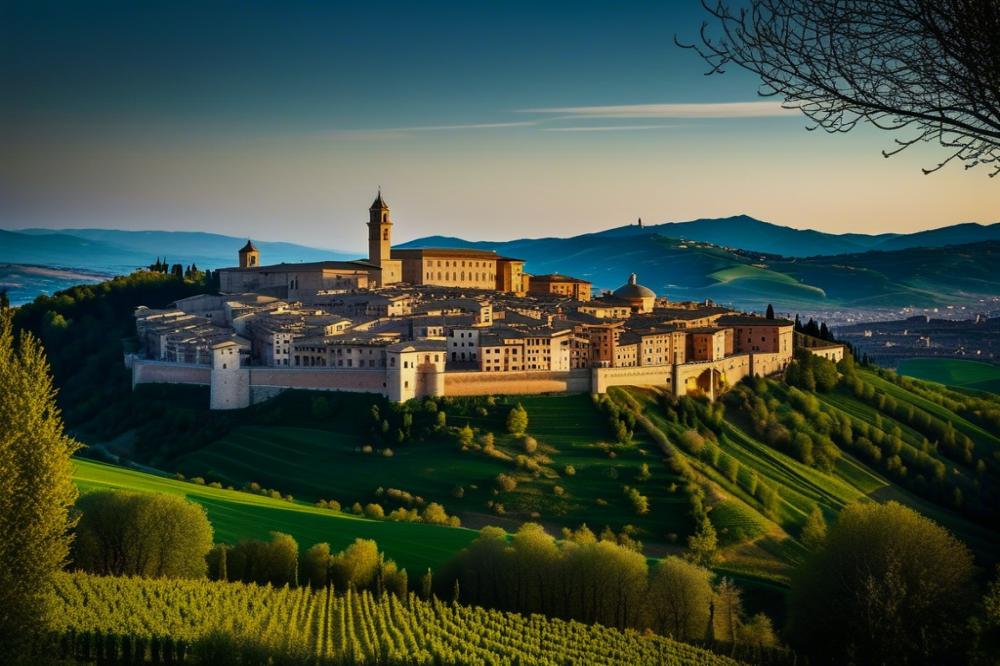
The Renaissance was a pivotal period in art and culture that flourished across various Italian cities. This movement emphasized a revival of classical learning and values. In particular, it had a profound influence on the cultural landscape of Urbino. During this time, the city became a center for artistic innovation, shaped by its noble patrons and talented creators.
Key Artists Associated with the City
Piero della Francesca stands out as one of the notable figures linked to this period. His mastery in perspective and color made him a pioneer of Renaissance art. Federico da Montefeltro, the Duke of Urbino, greatly supported artists and thinkers. Under his patronage, the city attracted many skilled individuals who contributed to its cultural richness.
Other prominent artists also made their mark here. The works they created showcased the transition from medieval art forms to those characterized by realism and human emotion. This transformation not only altered how art was perceived but also elevated the status of artists in society.
Museums and Their Collections
Today, residents and visitors can explore rich collections housed within the city’s museums. The Urbino Ducal Palace, a UNESCO World Heritage site, is among the most significant cultural landmarks. Within its walls, one can find a vast array of Renaissance masterpieces.
Art history enthusiasts can admire various works by renowned artists. Paintings, sculptures, and architectural designs on display reflect the city’s vibrant past. The combination of scenic views from the palace and the art within creates a mesmerizing experience.
Each museum offers unique insights into the cultural heritage of the area. As you stroll through the galleries, you may notice how art evolved during the Renaissance. This transformation mirrors the broader changes in society and thought that defined the era.
The Scenic Views of Urbino
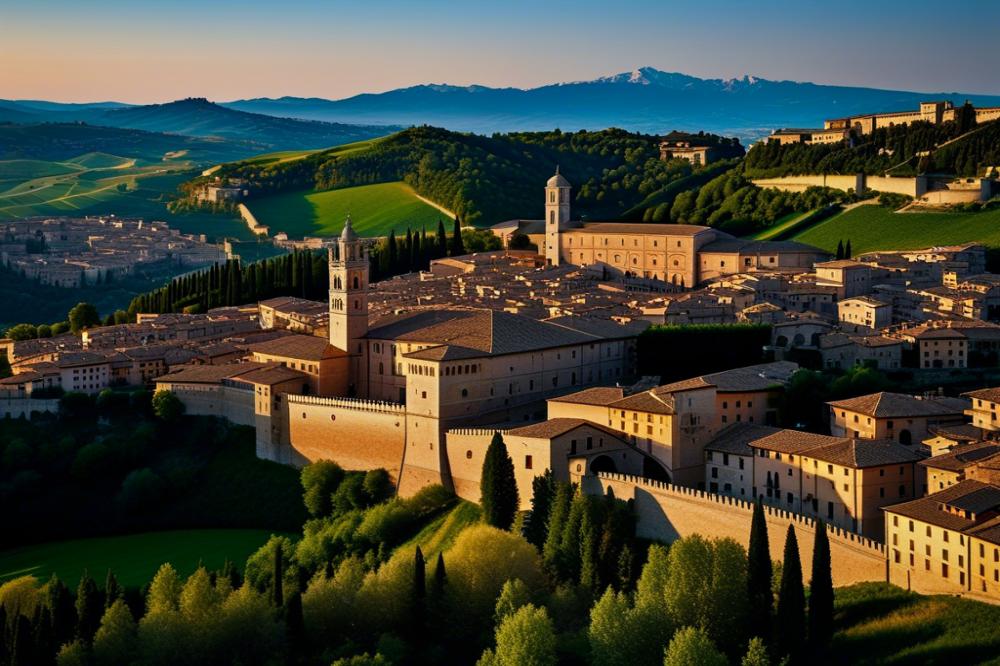
The landscape surrounding this historic city is truly breathtaking. Hills roll gently, creating a picturesque backdrop that enhances the stunning architecture. Among the highlights is the Urbino Ducal Palace, a masterpiece of Renaissance art, standing proudly as a symbol of the city’s rich cultural heritage. Its grand façade and intricate details speak volumes about the craftsmanship of that era.
As you wander through the charming streets, the views unfold at every corner. Nestled in the rolling hills of the Marche region, the hills themselves play a vital role in the charm of this place. They serve not only as a protective barrier but also as a canvas for the changing seasons, painting a vibrant picture throughout the year.
The importance of this city extends beyond its buildings. UNESCO World Heritage status highlights its contribution to art history and architecture. Federico da Montefeltro, a prominent duke, shaped the city’s landscape, leaving behind a legacy of beauty and culture that attracts many visitors.
For the best vantage points, head to the viewpoints near the city walls. Here, visitors can capture incredible panoramic scenes of the surrounding hills and countryside. Climbing to the terrace of the National Gallery will reward you with sweeping views and an opportunity to reflect on the artistic treasures within.
Another recommended spot is the nearby hills that frame the city. A short hike provides a breathtaking perspective of the city’s layout, with the Ducal Palace rising majestically against the backdrop. Whether lounging in a café with an espresso or immersing yourself in the atmosphere, taking in the scenic views offers a moment of peace.
Art enthusiasts will find inspiration not only in the galleries but also in the views that surround them. Each glance captures a different facet of the area’s beauty, making it a true celebration of Italian cities and their rich artistic legacy.
UNESCO World Heritage Status
The designation of Urbino as a UNESCO World Heritage site highlights its importance in art history and architecture. Recognized for its well-preserved Renaissance town, it offers a glimpse into a pivotal era in Italian culture. The Urbino Ducal Palace is a masterpiece, exemplifying the brilliance of Federico da Montefeltro, who played a significant role in its development.
This status greatly impacts the preservation of cultural heritage. By being part of a global heritage network, efforts increase to protect the historical integrity of the city. Such recognition also draws attention to the architectural marvels and unique artworks housed in various museums throughout the area.
Tourism has surged in this historic location since it gained its UNESCO designation. More visitors arrive every year, eager to experience its scenic views and rich artistic legacy. However, increased foot traffic poses challenges to the preservation of delicate structures. Balancing tourism with conservation efforts becomes crucial for maintaining its charm.
Italian cities often face similar situations, trying to manage the effects of tourism while preserving their cultural significance. Tourists flock to admire Renaissance art and the stunning architecture that defines the region. Their presence contributes economically, but protecting the city’s historical sites remains a top priority.
Experiencing Urbino Today
Tips for Visiting Urbino
Many travelers find spring and early fall to be the best times to visit this picturesque location. During these seasons, the weather remains mild, and the crowds are smaller. Local cuisine features rich flavors, and trying the famous ‘crescia’ is a must. This traditional flatbread pairs wonderfully with cheeses and meats. When it comes to accommodations, consider staying in a charming bed-and-breakfast for a more intimate experience. These small places often provide a taste of the local culture that larger hotels may lack.
Suggested Itineraries for Exploring the City
Start your day at the Urbino Ducal Palace. This splendid building showcases breathtaking Renaissance art and stunning architecture. Take a guided tour to admire the works commissioned by Federico da Montefeltro, a significant figure in the city’s history. After touring the palace, head to the nearby National Gallery of the Marche. This museum houses an impressive collection, and art lovers will appreciate the emphasis on both local and international artists.
Strolling through the ancient streets can reveal hidden gems. Pause at quaint cafes for a coffee break and engage with locals to learn more about their cultural heritage. In the afternoon, climb to one of the scenic views that overlook the city. The rolling hills provide a perfect backdrop for memorable photographs. Finish the day with dinner at a local trattoria. Sample homemade pasta dishes that highlight the region’s rich flavors.
A Deeper Appreciation for Small Italian Cities
Urbino represents a glimpse into the heart of Italy. Many small cities throughout the country offer similar experiences filled with art history and a sense of community. Discovering these places can be refreshing compared to busy tourist spots. Engaging with local traditions and enjoying the slower pace of life allows visitors to connect deeply with their surroundings. Wanderers will be delighted by how much beauty and history smaller locations encapsulate. One might find that these charming towns are treasures waiting to be explored.
Final Reflections on the Renaissance City
This vibrant Italian town carries immense historical and cultural significance. It served as the birthplace of the Renaissance and has influenced art and architecture for centuries. The Urbino Ducal Palace stands as a testament to the period’s grandeur. Visitors can appreciate the splendor of classic Renaissance art and the brilliant minds who thrived in this environment.
Understanding the role of Urbino in the Renaissance helps to deepen appreciation for this artistic movement. Every corner of the town whispers stories of the past. Walking through its streets offers a genuine connection to a time that shaped much of European culture. Reflecting on this experience teaches valuable lessons about creativity and innovation that resonate even today.
Travelers should not overlook the opportunity to explore other Italian towns steeped in rich history. Places like Florence, Venice, and Bologna have unique offerings that also embody the spirit of the Renaissance. Each city has its own story, shaped by art, architecture, and culture. The journey through Italy is more than just sightseeing; it is a walk through the annals of history.
Visiting Urbino presents a remarkable chance to engage with the past. The experience is enriching, revealing the deeper layers of heritage that are vital to understanding the Renaissance. Embrace the opportunity to explore these historical gems; they anchor our understanding of art and society as we know it.

