
Introduction
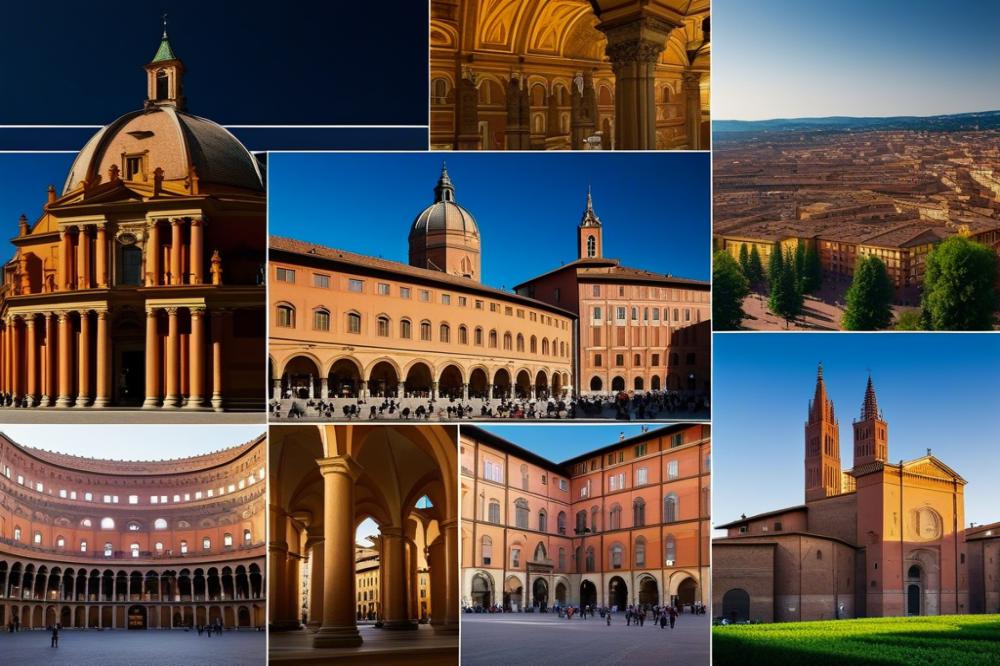
Bologna stands as one of Italy’s most historically rich towns. Its streets echo with tales of a vibrant past. This city has played a significant role in shaping history, culture, and education over the centuries. Known for its impressive architecture, it attracts visitors who yearn to explore its intriguing heritage.
During the medieval period, Bologna emerged as a center for scholarship and learning. The establishment of the University in 1088 marked a pivotal moment, making it the oldest University in continuous operation. This commitment to education attracted scholars from far and wide, solidifying the town’s reputation as a beacon of knowledge.
The Renaissance period further enhanced Bologna’s stature. Art and science flourished, and the influence of renowned thinkers was palpable in everyday life. Buildings from this era, characterized by stunning arches and intricate details, still dominate the landscape. Tourists today marvel at these remnants of a time when Italian cuisine also began to gain prominence, intertwining with the city’s traditions.
As a result, Bologna is not just a place with a deep history; it is a symbol of cultural evolution. The blend of ancient practices and modern innovation continues to attract those seeking experiences beyond the ordinary. Visitors find themselves immersed in a tapestry of heritage, reflecting a timeline that has shaped not just Italy, but the wider world.
Historical Context
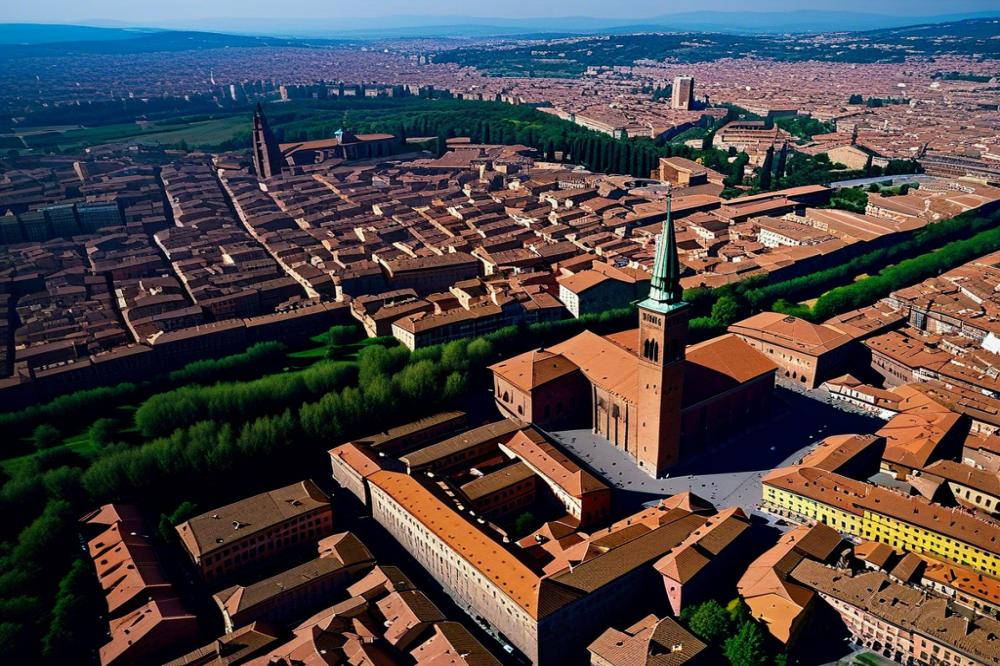
The early history of Bologna dates back over two millennia. It has roots that intertwine with the legends of its founding. According to ancient sources, the Etruscans settled there before the rise of Rome. They brought their customs and practices, shaping the city’s early identity.
Under Roman influence, Bologna flourished as a significant settlement. It became a key military outpost and trade hub. The Romans established roads that linked it to other important cities. Their architectural legacy still echoes throughout the region today.
During the Middle Ages, Bologna transformed into a center of scholarship and culture. Its university, one of the oldest in the world, attracted bright minds from different parts of Europe. This institution dedicated itself to teaching law, medicine, and the arts. As education thrived, the city became a prominent intellectual beacon.
The medieval period also saw architectural developments that created its stunning skyline. Towering belfries and intricate palaces marked the city’s landscape. These structures not only demonstrated wealth but also reflected the power of local families.
Tourism later grew as people sought to experience its rich history and traditions. Visitors come to explore ancient landmarks and enjoy local specialties. Each corner of the city tells a story, connecting the past to the present.
Educational Hub
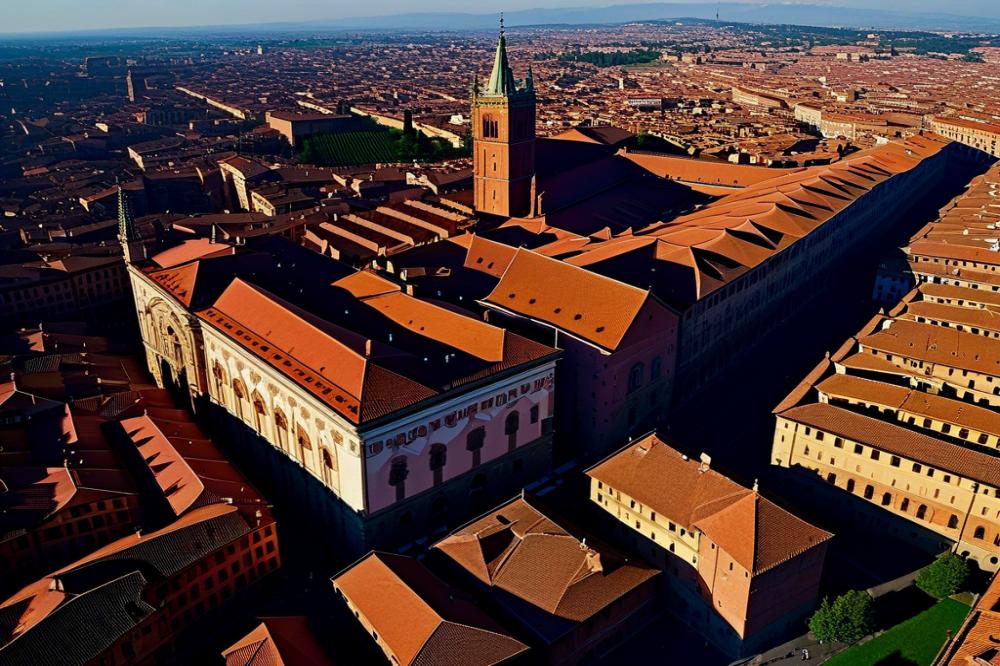
The establishment of the University of Bologna marks a significant milestone in educational history. Founded in 1088, it is often recognized as the oldest university in continuous operation. This institution attracted students and scholars from across Europe, making it a vibrant center for learning. Students flocked to the city, eager to engage in a culture rich in philosophy and law.
A unique atmosphere for scholarship thrived in the medieval streets. Students and teachers engaged in lively debates beneath the grand architecture of the city. The university laid the groundwork for intellectual discourse that would shape ideas for centuries. Great minds walked these streets, spreading knowledge that later influenced the Renaissance.
Notable scholars made their mark on history here. Figures such as Petrarch and Dante found inspiration in the city’s culture. Their contributions to literature and philosophy are still celebrated today. Each thinker added a layer to the intricate tapestry of knowledge that emerged from this scholarly hub.
This legacy extended beyond Italy and into modern education systems worldwide. The principles of academic freedom and the student-centered approach can trace their roots back to this university. Today, many schools adopt these ideas, ensuring students engage deeply with their studies. Tourists now visit, not only for the delicious Italian cuisine but also to walk the paths of these great thinkers.
Traditions born in this city continue to influence modern scholarship. The interaction between cultures and ideas shaped a unique educational framework that persists. This historic city remains a beacon for those hungry for knowledge and meaning.
Cultural Heritage
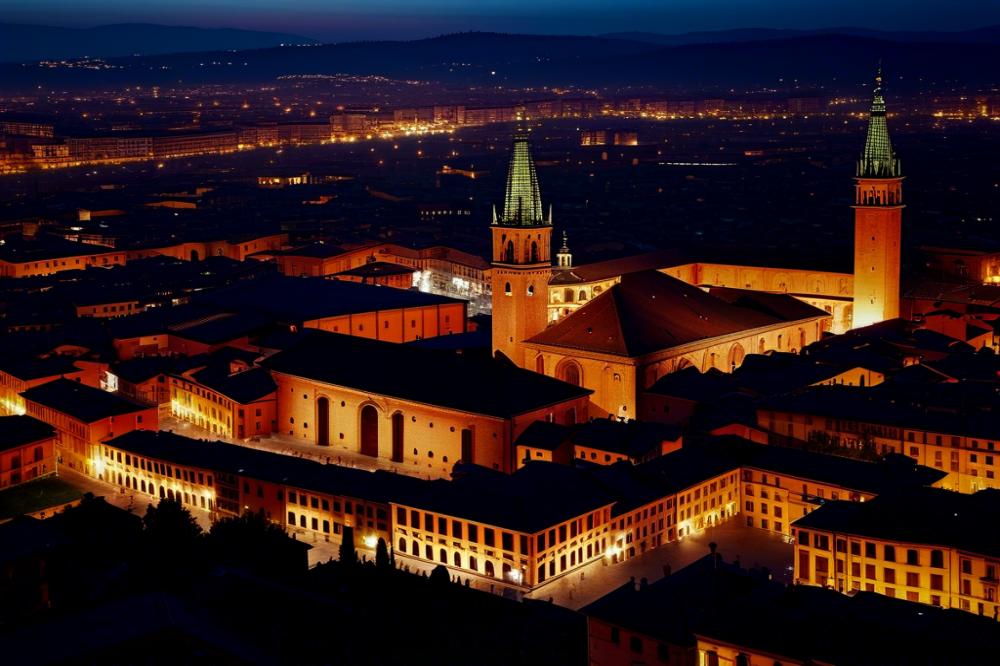
Bologna is a city rich in traditions and cultural practices that date back centuries. It combines medieval and Renaissance elements in its architecture and daily life. The vibrant atmosphere reflects its deep history and educational roots. Local festivals celebrate this heritage, creating community bonds and attracting visitors.
Every year, numerous events take place, showcasing the significance of art and music. The city hosts the famous Bologna Children’s Book Fair, which draws attendees from around the world. Various music festivals infuse the streets with creativity, offering something for everyone. Such festivities highlight the diverse cultural offerings, from folk music to contemporary performances.
Artisans and craftspeople play a vital role in the local culture. Their skills, passed down through generations, keep traditions alive. Local markets brim with handmade goods, from ceramics to textiles. Visitors can often see artisans at work, which adds to the charm of the city. Their craftsmanship also signifies a commitment to preserving history through their work.
Integration of historical events into local culture is evident in many practices. The city’s streets and plazas tell stories of past conflicts and triumphs. Influence from ancient universities remains strong, as education has been a cornerstone of life here. Culinary traditions, particularly Italian cuisine, emphasize this blend of history and contemporary practices. Dishes have evolved but retain deep roots, reflecting the cultural narrative of the area.
Tourism thrives as a result of this rich cultural tapestry. People come to explore both the well-known and lesser-known aspects of the region. Unique historical landmarks draw in crowds, providing insights into Bologna’s vibrant past. By engaging with these traditions, visitors gain an appreciation for the learned city and its ongoing legacy.
Architectural Marvels
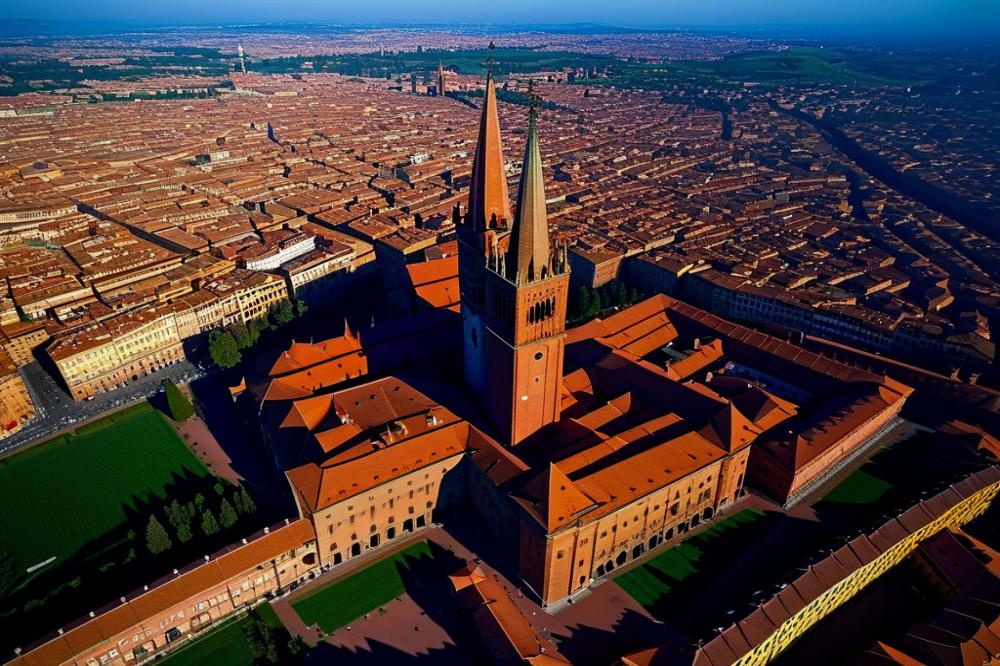
The architectural style of Bologna presents a remarkable blend of history and culture. This city showcases medieval and renaissance designs, reflecting its rich scholarship and vibrant past. Structures often exhibit brick facades and stunning arches that tell tales of centuries gone by.
Notable Buildings and Structures
Towers dominate the skyline, with the Asinelli and Garisenda being the most famous. These impressive edifices date back to the 12th century and symbolize the power of noble families. Churches abound, each holding significance. San Petronio Basilica stands out with its grand façade, representing a fusion of Gothic and Renaissance styles. Palatial homes, like the Palazzo Comunale, reveal stories of governance and art.
The Significance of Porticos
Porticos are integral to Bologna’s identity. These covered walkways provide shelter, inviting people to stroll and explore. Often lined with shops and cafés, they create a lively atmosphere. Historically, they facilitated trade and interaction, reinforcing community bonds. Today, these passageways enhance tourism, drawing visitors eager to experience the city’s charm.
Preservation of Historical Sites
Preserving Bologna’s architecture remains a priority for locals. Efforts ensure that historical sites retain their integrity, reflecting the city’s commitment to its past. Restoration projects aim to maintain the beauty of ancient buildings. Modern development sometimes poses challenges, but there is a concerted effort to balance innovation with tradition. This dedication enhances the city’s appeal while honoring its essence.
Culinary Traditions
Italian cuisine is renowned worldwide for its flavors, freshness, and variety. A significant chapter in this story unfolds in a city famous for its rich heritage. Culinary traditions here reflect a deep connection between history and culture. The city has made noteworthy contributions to the culinary landscape, influencing not just Italy but the entire globe.
Signature Dishes and Local Ingredients
Several signature dishes emerge from this region, each telling a tale of local ingredients and preparation methods. One cannot mention Italian cooking without acknowledging ragu. This hearty sauce, typically made with ground meat, tomatoes, and aromatic vegetables, is a staple. It is often paired with fresh pasta. Tortellini, small pasta filled with meat or cheese, is another beloved dish. Some might even consider it the city’s crown jewel in the world of pasta. The ingredients used, from the rich local meats to the fresh herbs, carry the essence of the land.
Culinary Traditions and Their Historical Roots
The roots of these culinary traditions trace back to medieval times. Recipes and techniques have evolved while still respecting the past. Many dishes were historically crafted to showcase the best of local agriculture. Food was not merely a means of sustenance; it became a reflection of society and its values. During the Renaissance, advancements in trade introduced new ingredients, enriching local cuisine. This blending of old and new has shaped the unique flavors found today.
Role of Local Markets and Food Culture in Tourism
Local markets play a vital role in preserving these culinary traditions. Vibrant stalls filled with fresh produce, cured meats, and artisanal cheeses attract both locals and visitors. Tourists often wander through these markets, seeking authentic experiences. They savor the atmosphere and engage with vendors who share their skills and stories. The food culture here significantly enhances tourism, drawing people eager to taste the heritage on their plates. Culinary tours often highlight not just the dishes but the history and education behind them. This connection between taste and tradition enriches the overall experience of the learned city.
Tourism and Modern Bologna
Attractions for Visitors
Historical sites abound in this vibrant city. Tourists flock to the ancient university, established in the 11th century. The architecture is stunning, with towers and churches that tell tales of a rich past. Museums like MAMbo showcase contemporary art while preserving a connection to earlier styles. The Pinacoteca Nazionale offers glimpses of Renaissance masterpieces. Visitors also indulge in Italian cuisine, sampling local dishes such as tortellini and ragù. Each meal supports the tradition of culinary excellence.
The Impact of Tourism
Tourism fuels the local economy. Many small businesses, especially restaurants and shops, thrive on tourist interest. Jobs in hospitality continue to develop as visitors seek authentic experiences. While this influx brings wealth, it can sometimes overshadow local culture. Residents balance the needs of tourists and their heritage. Festivals that celebrate history draw both locals and outsiders, enhancing community spirit.
Efforts to Maintain and Promote Heritage
Cultural organizations work diligently to preserve Bologna’s unique character. Guided tours often highlight medieval and renaissance landmarks, sharing stories of notable scholars who studied there. Local festivals aim to engage the community and attract visitors. Efforts to maintain historic sites are crucial for future generations. Education about traditions helps cultivate a sense of pride among residents.
Future Challenges and Opportunities
Despite the growth in tourism, challenges remain. Preserving historical integrity while accommodating modern needs can be tricky. Increased tourism may lead to overcrowding, diminishing the charm of certain areas. Sustainability practices are necessary to protect both the culture and the environment. Opportunities exist for innovative approaches to share history and art. Engaging young people in cultural preservation will be important for the future. Balancing commerce and heritage will shape the city’s path ahead.
Reflecting on the Learned City
The history of this remarkable city reveals a rich tapestry of intellectual achievement and cultural evolution. Throughout the centuries, it has been a center for education, attracting scholars and students from afar. Its renowned university is among the oldest in the world, making the city a beacon of learning and knowledge.
Preserving such heritage is crucial for future generations. Historical buildings, libraries, and museums tell stories that connect us to the past. Safeguarding these treasures allows young people to learn about their roots. It also fosters respect for the cultural achievements that have shaped our modern world. Without efforts to maintain this heritage, the connection to history could fade away.
This city stands out not only for its academic significance but also as a vibrant tourist destination. Visitors are drawn to its charming architecture and culinary delights. Each corner offers insights into a past that continues to influence the present. Engaging with local customs and exploring its rich culture provide experiences like no other. Travelers leave with a sense of having touched a living narrative.
In summary, the importance of this city extends far beyond its physical attractions. Its role as a center of learning and a focal point of cultural development marks it as a true gem. Valuing and protecting such a legacy ensures that the stories of the past can inspire future generations. As we look to the future, let us embrace the unique lessons that this historical and cultural haven offers.

