
Introduction
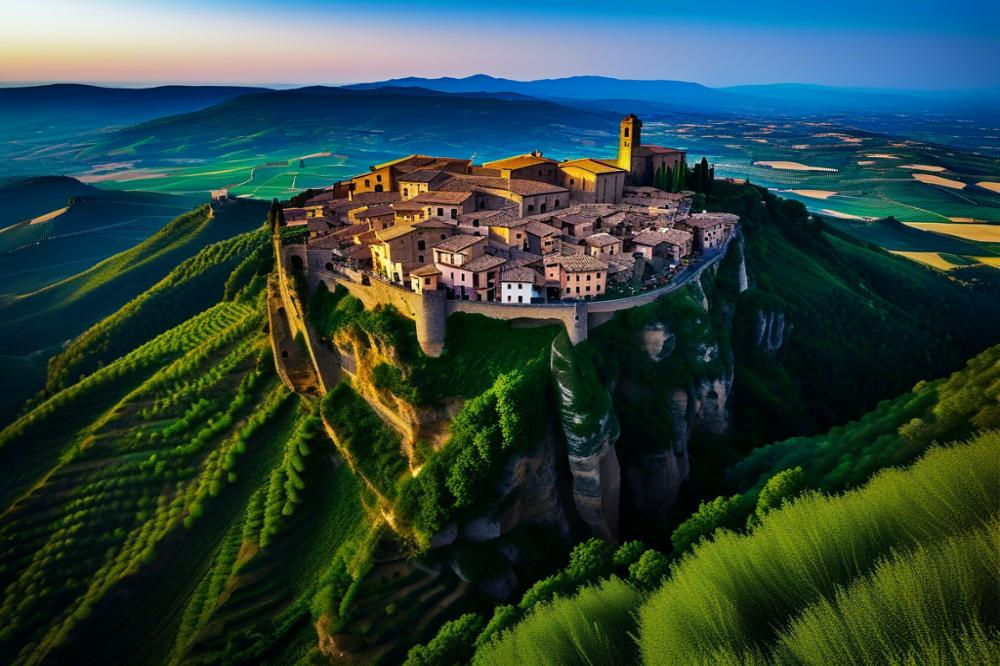
Perched high on a hill in Italy, Civita di Bagnoregio is often referred to as the “dying town.” This ancient village, with its stunning views and remarkable architecture, is captivating. Known for its narrow streets and historical sites, it feels like stepping back in time. However, it faces significant challenges.
Erosion has become a severe threat to Civita di Bagnoregio, causing parts of the land to crumble. Rain and wind continually eat away at its cliffs, impacting the very foundation of this hilltop village. The delicate balance between preservation and nature’s forces has become a pressing concern for residents and officials alike. Despite these environmental challenges, the town has managed to attract tourists from around the world. Visitors often come to explore its rich cultural heritage and experience its ancient architecture.
Though the future appears uncertain, the resilience of Civita di Bagnoregio shines through. Local efforts to protect this gem mirror the stories of those who have lived there for generations. There is hope that with increased awareness and dedication, this historical site will endure against the odds. The beauty of this dying town is worth saving, not just for its community but for everyone who cherishes our shared history.
Historical Background
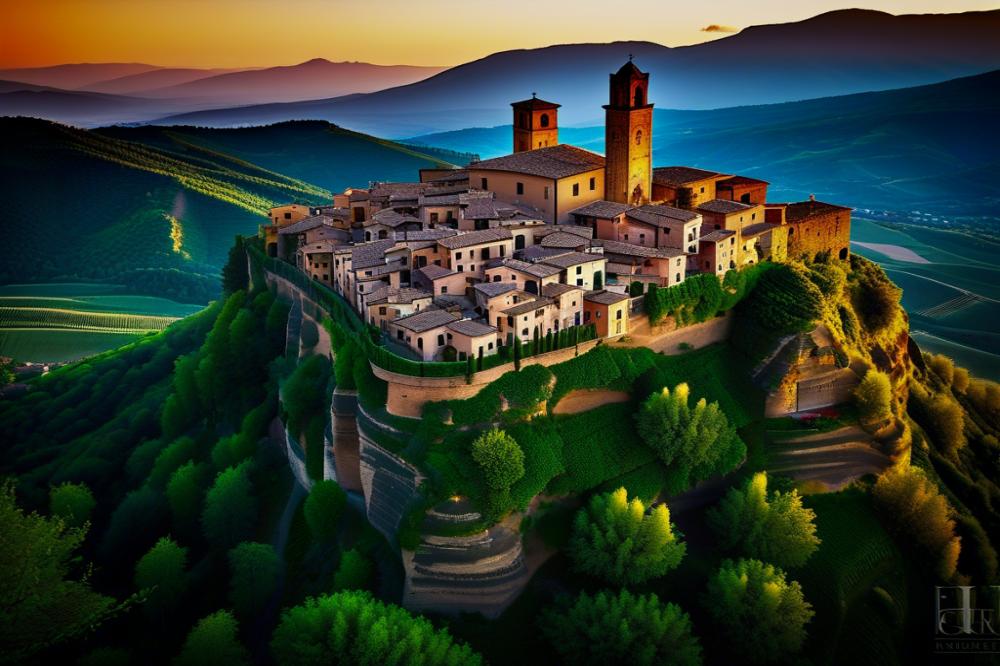
Civita di Bagnoregio, known as the “dying town,” has a rich history that dates back over two thousand years. Founded by the Etruscans, this hilltop village flourished due to its strategic position and stunning views. Over the centuries, it became an important center of trade and culture in Italy. Its ancient architecture, with stone buildings and narrow winding streets, tells stories of a time long past.
During the Middle Ages, the town experienced significant growth. The construction of stunning churches, like San Donato, showcased the artistic skills of the period. People from different regions came to admire these historical sites. However, the town faced challenges as well. Natural erosion began to threaten its very existence, slowly eating away at the cliffs on which the village stands.
As we move into the Renaissance period, the town’s significance became even clearer. It attracted scholars, artists, and politicians who recognized its cultural heritage. Events during this time transformed Civita di Bagnoregio into a vibrant community, full of energy. Yet, with progress came new struggles.
Environmental challenges emerged as the landscape shifted. The fragile terrain around the village made it ripe for devastation from erosion and landslides. Residents faced a tough choice: adapt or leave. The impact on daily life was immense, and many chose to abandon their homes.
In recent years, tourism has risen in popularity. Visitors from all over the world flock to marvel at the breathtaking views and the unique charm of Civita di Bagnoregio. Efforts for preservation have become vital. Local authorities are stepping up to protect this historical gem, ensuring future generations can appreciate its beauty.
The town remains a symbol of resilience, showing how history can thrive amid adversity. Each stone and every path represents the spirit of those who came before. The story of Civita di Bagnoregio teaches us about the importance of safeguarding our cultural treasures.
Environmental Challenges
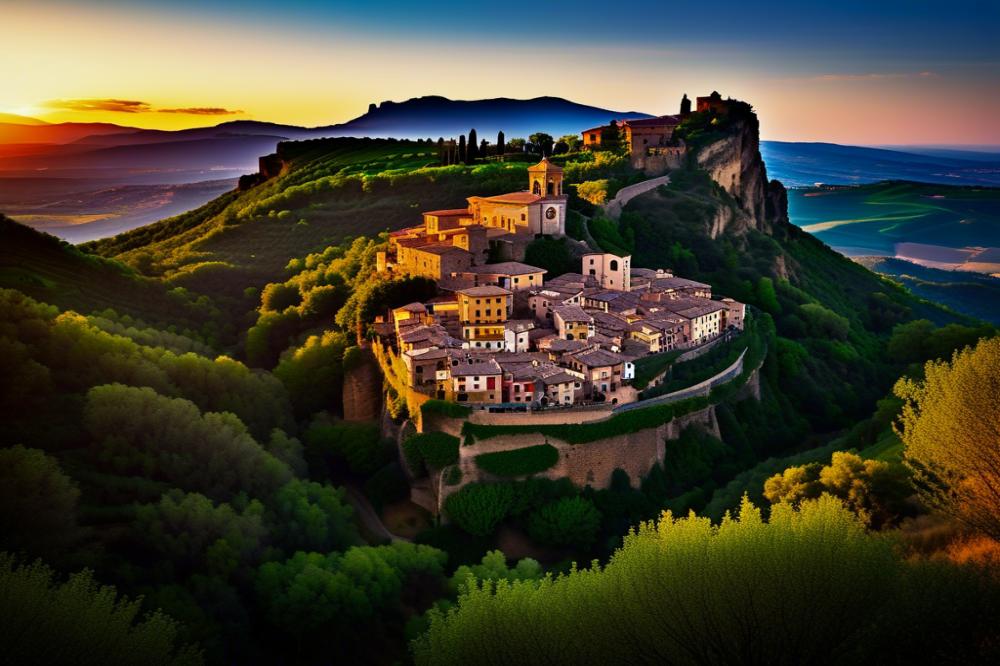
Civita di Bagnoregio, the dying town in Italy, faces severe erosion due to its geological makeup. Sedimentary rock, combined with heavy rainfall, contributes to the land’s instability. The town clings to a precarious hilltop, where crumbling cliffs threaten its existence. In recent years, increasing environmental challenges have led to significant concerns among residents and preservationists alike.
Tourism plays a role in this delicate balance. Many visitors flock to see the ancient architecture and stunning views. However, this influx puts additional pressure on the already vulnerable structures. These historical sites require constant attention to maintain their integrity. Keeping them safe from the elements is becoming more difficult.
As the town grapples with erosion, conservation efforts are becoming ever more crucial. Local authorities and organizations aim to protect the cultural heritage found here. Projects designed to shore up the cliffs and reinforce the buildings have been initiated. Despite these efforts, many fear they may not be enough to combat the forces of nature.
People living in the area speak often about their worries. The gradual decline of the landscape is visible to all. Homes and roads show clear signs of wear. Land instability issues regularly disrupt daily life. The community’s resilience shines through as they adapt to these conditions. Continued discussions about how to address these environmental challenges are vital.
While solutions are being sought, the relationship between nature and the town remains fraught. Changes in weather patterns may intensify the situation further. With every storm, the threat of further damage looms large. Balancing tourism and preservation is an ongoing struggle. Civita di Bagnoregio stands at a crossroads, facing a fight for its future against the relentless forces of nature.
Cultural Heritage and Preservation Efforts
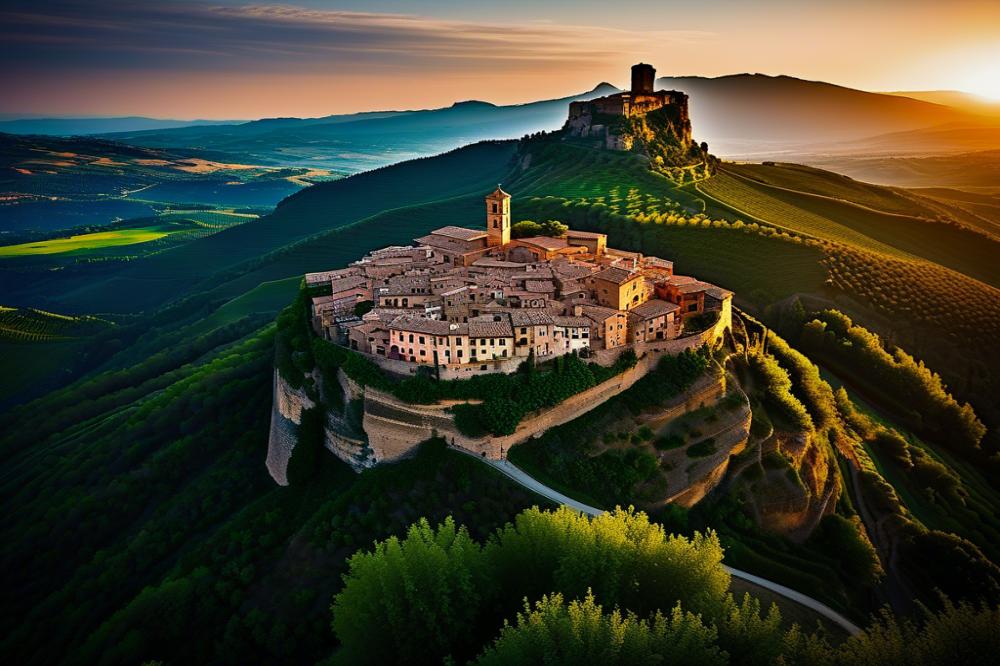
Civita di Bagnoregio is often called the “dying town” of Italy. This hilltop village stands on the edge of decay, facing serious threats from erosion. Its ancient architecture is both beautiful and fragile. Built from tuff stone, many buildings have crumbled due to the elements. As a result, preservation efforts play a crucial role in maintaining this unique cultural heritage.
Local authorities understand the importance of keeping historical sites intact. Various initiatives have arisen to combat the deterioration of structures. Restoration projects focus on reinforcing buildings and ensuring their safety. Many involve careful techniques to preserve the original materials and style. Volunteers often assist in these efforts, showing a deep commitment to their town.
Tourism also creates challenges and opportunities for Civita. Visitors flock to see its beauty, which helps the local economy. However, increased foot traffic can lead to further wear on the ancient streets. Balancing tourism and preservation is a delicate task. Regulations are in place to protect key areas while still welcoming guests.
Environmental challenges persist, and they affect everyone. Climate change impacts weather patterns, leading to more intense rainfall and temperature shifts. These changes can expedite erosion, posing a real threat to the town’s existence. Community members work together to raise awareness about these issues, fostering a sense of unity.
Education plays a vital role in the preservation journey. Schools often take field trips to historical sites, teaching young people about their significance. Engaging the next generation helps instill a sense of pride and responsibility. Through art and storytelling, they learn why Civita’s history must be protected.
In summary, cultural heritage holds great importance for Civita di Bagnoregio. Preservation efforts strive to keep its historical charm alive amid various threats. Through collaboration and education, the town continues to resist the forces that seek to erase it from existence.
Tourism and Economic Impact
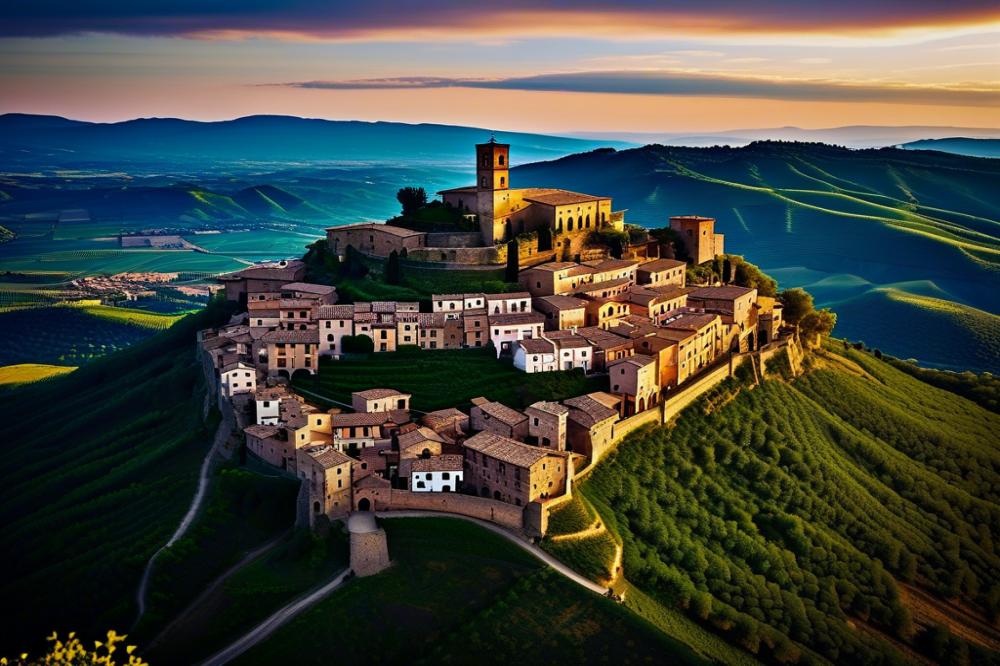
Civita di Bagnoregio, known as the dying town, draws visitors from around the globe. Its breathtaking views and ancient architecture captivate many. As tourists explore the hilltop village, they play a crucial role in sustaining the local economy. Their spending supports shops, cafés, and artisans. This influx of visitors also contributes to preservation efforts. Funds generated through tourism often go towards protecting this unique cultural heritage.
However, increased traffic brings challenges. The narrow pathways and limited infrastructure struggle to accommodate the growing number of tourists. Erosion remains a significant threat to the historical sites. Each footstep on the fragile ground adds to the environmental challenges faced by this community. Local officials recognize the need for a balance between tourism and preservation.
Community leaders are working on strategies. They aim to manage the number of visitors while promoting responsible tourism. Programs focused on education about Civita di Bagnoregio’s history can enhance visitor experiences. These initiatives highlight the importance of protecting this incredible place for future generations. By fostering a respectful tourist approach, they hope to maintain the town’s charm and integrity.
Despite the obstacles, the spirit of Civita di Bagnoregio endures. Residents take pride in their home and its rich history. They understand that with tourism comes responsibility. Encouraging sustainable practices can benefit the town long-term. Collaboration between visitors and locals can create a thriving environment for everyone involved.
Resilience and Future Outlook
The hilltop village of Civita di Bagnoregio faces many challenges in its fight against erosion and decay. Despite being labeled a dying town, the community remains determined to preserve its rich cultural heritage. Residents and local officials actively work together to protect their historical sites. Their dedication underscores a broader commitment to maintaining lasting traditions against environmental threats.
Tourism plays a vital role in sustaining the economy. Visitors flock to experience the ancient architecture and the stunning landscape that surrounds this picturesque locale. Many locals see tourism as a way to fund preservation efforts. It provides necessary resources for maintenance and restoration projects that otherwise might not take place.
In response to the pressing issues of erosion, strategies are being implemented to fortify the infrastructure. Innovative methods are being explored to prevent further damage. Community workshops aim to educate residents and tourists alike about the importance of safeguarding their unique environment.
Future prospects appear cautiously optimistic. Much potential exists if the town can effectively harness its cultural legacy to attract more visitors. Collaborations with environmental organizations could also yield fruitful results. Finding balance between tourism and preservation emerges as a critical goal.
As more people learn about this extraordinary place, interest in Civita di Bagnoregio is likely to grow. Efforts to promote its historical significance might lead to increased awareness and appreciation. Such initiatives could further strengthen the resolve of the community, encouraging even more support for their cause.
Final Thoughts on Preservation
Civita di Bagnoregio embodies a delicate balance between historical significance and modern challenges. This dying town is known for its striking beauty and rich cultural heritage. Over centuries, it has faced severe erosion and environmental difficulties. However, efforts to address these issues have shown remarkable resilience. Individuals and organizations are dedicated to sustaining this gem of Italy for future generations.
Historical roots run deep in every stone of its ancient buildings. Visitors are drawn not only to its breathtaking views but also to its profound stories. Each pathway and piazza tells tales of those who lived there long ago. Cultural festivals and local traditions breathe life into the town, showcasing its vibrant community spirit.
Challenges are not insurmountable. Continuous erosion threatens its very existence. Without active measures, the risk remains high. Local authorities and citizens are working together to combat these obstacles. Their determination is palpable. It highlights the importance of community in preservation efforts.
Preserving Civita di Bagnoregio is crucial. This work isn’t just about saving a place; it’s about maintaining a part of Italy’s history. People today must appreciate the importance of safeguarding such locations. Future generations deserve to experience and learn from these unique environments. By mobilizing resources and raising awareness, hope remains for a sustainable future for this enchanting town.

