
Ravenna: A Mosaic of Byzantine history
Overview of Ravenna
Ravenna stands as a significant historical town in Italy. Its streets are filled with echoes of the past. Once the capital of the Roman Empire, it later became an important center for early Christianity. This city has witnessed numerous cultural shifts throughout the centuries. Tourists flock to Ravenna, drawn by its rich heritage and stunning examples of art and architecture.
The Importance of Byzantine history
Understanding Ravenna’s architectural wonders requires a look into its Byzantine history. During this period, the town became a melting pot of cultures. The influence of the Byzantine Empire can be seen in its churches and monuments. These structures tell stories of religious significance and artistic expression. Each building contributes to an appreciation of Ravenna’s unique cultural identity.
The Role of Mosaics
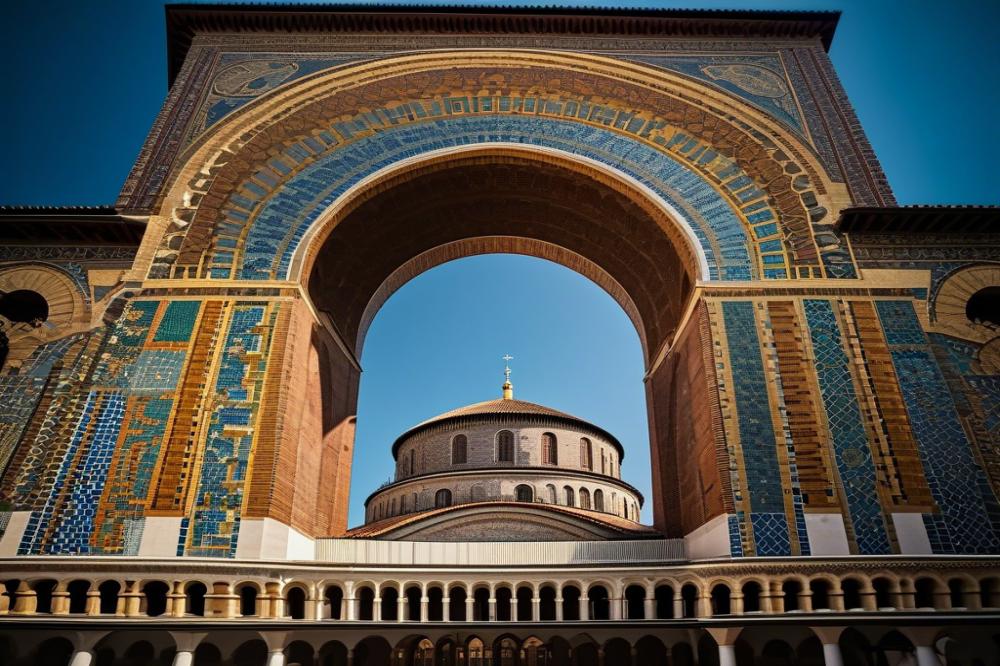
Mosaics are a vital symbol of Ravenna’s artistic legacy. They adorn the walls of historical sites, showcasing intricate designs and vibrant colors. Many of these artworks depict biblical scenes, illustrating the city’s deep ties to early Christian beliefs. UNESCO has recognized several of these sites, emphasizing their global importance. Visitors often find themselves captivated by the skill of ancient artisans, who transformed simple pieces of glass and stone into masterpieces. Ravenna’s mosaics continue to draw those interested in history and art, further solidifying its status as a must-see tourist destination.
Byzantine Legacy in Ravenna
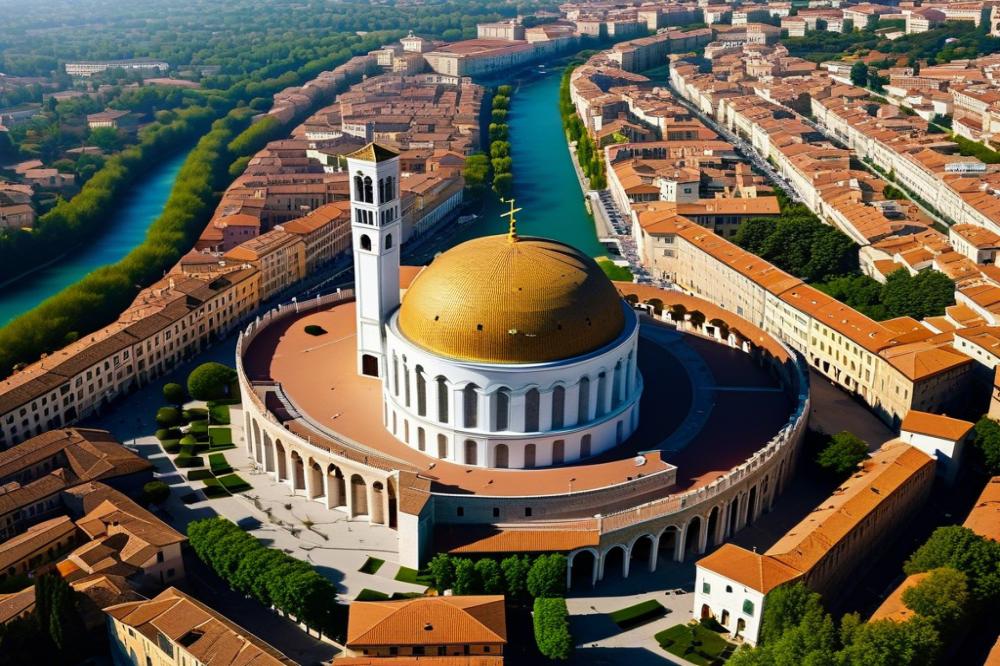
Ravenna holds a pivotal place in history during the 5th and 6th centuries. This city became a crucial hub for politics and culture. After the fall of Rome, it served as the capital of the Western Roman Empire, attracting notable leaders and thinkers. As a result, Ravenna evolved into a thriving center for early Christianity in Italy.
The emperors from this era had a profound impact on its development. They commissioned towering structures and elaborate artworks that still mesmerize visitors today. Stunning mosaics adorn many of the buildings, showcasing intricate designs that exemplify spiritual themes and imperial power. These artistic expressions reflect a blend of classical traditions and new religious ideas.
Many of Ravenna’s architectural masterpieces were designed to convey religious significance. The Basilica of San Vitale exemplifies this with its octagonal shape and glowing mosaics. Admiring these sites gives tourists a glimpse into the past. UNESCO recognized the city’s rich cultural heritage, adding it to the World Heritage List. This acknowledgment underscores the importance of Ravenna’s contributions to global history.
Travelers often find themselves captivated by the historical narratives embedded in each piece of art and structure. The mosaics not only tell stories; they reveal a society deeply rooted in faith and tradition. Each visit to Ravenna reinforces its status as a celebrated tourist destination. The blend of beauty and history inspires those who explore its streets, leaving lasting impressions on their journeys.
Art and Architecture of Ravenna
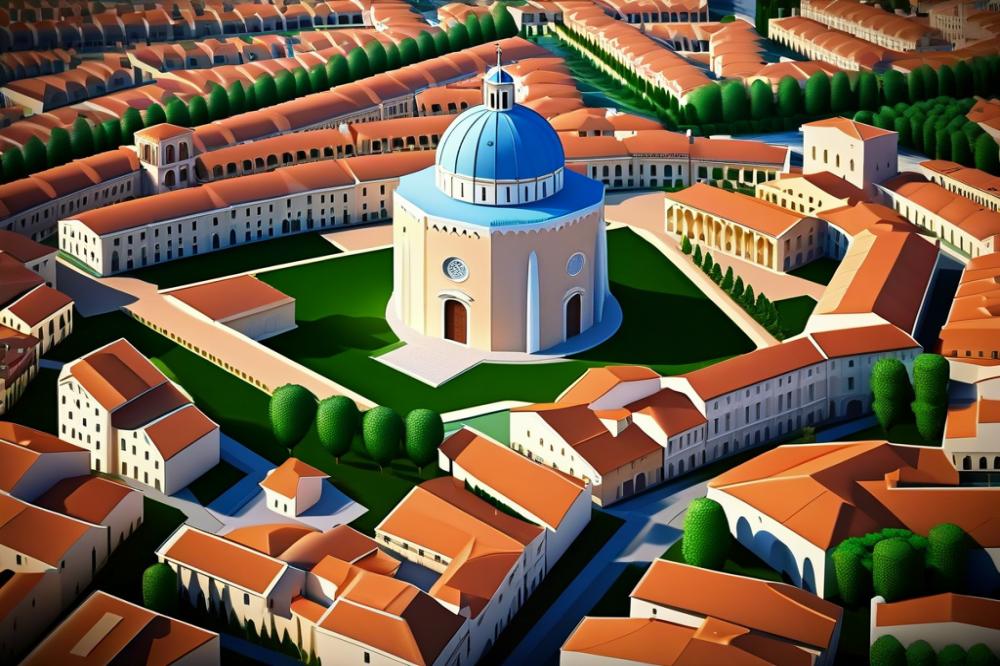
Ravenna is famous for its stunning mosaics, which stand as a testament to the city’s rich history and artistic expression. These works feature vibrant colors and intricate designs that tell stories from the Bible and highlight the early roots of Christianity. Artisans used tiny, colored glass and stone pieces called tesserae to create these visual masterpieces. The meticulous craftsmanship is evident, as mosaicists carefully arranged each piece to achieve depth and harmony.
Among the city’s notable structures is the Basilica of San Vitale. This church, built in the 6th century, showcases some of the most exquisite mosaics in Italy. The interior is adorned with images of Christ, saints, and even the Emperor Justinian, reflecting both religious and political significance. Another remarkable site is the Mausoleum of Galla Placidia, which boasts a vaulted ceiling covered with shimmering gold and vivid blue mosaics. The themes often revolve around salvation and divine light, emphasizing the spiritual importance of the era.
Ravenna’s architecture speaks volumes about its cultural heritage. The combination of Roman and early Christian styles creates a unique visual language. Geometric patterns and dome-shaped ceilings offer a glimpse into the artistic sensibilities of the time. Many structures have been designated as UNESCO World Heritage Sites due to their historical and artistic value. These buildings not only attract tourists but also connect visitors to a significant part of Italy’s past.
The city’s layout and design reflect a transition from ancient Rome to the early medieval period. The use of bricks, arches, and mosaics illustrates how religious devotion influenced artistic choices. Each monument serves as a reminder of Ravenna’s role in the broader narrative of European history. Its art shines brightly in the context of early Christianity, making Ravenna a sought-after destination for those interested in history and culture.
Religious Significance of Ravenna
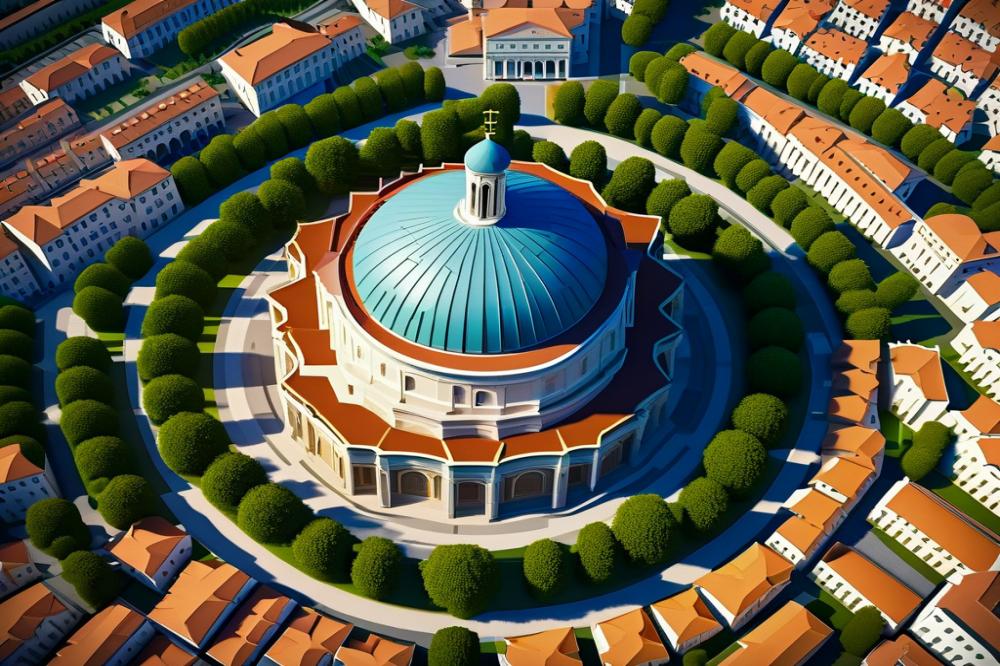
Ravenna holds a special place in the history of early Christianity. This city, nestled in Italy, became a vibrant hub for the spread of Christian beliefs. Its rich art and architecture reflect the religious fervor of the time. Churches and mosaics dedicated to Christian themes dominate the landscape. Each artwork tells a story of faith and devotion.
The impact of early Christianity transformed Ravenna’s cultural heritage. As the capital of the Western Roman Empire, it attracted theologians, artists, and pilgrims. These individuals contributed to a flourishing spiritual environment. The city’s embrace of Christian doctrine was evident in its distinct architectural styles. This development enhanced the city’s significance, leading to an enduring legacy.
Role as a Center for Religious Authority
In the Byzantine period, Ravenna emerged as a center for religious authority. It became a crucial site for both ecclesiastical and political power. Several important councils met in this city, shaping the future of Christianity. This role attracted attention from distant lands and solidified its importance. Prominent figures in early Christianity often passed through its streets.
Notable religious buildings stand testament to this period. The Basilica of San Vitale showcases exquisite mosaics that draw visitors from around the world. This architectural masterpiece is a UNESCO World Heritage Site. Its intricate designs illustrate the theological concepts of the time. Nearby, the Mausoleum of Galla Placidia is another gem. This structure boasts stunning mosaics depicting biblical scenes.
Exploration of Significant Religious Buildings
Visiting Ravenna allows a glimpse into its historical significance. The Basilica di Sant’Apollonia in Classe is worth mentioning. This church features impressive artwork that highlights the development of ecclesiastical art. Its sermons echo the teachings of early Christianity, inviting reflection and reverence.
The city’s religious architecture is a blend of history and art that continues to inspire. Tourists often marvel at the depth of history found here. Each building contributes to a greater understanding of how faith influenced daily life. As such, Ravenna stands as a captivating tourist destination.
UNESCO World Heritage Status
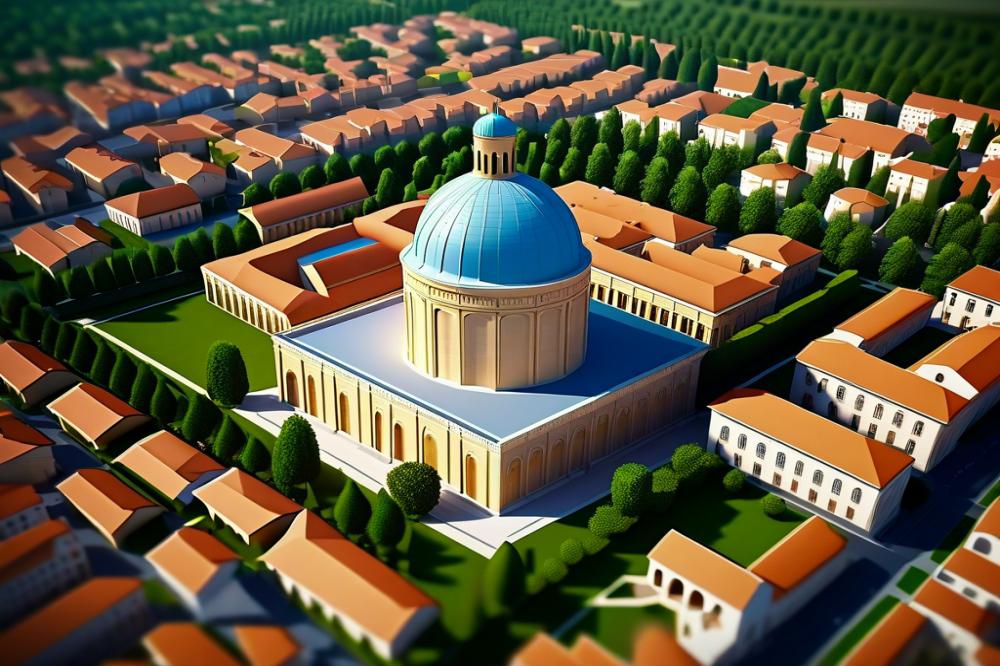
Ravenna is recognized as a UNESCO World Heritage site due to its rich history and remarkable art. This Italian city is home to some of the best-preserved mosaics in the world. These beautiful artworks reflect its importance in early Christianity and its significant role in the Roman Empire. The designation highlights Ravenna’s exceptional architectural and artistic achievements.
To qualify for UNESCO status, sites must meet specific criteria, including cultural significance and historical value. Ravenna embodies these qualities through its stunning churches and buildings that showcase remarkable mosaic works. Each structure tells a story of religious significance and artistic skill. Many layers of history are embedded in its walls.
The benefits of UNESCO designation are considerable. Increased tourism often follows such recognition. Visitors from around the globe come to experience Ravenna’s unique offerings. This influx of tourism brings vital resources for the preservation of cultural heritage. Local economies also gain from the attention, creating jobs and opportunities.
In addition, UNESCO status raises awareness about the importance of preserving art and architecture. Protection efforts become stronger, ensuring that future generations can appreciate this treasure. Ravenna stands as a testament to the past, allowing us to understand our shared history. Continued preservation efforts rely on both local and international support.
Modern Ravenna: A Tourist Destination
Ravenna stands out today as a vibrant tourist destination, drawing visitors from all corners of the globe. Its rich history, art, and architecture hold immense appeal. As a UNESCO World Heritage Site, it is a treasure trove of cultural heritage, especially noted for its early Christianity significance. The city enchants travelers with its stunning mosaics and ancient churches.
Many attractions await those who venture to Ravenna. The Basilica di San Vitale showcases magnificent mosaics that captivate anyone who steps inside. Nearby, visitors can explore the mausoleum of Galla Placidia, revered for its intricate designs and historical importance. Walking tours lead travelers through charming streets, allowing them to discover hidden gems tucked away from the bustling main thoroughfares.
Events throughout the year add to the allure. Cultural festivals celebrate Ravenna’s artistic legacy with music, dance, and exhibitions. Guided tours often include local experts who share fascinating stories about the city’s storied past. These experiences help people connect with Ravenna’s remarkable history while enjoying its contemporary vibrancy.
Educating the public about Ravenna’s historical significance is crucial. Understanding the context of its art and architecture enriches the visitor experience. The mosaics are not merely decorations; they tell stories of faith, power, and humanity. Many travelers leave with a deeper appreciation of how this city influenced early Christianity and subsequent cultural developments.
Ravenna is more than just a stop on a travel itinerary; it invites exploration and reflection. Tourists not only witness the beauty of the mosaics but also engage with the echoes of a past that shaped much of Italy’s cultural landscape. Each visit is an opportunity to partake in an ongoing dialogue about art, history, and the interconnectedness of all these elements.
Final Reflections on Ravenna’s Historical Importance
Ravenna holds a special place in the rich tapestry of history, showcasing the brilliance of an era defined by artistry and innovation. This city served as a crucial center for power and culture during a pivotal time.
Cultural heritage thrives in its vibrant mosaics and stunning architecture. Each piece tells a story, reflecting a unique blend of traditions and influences. Visitors can walk through history, experiencing the same beauty that captivated emperors and artists centuries ago.
Preservation is key to maintaining this legacy. Ongoing efforts help protect these masterpieces for future generations. Tourism plays a dual role; it boosts the local economy while raising awareness of Ravenna’s importance. However, managing the balance between welcoming visitors and safeguarding treasures is vital. The sustainability of these heritage sites relies heavily on collective responsibility.
In closing, Ravenna is more than just a destination; it is a treasure trove of art and history waiting to be discovered. Appreciating its significance requires a deeper understanding of what each mosaic represents. As visitors explore, they should reflect on the stories behind the tiles and the lives woven into this beautiful city.

