
Introduction
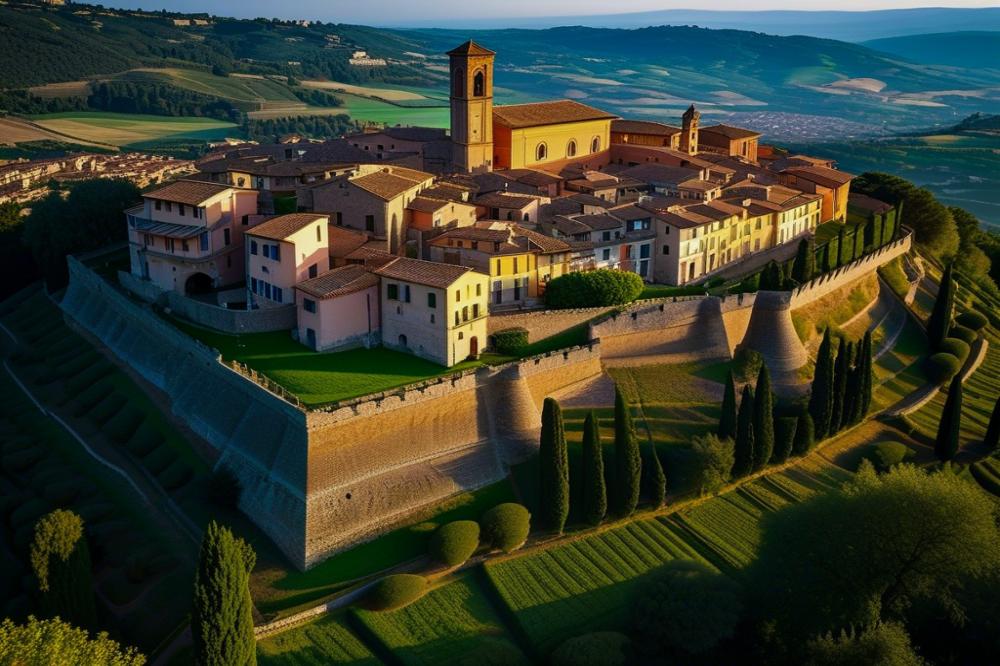
In the heart of Italy lies a town steeped in history and brimming with culture. This ancient town showcases a rich tapestry woven over millennia. The significance of its Etruscan roots is visible in the archaeological sites scattered across its landscape. Visitors to Sutri can marvel at both its historic and architectural splendor.
Architecture enthusiasts find much to appreciate in the diverse styles that reflect various eras. From the remnants of Etruscan structures to medieval landmarks, the buildings tell stories of a vibrant past. Each stone and archway speaks not just of beauty but of resilience and continuity.
This historical gem stands out in the context of other Italian towns. Places steeped in rich heritage often draw travelers, eager to explore stories from a distant time. In Sutri, the blend of different cultural influences creates a unique experience for all who visit.
As one walks through its narrow streets, it becomes clear why Sutri has remained a beacon of Italian history. The charm of this town captivates those who venture here. Its importance in the broader narrative of Italy’s historical landscape is undeniable.
Sutri’s Etruscan Foundations
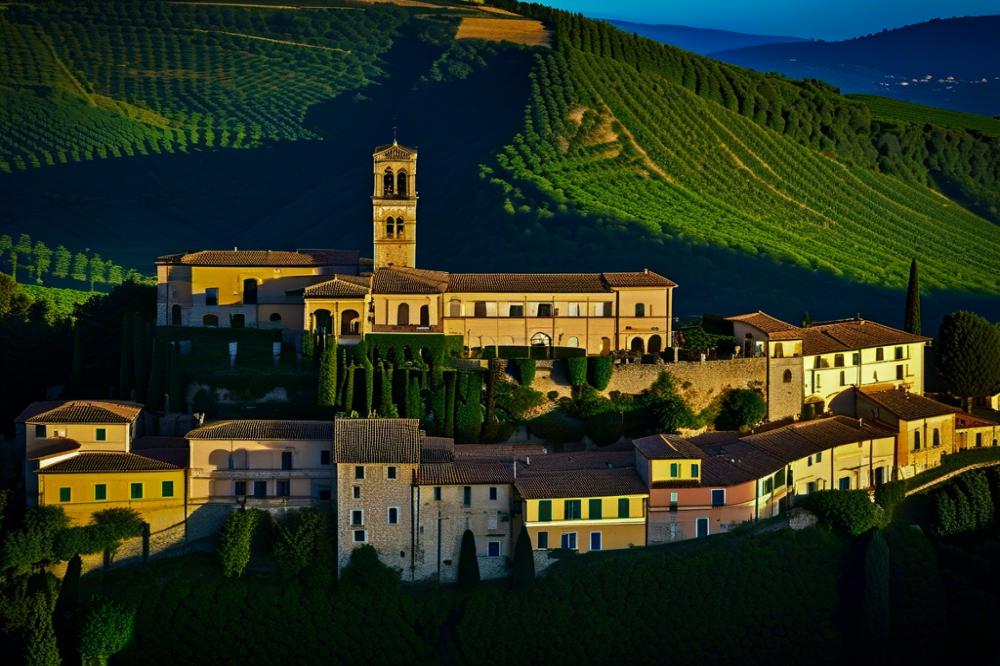
Sutri has deep roots that trace back to the Etruscans. This ancient group played a major role in shaping the region’s heritage. Archaeological sites around the town reveal fascinating insights into Etruscan life. For example, the Necropolis of Sutri showcases elaborate tombs carved into volcanic rock. These structures are remarkable, shedding light on burial practices and beliefs.
Travelers discover the remnants of Etruscan architecture nearby. The ruins offer more than just stones; they tell stories. In addition to tombs, there are traces of Etruscan walls and structures. These landmarks highlight the skill and craftsmanship of a civilization long gone. Visitors can walk through history, feeling a connection to a time that predates Roman influence.
The culture of the Etruscans helped shape the early development of this town. Arts, rituals, and even everyday life were influenced by their traditions. This impact can be seen in local festivals that blend ancient customs with medieval flair. Many aspects of modern Italian culture have roots in these early traditions. As such, exploring Sutri is not just a travel experience, but a journey through time.
Studying these archaeological sites reveals patterns of trade and society that influenced the area’s evolution. Artifacts found in excavations, such as pottery and tools, provide clues about daily life. These discoveries allow historians to piece together a narrative of survival and ingenuity. The history of Sutri is richer because of its connection to Etruscan heritage. Each discovery helps paint a clearer picture of this ancient town‘s past.
Historical Significance Through the Ages
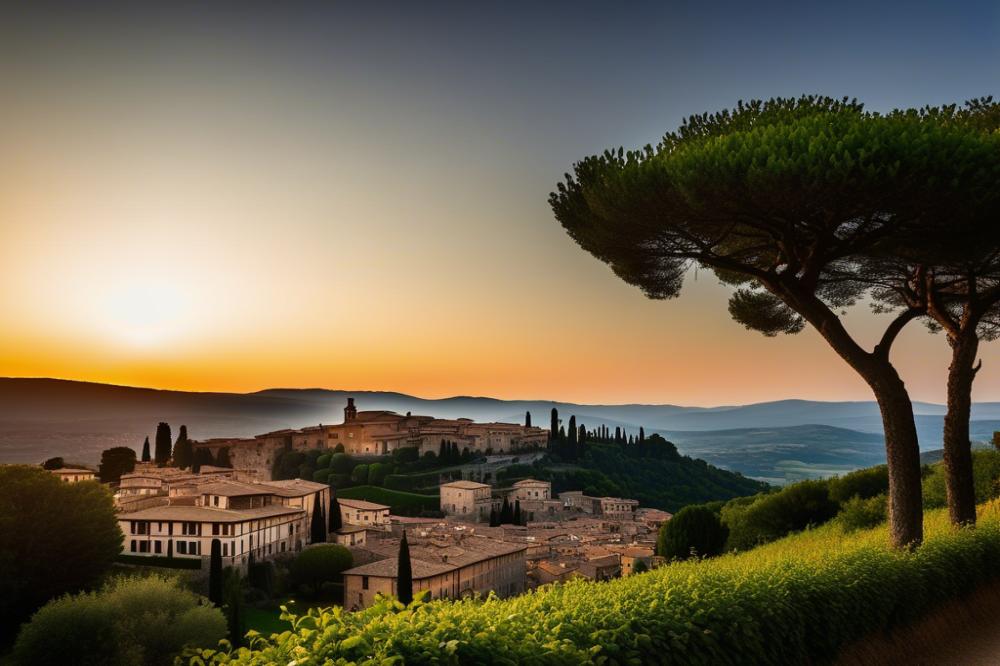
Located in Italy, this ancient town has rich roots that stretch back to the Roman era. It served as a vital crossroads for travelers and merchants. The layout of the town reflects remarkable Etruscan and Roman architecture. Many archaeological sites reveal its bustling past. Discoveries in the area highlight the vibrant culture that flourished here.
During medieval times, the settlement gained further importance. It turned into a strategic location for various kingdoms. Controlling Sutri meant overseeing a key passageway for trade. The presence of notable landmarks adds to its historical allure. Churches and fortifications were built, showcasing changing architectural styles across the ages.
Several significant events shaped the town’s development. It witnessed battles between powerful rulers. Each conflict left its mark, influencing the architecture and community. Furthermore, the transitions among ruling powers contributed to the unique character of Sutri. Different cultures blended, creating a diverse heritage.
Visitor fascination continues today due to the stories that linger in its streets. Exploring the town is like traveling back in time. Ancient traditions and modern life coexist beautifully. Those who come can appreciate the depth of its history and how it has molded this town into what it is today.
Architectural Marvels and Landmarks
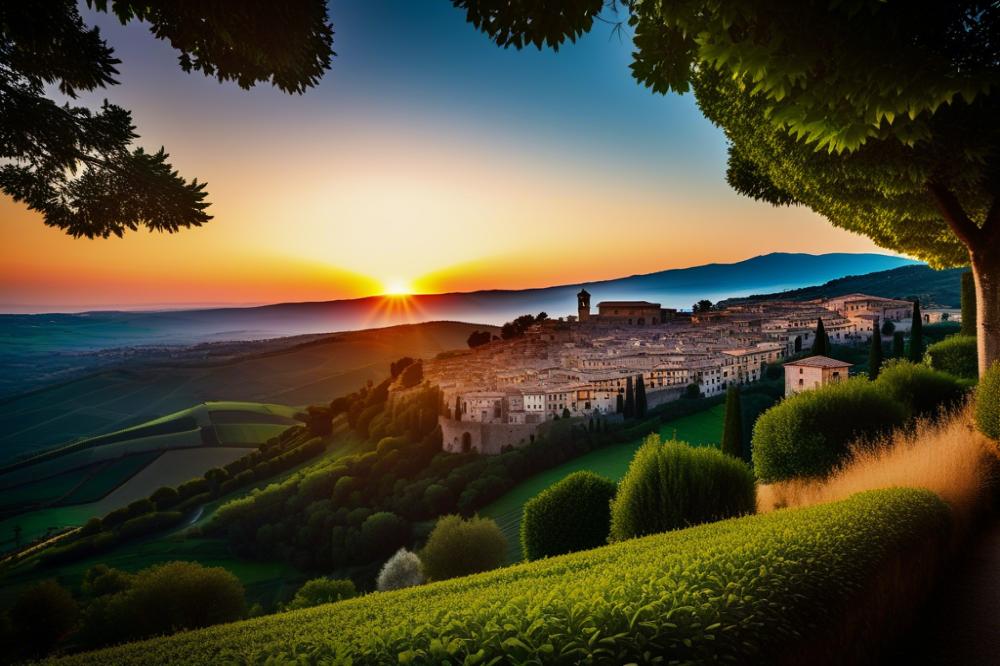
This ancient town is home to several impressive architectural sites that reflect its rich heritage and history. The amphitheater stands as a testament to the town’s past. Built by the Etruscans, it features stone seating for hundreds. The structure is remarkably preserved, allowing visitors to imagine the entertainment that once captivated audiences.
The cathedral, known as Santa Maria Assunta, is another key landmark. Its medieval architecture showcases a blend of styles. Intricate frescoes adorn the walls, telling stories that span centuries. Travelers marvel at the large rose window, which highlights the craftsmanship of its builders. This cathedral is a focal point of local culture, adding depth to the sense of community.
Among the notable features are various archaeological sites scattered throughout the town. These remnants reveal layers of influence from different periods in history. Roman ruins coexist with Etruscan structures, offering a unique juxtaposition. Visitors often find themselves exploring ancient pathways that have stood the test of time.
As one navigates through the streets, the styles of architecture are diverse. Romanesque arches, Gothic details, and Renaissance touches can all be observed. Each building tells a story, representing the melding of various influences. Sutri’s structures reflect a culture that embraced change while preserving its roots.
If you’re interested in history and travel, these landmarks provide a fascinating glimpse into the past. The ancient amphitheater and the grand cathedral are just two highlights. Walking around, it’s easy to see how this town has developed while honoring its legacy.
Cultural Richness and Traditions
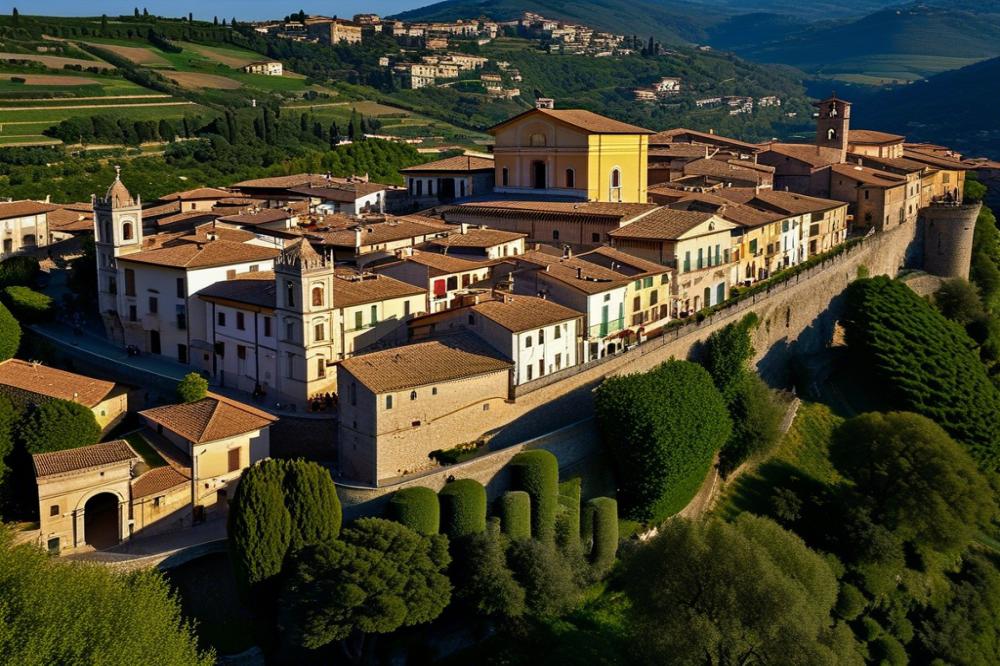
The ancient town boasts a deep cultural heritage that reflects both its illustrious history and its unique place in Italy. With roots tracing back to Etruscan civilization, Sutri is rich in traditions that vary from the ordinary to the extraordinary. Local customs often blend medieval influences with modern practices, creating a vibrant tapestry of life.
Festivals play a crucial role in the community. One of the most celebrated events is the Sagra della Polenta, honoring local food and traditions. This festival not only showcases delicious dishes but also brings people together to enjoy music, dance, and art. Families often prepare traditional recipes that have been passed down through generations. Such celebrations highlight the importance of cultural transmission in daily life.
Art and crafts hold significant meaning for residents. Artisans continue to practice ancient techniques that produce stunning works. Many workshops line the streets, offering handmade pottery and textiles. Visitors often find joy in watching these skilled craftsmen at work. This artistic expression not only supports the local economy but also keeps traditions alive.
Preserving heritage is vital for the future. Community members realize that without active participation, their unique culture may fade away. Schools and local organizations now emphasize teaching young people about their historical roots. By engaging in storytelling and art projects, children learn about the past while creating connections to the present.
Architectural landmarks serve as reminders of Sutri’s journey through time. The well-preserved archaeological sites attract both tourists and researchers alike. Buildings reflect Roman and medieval styles, showcasing the town’s historic significance. The amphitheater and ancient churches stand as testaments to the skill of builders from centuries ago.
Traveling to this ancient town offers more than just picturesque views. It provides an opportunity to dive into the local culture, where history is a living story. Each corner of Sutri tells its own tale. Engaging with the community allows travelers to appreciate the nuances of everyday life, reminding everyone that every tradition holds a piece of the past.
Modern-Day Sutri: A Travel Destination
Sutri captivates travelers with its rich heritage and fascinating history. Nestled in the heart of Italy, this ancient town boasts remarkable Etruscan and medieval architecture. Those eager to explore will find an array of archaeological sites and landmarks waiting to be discovered.
The amphitheater is a must-see. This ancient structure showcases the grandeur of Roman entertainment. Similarly, the nearby Etruscan necropolis offers a haunting glimpse into the burial practices of a lost civilization. Walking through these sites feels like stepping back in time, offering insight into life centuries ago.
For those hungry for local flavor, dining options abound. Traditional restaurants serve up authentic Italian dishes, highlighting the region’s culinary heritage. A favorite dish among locals is “Stracciatella,” a comforting soup that warms the soul. Sampling local wine is also essential. Vineyards nearby produce some of Italy’s best wines, providing a perfect pairing for your meal.
Engaging with the culture enriches any visit to this town. Festivals often celebrate its long history, featuring music, dance, and art. Visitors are encouraged to partake in these events to fully appreciate the vibrant community spirit. Additionally, boutiques offer handcrafted goods that reflect the area’s artistic legacy.
As you plan your trip, consider the best times to visit for unique experiences. Spring and fall are ideal, offering mild weather and fewer tourists. This is when the town feels most alive, with residents welcoming travelers. Whether it’s the striking architecture or the delicious food, modern Sutri invites exploration and adventure.
Final Thoughts on Sutri’s Heritage
Sutri stands as a remarkable testament to Italy’s rich history and cultural diversity. This ancient town showcases layers of time, from Etruscan roots to medieval influences. Each site, from its Roman amphitheater to the stunning catacombs, tells a story that deserves to be heard. Visitors leave with a deeper understanding of the past, connecting them to the lives of those who walked its streets centuries ago.
Preserving towns like this is essential for future generations. They offer a tangible link to history, allowing people to explore and appreciate the cultures that came before. Historical sites enhance our knowledge and spark curiosity among visitors and locals alike. Engaging with such places can inspire a sense of responsibility towards cultural preservation.
Moreover, the value of maintaining these heritage sites goes beyond aesthetics. They often play a significant role in local economies through tourism, providing jobs and promoting community pride. By safeguarding their historical assets, towns can thrive while honoring their unique stories. Each visit becomes more than just a trip; it becomes an opportunity for reflection and growth.
As we look to the future, the importance of preserving sites like Sutri cannot be overstated. They nurture our understanding of human experiences and shared heritage. Embracing and caring for these places enriches our lives, allowing us to appreciate the complex tapestry of human history.

