
Viterbo: Medieval Splendor in the Tuscia Region
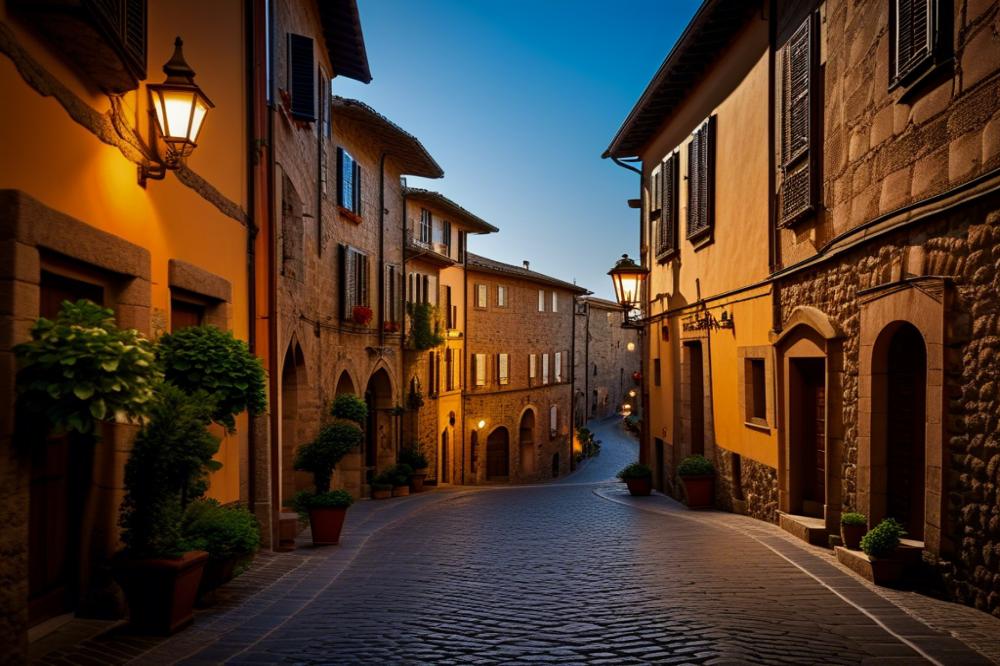
Nestled in the heart of Italy lies a town steeped in medieval history. This charming locale served as a key player during the 13th century, particularly known for its role as a papal residence. The Palazzo dei Papi, an impressive structure, still stands as a testament to Viterbo‘s historical significance. Many visitors are drawn to the rich past that resonates in its narrow streets and ancient buildings.
The Tuscia Region, encompassing this historical gem, boasts a variety of attractions that reflect Etruscan heritage and Roman influences. Unique thermal baths nearby offer restorative experiences, blending relaxation with an appreciation for the region’s natural beauty. Tourists seeking to explore Italy travel here not only for sights but also for the deep cultural heritage that Viterbo represents.
Exploring the medieval architecture, one can’t miss the magnificence of Viterbo Cathedral. This stunning cathedral showcases artistic styles that span centuries, further enriching the town’s identity. As the article unfolds, readers will discover various aspects of Viterbo, including local cuisine, traditions, and the lively spirit of its community.
This piece will delve into how Viterbo stands out as a treasure within the Tuscia region. The exploration will be a journey through history, a showcase of architectural brilliance, and an invitation to experience its culinary delights. Join us as we uncover the layers of this fascinating town and why it remains a cherished destination for travelers.
Viterbo: A Journey Through medieval history
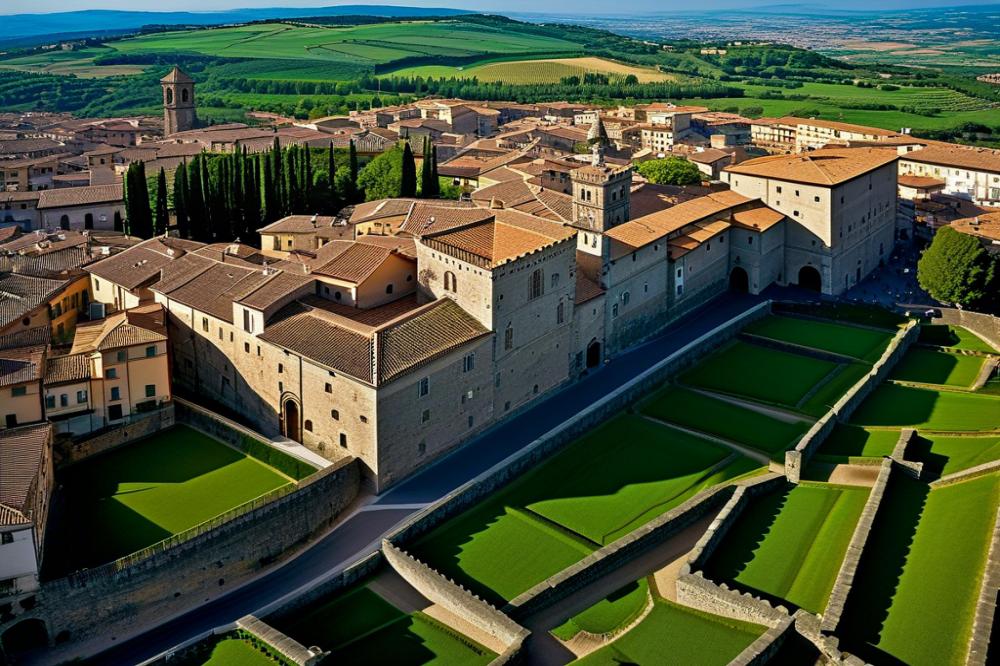
Nestled in the heart of Tuscany, Viterbo boasts a rich tapestry of medieval history. Established in the 8th century, it originally served as a stronghold for the Etruscans. The town grew in significance during the Middle Ages, becoming a key player in the region’s political landscape. Its charming layout speaks volumes about the past.
Several key events helped shape Viterbo’s identity during this period. The election of popes in the 13th century turned the town into a vital hub of Catholicism. Local leaders often vied for power, making politics and religion closely intertwined. This struggle for influence brought wealth and notoriety, marking the city as a center of medieval culture.
The Influence of the Papacy
The Palazzo dei Papi stands as a testament to the papacy’s influence on Viterbo. This grand palace served as a papal residence during the tumultuous years when multiple popes were elected. Here, significant decisions were made that affected the entire region. Its architecture highlights the strength and prestige of the church in medieval times.
In addition to the Palazzo, the Viterbo Cathedral remains another significant monument. Both structures reflect the artistry and dedication of medieval architects. Visitors admire the intricate designs and the sheer scale of these buildings. Each corner offers a glimpse into the local culture and community, fostering a deep appreciation for the city’s past.
Local Cuisine and Cultural Heritage
While exploring Viterbo’s medieval charm, do not overlook the local cuisine. Traditional dishes often reflect the region’s available resources and history. Food in this area features rich flavors and time-honored recipes, drawing on Etruscan heritage to create meals that tell a story. For many travelers, tasting the local fare is as essential as visiting historical sites.
This city’s thermal baths have also attracted visitors for centuries. They are a significant feature of the landscape and integrate seamlessly with the historical atmosphere. Ancient Romans used these baths for relaxation and health benefits. Today, they allure tourists seeking both leisure and a connection to Italy’s rich history.
Tourism continues to thrive in this medieval treasure. The academic and cultural interest surrounding the city draws innumerable visitors each year. The unique blend of medieval architecture and modern hospitality creates an inviting space for exploration. Wandering the cobblestone streets often feels like stepping back in time, as each alleyway offers a window into a storied past.
Exploring Viterbo’s Medieval Architecture
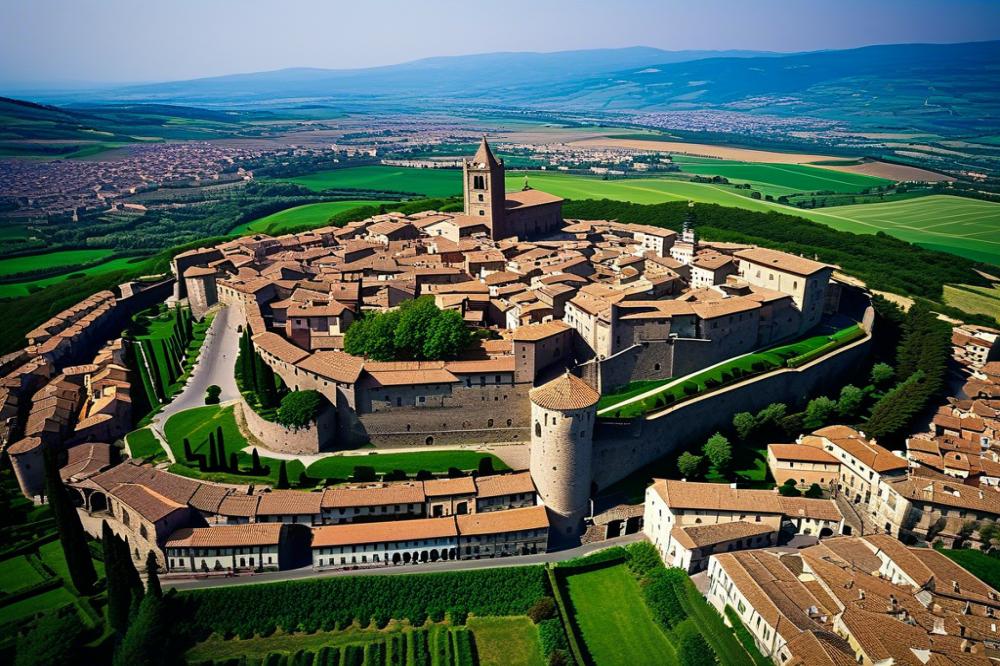
This ancient town is a haven for medieval history enthusiasts. Visitors encounter remarkable structures around every corner. The city boasts a rich heritage that is evident in its stunning buildings. Each edifice tells a unique story of the past.
Prominent Medieval Structures
The Palazzo dei Papi stands as one of the most significant medieval buildings. It was once home to the popes during the 13th century. This grand palace showcases beautiful Gothic architecture. Another notable site is the Palazzo degli Alessandri, with its imposing stone façade. Walking through its halls feels like stepping back in time.
Diving into Viterbo Cathedral
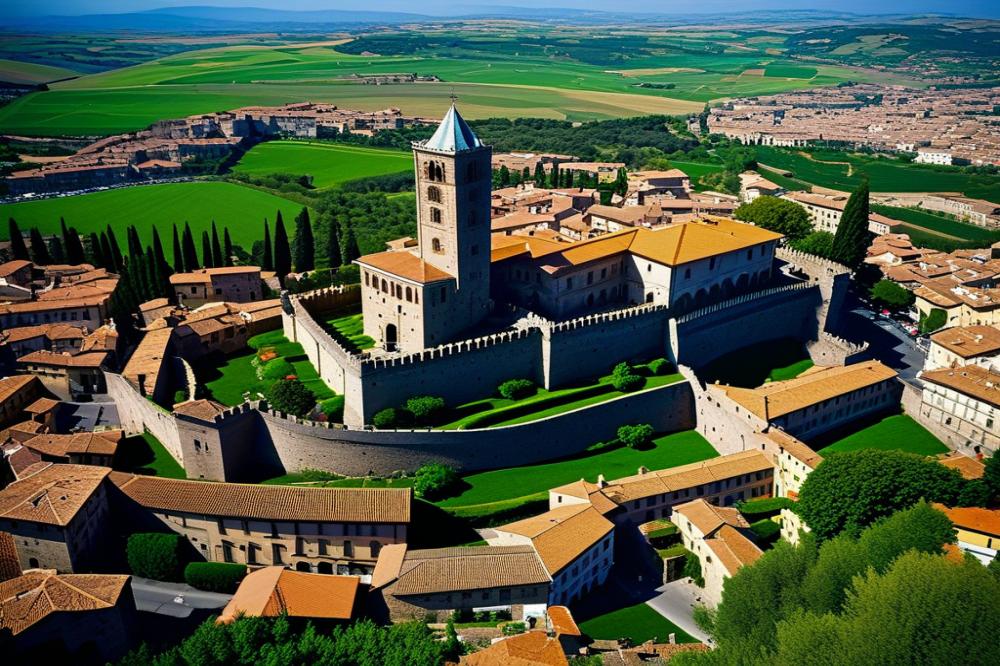
Viterbo Cathedral is a must-see for anyone exploring the area. Known as the Cathedral of San Lorenzo, it features a blend of Romanesque and Gothic styles. The stunning interior reveals breathtaking frescoes that captivate guests. Visitors can marvel at the intricately carved wooden ceiling. This cathedral serves as a vital part of the town’s cultural identity.
Preservation of Medieval Architecture
Efforts to preserve medieval architecture in the region are commendable. Many buildings have undergone restoration to maintain their historic charm. Local authorities recognize the importance of these landmarks for tourism and cultural heritage. Strolling along the cobblestone streets, one can appreciate the careful attention given to these structures. They tell stories that connect the past with the present.
Influence of Etruscan Heritage
Etruscan heritage can be seen in local architecture throughout the city. Ancient techniques and materials continue to inspire modern construction. The use of tuff stone is a direct nod to this rich history. Visitors often find Etruscan motifs and designs incorporated into existing buildings. Such influences highlight the deep-rooted connections between civilizations.
Local cuisine adds another layer to the experience. Dining in eateries located near these historical sites allows guests to savor traditional dishes. Viterbo’s culinary offerings often reflect ingredients native to the region. This combination of history, architecture, and gastronomy makes for a rich travel experience.
Traveling in Italy offers a chance to explore these hidden gems. The thermal baths nearby provide a relaxing atmosphere after a day of sightseeing. The blend of nature, history, and culture creates a truly captivating destination.
The Allure of Thermal Baths
The history of Viterbo’s thermal baths stretches back to ancient times. Romans prized these hot springs long ago, drawn by their healing properties. Visitors can still feel the essence of this Etruscan heritage today. The baths served not only as places of relaxation but also as social centers during the medieval period. In this way, they played a crucial role in daily life, connecting people with nature and each other.
Renowned Thermal Establishments and Their Benefits
Thermal spas in the region include well-known establishments like Terme dei Papi. This place offers a blend of relaxation and well-being, thanks to its natural hot springs. Bathers find relief from stress and pain, enjoying soothing thermal water. Many believe the rich minerals promote skin health and enhance overall vitality. Modern facilities also feature saunas and wellness treatments for a complete experience.
Wellness Tourism and Thermal Baths
Wellness tourism thrives in this part of Italy. Tourists flock to the thermal baths for various reasons, ranging from relaxation to health benefits. Local cuisine adds to the allure, as great food complements the wellness experience. While exploring medieval architecture, visitors can also indulge in rejuvenating treatments. The connection between relaxation and culture makes the thermal baths a must-visit for anyone interested in cultural heritage.
Just a short walk from Viterbo Cathedral and Palazzo dei Papi, these thermal springs offer a unique escape. Travelers find health and happiness within the historic landscape. Each visit feels like a step back in time, enriching their journey through this ancient region.
Savoring Local Cuisine
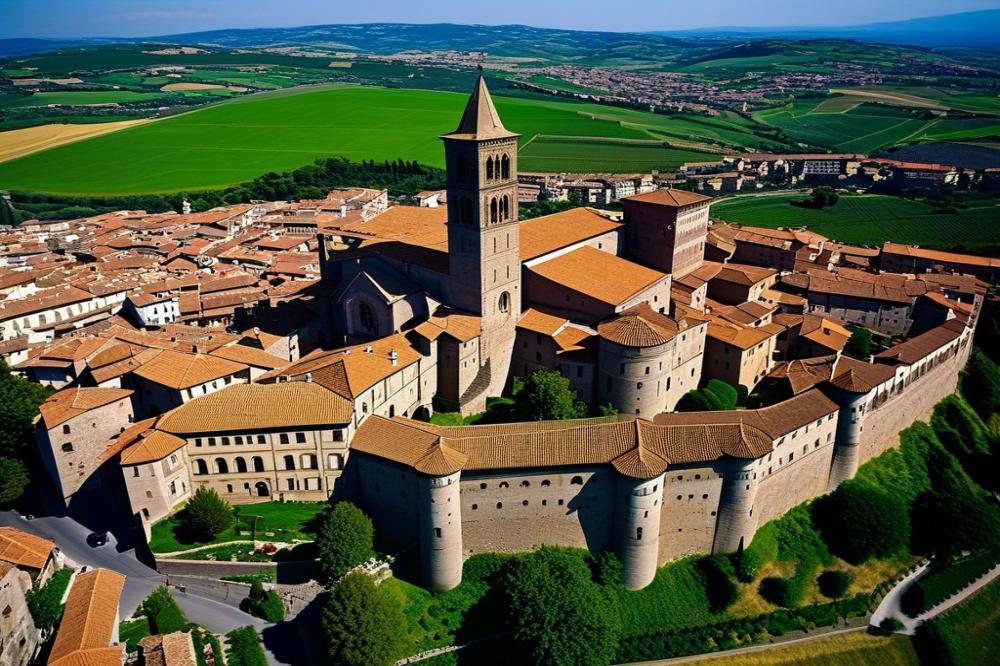
Italy is known for its rich culinary traditions, and the Tuscia region is no exception. Traditional dishes here reflect the flavors of the land and its history. You will find wholesome ingredients like fresh vegetables, hearty grains, and flavorful meats. Local cuisine bursts with authenticity. Each bite tells a story of the area’s diverse influences.
Medieval history has left a significant mark on the food culture. The customs and practices of the past continue to shape what is enjoyed today. Many recipes have been passed down through generations. They often incorporate techniques and ingredients that date back centuries. Staples like homemade pasta and rustic bread can be traced to ancient times. The influence of Etruscan heritage can also be tasted in local dishes.
Dining in the shadow of medieval architecture adds to the experience. The stunning backdrop of the Viterbo Cathedral and the grand Palazzo dei Papi enhances every meal. Thermal baths nearby draw visitors, making food an essential part of the journey. Restaurants often use traditional cooking methods, connecting patrons to the past. Each dining establishment has its own character that reflects the community’s roots.
Food plays a vital role in cultural heritage and tourism. Travelers from all over come to explore flavors and dishes unique to the region. Festivals celebrating local cuisine bring the community together. Events often showcase cooking demonstrations and tastings. This creates a vibrant atmosphere where visitors can engage with the customs of the area. A meal is not just about eating; it’s about experiencing a part of the region’s soul.
Cultural Heritage and Modern Tourism
Preserving cultural heritage is crucial for any city with rich medieval history. In Viterbo, efforts focus on maintaining ancient structures like the Palazzo dei Papi and the stunning Viterbo Cathedral. Restoration projects frequently take place, ensuring these historical gems withstand the test of time. Educational programs engage locals and visitors alike, highlighting the region’s Etruscan heritage and its medieval architecture.
Tourism plays a significant role in the economy. Visitors flock to explore the winding streets, historic buildings, and vibrant atmosphere. Hotels, restaurants, and shops thrive thanks to the influx of travelers keen on experiencing local cuisine. Many come for the famed thermal baths, which have drawn people seeking relaxation and healing for centuries.
Notable Festivals and Events
Several festivals throughout the year attract large crowds. The Festa di Santa Rosa, for example, is a spectacular event showcasing a massive illuminated float paraded through the city. This celebration draws attention to Viterbo’s rich cultural tapestry. Another much-anticipated occasion is the Sagra della Tonna, where visitors enjoy traditional food and music, representing the local community’s spirit.
For those wanting to experience Italy travel in Viterbo, recommended activities include exploring the medieval streets lined with ancient buildings. A visit to the thermal baths offers relaxation amid beautiful settings. Food lovers should not miss trying local dishes, which often highlight fresh ingredients and traditional recipes. Each experience contributes to understanding the area’s deep roots and unique charm.
Final Thoughts
Viterbo holds a vital place in the historical and cultural landscape of Italy. It serves as a living museum, echoing tales from the Middle Ages. This enchanting city offers insights into the lifestyle of previous centuries. Visitors can easily see how it shaped medieval history. Each stone and square narrates a story of its own.
Many travelers often overlook its charm. Yet, the atmosphere here embodies the essence of medieval splendor. From the towering walls to ancient palaces, every corner invites exploration. The breathtaking architecture showcases the artistry and craftsmanship of a bygone era. A stroll through the city is like stepping back in time.
Thermal baths add another layer to the experience. They not only provide relaxation but also connect visitors to the region’s past. Soaking in these historic waters can feel like a rite of passage. It’s an opportunity to experience the city’s traditions up close.
Explore this remarkable destination to truly appreciate its treasures. For history enthusiasts and casual travelers alike, Viterbo is a gem waiting to be discovered. A journey through its streets is more than just sightseeing; it’s stepping into a significant chapter of Italy’s story.

