
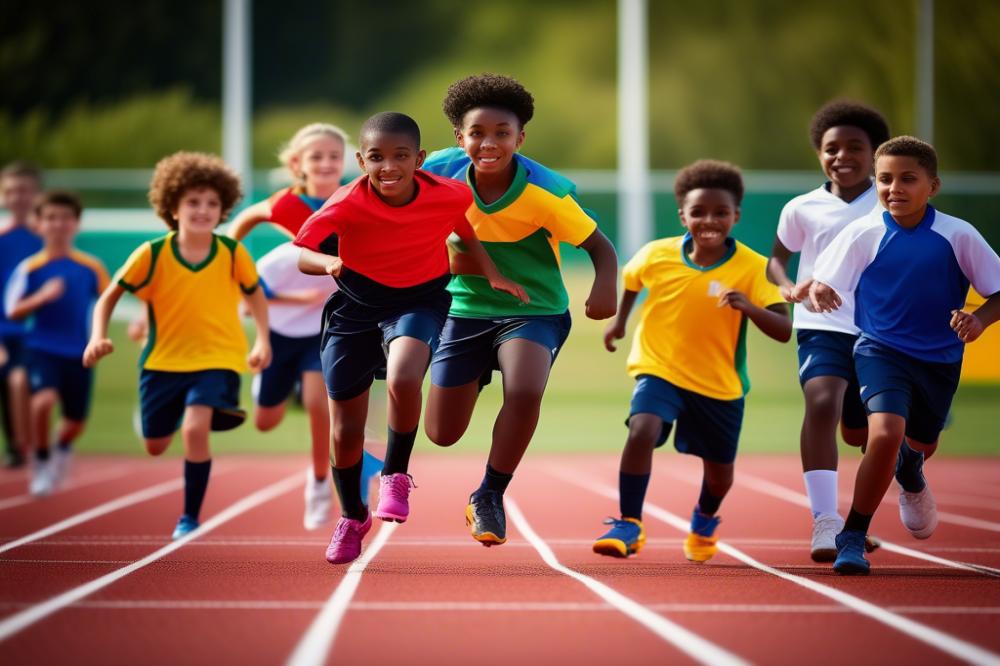
Overview of School Sports Programs in Italy
In Italy, sports education plays a vital role in shaping the lives of young people. It goes beyond simply winning or losing games; these programs are fundamental in promoting fitness and fostering a sports culture among youth. The significance of physical activity cannot be overstated. Engaging in sports offers student athletes numerous health benefits and vital social skills.
Many schools incorporate extracurricular activities that focus on teamwork and competition. This combination encourages students to interact with their peers in a constructive manner. Such interactions help build friendships and allow youth to learn the value of collaboration. Events and competitions organized through School Sports Programs often ignite a spirit of camaraderie and perseverance among participants.
Physical activity is not merely an option; it is essential for the well-being of students. Regular exercise improves their overall health and sharpens concentration in the classroom. Balancing academics and athletics teaches discipline, enhancing their time management skills. A commitment to maintaining Youth Fitness makes them more likely to stay active as adults.
Ultimately, the significance of sports education extends beyond the playing field. It instills a sense of accomplishment and self-worth in student athletes. With a growing emphasis on fitness and wellbeing, Italy is serving as a model for promoting active lifestyles. As engagement in sports continues to rise, it raises awareness of the importance of fostering an inclusive environment where all youth can thrive.
The Structure of School Sports Programs in Italy
School sports programs in Italy are an integral part of the educational system. These initiatives promote fitness, teamwork, and competition among students of various ages. Each school typically has a framework for physical education that includes regular classes and opportunities for extracurricular activities. Programs are designed to encourage participation and foster a love for sports.
Various types of sports are offered across the country. Traditional choices such as soccer, basketball, and volleyball are popular, but there is also a focus on athletics, swimming, and martial arts. Students have the chance to explore different physical activities, enabling them to find what they enjoy the most. This diversity encourages youth engagement and cultivates a vibrant sports culture.
Local clubs play a vital role in these programs. Many schools partner with nearby sports organizations to provide training and additional resources. These collaborations draw in skilled coaches and offer student athletes access to facilities that may not be available on campus. Such partnerships enrich the educational experience and enhance the quality of sports education.
Physical education teachers and coaches are crucial in implementing these initiatives. They are responsible for developing curricula that align with national educational standards. Their goal is to teach the importance of health benefits and active living while instilling discipline and teamwork. Coaches support students in their athletic pursuits, helping them to set and achieve personal goals.
In addition to physical training, these educators foster a sense of community. By encouraging friendly competition, they teach valuable life lessons about resilience and sportsmanship. Through organized events and matches, students learn to celebrate victories and process losses, building character along the way.
The importance of these programs cannot be overstated. Students benefit not only from improved physical fitness but also from social connections formed through shared experiences. Engaging in sports helps develop a sense of belonging and encourages a lifestyle centered around physical activity.
Health Benefits of Participation in Sports
Participating in school sports offers a wide range of health advantages for students in Italy. Physical fitness is one of the most obvious benefits. Regular workouts make student athletes stronger and more agile. This physical activity not only improves endurance but also enhances overall body coordination. Engaging in these programs helps young people develop healthy habits that can last a lifetime.
Mental well-being is equally important. Many studies show that exercise can boost mood and reduce feelings of anxiety. Teamwork plays a crucial role; working together toward a common goal fosters a sense of belonging. Students involved in sports often report higher self-esteem and confidence, which are vital during their formative years. Such engagement promotes resilience and coping skills, making life’s challenges easier to navigate.
Moreover, involvement in sports helps create a positive sports culture within schools. Competition teaches valuable lessons about winning and losing gracefully. The experience of playing in a team builds friendships that can last well beyond their school years. Extracurricular activities focused on athletics provide a structured environment where students can thrive both physically and socially.
It’s essential to understand the role of regular exercise in youth development. Research clearly indicates that active children typically perform better academically. They can focus more effectively and often exhibit improved memory skills. Schools in Italy are recognizing this link between sports and academic success, leading to greater support for athletic programs.
The countless health benefits tied to sports education go hand-in-hand with the cultivation of discipline and time management. Student athletes learn to juggle their commitments to training, schoolwork, and recreation. This balancing act has a lasting impact on their ability to prioritize tasks later in life. Involvement in sports introduces students to a lifestyle that values physical well-being, enhancing their quality of life.
Fostering Teamwork and Social Skills
In Italy, sports education goes beyond just physical activity. It provides a rich environment for fostering teamwork and collaboration among students. Through rigorous training sessions and competitive matches, young athletes learn how to work together toward a common goal. This shared experience is crucial in developing strong bonds that extend beyond the playing field.
Communication skills are vital in any sport. Players must convey strategies quickly and effectively. Coaches often emphasize the importance of clear dialogue. As students learn to express their thoughts and listen to feedback, they enhance their ability to collaborate. Choosing the right words and being attentive helps in building trust among team members.
Leadership also finds a place in these environments. Student athletes often take on roles that require them to guide others. They motivate teammates, manage conflicts, and inspire a positive attitude. Such experiences can shape future leaders who are well-equipped to handle challenges in various aspects of life.
On the field, conflict can arise. Learning to resolve disagreements in a healthy manner is an essential skill. Athletes face pressure during games, yet how they handle it can define their character. Strategies to cope with stress and differences create resilience. These lessons are important for youth engagement and personal growth.
Sports culture in Italy fosters lifelong friendships. Many friendships start on the athletic field. Students bond through shared victories and losses. Celebrating achievements together deepens connections. The memories made during competitions often last a lifetime, creating networks that extend after school.
Participating in extracurricular activities also aids in building community ties. When students engage in sports outside regular school hours, they become part of something bigger. Their shared experiences lead to lasting relationships with peers, coaches, and even parents. These connections turn into a support system that helps encourage healthy lifestyles.
Numerous benefits exist beyond just physical fitness. Participating in team sports promotes a sense of belonging. Youth discover their strengths and learn from each other. They grow as individuals while contributing to their teams, ultimately preparing them for future social interactions and challenges.
Encouraging Youth Engagement and Competition
In Italy, sports education plays an essential role in shaping the lives of young people. Programs designed to engage youth foster a sense of healthy competition. Participation in these activities promotes not only physical activity but also valuable life skills.
Teamwork and cooperation are paramount in any sport. Students learn to work with others towards a common goal. This experience teaches them how to communicate effectively and resolve conflicts peacefully. Friendships often blossom through these shared experiences, creating a supportive community among student athletes.
Moreover, sports serve as a platform to build character. The values of sportsmanship and discipline are reinforced each time students face a challenge. Learning how to win graciously or accept defeat with dignity shapes their character significantly. Resilience becomes a key trait as they navigate the ups and downs of competition.
Many schools in Italy also participate in regional events. Competitions between institutions ignite a spirit of rivalry and motivate athletes to push their limits. Such events provide essential exposure and the chance for youth to showcase their hard work. Additionally, these competitions highlight the importance of training and commitment.
Beyond the physical benefits, there are immense health advantages tied to these extracurricular activities. Engaging in sports helps combat sedentary lifestyles, which are increasingly common among young people. Regular physical activity not only enhances fitness but also contributes to mental well-being.
The sports culture in Italy is vibrant, reflecting the country’s passion for athletics. Youth engagement in sports instills respect for others, determination, and perseverance. These attributes extend beyond the playing field, preparing students for real-life challenges they will encounter in the future.
Extracurricular Activities and Their Role in School Sports
Extracurricular activities play a vital role in enhancing school sports programs in Italy. Schools offer various options for students to be involved in sports outside of regular physical education classes. Activities such as soccer, basketball, and swimming clubs encourage participation and provide opportunities for competition. These programs foster teamwork and camaraderie among student athletes.
Physical activity through extracurricular involvement goes beyond just fitness. It helps to instill discipline and resilience in young individuals. Engaging in sports teaches important values, such as leadership and how to handle both victory and defeat. Participation in these activities often leads to improved social skills, building friendships that last a lifetime.
Health benefits also arise from staying active through these programs. Regular participation in sports reduces the risk of obesity and improves overall fitness levels. Students who engage in structured activities tend to have better concentration and energy levels in the classroom. Academic performance can see positive effects when physical activity is part of a well-rounded school experience.
Youth engagement in sports creates a vibrant sports culture within schools. Clubs and teams allow students to express themselves and discover their passions. Creating an environment that prioritizes active living can motivate others to join in as well. Not only does this promote fitness, but it encourages students to embrace a healthy lifestyle as they transition into adulthood.
In Italy, a strong emphasis is placed on balancing academics and sports education. Schools that support a mix of traditional education and extracurricular offerings help to cultivate well-rounded individuals. Students learn the importance of commitment and often take pride in celebrating their teams’ accomplishments. This balance is particularly beneficial, as it nurtures a holistic approach to personal development.
The Role of Sports Culture in Italy
Sports culture in Italy is vibrant and deeply rooted. People from various regions share a strong passion for traditional sports. This enthusiasm has a significant impact on sports education in schools. Activities like soccer, basketball, and volleyball take center stage. Each sport showcases teamwork and ignites healthy competition among students. Such passion for sports inspires student athletes to give their best, both on the field and in their studies.
Regional pride plays an important role in shaping participation. Each area has its own favorite sports that reflect local traditions. Take soccer, for instance. It unites cities during the Serie A season, and schools often mimic that excitement. Students might wear their local team’s colors, fostering a sense of belonging. This connection encourages youth engagement, making them feel part of something larger.
In addition, physical activity is encouraged through various extracurricular activities. Many schools promote after-school programs to get kids moving. Offering diverse options helps cater to different interests. Some students might prefer individual sports like athletics. Others may thrive in team sports where cooperation is key. This variety allows for different ways to enjoy fitness and competition.
Health benefits of engaging in sports are well-known. Regular physical activity helps maintain a balanced lifestyle. It also assists in developing discipline and perseverance. Such lessons extend beyond the field, impacting students’ academic lives. This realization contributes to the increasing value placed on school sports programs across the country.
Finally, the link between national identity and sports cannot be overlooked. Italy’s success in international competitions fosters pride in young athletes. National events often become shared experiences that bond communities. For many, representing the country is a dream. This aspiration can motivate students to participate actively in sports. Ultimately, the rich sports culture stands as a powerful influence in shaping young lives.
Final Thoughts
School sports programs play a vital role in shaping the well-being of young individuals in Italy. They not only promote fitness but also foster a spirit of competition that encourages discipline and teamwork. When students take part in various athletic activities, they learn valuable life skills that often extend beyond the classroom.
Health benefits associated with regular physical activity cannot be overstated. Engaging in these programs helps combat issues like obesity and sedentary lifestyles, which are increasingly prevalent among youth. Moreover, the camaraderie formed on the field contributes to building friendships that last a lifetime.
Supporting such initiatives should be a priority for educators and policymakers alike. Investing resources into sports education ensures that students have access to safe and structured environments where they can thrive. Additionally, expanding these programs can introduce more children to the joys of athletics, allowing them to discover their talents.
Long-lasting impacts emerge from participation in sports. Student athletes often exhibit improved academic performance, enhanced social skills, and healthier lifestyles. The experiences gained through competition and teamwork prepare them for challenges they will face as adults.
Moving forward, it is essential to prioritize and enhance school sports opportunities. With unwavering support, future generations in Italy can continue to benefit from the strength and resilience that sports instill. Ultimately, nurturing the physical and emotional growth of young people through athletic engagement will benefit society as a whole.

