
Introduction
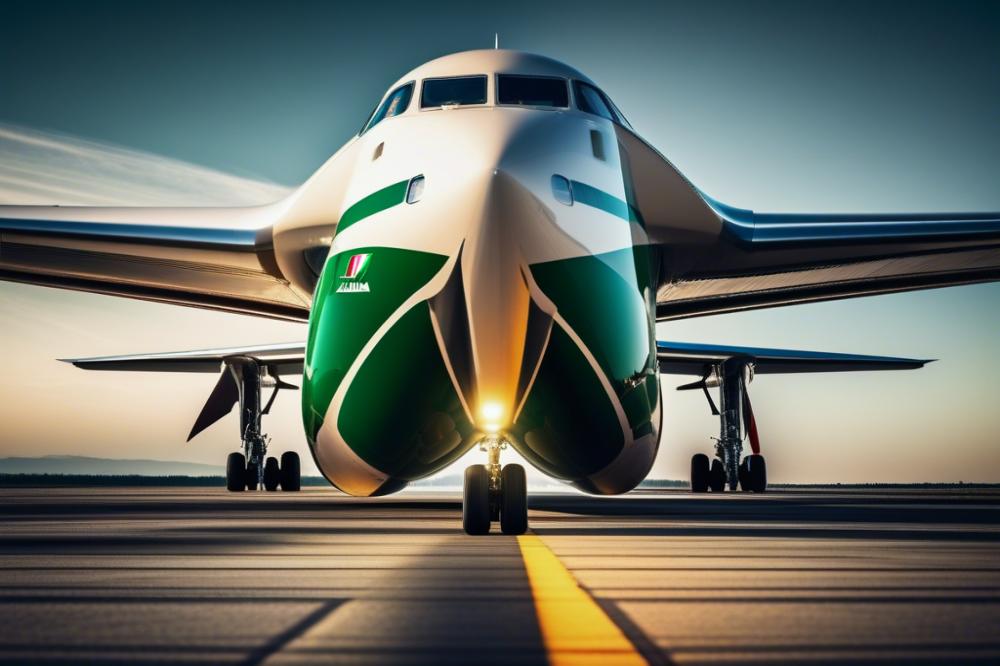
Alitalia holds a special place in the hearts of many Italians. This airline has become synonymous with the country’s rich travel history. Alongside the renowned railways and cruise ships, Alitalia has played a crucial part in shaping Italy’s transportation landscape. The elegance of air travel reflects a broader cultural identity, one that emphasizes sophistication and a commitment to quality.
Connecting cities across Italy and beyond, the airline has contributed to the country’s image as a center of fashion and style. Passengers often experience a sense of pride when flying Alitalia, as it encapsulates the essence of Italian grace and sophistication. Throughout its existence, Alitalia has worked tirelessly to develop a luxurious atmosphere in the sky, setting a standard that resonates with the theme of elegance in air travel.
As travelers step aboard, they immerse themselves in an ambiance that feels distinctly Italian. From the moments of check-in to the in-flight dining experience, every detail reflects a dedication to excellence. Alitalia has continually sought to enhance the overall journey, striving to provide both comfort and class. This commitment not only reinforces its legacy but also highlights the airline’s role in making air travel a refined experience.
Air travel has its challenges, yet Alitalia has navigated them with a certain finesse. The airline, like the famous Italian rail system—known for its punctuality and comfort—aims to connect people and places seamlessly. By focusing on customer satisfaction, Alitalia cultivates a sense of loyalty and admiration from its passengers. It’s this legacy of elegance that continues to elevate the brand in an ever-evolving aviation landscape.
For those who cherish travel, Alitalia represents more than just a mode of transport; it symbolizes a journey filled with hope and dreams. In an age where air travel might feel impersonal, the company strives to champion the art of flying with a personal touch. Looking back at its storied history reveals a fascinating narrative of resilience and ambition, demonstrating how aviation can embody the cultural heart of a nation.
These sentiments echo the significance of Italian craftsmanship and artistry. As you delve into the era of Alitalia’s grandeur, it becomes clear how this airline has woven itself into the fabric of Italian life. Flying with Alitalia not only serves a purpose. It enhances the experience of travel and showcases a cultural legacy that remains timeless. For more about this remarkable journey, visit #anchor_text_1# or explore #anchor_text_2# for further insights.
The Birth of Alitalia

Alitalia was born in the aftermath of World War II, in 1946. The war had devastated many countries, including Italy. As the nation began to rebuild, a vision emerged for a national airline. Government officials recognized the need to connect Italy to the world. They wanted to promote tourism and commerce. A national airline would play a vital role in this recovery.
Competition among European countries heightened the urgency. Many nations had already established their own airlines. Italy could not afford to fall behind. The Italian government acted quickly, looking towards the future. They aimed to create a carrier that reflected Italian culture and sophistication.
Early operations started small. Alitalia’s first flights were modest, operating primarily within Europe. The airline initially used a fleet of aircraft acquired from various sources. Among these were some older models, but they were sufficient for short routes. The primary goal was to gain experience and build credibility.
As the airline expanded, so did its ambitions. New destinations were added, and the fleet grew with more modern planes. Alitalia aimed to embody national pride. This airline was not just about travel; it represented a resurgence. With each flight, it connected Italians with their heritage and the larger world.
Throughout this period, they focused on developing a reliable service. Customers valued punctuality and comfort, and Alitalia aimed to deliver both. Staff were trained to provide exceptional service, ensuring a welcoming atmosphere. This dedication to quality soon became synonymous with the airline.
In summary, the inception of Alitalia in 1946 marked a significant moment in Italian history. It was a step towards reestablishing Italy’s presence in global aviation. The commitment to connecting people and places laid the foundation for what would become an iconic national carrier.
Growth and Modernization
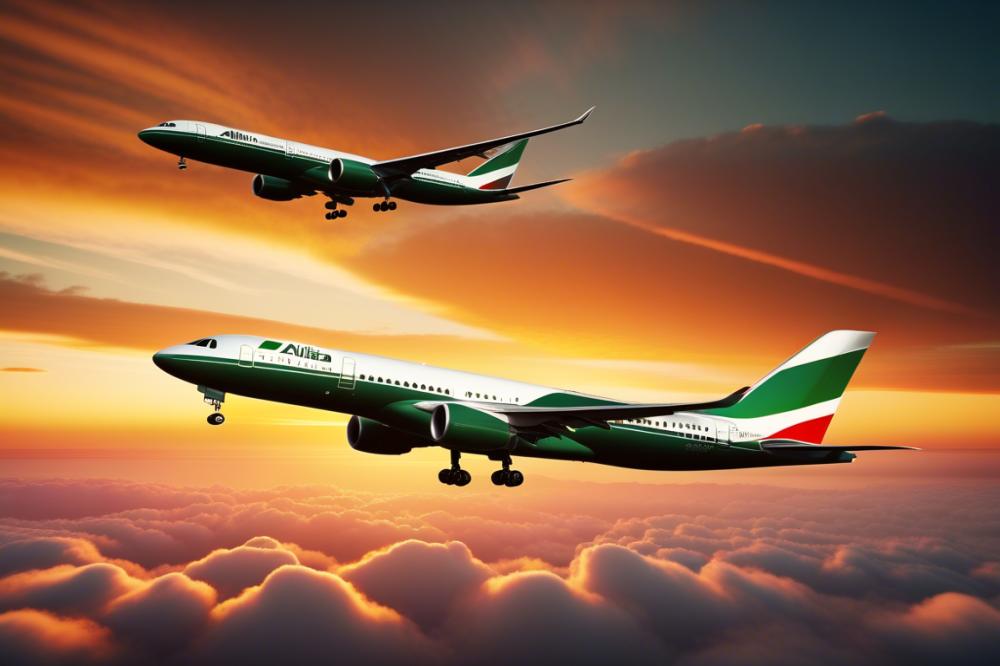
Alitalia has gone through significant transformations since its inception in 1946. The airline’s early years were marked by a focus on expanding domestic routes. As the years progressed, they introduced international flights. Notable milestones include the launch of long-haul services to North America in the 1960s. Such expansion paved the way for broader global reach.
Fleet upgrades played a crucial role in its development. New aircraft technology emerged during the 1980s, which allowed for more efficient travel. Incorporating models like the McDonnell Douglas MD-80 and later the Airbus A320 added to their capabilities. These enhancements not only improved speed and comfort but also reduced operational costs.
Tourism significantly impacted Alitalia’s growth strategies. As Italy became a prime destination for travelers, the airline adapted to meet rising demands. This shift in focus led to innovative marketing campaigns aimed at attracting holidaymakers. By enhancing customer service and expanding flight options, they catered to an enthusiastic audience eager to explore Italy’s beauty.
The 2000s presented both challenges and opportunities. Increased competition from low-cost carriers prompted a reevaluation of their services. In response, Alitalia sought partnerships with other airlines, which expanded its network. The alliance with the SkyTeam global airline group offered passengers enhanced benefits and increased connectivity.
Throughout its history, Alitalia embraced change and innovation. Key technological advancements included online booking systems and upgraded in-flight entertainment. These services contributed to a more enjoyable travel experience.
As Alitalia evolved, it became synonymous with Italian culture, representing the country’s rich heritage. This connection not only influenced brand loyalty but also reinforced its presence in the global aviation market. Each phase of growth shaped the legacy that Alitalia holds today.
Alitalia’s Legacy of Elegance and Service
Throughout its history, Alitalia has represented more than just an airline. This carrier has been a symbol of style and quality in air travel. Passengers often found themselves captivated by the seamless blend of comfort and class.
High-quality service is at the core of what Alitalia stands for. The airline aimed to create an experience that is both memorable and enjoyable for every traveler. From fresh food options to genuinely friendly staff, the commitment to passenger satisfaction was unmistakable. This level of service not only impacted air travel in Italy but also resonated on a global scale.
Branding strategies played a pivotal role in shaping Alitalia’s identity. The sleek design and elegant color scheme of its aircraft made a statement. On the inside, the emphasis on luxurious cabin interiors elevated comfort during flights. Premium seating options drew in customers seeking a more lavish experience.
Passengers on Alitalia flights frequently praised the overall atmosphere aboard. Attention to detail was evident in every interaction. Whether it was a smile from the flight crew or the choice of quality in-flight entertainment, every element contributed to a uniquely Italian sense of hospitality.
Another aspect of the in-flight experience was the cuisine. Alitalia has taken pride in serving dishes that reflect Italy’s rich culinary heritage. Travelers enjoyed meals prepared with local ingredients, showcasing the best of Italian dining. Such care in menu selection added a personal touch to each flight.
Furthermore, Alitalia’s legacy extended beyond just luxury. The airline has been a key player in connecting Italy to the world, making travel accessible and appealing. Key partnerships with other international carriers broadened its reach. These collaborations helped strengthen Alitalia’s position as a premier choice for air travel.
Years of dedication resulted in a loyal customer base. Many frequent flyers appreciated the consistency in service quality. The benefits of regular flights included not only comfort but advantages like reward programs, enhancing the overall experience.
Every flight offered a glimpse into the pride the airline took in its operations. The combination of elegance, service, and attention to detail set Alitalia apart from many competitors. This approach made it more than just a mode of transport; it became an experience to cherish.
Challenges and Transformations
Alitalia has faced significant financial difficulties throughout its existence. Numerous factors contributed to its struggles. High operating costs have often weighed down the airline. Additionally, competition from budget carriers made it hard to maintain profitability.
Government interventions became a common theme in its history. Various Italian governments attempted to stabilize the airline with bailouts. These efforts provided temporary relief but often did not lead to long-term solutions. Restructuring plans were frequently announced, yet many failed to achieve the desired outcomes. Changes in management and strategy were sometimes met with skepticism.
Global events profoundly impacted Alitalia’s operations. Economic downturns reduced travel demand, affecting ticket sales. The aftermath of the September 11 attacks in 2001 shook the airline industry. Alitalia was not exempt from these troubles. Similarly, crises like the COVID-19 pandemic deeply disrupted air travel. Restrictions on movement forced the airline to ground many of its flights.
Passengers’ shifting preferences affected Alitalia as well. A greater emphasis on low-cost travel left traditional airlines struggling. While the airline tried to adapt, it often found itself lagging behind. Changes in consumer behavior meant fewer loyal customers willing to pay for premium services.
In trying to overcome multiple hurdles, Alitalia often found itself in a cycle of crisis. As debts climbed, concerns grew about its future. Despite the challenges, the airline has maintained a dedicated workforce. Employees have shown resilience, supporting Alitalia through even the toughest times. Yet, the pursuit of modernization remained elusive. Each transformation seemed to present new trials instead of solutions.
In conclusion, the intersection of financial struggles and global events has marked Alitalia’s journey. Awareness of this complex situation helps highlight its legacy and the ongoing challenges that shaped its path.
The Future of Air Travel in Italy
The current status of Alitalia presents a complex picture. Once a national symbol, the airline struggled with financial challenges for years. In 2021, it officially ceased operations. Many wondered if this was the end of an era for air travel in Italy. However, a new airline, ITA Airways, emerged from Alitalia’s ashes, aiming to carry on some of its legacy. This transition marks both a fresh start and a challenge to maintain trusted services.
The aviation industry continues to evolve constantly. ITA Airways has positioned itself to capture market share and revitalize air travel. With new routes and modern aircraft, the airline hopes to attract travelers looking for reliable options. Competition remains fierce with low-cost carriers and other European airlines. Travelers seek affordable fares, which pressures traditional airlines to innovate.
Looking at the future of Italian air travel, several prospects arise. Growth in tourism post-pandemic offers a glimpse of potential recovery. Major cities like Rome, Milan, and Venice have seen a surge in visitors. These cities also serve as critical hubs for international flights. Enhancing connectivity is vital for Italian businesses and tourism alike.
Air travel is not the only option for getting around Italy. When comparing Alitalia’s services to railways and ships, clear differences emerge. The extensive Italian railway network provides fast connections between cities. Trains offer a unique experience; travelers can enjoy scenic views of the countryside. Many people find trains more convenient for short to medium distances.
On the other hand, ferries and cruise lines connect various islands and coastal cities. Travelers can experience Italy’s beautiful coastlines while enjoying leisurely journeys. This mode of transport appeals especially to those who wish to explore beyond the mainland. When considering time, cost, and comfort, each option has its advantages and disadvantages.
According to transportation trends, the future of air travel in Italy hinges on adaptability. Airlines must respond to changing preferences, balancing efficiency and comfort. Collaborations with other transport modes could offer seamless travel experiences for passengers. If well-executed, Italy may emerge as a leader in integrated transportation.
Ultimately, the aviation sector’s role will remain crucial. Regulations and environmental considerations are shaping the industry’s future. Airlines and other transport providers must work together to navigate these challenges. As consumers evaluate travel options, companies need to present compelling reasons to choose air travel, especially amidst rising competition.
Final Reflections on Alitalia’s Legacy
Alitalia’s journey captures the essence of Italian transportation and its evolving identity. From its inception, the airline symbolized national pride and sophistication. Passengers fondly remember the elegance associated with its flights, a hallmark of its service. In this way, Alitalia played an essential role in defining how the world perceived Italy.
Throughout its years of operation, the airline not only transported people but also stories and dreams. It bridged distances, connecting cities and cultures across borders. For many, flying with Alitalia was more than just a trip; it was an experience imbued with the warmth of Italian hospitality. Each flight came with a touch of class, resulting in loyal customers and cherished memories.
Reflecting on its impact, one cannot overlook Alitalia’s contribution to the Italian aviation landscape. Numerous other airlines have since emerged, but none have quite matched its distinct charm. As the country embarks on a new chapter in aviation, the spirit of Alitalia lingers. The elegance it brought to air travel remains a significant part of Italy’s history.
Looking forward, the future of aviation in Italy holds promise. New airlines are rising, ready to fill the void left behind. Innovations in travel and technology may redefine the flying experience. However, the legacy of Alitalia will always serve as a reminder of where the journey began. The skies above Italy will continue to buzz with the spirit of adventure, as the nation evolves and embraces new possibilities.
In sum, Alitalia’s story is a beautiful tapestry woven into the fabric of Italy’s identity. As we move ahead, it is essential to remember the airline’s contributions. Its journey may have concluded, but its impact will echo through time, inspiring future generations of air travelers. The heart of Italian aviation continues to beat strongly, ready for new horizons. Indeed, the journey is far from over, as the nation strives to create a new #anchor_text_3# that honors its heritage while venturing into the future. Italy’s aviation landscape will inevitably flourish, guided by the lessons learned from Alitalia’s existence and the elegance it embodied.

