
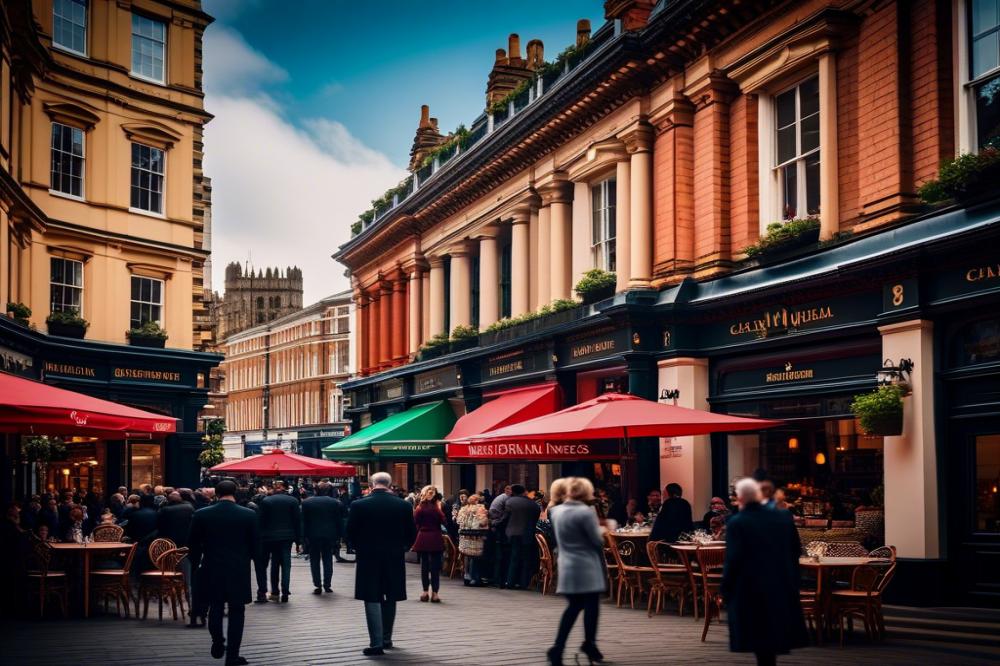
Italians in the United Kingdom: The Post-War Journey
The Italian diaspora has a rich and compelling history. Over the decades, many Italians have made the United Kingdom their home. This migration, especially after the Second World War, has played a vital role in shaping British society. The community reflects a tapestry of cultures, traditions, and contributions that add depth to the UK experience.
The significance of Italians in the UK goes beyond statistics. Their impact can be seen in various cultural aspects, from food to fashion. Pizzerias and gelaterias have found a special place in the hearts of many Britons. Additionally, their influence extends into the economy, where numerous Italian-owned businesses thrive. These establishments not only provide jobs but also enrich local communities with their unique flavors and traditions.
The structure of this article will guide readers through the journey of Italians in the UK. It will explore critical moments in their migration story, examine how they’ve built vibrant communities, and look ahead at the future of these communities. In doing so, we aim to highlight the resilience and adaptability of Italians in their new homeland.
As we delve deeper, it will become clear that the Italian presence in the UK is far from just a footnote in history. Instead, it stands as a testament to the enduring spirit of a community that continues to thrive and contribute. This will be an exploration of not only their past but also their ongoing role in shaping the future of Great Britain’s diverse society.
Stay tuned for more on this fascinating topic and how #anchor_text_1# connects to the broader narrative of migration. It is essential to recognize that these experiences reflect broader themes within society, particularly as we discuss #anchor_text_2# and the evolving identity of multicultural Britain.
Historical Background
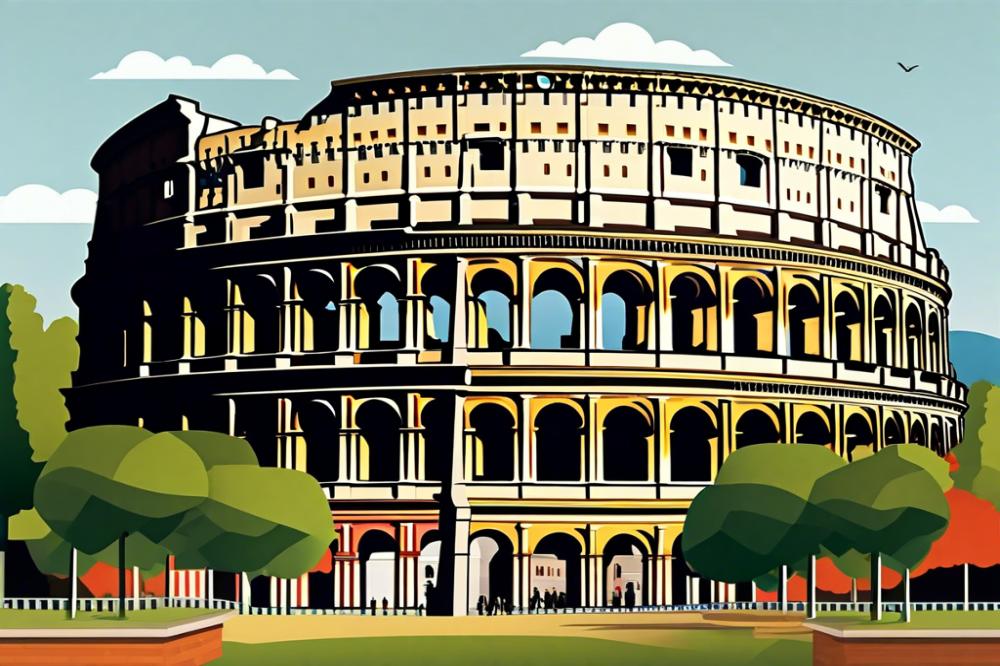
Early Italian migration to the UK: 19th and early 20th centuries
Italian migration to the United Kingdom began in the 19th century. Many Italians sought better opportunities. They settled mostly in cities like London and Manchester. These migrants often worked in industries such as construction. Others opened small businesses, like cafes and ice cream shops. The presence of these early migrants laid the groundwork for future communities.
The impact of World War II on migration patterns
During World War II, migration patterns shifted dramatically. Many Italians living in the UK faced hostility. Their national identity led to internment and discrimination. This tension affected future generations. However, some Italians remained resilient. They built strong networks to support one another during these challenging times.
Post-war immigration: push and pull factors
After the war, Italy was in ruins. Economic hardships plagued the country. This situation prompted a wave of Italian migration. Many were drawn to the UK by job opportunities. Britain experienced growth, and workers were needed. Italians filled this gap, working in various sectors. Their contributions were vital to the post-war economy.
Key events and policies influencing Italian migration
Several significant events and policies shaped Italian migration. The 1948 Immigration Act was one such event. It eased restrictions, allowing more Italians to enter. Additionally, cultural exchanges and family reunifications played important roles. The later 1960s saw more Italian students come to study. Ties between Italy and the UK strengthened over the years. Through these events, a diverse Italian community established roots in Britain.
Community Formation
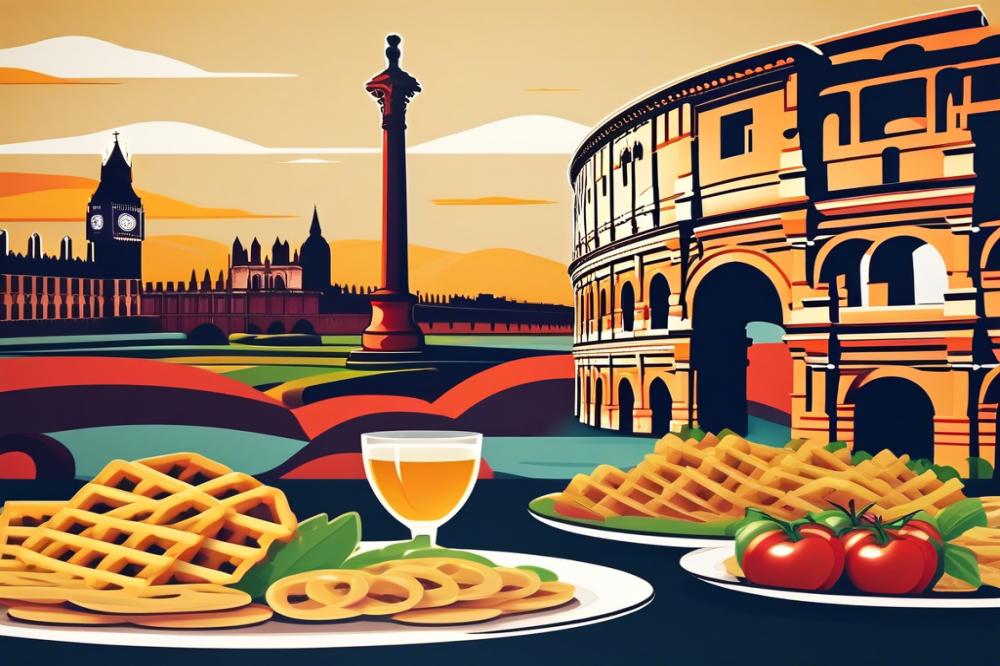
Establishment of Italian Communities in Major UK Cities
Italian communities began to take root in various cities across the United Kingdom after World War II. Cities like London, Manchester, and Birmingham saw a significant influx of immigrants. These newcomers brought their traditions and ways of life. Over time, neighborhoods transformed as Italian families settled in. Markets sprang up, featuring familiar products from their homeland. This establishment was not just about living in a new place; it was about creating a sense of belonging.
Cultural Institutions and Organizations: Clubs, Churches, and Social Networks
Cultural institutions played a vital role in the lives of Italians. Clubs and societies emerged, serving as hubs for social interaction. Many families sought connection through local churches, which became community anchors. These places offered support and a chance to celebrate shared heritage. Gardening clubs, cooking groups, and sports teams created all-encompassing networks. People came together, sharing joy, laughter, and camaraderie.
Role of Family Networks in Community Cohesion
Family ties served as an essential thread in weaving the community fabric. Close-knit relationships helped newcomers adjust to their new environment. Support was available in the form of advice, childcare, and job opportunities. Celebrations often revolved around family gatherings, drawing in friends and neighbors. These networks encouraged cultural traditions to thrive, as each generation learned from the previous one.
Culinary Contributions and Italian Cuisine’s Influence
The influence of Italian cuisine has been profound in the UK. Dishes like pasta, pizza, and gelato became household favorites. Restaurants opened, showcasing regional specialties that delighted diners. Many British people began to appreciate not just the food, but the stories behind these meals. Local markets now offer ingredients essential for authentic Italian cooking. Every meal shared becomes a bridge connecting cultures.
Challenges and Adaptations
Italian immigrants faced numerous challenges when arriving in the United Kingdom after World War II. Language barriers often made it hard for newcomers to find jobs or make social connections. Many struggled to understand English, and this created feelings of isolation. There was also a general unfamiliarity with British customs and practices. These factors added significant stress to daily life.
Over the decades, the perceptions surrounding Italians began to shift. Initially, many viewed immigrants with suspicion. Stereotypes painted them as untrustworthy or only good for manual labor. However, as communities settled, attitudes gradually changed. Italians contributed to the local economy and culture. Through food, art, and social gatherings, they began to reshape how they were viewed.
Economic decline often hit immigrant communities the hardest. During recessions, Italians were particularly vulnerable to job loss. Industries like construction and hospitality, where many found work, suffered the most. Such hardships led to feelings of uncertainty within these communities. Friends and families often had to support one another during these tough times.
Despite these difficulties, Italian communities demonstrated remarkable resilience. They created cultural groups that preserved their heritage. Festivals celebrating Italian traditions became prevalent. Restaurants serving authentic Italian cuisine thrived, drawing in both locals and tourists. Maintaining their cultural identity was of utmost importance. These efforts not only kept traditions alive but also encouraged pride within the community.
Adaptation has been key in the journey of Italians in the UK. While facing challenges, they have managed to create a space in their new home that reflects their roots. By blending Italian customs with British daily life, they show how diversity enriches society. Through both struggles and triumphs, the Italian community continues to evolve and flourish in the UK.
Contemporary Italian Communities
Current statistics reveal that Italians represent one of the larger immigrant groups in the United Kingdom today. Estimates suggest around 300,000 Italians live across the country. This vibrant demographic contributes significantly to the cultural mosaic of British society.
Profiles of Modern Italian Communities
London boasts a robust Italian community, particularly in areas like Soho and Clerkenwell. Numerous Italian restaurants and shops highlight the cultural presence in this major city. Manchester also has a thriving Italian population, with family-run establishments serving traditional foods. In Birmingham, communities come together for festivals and cultural events that celebrate their heritage. Each city showcases its unique blend of Italian traditions, creating a rich experience for residents and visitors alike.
The Role of Technology
Technology plays a crucial role in today’s community building. Social media platforms allow Italians in the UK to connect with one another, share events, and promote local businesses. These tools also help them stay engaged with their homeland. Online groups provide a space for discussions about culture, cuisine, and family. This virtual connectivity strengthens relationships and fosters a sense of belonging.
Contributions to British Society
Italians have made significant influences in various sectors. In the arts, artists and performers enrich the cultural landscape. Their work can be seen in galleries, theatres, and musical venues. Many Italian chefs have transformed the food scene, introducing traditional dishes to wider audiences. In business, entrepreneurs contribute to the economy through innovative startups and established enterprises. Academia also benefits from the expertise of Italian scholars, who contribute to research and teaching. Each contributions creates a deeper understanding of Italian culture and fosters appreciation within British society.
Final Thoughts
Recap of the Evolution of the Italian Community in the UK
The Italian community in the United Kingdom has experienced significant changes over the decades. Initially, post-war immigration saw many Italians coming to the UK for opportunities in various sectors, especially in catering and construction. They settled mostly in urban areas, contributing to the growing multicultural tapestry of British society. As generations passed, the Italian community evolved. Children of early immigrants pursued education and further integrated into the mainstream, leading to a new era of assimilation while still honoring their heritage. Today, vibrant neighborhoods and businesses remind us of this rich history.
Reflection on the Ongoing Impact of Italians on British Culture and Society
Italian influence can be seen everywhere in British culture. Food is a prominent example, with Italian restaurants and cafes now staples across the UK. Pizza and pasta are beloved by many, reflecting a culinary shift that has embraced these Italian offerings. Beyond cuisine, contributions in the arts, fashion, and design continue to resonate. Events like Italian festivals celebrate this legacy and foster a sense of community, drawing people together. Over time, the presence of Italians in the UK has enriched social dynamics and nurtured cross-cultural relationships.
Future Prospects for Italian Diasporas in the UK
Looking ahead, the future for Italian diasporas in the UK appears promising. The younger generation shows enthusiasm for blending modern living with traditional values. As globalization progresses, this will likely lead to a deeper exchange of cultural experiences. However, challenges such as economic uncertainty and immigration policies may affect this growth. Engagement in local communities is vital to overcoming hurdles. Maintaining strong ties with their homeland will also play a role in shaping their identity. Ultimately, Italians in the UK will continue to thrive, infused with a spirit of resilience and adaptability that has always defined them. The #anchor_text_4# serves as a reminder of their enduring presence. Meanwhile, the story of Italians in the UK unfolds further, consistently contributing to the rich mosaic of British society. The #anchor_text_3# remains a testament to their journey and ongoing impact.

