
Introduction
Italian immigration to Spain dates back centuries. Waves of Italians have settled across the country, bringing their culture and traditions. Understanding this migration helps us appreciate the intertwined histories of these two nations.
The examination of historical ties reveals much about the connections between Italy and Spain. settlement patterns across various regions highlight how Italians adapted to their new homes. They established vibrant communities, contributing to the social fabric of Spain.
Cultural influence is significant. Italian cuisine, art, and social customs have blended with Spanish traditions. The architectural legacy left by Italian migrants can be seen in several cities, showcasing their skills and tastes. Beyond aesthetics, language has also been enriched by these interactions.
Spain-Italy relations have evolved through various historical events, forming a complex narrative. Economic connections between the two countries spurred trade and investment, further enhancing their bonds. Moreover, the growth of Italian communities in Spain fostered social integration and mutual understanding.
This article aims to explore these themes in depth. We will look at the migration history of Italians to Spain and analyze how their presence has shaped the nation. By doing this, we hope to shed light on the lasting impact of their contributions.
Historical Context of Italian immigration
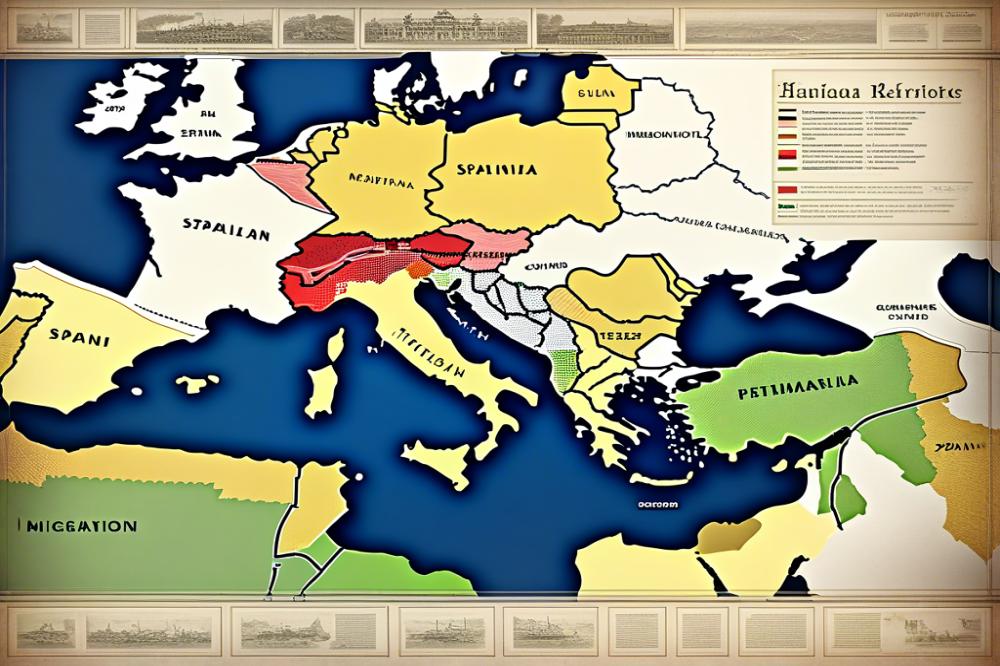
Migrations from Italy to Spain date back several centuries. The flow began during the Middle Ages, propelled by trade routes across the Mediterranean. Additionally, wars and conflicts also played a role in movement. Sea routes facilitated connections between these two cultures, leading to a gradual blending.
Key periods of migration occurred during the late 19th and early 20th centuries. Economic conditions in Italy pushed many to seek better opportunities abroad. Spain, a neighboring country, attracted many migrants looking for jobs and stability. The promise of a better life resonated strongly with those facing hardship.
Notable historical events influenced settlement patterns significantly. The Spanish Civil War (1936-1939) marked a significant moment. Many Italians fled to escape the unrest in their own country. Various Italian communities began to form, particularly in urban centers like Barcelona and Madrid. They established businesses and integrated into local societies, showcasing their resilience.
Italian cultural influence is evident throughout Spain. Architecture reflects this synergy; many buildings carry designs reminiscent of Italy. Further, the presence of Italy can also be seen in language, with borrowed terms enhancing Spanish vocabulary. Music and cuisine have likewise benefited from this rich exchange.
Italian figures have emerged prominently in Spanish history. Artists, politicians, and scientists contributed to the nation’s development. Their efforts often brought innovative ideas that shaped Spain’s landscape. These individuals forged connections that fostered understanding between cultures.
The relationship between Italy and Spain continues to evolve. Social integration remains a key focus for descendants of early migrants. They strive to maintain their heritage while embracing their Spanish identity. This intricate dance creates a vibrant tapestry of shared experiences and histories.
Settlement Patterns of Italian Communities in Spain
Geographic Distribution of Italian Communities
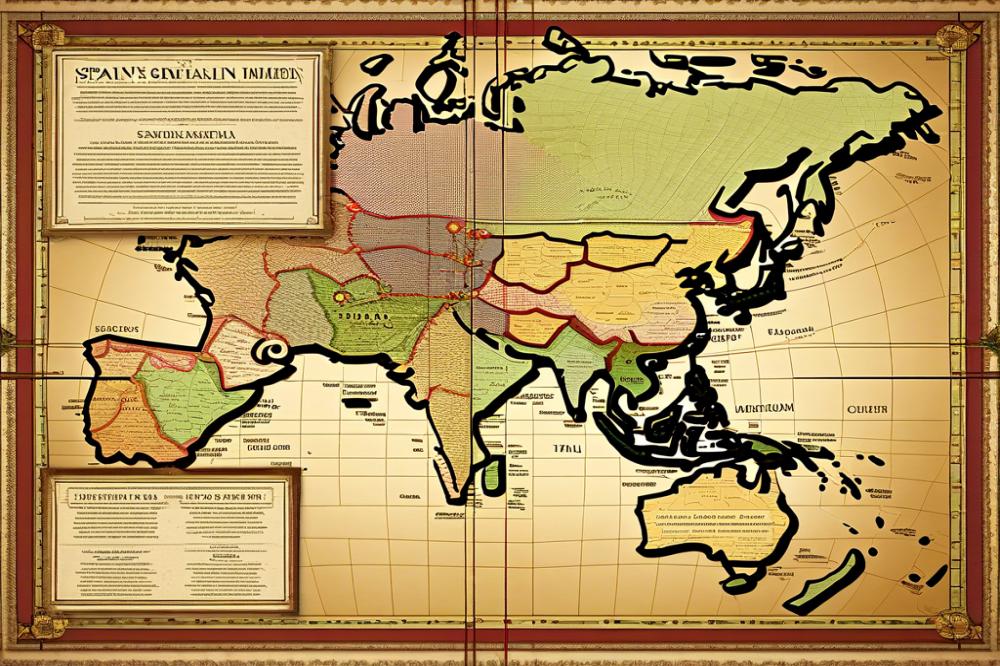
In Spain, Italian communities are found primarily in urban areas. Major cities, including Madrid, Barcelona, and Valencia, boast significant populations of Italians. Their presence is often linked to historical ties between the two countries. Near the Mediterranean, coastal regions also host many Italian expatriates, attracted by the climate and lifestyle. Each city presents a different flavor of Italian culture, merging it with local customs.
Major Cities with Significant Italian Populations
Madrid ranks as one of the most notable hubs for Italians. Many Italians have settled in neighborhoods like Malasaña and Chamberí. Cultural influence is evident, with Italian restaurants and cafes appearing throughout the city. Barcelona, with its vibrant streets, has attracted a sizable Italian community as well. In particular, areas such as Gràcia and Eixample are rich in Italian heritage. Valencia also exhibits a growing number of Italians, especially as economic connections between local industries and Italian businesses strengthen.
Factors Influencing Settlement Patterns
Several factors play a role in where Italians choose to live. Economic opportunities often dictate migration history. Many Italians have moved to Spain seeking better job prospects or to start businesses. Language barriers are less problematic in cities with diverse populations. Cultural attractions and social integration opportunities are also appealing to newcomers. Major historical events, such as the EU’s formation, have facilitated easier migration.
Evolution of Communities Over Time
Over the years, the make-up of Italian communities has changed. Initially, the arrival of Italians was driven by the search for work. As time passed, these communities flourished, creating networks and friendships. Local Italian societies and cultural events have emerged, promoting traditional practices. With each generation, younger Italians tend to blend their heritage with Spanish culture. The architectural influence of Italians can be seen in some areas, showing their lasting impact. Understanding these settlement patterns reveals much about the ongoing relationship between Italy and Spain.
Cultural Influence of Italians in Spain
Contributions to Spanish Language and Dialects
Interactions between Italians and Spaniards have led to notable changes in language. Many Italian words found their way into everyday Spanish. These influences primarily emerged from trade and migration. In some regions, local dialects showcase this blend. For instance, areas with significant Italian communities often have phrases unique to their interactions. This merging reflects the deep historical ties between the two cultures.
Impact on Spanish Cuisine and Traditions
Italian immigration has notably enriched Spanish cuisine. Classic dishes like pizza and pasta have been localized into forms beloved by Spaniards. In fact, regional variations have created a delightful fusion of flavors. Celebrations like La Feria often incorporate Italian delicacies, highlighting mutual culinary appreciation. Social integration of these cooking styles illustrates how culture evolves. Events around food have strengthened community bonds, creating a lively atmosphere across cities.
Italian Architecture in Spain
Italy’s architectural influence is evident in numerous Spanish cities. Structures resembling Italian designs can be seen in urban landscapes. For example, many churches draw from styles popularized during the Renaissance. Spanish architects often collaborated with their Italian counterparts. This collaboration led to a blend of aesthetics that showcases both influences. Historical events further fueled architectural exchanges, leading to buildings that tell a rich story.
Role of Italian Artists and Intellectuals
Italian artists and intellectuals shaped Spain’s cultural landscape profoundly. Their arrival coincided with a period of significant artistic growth. Notable painters, sculptors, and writers contributed to Spain’s evolving identity. Many of these figures played a role in important cultural movements. Their works often mirror the themes shared between the two cultures. This connection fosters an appreciation for diversity within the arts.
Economic Connections Between Italy and Spain
Historical Trade Relationships
Trade between Italy and Spain dates back centuries. This connection has roots in the Mediterranean, where goods and ideas flowed freely. Throughout history, various historical events shaped economic ties. Early interactions included the exchange of textiles and wine, reflecting the agricultural strengths of both countries. Over time, this relationship expanded to include machinery and manufactured goods. The establishment of trade routes facilitated these exchanges. Each nation benefited from the other’s resources, fostering mutual economic growth.
Migration for Economic Opportunities
The search for better prospects has drawn Italians to Spain. Factors like economic hardship and political instability in Italy contributed to this migration history. Many sought work in agriculture, construction, and later, in the service sector. As communities formed, they brought with them their languages and traditions. These Italian communities enriched local cultures. Areas with significant Italian populations often experienced shifts in social integration. New residents opened businesses and contributed to local economies, enhancing cultural influence in those regions.
Current Economic Ties Between Italy and Spain
Today, Italy and Spain maintain robust economic connections. Trade statistics show a continuous growth in exchanges of goods and services. Key sectors include fashion, automotive, and technology. Italian companies operate successfully within Spain, employing thousands. Spanish businesses also thrive in Italy, creating a reciprocal relationship. Both nations are vital partners in the European Union, facilitating economic collaboration. These ties embody a shared commitment to mutual prosperity, benefiting citizens of both nations.
Influence on Local Economies in Italian Settlement Areas
In regions with significant Italian presence, local economies flourish. The impact of these settlements is noticeable in both urban and rural areas. Businesses run by Italians contribute to job creation and economic diversity. Restaurants, cafes, and shops offering Italian products are commonplace. Architecture reflects Italian styles, adding character to neighborhoods. Language and customs also show Italian influence, showcasing a blend of cultures. Italian communities often serve as cultural hubs, promoting festivals and traditions. This blend fosters a sense of identity and belonging, enriching Spanish society as a whole.
Social Integration and Community Dynamics
Challenges faced by Italian immigrants
The journey of Italian immigrants to Spain has not been without hurdles. Many faced language barriers upon arrival. Understanding the Spanish language was crucial for daily life. Additionally, cultural differences often made it difficult to form connections. Some immigrants struggled to find jobs that matched their skills. The process of adapting to a new environment sometimes led to feelings of isolation. Historical events, like economic downturns, only increased these challenges. Immigrants frequently relied on their families for support during tough times.
Integration into Spanish society and culture
Integrating into Spanish society required patience and effort. Many Italians brought their traditions and food, sparking curiosity among locals. Festivals showcasing Italian culture became popular, fostering appreciation. Despite similarities in Mediterranean lifestyles, differences in customs sometimes caused misunderstandings. Learning the local customs proved essential for smoother interactions. Over time, attitudes began to shift, leading to warmer receptions. Young people often acted as cultural bridges between communities. Their bilingual skills opened doors to new friendships and relationships.
Role of Italian social organizations
Italian communities established social organizations that played key roles in their integration. Those groups provided networks for new arrivals. They offered help with job searches and language classes, easing the transition for immigrants. Events organized by these associations helped maintain Italian customs while promoting a shared identity. Through activities like cooking classes and cultural festivals, members strengthened their bonds. Participation in local events also allowed Italians to connect with Spaniards. These organizations functioned as safe havens during challenging times, encouraging resilience and support.
Impact of Italian diaspora on contemporary Spanish communities
The Italian diaspora has left a lasting mark on contemporary Spanish communities. Prominent in urban areas, they have enriched local cultures. Elements of Italian architecture can be seen in many Spanish cities. Such influences enhance the aesthetic appeal of these places. The blending of cultures is visible in restaurants, shops, and neighborhood events that celebrate both heritages. Additionally, Italians have contributed significantly to the economy through entrepreneurial ventures. Their ongoing presence highlights enduring cultural influence and fosters stronger ties between Spain and Italy. Migration history continues to shape the dynamic landscape of modern Spain.
Final Thoughts
The exploration of Italy’s historical ties with Spain reveals a rich tapestry woven from centuries of migration, cultural exchange, and shared experiences. Both nations have enjoyed a complex relationship that gained momentum during the Renaissance and flourished in the 19th and 20th centuries. Significant waves of Italian immigrants arrived in Spain, drawn by opportunities and challenges alike. Moreover, they established vibrant communities that contributed to the cultural landscape.
Italian influence can still be felt across various aspects of Spanish life today. Cities like Barcelona and Madrid boast neighborhoods where Italian shops, restaurants, and cultural events thrive. The culinary contributions of Italian immigrants have enhanced the already diverse Spanish cuisine, creating delicious fusions that attract locals and tourists. Their presence has not only enriched traditions but also fostered social ties that persist into the present day.
Understanding these historical connections and settlement patterns is important when considering the broader context of the Italian diaspora. It reveals how migration shapes identities and communities over time. Recognizing the past can help forge stronger connections today. These ties can facilitate mutual appreciation between Spaniards and Italians, fostering a sense of belonging and shared heritage.
As we look to the future, the ongoing Italian presence in Spain promises to continue evolving. Dialogues about identity and culture will serve as important platforms for both nations. Embracing this shared history can not only promote tolerance but also celebrate the beauty of diversity. Spain and Italy, intertwined through history, will likely keep shaping each other’s narratives for generations to come.

