
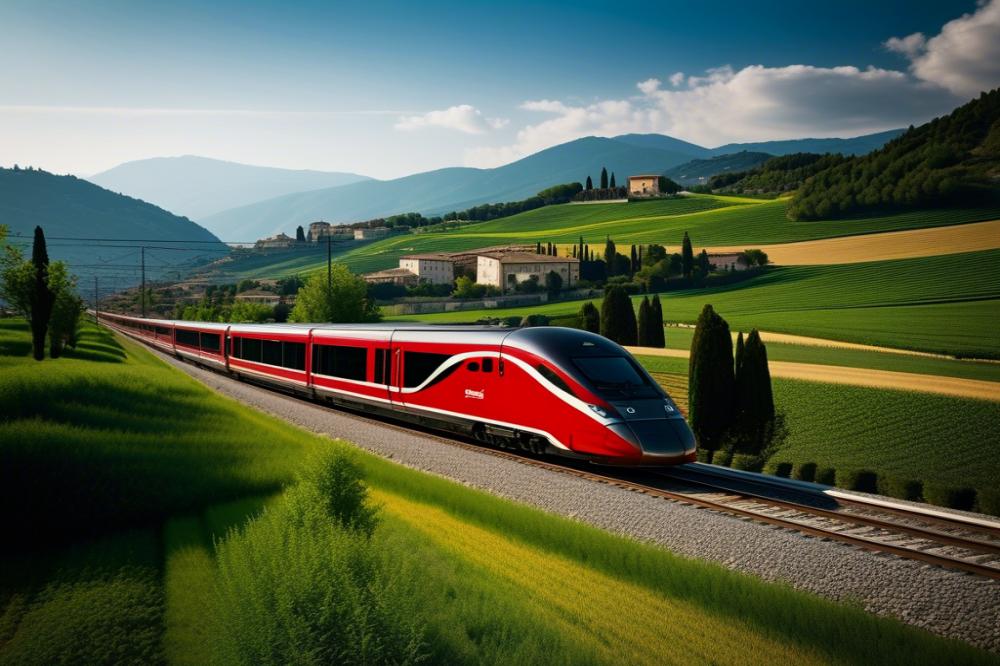
Timeless Journeys: The History of Italy’s Legendary Train Services
Italy possesses a rich transportation legacy that tells the story of its vibrant culture and historical significance. Among various forms of travel, train services play a central role. With stunning landscapes and ancient cities connected by a web of railways, trains have become synonymous with the Italian experience. Travelers often find themselves immersed in the beauty of the countryside while visiting iconic sites, all thanks to the country’s extensive railway network.
This network serves more than just functionality; it symbolizes the romance of travel in Italy. For locals and tourists alike, the train journey becomes part of the adventure. Whether weaving through the rolling hills of Tuscany or skimming the picturesque coastline of Cinque Terre, these rides offer a unique perspective on the country’s breathtaking scenery. The train is not merely a means of transport; it serves as a vessel of stories, heritage, and connections.
Italy’s rich history is intertwined with its railways. Each line constructed speaks to innovation and progress, paving the way for seamless travel experience. In the broader context of travel within the nation, these services reflect the changing times while keeping the essence of Italian culture alive. Over the decades, they have evolved, adapting to modern needs while still retaining that vintage charm. Visitors frequently rely on these services to navigate regions, ensuring they do not miss out on Italy’s timeless wonders.
As we explore this fascinating journey through the history of Italian train services, it is crucial to understand the broader significance of #anchor_text_1#. From prestigious express trains to historic steam engines, each has its own tale, enriching the traveler’s experience. The relevance of train travel, as experienced by millions, finds itself deeply rooted in Italy’s identity. The stories, landscapes, and memories linked to these journeys form an integral part of what makes Italy a destination like no other. In essence, the allure of rail travel invites exploration and adventure, embodying the spirit of the Italian way of life.
As we delve deeper into this topic, the importance of rail transport in shaping travel must be highlighted. Not merely a convenience, it serves as a bridge connecting people to places, cultures, and traditions. Consider how different the travel experience would be without these lines crisscrossing the beautiful Italian landscape. The charm of #anchor_text_2# elevates the exploration of Italy to new heights, making its train services legendary.
The Evolution of Italian Railways
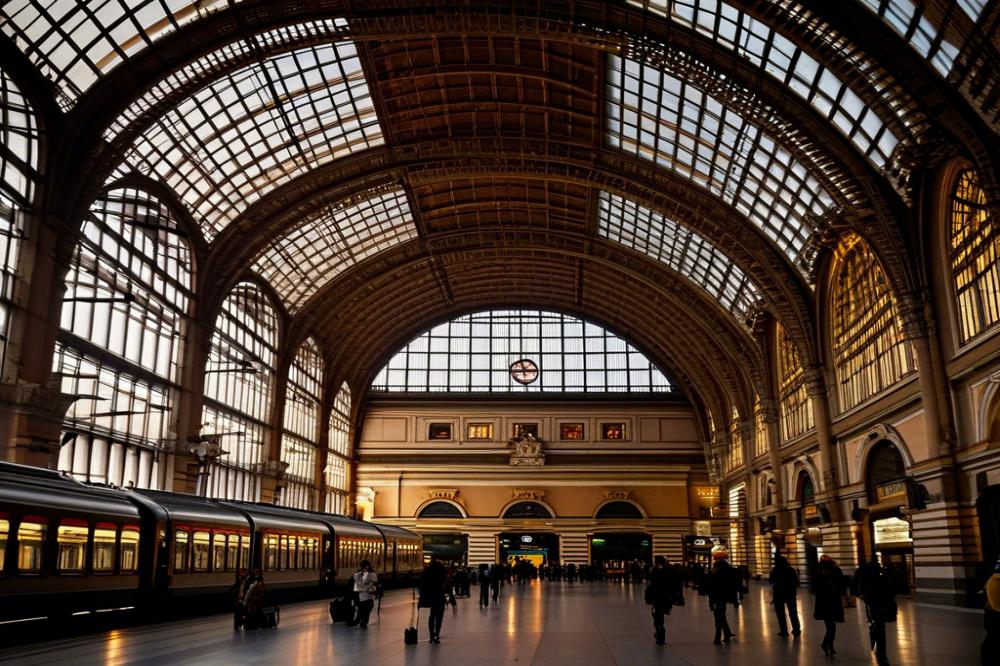
Italy’s railway history began in the early 19th century. The first line opened in 1839, connecting Naples and Portici. This marked the start of a remarkable transformation in travel across the nation. Initially, rail transport was a novelty, but it quickly became crucial for commerce and daily life.
The industrial revolution played a significant role in this growth. Cities expanded, and factories sprang up, demanding efficient transportation of goods and workers. Trains offered a faster alternative to horse-drawn carriages. This revolution changed how people traveled, making distant destinations accessible in ways they had never been before.
Several milestones stand out in the establishment of train services. The electric locomotive was introduced in the late 19th century, providing a cleaner and more reliable option. The first electric railway opened in 1900 in Italy, showcasing technological advancements. In the years that followed, the railway network expanded, connecting small towns to major cities.
Italy also witnessed the introduction of high-speed trains in the late 20th century. The inaugural high-speed service began in 1981, transforming intercity travel. These new trains slashed travel times and created a more efficient system. Train travel became a preferred choice for many, thanks to the comfort and speed they provided.
Innovations continued into the 21st century. Wireless technology and improved scheduling systems have enhanced the travel experience for passengers. These updates help travelers plan their journeys better, ensuring a smoother ride. Today, Italian trains are not just about reaching a destination; they symbolize convenience and modernity.
The rich history of Italian railways reflect broader societal changes. As the country modernized, so did its approach to travel. Train services evolved to meet the needs of a growing population and an expanding economy. This evolution showcases Italy’s ongoing journey through time, connecting people and places like never before.
Iconic Italian Trains and Their Routes
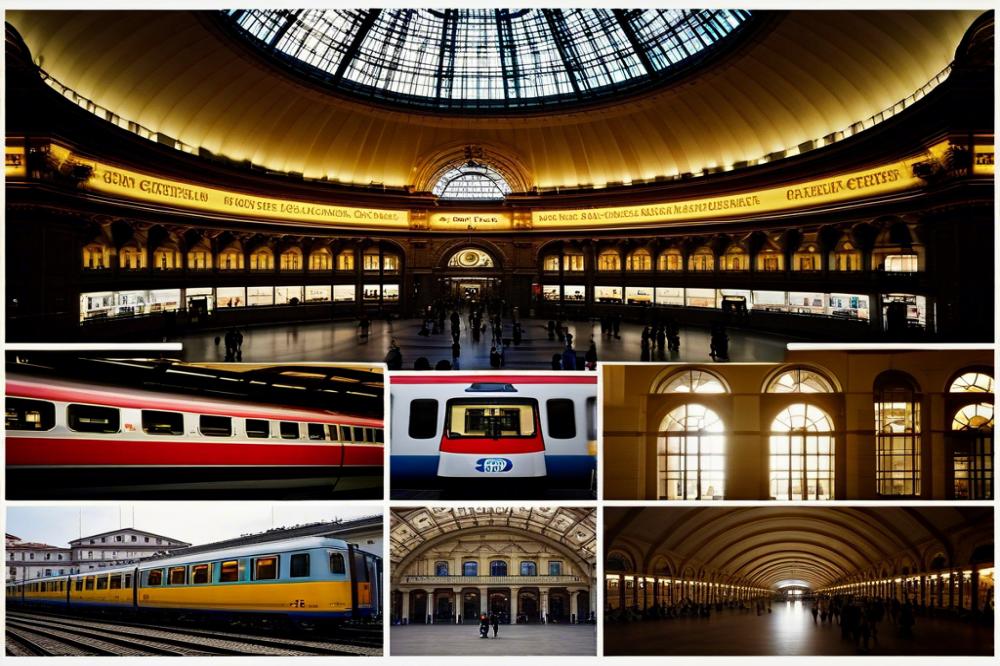
Italy’s railway system boasts several legendary services that connect major cities and picturesque landscapes. The Pendolino, known for its tilting technology, offers a fast and efficient journey between cities like Milan and Venice. Smooth rides and modern comfort attract both locals and tourists. Meanwhile, Eurostar Italia connects Rome with Florence and Milan, providing high-speed travel for those wanting to savor Italy’s art and history.
Frecciarossa, Italy’s flagship high-speed train, transforms travel between northern and southern regions. It efficiently bridges gaps from Milan to Naples, linking major hubs in just a few hours. Passengers enjoy luxurious amenities onboard, including Wi-Fi and fine dining options. This service is a marvel of modern engineering, yet it also highlights Italy’s dedication to quality travel experiences.
Notable Scenic Routes
Beyond speed, Italy features routes that showcase stunning landscapes. The Bernina Express is renowned for its breathtaking views, winding through the Alps. As travelers glide past glaciers and emerald lakes, it’s easy to appreciate nature’s splendor. This route connects St. Moritz in Switzerland with Tirano in Italy, offering a unique combination of cultures and sights.
Another scenic gem is the Cinque Terre line. This railway connects five colorful villages perched on cliffs along the coast. Each stop reveals picturesque scenery, with vibrant houses and an azure sea. Travelers can hop on and off at quaint stations to explore trails linking these historic towns.
Global Comparison
When compared to global train services, Italy’s legendary trains hold their own. The Shinkansen in Japan is another iconic high-speed service, known for punctuality and innovation. Like the Frecciarossa, it links major urban centers swiftly and comfortably. However, Italy’s scenic routes, such as the Bernina Express, emphasize beauty alongside speed, differing from Japan’s focus on efficiency.
European trains, such as France’s TGV, offer similar high-speed experiences while traversing stunning countryside. Yet, the cultural significance of Italy’s train journeys stands out. Each ride isn’t just about reaching a destination; it’s about embracing the journey through history, art, and breathtaking landscapes. This unique blend of culture and travel makes Italy’s railway system an iconic part of its heritage.
The Role of Trains in Italian Culture and Society
Trains hold a special place in Italian culture. They represent more than just a way to travel. For many, trains symbolize freedom and adventure. From the early days of railroads, they transformed how people connected across the country. Cities and regions grew closer together, allowing ideas and cultures to blend.
Traveling by train has shaped social interactions in Italy for generations. Friends and families often gather at stations, exchanging hugs and farewells. Long journeys create opportunities for strangers to meet and share stories. Passengers bond over the sights, sounds, and experiences that unfold during their travels. Such interactions contribute to the warmth and hospitality for which Italy is known.
Tourism has also been significantly influenced by train travel. Many visitors choose trains for their convenience and scenic views. Iconic routes like the ones through Tuscany or the Amalfi Coast offer breathtaking landscapes. Travelers often share tales of picturesque moments and chance encounters. These experiences become cherished memories that last a lifetime.
Historical events are intertwined with train journeys. For example, during the late 1800s, the railway network expanded rapidly. This made it easier for citizens to visit distant relatives or attend cultural events. Personal stories from the past provide a glimpse into the lives of those who traveled. From people escaping to find better opportunities to those returning home for important celebrations, each journey has its own significance.
Even today, trains continue to be a vital part of daily life. Commuters rely on them to reach jobs in bustling cities. Tourists explore famous landmarks with relative ease. The impact of rail travel is evident everywhere throughout Italy. Travelers are often eager to recount their journeys, sharing tales of unexpected friendships and delightful experiences. Such stories further enrich the narrative of Italy’s legendary train services.
Modern Innovations and Future of Italian Train Services
Advancements in technology have transformed the way trains operate in Italy. High-speed trains now zip across the countryside at remarkable speeds. Comfortable seating, onboard Wi-Fi, and modern amenities attract many travelers. New designs focus heavily on passenger experience. Light, spacious interiors have become standard, creating a relaxing environment.
Sustainability is becoming a priority in Italian train travel. Many trains now use eco-friendly systems. Energy-efficient engines reduce pollution and noise. Recycling programs help lessen waste on board. The aim is to make train travel more environmentally responsible. These efforts appeal to travelers who care about the planet.
Looking ahead, the future of Italy’s railway network appears promising. Plans are in place to expand connections with air and maritime transport. This would make travel smoother for those moving between different modes of transport. Enhanced services aim to connect cities and regions more efficiently. Innovations like smart ticketing systems will likely improve accessibility and convenience.
In short, the commitment to improving infrastructure shines through. It reflects a growing understanding of modern travel needs. The evolution of the railway system is critical for both locals and tourists. As these changes take shape, Italy’s legendary train services may continue to be a popular choice for many.
Final Thoughts
Italy’s legendary train services hold a significant place in the travel culture of the country. They connect cities famous for art, history, and cuisine. Riding these trains is more than just getting from point A to point B. It is an opportunity to experience the stunning landscapes that define Italy. Rolling hills, ancient ruins, and coastal vistas come alive outside the window. Travelers find themselves captivated by these sights, making each journey more than simply about arrival.
A deep-rooted passion exists between Italians and their railways. Trains symbolize not only transportation but also a way of life. Many people remember their first train ride with nostalgia. Families cherish weekend trips that evoke a sense of adventure and shared moments. This connection influences how many explore the beautiful regions of Italy, inspiring journeys that intertwine with the narrative of their lives.
Moreover, train travel fosters social interactions among passengers. Engaging in conversation with fellow travelers can lead to unexpected friendships or shared experiences. This aspect enriches the journey and adds depth to travel. As trains roll through the heart of Italy, they bring people closer together, strengthening bonds within communities. #anchor_text_3# resonates as newcomers mingle with locals, sharing stories and laughter.
While technology continues to shape the future of transportation, traditional services still draw attention. Many travelers seek the charm of vintage trains as they glide through picturesque landscapes. This longing highlights how railways resonate deeply within Italian culture. The ongoing love affair with trains emphasizes their importance in travel experiences.
In summary, Italy’s legendary train services are far more than a means of getting around. They embody a rich heritage that continues to influence how people travel today. Future generations will undoubtedly cherish these journeys, as they capture the essence of the Italian spirit. A memorable trip often begins and ends with a train journey, leaving an everlasting imprint on the hearts of those who travel. #anchor_text_4# encapsulates this timeless connection as it reflects the enduring legacy of Italy’s railways.

