
Connecting the Peninsula: A Historical Look at Italy’s Regional Train Networks
Italy boasts a transport system that reflects the country’s rich history and diverse landscapes. From the bustling streets of Rome to the picturesque canals of Venice, mobility is crucial to both daily life and tourism. Regional trains occupy a significant place in this framework, offering reliable connections that link cities and rural areas alike. As a result, they play an essential role in knitting together the fabric of the nation.
These trains provide a vital service for many Italians. Commuters use them for work, while tourists often rely on them to explore the stunning regions beyond major cities. This accessibility encourages travel and promotes economic growth across different areas of the country. By bridging distances, regional trains allow for cultural exchange and community development. The network helps sustain both urban and rural lifestyles, which is invaluable in maintaining Italy’s vibrancy.
Additionally, Italy’s transport options extend beyond trains. Iconic high-speed trains like the Frecciarossa or Italotreno offer luxurious travel from one major city to another. Airlines provide international links, facilitating travel to global destinations. The ferry services, especially in coastal regions, connect the many islands, enhancing both tourism and trade. Together, these means of transport create a comprehensive travel network.
As we delve into the historical significance of regional trains, keep in mind how they evolved to meet changing needs. Understanding this context can illuminate the role they play today. Whether discussing the inception of routes or the advancements in technology, it’s clear that the evolution is a story worth telling. The journey of these trains exemplifies how mobility can influence modern society. So, let’s explore the intriguing history behind #anchor_text_1# and how it has shaped Italian culture and connectivity.
Think about the impact the right transportation can have. The ability to easily travel across regions enriches experiences and transforms lives. Moreover, as we reflect on this topic, it is crucial to consider how much we value our travel options. Every train ride, flight, or boat trip contributes to the larger narrative of a nation deeply connected through its #anchor_text_2#. History and transport intertwine, and this connection deserves a closer look.
The Evolution of Italy’s Regional Train Networks
Rail transportation in Italy began in the 19th century. The first tracks were laid in the early 1800s. Connecting major cities became an essential goal. The initial line ran between Naples and Portici in 1839, marking a significant shift.
Through the latter part of the century, several milestones marked Italy’s train journey. The completion of the Florence–Rome route in 1866 was a notable achievement. It united two vibrant cities, fostering trade and tourism. The expansion continued with the advent of the Italian railway network in 1905. This structure facilitated access to remote areas, making travel easier for many citizens.
Local communities saw substantial changes with the growth of regional trains. Economies benefited from better connectivity. Villages and towns that once felt isolated now enjoyed easier access to larger markets. Farmers and merchants could easily transport goods, boosting local businesses. Jobs increased in various sectors, from hospitality to retail. These developments helped to shape a new sense of community identity.
Moreover, the importance of regional train services became apparent during the 20th century. As populations grew, urban-to-rural connections gained traction. Rail became a lifeline for many who needed reliable transport for jobs or education. Funding for infrastructure investments fostered a deeper relationship between regions. People embraced the chance to travel without the burdens of car ownership.
Italy’s #main_keyword# systems have shaped daily life in profound ways. Access to culture, education, and commerce expanded significantly. The legacy of these train networks still resonates today. Families cherish the ability to visit relatives in distant cities. Generations have created memories aboard these trains.
Key Features of Italian Regional Trains
Overview of the Types of Regional Trains
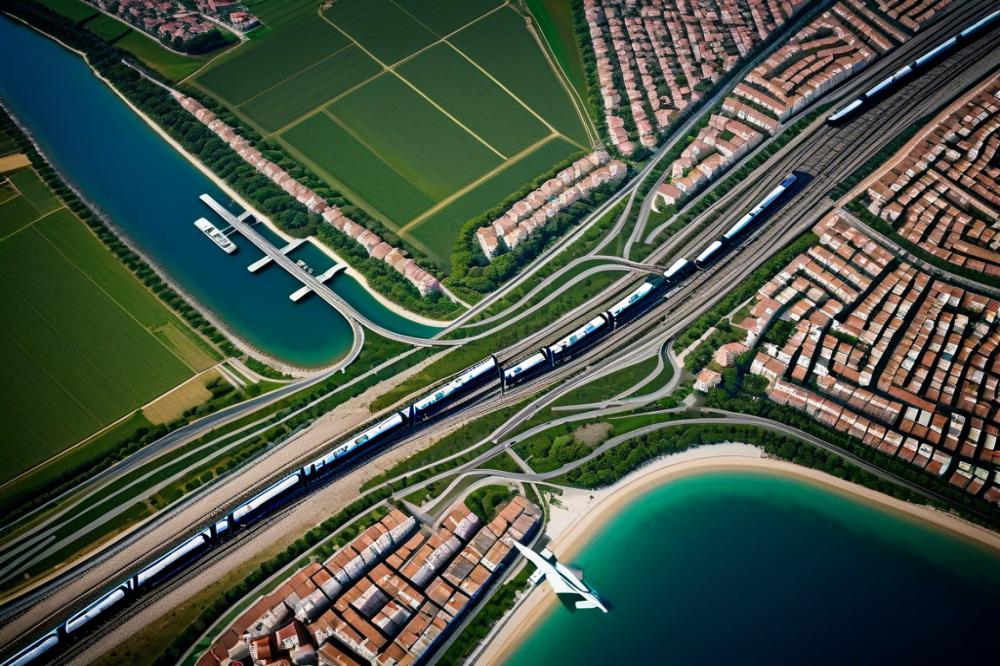
Italian regional trains come in various forms. Each type serves a specific purpose in connecting cities and towns across the peninsula. Some are designed for quick journeys, while others offer scenic routes. Different rail operators manage these services, offering both reliability and choices for travelers. Trains such as Regionale, RegioExpress, and Intercity are among the most common. Each train type varies in speed, frequency, and comfort, catering to a wide range of passengers.
Discussion on the Unique Design and Aesthetics of Italian Trains
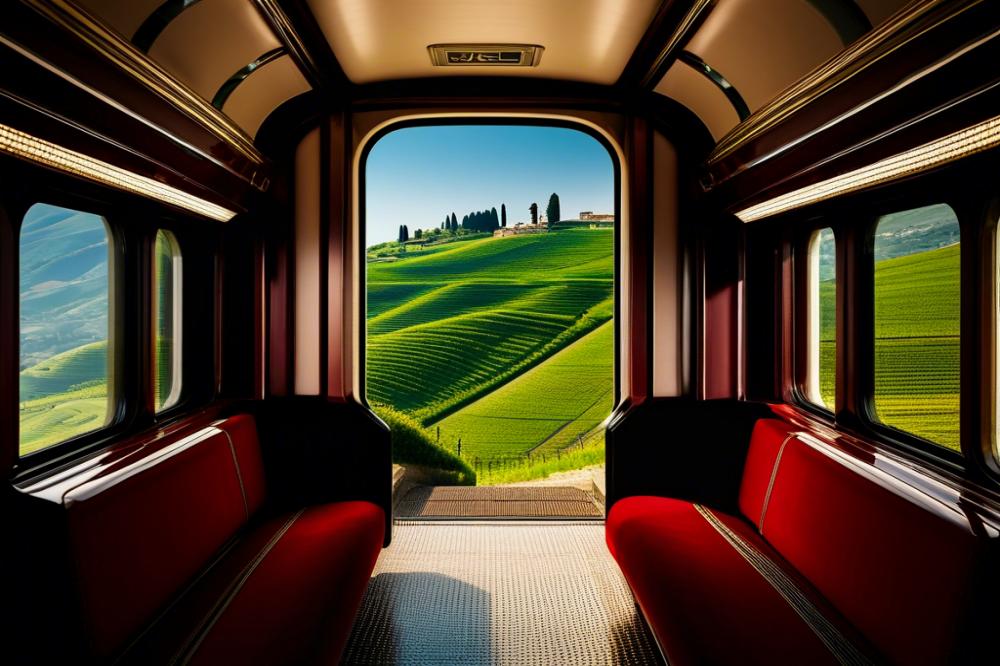
Design plays a crucial role in Italian trains. From sleek, modern exteriors to cozy interiors, aesthetics matter. Trains often feature spacious seating and large windows. Bright colors and creative designs can be found both inside and out. Italian craftsmanship shines through in details like artistic rail cars and comfortable seating. Stations also reflect regional pride, showcasing local culture and history. A ride on these trains offers more than just transport; it becomes an experience.
Role of Technology and Innovation in Enhancing Passenger Experience
Technology constantly evolves in Italian railways. Innovations improve safety and efficiency. Many trains now offer Wi-Fi services, allowing passengers to stay connected while traveling. Digital ticketing systems simplify the process of purchasing tickets. Real-time updates on train schedules provide information on delays and arrivals. Overall, advancements do not just enhance comfort, they also foster a sense of security for passengers. Many travelers appreciate the new features that make journeys more enjoyable.
Cultural and Social Impact of Regional Train Travel
Train Travel as a Means of Cultural Exchange
Traveling by train in Italy has always been much more than just a way to get from one place to another. It acts as a bridge, connecting diverse communities and traditions. As passengers embark on their journeys, they often find themselves immersed in the rich tapestry of Italian life. Sharing conversations with fellow travelers can lead to unexpected friendships. Food is also a big part of this experience. A family may enjoy local snacks from different regions, giving a taste of the local culture. Such interactions foster understanding and appreciation for Italy’s vibrant heritage.
The Role of Trains in Italian Literature and Cinema
Italian trains have long captured the imagination of writers and filmmakers. Novels often feature railway journeys as a backdrop for adventure and self-discovery. For instance, in many classic stories, characters undergo significant transformations while riding the rails. In cinema, iconic scenes unfold on moving trains. They often symbolize fleeting moments, connections, or even heartbreak. These artistic expressions reflect a deeper cultural significance. Through these mediums, the #main_keyword# represents not just transportation, but the heart of a nation’s spirit and its ever-evolving stories.
Personal Stories and Experiences of Travelers
Many people have cherished memories tied to their travels on Italy’s regional trains. A tourist might recall a time when they met a local artist who shared stories about their hometown. Another traveler may fondly remember getting lost and finding an unplanned adventure in a charming village. Each story is infused with personal details, showcasing individual journeys. It highlights how train travel fosters not only movement but also meaningful connections. They provide moments of joy, laughter, and sometimes even a bit of chaos. These experiences enrich the lives of travelers, making their trips unforgettable and deeply personal.
Challenges and Future Directions for Regional Networks
Many regional train services in Italy face significant challenges today. Aging infrastructure is a major issue. Tracks and stations often need repairs, leading to delays and cancellations. High-speed trains have overshadowed the local services. Consequently, many commuters find it difficult to rely on trains for their daily needs.
Moreover, there is competition from other modes of transport, including buses and cars. These alternatives can sometimes offer better schedules and lower costs. As a result, some regional networks have seen a decrease in passengers. Maintaining and attracting ridership is crucial for the future of these rail systems.
In response to these challenges, the government has launched several initiatives to boost regional networks. Significant investments in infrastructure are underway. Upgrades to tracks and improvements to stations are essential components of these plans. The goal is to modernize and make travel more attractive. Authorities aim to provide a more enjoyable experience for everyone.
Looking forward, the vision is to develop a sustainable and integrated transport system. This future involves not just rail, but also connections with buses and other public transport. Collaboration between various modes can create a seamless travel experience. By combining these efforts, the aim is to reduce the carbon footprint. Environmental responsibility is now at the forefront of transport planning.
With an emphasis on sustainability, new trains are also being considered. Electric and hybrid trains could play an important role. These innovations not only align with environmental goals but also improve efficiency. Investment in cleaner technology will serve travelers well in the years to come.
In summary, the successes and failures of Italy’s regional train services present both challenges and opportunities. While obstacles persist, the commitment to enhancing connectivity remains strong. Each initiative is a step toward a more reliable, modern, and cohesive public transport system. Progress is being made, and hope for the future is palpable.
Final Reflections on Italy’s Regional Train Networks
The historical significance of regional trains in Italy cannot be overstated. They have served as the backbone of transportation for many communities, linking remote towns to bustling cities and offering people the freedom to travel. These train networks have shaped social connections and fueled economic development for decades. By providing accessible travel options, they paved the way for greater regional integration.
Today, the importance of connecting Italy’s regions is more evident than ever. The need to balance urban and rural development remains critical in a country characterized by its diverse landscapes and cultures. Efficient train services continue to promote tourism, facilitate trade, and contribute to a cohesive Italian identity. Each journey taken on these trains is an opportunity to explore the rich tapestry of Italy’s heritage.
As we look towards the future, the landscape of transportation is undergoing change. There is a growing focus on sustainability and innovative technologies that aim to modernize train systems. Upgrading existing networks and investing in new infrastructure will be essential. Emphasis on environmentally-friendly solutions may reshape how people view travel across the peninsula. Italy has the potential to become a model for harmonizing tradition with modern needs in transportation.
As we connect the peninsula further, it is vital to remember the lessons of the past while embracing the possibilities of tomorrow. The challenges that lie ahead require a commitment to improving accessibility and efficiency. Only time will tell how these changes will impact the cultural and economic fabric of the nation. However, enhancing #anchor_text_3# is a step toward a better interconnected Italy. The spirit of travel and connection will undoubtedly thrive as long as there is investment in and dedication to these vital train networks.

