

Brazil’s Italian Heritage: The Legacy of Veneto and Emilia-Romagna Settlers
Italian immigration to Brazil has played a vital role in shaping the country’s diverse culture. In the late 19th and early 20th centuries, numerous Italians arrived, seeking better opportunities and a brighter future. This wave of newcomers primarily came from regions like Veneto and Emilia-Romagna. Their influence can still be seen today in Brazilian cuisine, festivities, and traditions.
The Veneto and Emilia-Romagna regions hold significant historical weight. Many settlers left their homes due to poverty and political unrest. They carried with them their language, customs, and skills, which intermingled with local cultures in Brazil. This blending created a rich tapestry of heritage unique to the country.
Italian contributions extend beyond food. Communities now reflect the values and traditions of their ancestors. Festivals celebrate Italian roots, showcasing music, dance, and art. Local artisanship also flourishes, with textiles and crafts reflecting this proud lineage. Brazil’s cultural landscape is vibrant, influenced heavily by its Italian roots.
As you explore Brazil’s traditions, you’ll find flavors reminiscent of the old world. Restaurants and home kitchens alike serve rich pastas, hearty polentas, and delectable desserts. Through cuisine, language, and festivals, the essence of Italian Heritage thrives. This depth of history provides a tangible connection to the past for many Brazilians today.
Historical Context

Timeline of Italian immigration to Brazil
The immigration wave began in the mid-19th century. During the 1860s, many Italians left their homeland. They came in search of better opportunities. Significant numbers arrived between 1880 and 1920. By the turn of the century, Brazil became a promising destination. This movement included people from regions like Veneto and Emilia-Romagna. They sought new lives in the southern part of Brazil, particularly in São Paulo and Rio Grande do Sul. Their presence greatly shaped local society.
Key reasons for migration from Italy
Economic hardship prompted many to leave Italy. The agrarian crisis made it difficult for families to survive. High unemployment and political unrest also drove people away. Italians often faced tough conditions. Seeking a brighter future, they packed their bags. Brazil offered land and jobs, appealing to those longing for change. Many were motivated by letters from relatives already settled there, sharing tales of prosperity. Hope guided their journey across the ocean.
Influence of economic and political factors
Economic factors played a crucial role in this migration. Brazil’s growing coffee industry created a demand for labor. Italians took up work in plantations, helping to boost the economy. Political instability in Italy made the option of leaving more attractive. New laws restricted land ownership in their homeland, pushing many to seek alternatives. As a result, they found themselves in bustling cities, where they could start anew. Language barriers sometimes created challenges. However, communities quickly formed, fostering a vibrant culture that blends both Italian and Brazilian traditions. Festivals celebrating their heritage emerged, strengthening their bonds through shared history. Artisanship flourished as well, with unique crafts enriching the local economy.
Cultural Contributions
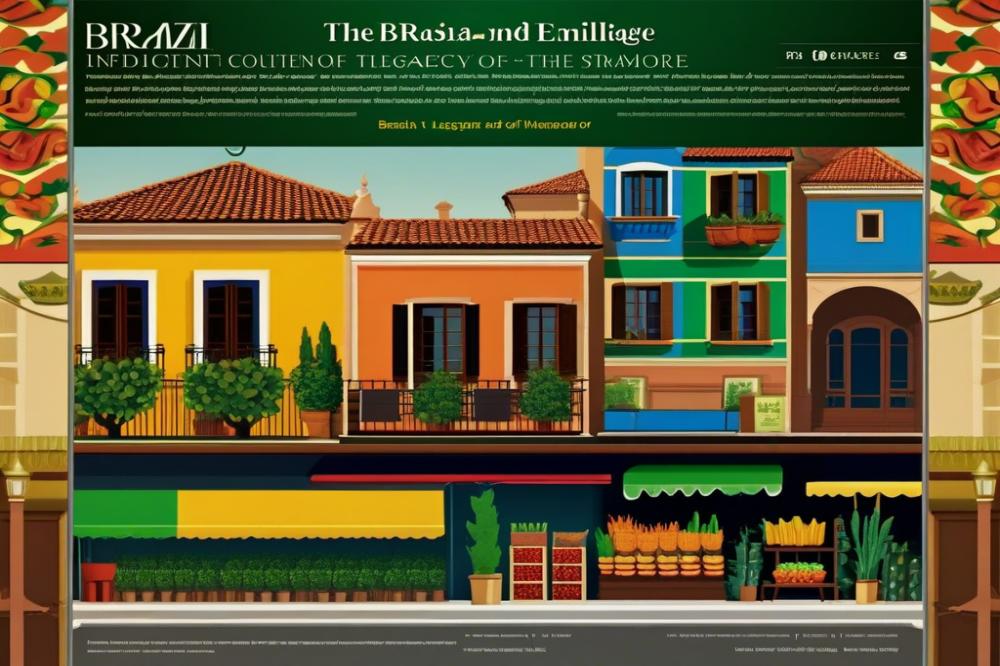
Brazil’s connection to Italy runs deep and is evident in various facets of life. Italian immigrants brought rich traditions that have blended with local customs. This melding of cultures has created a vibrant tapestry that defines Brazilian identity today. Festivals celebrating Italian heritage are prominent throughout the country. These events are filled with music, dance, and, of course, delicious food. They reflect the strong bond many Brazilians feel towards their Italian roots.
Integration of Italian Traditions into Brazilian Culture
Italian customs have woven themselves into the fabric of Brazilian life. Families often engage in traditional practices, especially during holidays and special occasions. The act of gathering around a table is significant for many communities. Sharing meals is a way to bond, tell stories, and pass down traditions. Over the years, Brazilian culture has embraced Italian values centered around family and community. In many cities, you can find Italian influences in local art, music, and even architecture.
Influence on Brazilian Cuisine
Brazilian cuisine showcases a delightful array of Italian-inspired dishes. Popular meals such as lasagna, pizza, and polenta reflect this influence. Many restaurants proudly serve these dishes, blending authentic Italian techniques with local ingredients. Additionally, Italian desserts, like tiramisu and panna cotta, have become favorites among Brazilians. The richness of Italian flavors has transformed Brazil’s culinary landscape. Street food also benefits from this blend, as carts selling pizza and pasta can be found in bustling markets.
Impact on Language and Dialects
In certain communities, the Italian language remains a vital part of cultural identity. Many descendants still speak dialects from the Veneto and Emilia-Romagna regions. These dialects mingle with Portuguese, creating a unique way of communication. Such language use keeps the heritage alive, especially among older generations. Younger individuals may not use the dialects daily but often understand phrases and expressions. This linguistic connection highlights the lasting impact of immigration on Brazil’s diverse language landscape.
Artisanship also plays a significant role in preserving traditions. Many Italian families have passed down skills in crafts and food preparation. Their techniques have influenced local craftsmanship, from handmade pasta to intricate ceramics. These skills are celebrated and kept alive through workshops and local fairs. It is this spirit of sharing that continues to enrich Brazilian culture today.
Community Formation
Settlements established by Veneto and Emilia-Romagna immigrants
Many communities in Brazil trace their origins back to immigrants from Veneto and Emilia-Romagna. These settlers arrived in the late 19th and early 20th centuries, seeking better opportunities. They established vibrant towns, particularly in the states of São Paulo, Paraná, and Rio Grande do Sul. Areas like Caxias do Sul and Garibaldi became key centers for these Italian immigrants. With each wave of newcomers, they brought their customs, their values, and their determination to build a better life.
Examples of prominent Italian communities in Brazil
Prominent Italian communities can be found throughout Brazil. In São Paulo, neighborhoods such as Brás and Mooca showcase rich Italian culture. Culinary offerings like pizza and pasta reflect this deep heritage. Caxias do Sul is known for its wine production, highlighting the Italian influence on local agriculture. Festivals celebrating Italian traditions bring people together, drawing crowds from near and far. Events like the Festa da Uva celebrate not just the grape harvest but also the communal spirit and history of Italian settlers.
Roles of mutual aid societies and cultural organizations
Mutual aid societies played a crucial role in supporting newcomers. These organizations provided assistance with housing, jobs, and integration into Brazilian society. They helped maintain cultural ties while fostering a sense of belonging. Cultural organizations also emerged to celebrate the Italian language and traditions. They organize events such as dance performances and cooking classes. By promoting artisanship, they keep traditional crafts alive. Furthermore, these societies provide a platform for sharing stories, enriching the overall cultural landscape in Brazil.
Artisanship and Craftsmanship
The legacy of Italian artisanship in Brazil is both rich and diverse. Over the years, immigrants from Veneto and Emilia-Romagna have shared their skills, shaping local industries and enriching Brazil’s cultural fabric. These settlers carried their traditions with them, translating their knowledge into new environments.
Prominent crafts and trades brought by settlers
Many crafts flourished due to the influence of these Italian communities. In particular, woodworking and stone masonry became significant trades. Italians also contributed to the development of textiles. Their methods in garment-making blended with local practices, leading to vibrant fashion industries in cities like São Paulo.
Examples of Italian artisans and their contributions
Take, for instance, the renowned artisan, Giovanni Battista. Known for his exquisite hand-crafted furniture, he incorporated Italian designs while using local materials. His pieces have become collector’s items over the years. Another noteworthy figure is Maria Rossi. She pioneered traditional Italian cuisine with artisanal pasta, infusing flavors that resonate through Brazilian kitchens today.
Several Italian festivals celebrate these crafts. Events highlight food, music, and art, fostering a sense of community. These festivals embody traditions passed down through generations, emphasizing the cultural blend that characterizes Brazil. The language spoken within these communities often reflects their roots, merging Italian words with Portuguese.
Artisanship is not just about the skills learned; it’s about preserving history. Workshops across Brazil showcase the tools and techniques used by Italian immigrants. These venues serve as educational hubs, demonstrating the importance of craftsmanship in everyday life. As a result, Brazilian culture remains intertwined with the legacies of its settlers.
Festivals and Celebrations
Brazil is a vibrant land where various cultures interweave. Among these, the influence of Italian settlers from regions like Veneto and Emilia-Romagna is especially rich. Their traditions have taken root, leading to numerous festivals that celebrate this heritage. These gatherings are more than just events; they are vital connections for communities.
Overview of Italian Festivals in Brazil
Italian festivals in Brazil bring people together to celebrate shared history and culture. The atmosphere during these occasions is lively, filled with music, dance, and delicious food. Participants often dress in traditional attire, proudly showcasing their ancestry. Each festival reflects the rich tapestry of Italian influence on Brazilian life, from language to cuisine.
Key Events that Celebrate Italian Heritage
One of the most significant events is the Festa da Italia, celebrated in several cities, especially in São Paulo. The festival features authentic Italian dishes, ranging from pasta to gelato. Another highlight is the Italian Carnival, where vibrant parades captivate audiences. Forms of traditional music, like tarantella, echo through the streets, bringing joy to everyone involved. Local artisanship is showcased, with handcrafted items on display and available for purchase.
Cultural Significance and Community Involvement
These celebrations are essential for maintaining cultural ties. They allow families to pass down traditions, creating a sense of belonging. Many communities organize these events, ensuring that people of all ages can participate. Volunteers work tirelessly to make each festival a success. This participation fosters a spirit of unity, bridging generations and cultures. Furthermore, events often highlight local talent, encouraging collaboration among artists and musicians. With each festival, the legacy of Italian immigrants continues to thrive in Brazil, enriching the nation’s diverse landscape.
Continuing Influence in Modern Brazil
Brazil’s rich tapestry of culture owes much to its early Italian immigrants, especially those from the regions of Veneto and Emilia-Romagna. These settlers did not just bring their skills and traditions; they also infused their identity into the larger narrative of Brazilian life. Today, many Brazilians celebrate this heritage, integrating it into their daily experiences.
How Italian heritage shapes contemporary Brazilian identity
As communities across Brazil embrace their roots, one can see the profound impact of Italian ancestry. Family gatherings often feature classic Italian dishes alongside local favorites, creating a unique culinary blend. This merging of traditions reflects the ongoing connection to the past while still embracing the vibrant life of modern Brazil.
Preservation of traditions in younger generations
Young people today often find ways to connect with their heritage. Festivals celebrating Italian culture are common, reminding attendees of their ancestors’ contributions. Artisanship also thrives as younger generations learn from their elders, mastering crafts passed down through time. From making traditional pasta to engaging in folk dances, these customs remain alive and relevant.
The role of Italian descendants in Brazilian society today
Contributions from those of Italian descent are evident in various sectors. In politics, business, and the arts, many have taken leadership positions, showcasing their cultural background. The language, infused with Italian words and expressions, can often be heard in Brazilian homes, further binding families together. Immigrant stories continue to shape Brazil’s identity through shared experiences and collective memory.
Brazilians of Italian descent not only cherish their heritage through food and festivals but also engage actively in cultural exchange. They organize events that celebrate their history while inviting others to join in the celebration. Such activities strengthen community ties and promote understanding among diverse cultures within Brazil.
Final Thoughts
Summary of the enduring impact of Italian heritage
The legacy of Italian settlers from Veneto and Emilia-Romagna remains vivid in Brazil today. Their dedication to hard work and community shaped towns and cities, particularly in the southern regions. Many Brazilians still proudly celebrate their Italian roots through festivals, food, and family customs.
Reflection on the cultural blending in Brazil
This rich Italian influence blends seamlessly with the diverse cultures that thrive in Brazil. As descendants of immigrants, people draw on different traditions, creating a vibrant tapestry of cultural expression. The fusion of culinary practices, like pizza and pasta, showcases how these traditions have been embraced and transformed over time.
Future of Italian heritage in a diverse Brazilian landscape
Looking ahead, the future of Italian culture in Brazil seems promising. Younger generations are increasingly curious about their ancestry. This interest may lead to a revival of traditional practices that have faded over time. In a nation as diverse as Brazil, preserving these customs will enhance the country’s cultural identity. As Brazil continues to evolve, the unique contributions of its Italian communities will certainly enrich the social landscape. The spirit of immigration and integration remains alive, reminding us all of our shared human experience.

