
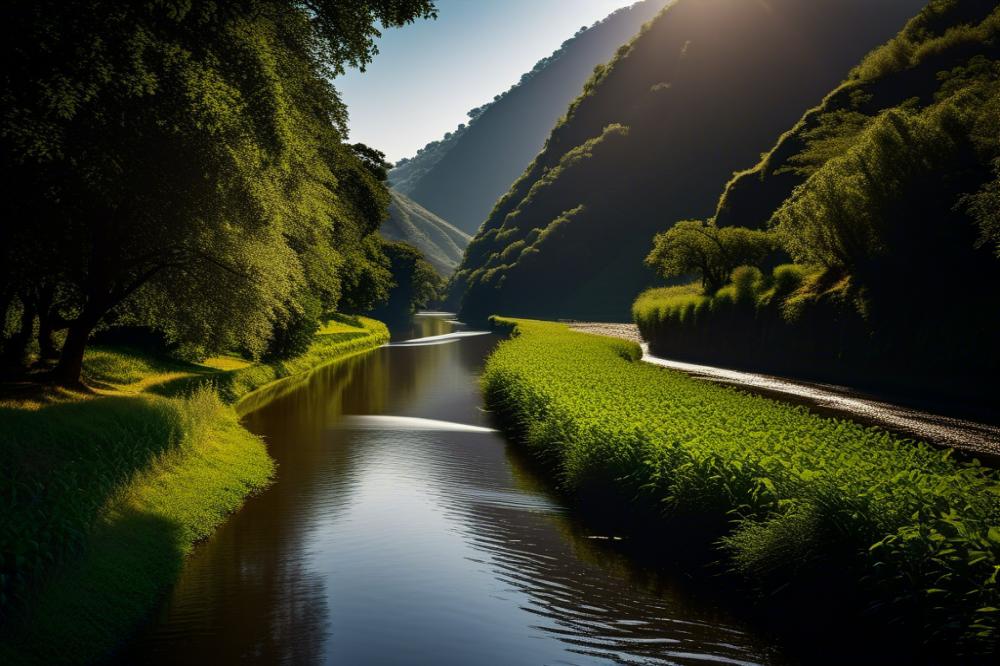
The Volturno River: Tracing ancient routes in Southern Italy
The Volturno River flows through the heart of Southern Italy, weaving a path rich with significance. It serves not only as a natural waterway but also as a historical thread connecting various cultures and communities. This river has played a vital role in the region’s geography and navigation since ancient times.
Explorations along the banks reveal a story intertwined with Rome’s legacy. Ancient roads and settlements flourished nearby, creating a network that facilitated trade and travel. Archaeologists often highlight this area as a treasure trove, where layers of history lay beneath the surface. Significant findings have unveiled insights into the lives of those who once inhabited these lands.
Moreover, the river offers a stunning landscape, showcasing the natural beauty of Southern Italy. Lush vegetation and wildlife thrive in this ecological haven. Tourism grows as travelers seek to engage with this cultural heritage, often through guided river tours. Those journeys provide glimpses into the past, reflecting how ancient routes shaped human activity in the region.
As we journey through the complexities of the Volturno River, it becomes clear that understanding this landmark goes beyond mere geography. It embodies the essence of time, culture, and ecology in a place where history breathes and stories flow.
Geography and Ecology of the Volturno River
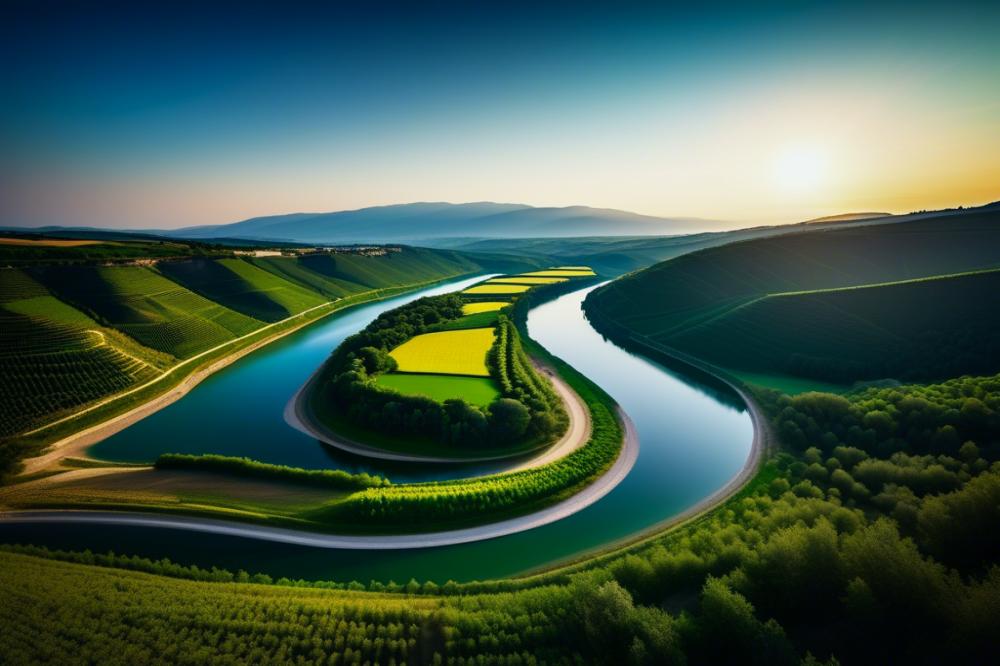
The river flows through the heart of Southern Italy, carving its way from the Apennine Mountains toward the Tyrrhenian Sea. It spans approximately 175 kilometers, meandering through various towns and landscapes. The course of this river has shaped the terrain, creating valleys and fostering life along its banks. Ancient Roman roads once ran parallel to its trails, linking villages and regions in times gone by.
Surrounding the river is a diverse landscape that showcases both natural beauty and archaeological significance. Hills and mountains provide a striking backdrop, while fertile plains lie adjacent to the waterway. Lush vegetation runs along the banks, and small tributaries feed into the main river, enhancing its flow. This area is rich in cultural heritage, drawing visitors intrigued by the connection between nature and history.
Ecology plays a vital role in the health of this river. Various species thrive in its waters, contributing to a complex ecosystem. Fish, amphibians, and invertebrates can be found inhabiting the river, while birds flock to the banks for shelter and food. Diverse plant life also flourishes in this environment, providing necessary habitats. The biodiversity here is a reflection of the interplay between the river and its surrounding landscape.
Tourism has increased as many people discover the beauty of the river and its ecological importance. Outdoor activities such as kayaking and fishing attract visitors looking to experience the area’s natural charm. Educational programs highlight the history and archaeology nearby, helping to foster appreciation for the river’s role in shaping the region. Understanding the geography and ecology of this river enhances awareness of its significance in Southern Italy.
Historical Significance of the Volturno River
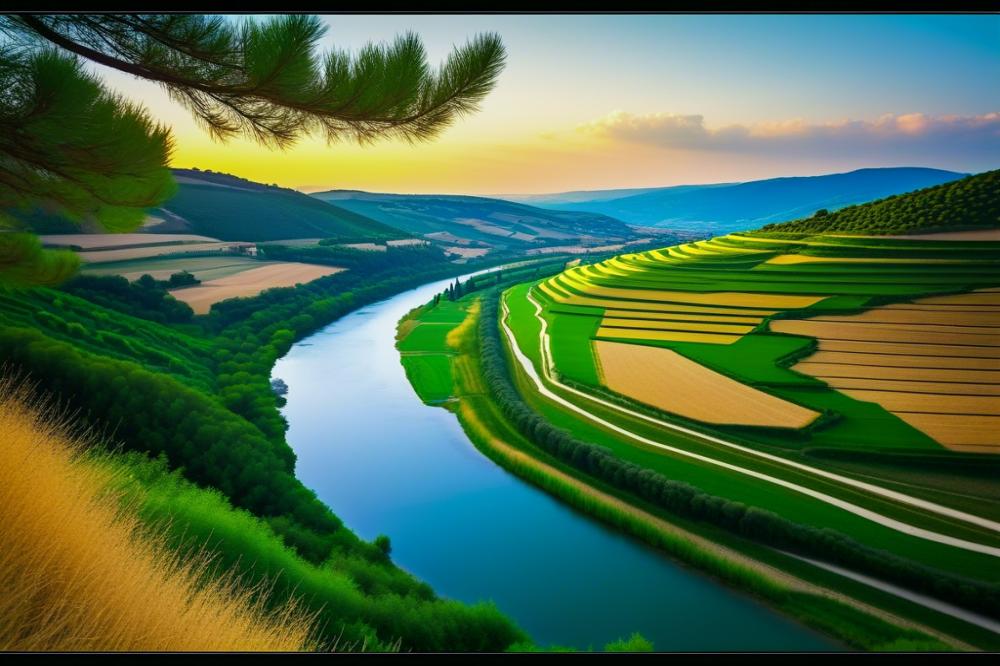
The Volturno River has been a vital part of Southern Italy’s history. Ancient civilizations recognized its importance long ago. They relied on it for various aspects of daily life. Navigation along this waterway was essential for trade and transport. Goods moved from one place to another, connecting distant lands.
This river played a significant role in local economies. For the Romans, it became a key trade route. They built roads that paralleled its banks, enhancing connectivity. This development made it easier for merchants to transport their wares. As a result, settlements flourished around it. Towns like Capua began to thrive due to their strategic locations along the waterway.
Moreover, the river’s geography shaped the region’s cultural heritage. It provided fertile lands for agriculture, supporting various crops. Archaeological findings along the banks reveal much about ancient life. Structures and artifacts show how people lived, traded, and interacted. Even the locals today value this rich history within their landscape.
In the past, the Volturno River was not just a water source; it was a lifeline. Towns grew and evolved because of its flow and accessibility. Ecology also played a role, with the river’s surrounding areas fostering biodiversity. This natural richness has led to a unique tourism appeal. Modern visitors explore the history while enjoying the scenic beauty.
Throughout time, the river’s influence extended beyond trade. It helped shape regional identity and community ties. Festivals and traditions often reflect this shared heritage. Understanding its significance brings a deeper appreciation for Southern Italy’s past.
Roman Roads and Navigation
Southern Italy is not just known for its beautiful landscapes; it also holds a rich history filled with ancient routes. The Roman Empire left behind an extensive network of roads. This infrastructure played a key role in connecting various regions, including those near the Volturno River. Roman roads were engineered with precision, allowing for easier movement of troops, goods, and information. Their construction showcased the strength and organization of Roman engineering.
Examination of ancient navigation routes reveals much about the lives of people in the past. The Volturno acted as a natural highway for trade and transport. River navigation utilized various techniques that the Romans perfected. Boats made from local materials floated on its waters, enabling merchants to move their goods efficiently. Access to the river offered an advantage, especially in rough terrains where roads were less reliable.
The connection between this river and the broader Roman road network is fascinating. Roads often ran parallel to prominent waterways, ensuring effective trade and travel. Major ports along the river provided access to larger vessels, enhancing movement and commerce. Archaeology has uncovered remnants of docks, bridges, and other structures that supported this bustling life. These findings help us understand how geography shaped human activity in this region.
The integration of roads and navigable waterways influences current tourism. Many visitors come to explore these ancient paths. They seek to connect with cultural heritage that has stood the test of time. Local communities benefit from this interest, which also helps preserve the ecology of the landscape. Their stories, preserved through history, reveal insights into everyday life during the Roman period.
Archaeological Sites Along the Volturno River
A rich tapestry of history unfolds along the banks of this waterway in Southern Italy. Significant archaeological discoveries have transformed our understanding of ancient civilizations. Sites like the ancient Roman city of Capua have revealed immense structures and pottery, illustrating a culture that thrived on trade and navigation. Walking through the remnants of these places, one can almost hear the echoes of a bustling marketplace from centuries ago.
Cultural heritage sites abound, each narrating tales of the past. The Roman roads, leading to various ports and cities, indicate the importance of travel and commerce. These routes connected settlements, facilitating not just commerce but a vibrant exchange of ideas and customs. Visitors often marvel at the preserved ruins that showcase the architectural prowess of their builders.
Archaeology plays a crucial role in understanding the history of the region. Discoveries near the riverbed often shed light on the everyday lives of people long gone. Artifacts such as tools and household items tell stories of survival and adaptation to the local landscape. Excavating these remnants enhances our grasp of how people lived harmoniously with their environment.
Tourism thrives here, with enthusiasts flocking to explore the archaeological wonders. Communities benefit from this interest, fostering pride in their heritage. The legacy of these sites not only enriches local culture but also promotes ecological awareness, as efforts are made to protect the landscape. Truly, the intersection of history and geography on the Volturno offers a glimpse into the life that once was.
Tourism and Cultural Heritage
The Volturno River offers a range of river tours that attract visitors to Southern Italy. These excursions allow tourists to appreciate the stunning landscape and rich history nestled along its banks. Guides often highlight archaeological sites, bringing ancient routes to life. Travelers can see remnants of Roman roads, which are integral to understanding how people navigated this region centuries ago.
Cultural heritage plays a significant role in local tourism. Families from different towns along the river share stories of their past, drawing in visitors eager to learn. Festivals celebrating ancient traditions often coincide with tours. This creates a vibrant atmosphere where history and culture blend seamlessly.
Local traditions are also preserved through tourism. Craftspeople showcase their skills, keeping traditional methods alive. Many small shops offer handmade goods, each piece telling its own story connected to the area’s ecology and geography. Such experiences deepen the connection between tourists and the local community.
Moreover, the river acts as a lifeline for cultural exchange. Both researchers and explorers come to study the area’s history and ecology. They reveal how the Volturno has shaped the lives of those living nearby. This not only benefits tourism but also promotes a shared understanding of Southern Italy’s unique heritage.
The opportunities the Volturno River provides for growth are vast. Efforts to balance tourism with sustainability aim to preserve local culture while inviting new visitors. Those who venture here often return home with a lasting appreciation for what they have learned about this beautiful region.
The Final Journey: Reflections on the Volturno River
History has carved out a significant space for the Volturno River. This waterway has served as more than just a natural landmark; it has been a vital route for trade, migration, and cultural exchange throughout the centuries. Its banks have witnessed the rise and fall of civilizations, each leaving behind traces of their stories. Today, this river continues to draw attention, not only for its fascinating past but also as a hub for tourism in Southern Italy.
Modern travelers find themselves enchanted by the rich tapestry of life along the river. Picturesque landscapes greet visitors, revealing hidden gems waiting to be discovered. From charming villages to lush greenery, the area offers a unique escape from the rush of everyday life. Several guided tours provide a chance to explore its banks while highlighting the interconnected nature of history and culture. This experience invites people to step into the narratives of those who roamed these lands long before them.
As discussions around preserving cultural heritage gain importance, the river stands as a testament to the enduring impact of nature on human development. Its waters have long symbolized connection and continuity within the diverse heritage of Southern Italy. Each ripple tells a story that should not be overlooked. Whether you are a history enthusiast, an adventure seeker, or just someone eager to appreciate nature, the Volturno offers something for everyone.
With guided tours available, your adventure can start today. Witnessing the charm of this locale can foster a deeper appreciation for the past and the people who shaped it. Exploring this remarkable area encourages an understanding of how history continues to influence our lives. So why not venture out to experience what the Volturno River and its surroundings have to offer? Your journey awaits.

