
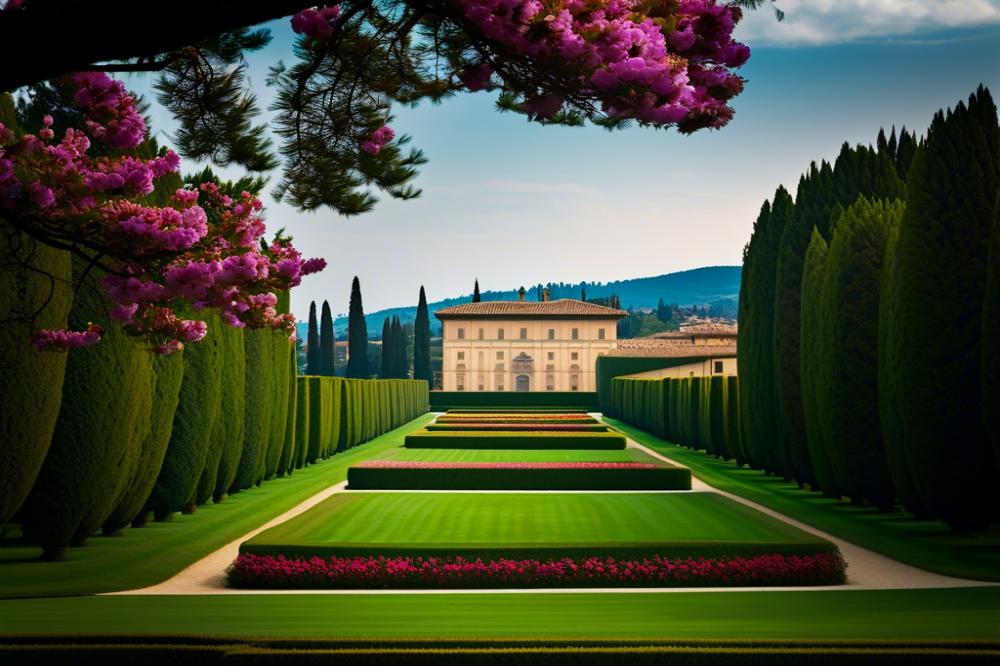
Boboli gardens: Florence’s Renaissance Masterpiece
Located in the heart of Florence, the Boboli gardens are a stunning example of Renaissance artistry and landscape design. These gardens form a significant part of the city’s cultural heritage and are a testament to the grand vision of the Medici family. The lush greenery and meticulously designed pathways provide not only a beautiful escape for visitors but also a glimpse into Italy’s rich history.
As one of the country’s most famous parks, the gardens attract tourists seeking both relaxation and inspiration. The blend of nature and outdoors art creates an enchanting atmosphere. Visitors can marvel at centuries-old trees, vibrant flowers, and impressive sculptures scattered throughout the property.
The influence of the Medici family cannot be understated. Their passion for art and architecture shaped the design of the gardens during the Renaissance. Each element, from the lush landscapes to stunning fountains, reflects their commitment to beauty and innovation. Boboli Gardens continues to serve as a living museum, offering insights into the cultural and artistic endeavors of this powerful dynasty.
Exploring these grounds is like walking through history. Each corner tells a story, and each sculpture adds to the rich tapestry of Florence’s past. For those seeking a deeper connection with the art and culture of Italy, the gardens stand as a significant destination. They represent not just the architectural genius of the Medici but also a cherished piece of Florence’s identity.
The Historical Context of Boboli Gardens
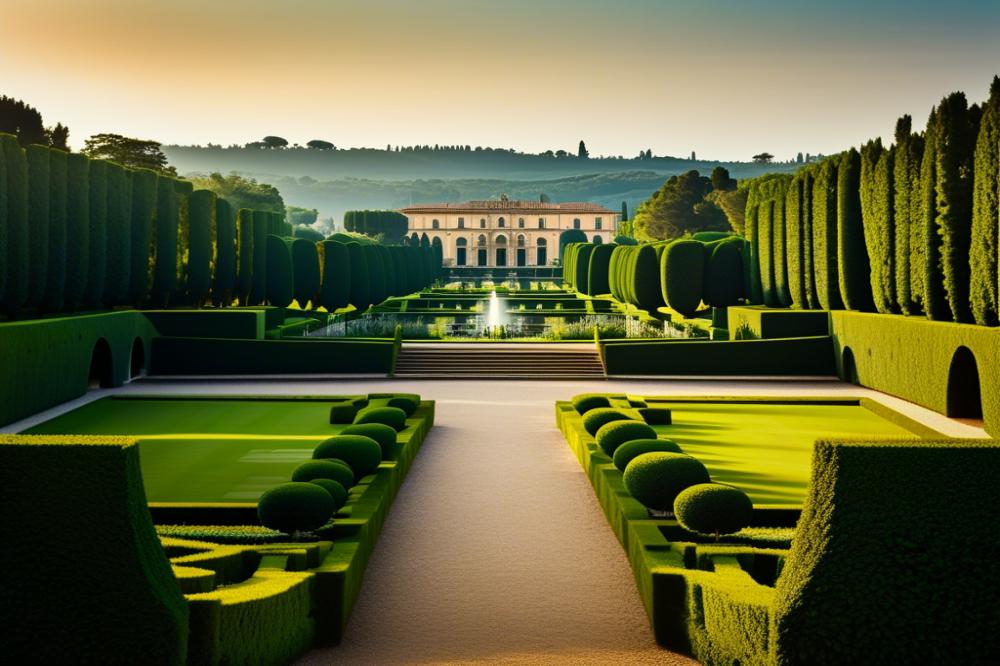
The Medici family significantly influenced Renaissance Florence. They were powerful rulers, patrons of the arts, and notable figures in shaping the culture of Italy during the 15th and 16th centuries. Their support for artists like Michelangelo and Botticelli helped craft a rich artistic legacy. It was during this prosperous period that the idea of creating grand outdoor spaces took root.
Development of the gardens began in the 16th century. The Medici wanted a place that reflected their wealth and taste. They transformed a simple plot of land into an impressive public park. Garden designer Niccolò Tribolo played a pivotal role in the early stages of this project. Their vision included intricate landscaping, pathways, and statues that brought life to the scenery.
Key events along the way shaped the designs we see today. The construction of various architectural features added to the gardens’ appeal over time. For instance, the Amphitheater emerged in the 17th century, enhancing the space for gatherings. Changes in fashion and style also influenced the layout and exhibitions of sculpture. Florentine citizens and visitors alike began to view this landscape as not just a private garden but a tourist attraction filled with outdoor art.
Throughout its history, the gardens have witnessed significant cultural shifts. They served as a backdrop for political events and hosted notable figures. As generations passed, the Medici’s legacy intertwined with the gardens, making it an essential piece of Florence’s story. Today, the gardens showcase the blending of nature and architecture, representing the heart of Renaissance ideals.
Architectural and Artistic Features
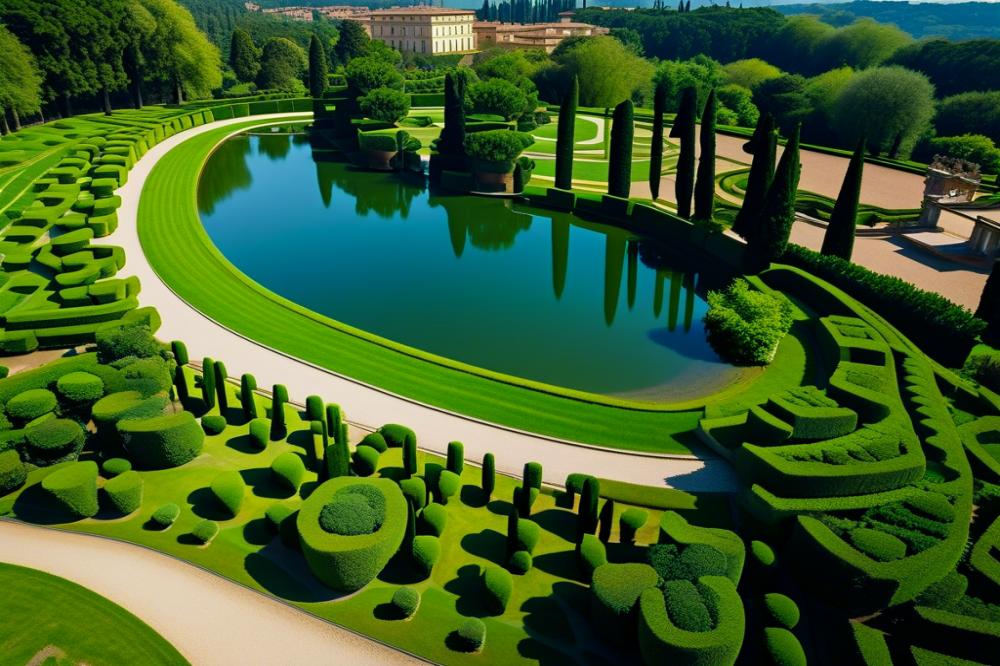
The Boboli Gardens showcase a blend of architectural styles that reflect the rich history of Italy. Renaissance influences dominate, evident in the carefully organized layout and symmetry of the landscapes. This garden, designed for the Medici family, also presents elements from Baroque architecture, particularly in its grand structures and ornate details.
Visitors encounter notable sculptures throughout the grounds. These works of art include famous pieces such as the “Fountain of Neptune” and the “Statue of Abundance.” Each statue tells a story, embodying the artistic spirit of the era. Outdoor art installations bring life to the natural beauty, offering a dialogue between human creation and nature.
Design principles from the Renaissance are clearly apparent in the gardens. Spatial organization reflects harmony and unity, creating an inviting environment. Pathways lead through meticulously designed sections, with each turn revealing another stunning vista. Water features, terraces, and grottos add depth and complexity to the overall experience.
Many sculptures dot the landscape, creating focal points for contemplation and admiration. Artists used a variety of materials, blending stone and bronze in powerful statements. Statues often depict mythological figures, highlighting classical themes popular during the Renaissance. This attention to detail enhances the artistic narrative of the gardens.
Throughout the grounds, the attention to landscape design is striking. Carefully curated flora complements architectural elements. The variety of plants is not just for aesthetics; they serve to guide the visitor’s experience. Moreover, the gardens reflect the Medici’s passion for collecting and displaying art in nature.
Exploring the Landscapes of Boboli Gardens
Visitors to the stunning Boboli Gardens discover a well-planned layout that reflects the brilliance of Renaissance design. Paths wind gracefully through the landscape, leading to hidden corners and open vistas. The influence of the powerful Medici family is evident in every feature, from the carefully manicured hedges to the grand sculptures that punctuate the scenery.
Fountains and groves add character to this outdoor art masterpiece. The Fountain of Neptune, with its classical design, captures attention. Nearby, shaded groves beckon guests to take a moment of rest. Each section contributes to the overall sense of history and beauty that fills the area.
Taking a walk along the pathways offers a fresh perspective in every season. Spring brings blooming flowers, painting the gardens in vibrant colors. Summer offers lush greenery, with cool shade under the trees. In contrast, autumn transforms the landscapes into a golden wonderland. Each turning season presents a different side of this tourist attraction, ensuring visitors appreciate its ever-changing beauty.
Boboli Gardens as a Tourist Attraction
As one of the most famous sites in Florence, this attraction draws millions each year. Tourists flock to the gardens to witness their stunning examples of Renaissance architecture and landscape design. The rich history of the Medici family adds to the allure, making it a must-visit for anyone traveling to Italy. Walking through the gardens offers a glimpse into the past, with lush greenery and beautiful sculptures at every turn.
Visitors can engage in various activities while exploring. Strolling along the elegant pathways is a popular choice. Many people take time to relax on benches, soaking up the sun and scenery. Others can enjoy a picnic, surrounded by art and nature. Young families often find joy in the playful fountains, while art lovers admire the numerous outdoor sculptures scattered throughout the area.
Events and Exhibitions
Throughout the year, the gardens host various events and exhibitions that highlight their historical significance. Special art shows often bring contemporary artists into the picture, merging modern creativity with the classical environment. Seasonal festivals attract crowds with music, dance, and food inspired by Italian traditions. Each gathering offers something special, inviting both locals and tourists to experience Florence in a vibrant setting.
Additionally, guided tours provide insights into the history and architecture that shaped these gardens. These educational experiences enhance visitors’ understanding of the sculptures and landscaping techniques. Each tour typically uncovers fascinating stories from the Renaissance, making a stroll feel more like a journey through time.
Final Thoughts
The significance of the gardens extends far beyond their physical beauty. These landscapes embody the spirit of the Renaissance. They serve as a testament to the creativity and ingenuity of the era. Artists and architects poured their vision and passion into every aspect of this space. Visitors can feel the history whispering through the trees and sculptures.
As one strolls through the pathways, it is easy to appreciate the gardens as a vibrant part of Italian culture. They reflect a time when nature and art danced in harmony. The designs showcase the meticulous attention to detail that defines this historical period. Each turn reveals something new, drawing people deeper into its charm.
With its rich history and artistic expression, the gardens offer a glimpse into the past. They inspire admiration and wonder, reminding us of the beauty that humans can create. This timeless space in Florence continues to attract and enchant many who seek respite and reflection. Truly, it stands as a symbol of love for nature and art, inviting all who enter to pause and appreciate.

