
Tasting Your Way Through Sicilian cuisine
Sicilian cuisine reflects a rich tapestry of history and culture. It blends flavors from various civilizations that have ruled the island throughout the centuries. The Arabs, Greeks, Romans, and Normans have all left their mark. This fusion makes the food both diverse and intriguing.
Travelers exploring Sicily often discover more than just a meal; they find a journey through time. Each bite tells a unique story, rooted in the island’s geography and climate. Fresh ingredients play a key role. The Mediterranean diet emphasizes vegetables, seafood, and healthy fats. recipes are passed down through generations, showcasing regional specialties.
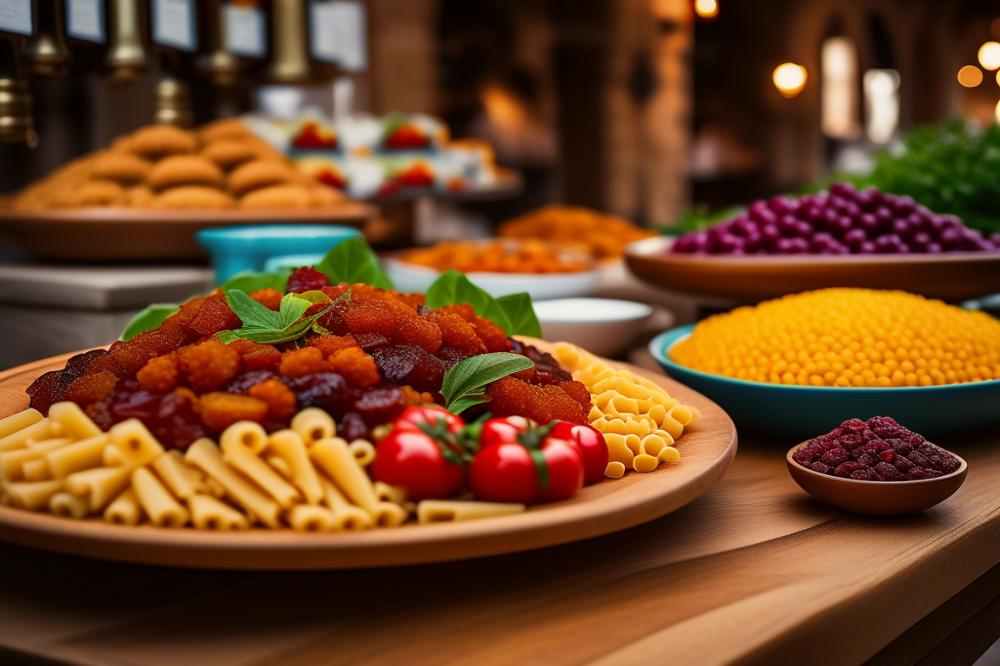
Street food stands lined with vendors offer a taste of local life. Arancini and panelle tempt passersby with their golden, crispy appeal. Such snacks highlight the culinary traditions cherished by Sicilians. Meanwhile, pasta dishes like Cavatappi al Sugo capture the heart of homemade goodness. Seafood also shines, with dishes featuring fresh catches like swordfish and shrimp.
Desserts are not to be missed, either. Cannoli and cassata provide a sweet conclusion to a meal, reflecting a celebration of flavors. The variety in Sicilian recipes ensures something for everyone. Travelers can savor the depth of flavor found in traditional dishes long into the evening. Experiencing the island’s food is not just sustenance; it’s a taste of culture and history.
Sicilian Cuisine: A Culinary Journey
Sicilian cuisine is a reflection of the island’s diverse history. Deeply rooted in the Mediterranean diet, it celebrates fresh ingredients and local produce. The influence of various cultures is evident in traditional dishes and flavors that tell a story.
Greek settlers were among the first to shape Sicilian recipes. They brought with them a love for grains, olives, and vine cultivation. Later, the Arab occupation introduced the use of spices, citrus fruits, and complex cooking methods. Dishes became richer and more varied. These influences are still noticeable today in desserts and main courses alike.
Spanish rule left a significant mark as well. This era introduced ingredients like potatoes, tomatoes, and chocolate. Paella became a regional specialty after its introduction. Mixing these Spanish flavors with local seafood and pasta created unique fusions that define Sicilian cooking.
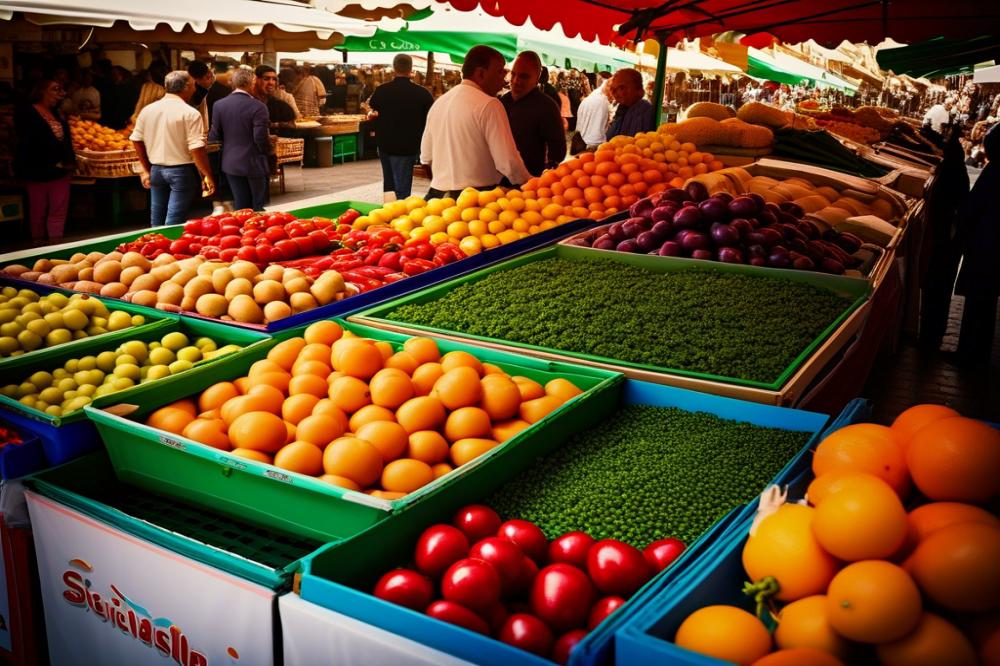
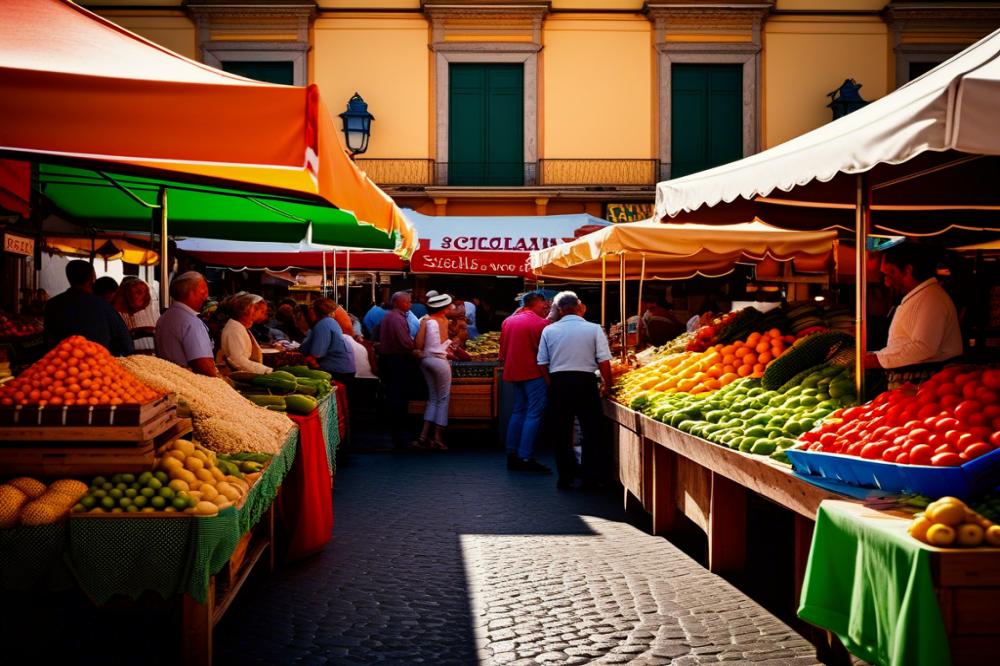
Culinary traditions on the island emphasize the importance of seasonality. Chefs focus on using what is fresh and available. Local markets showcase vibrant vegetables, ripe fruits, and a variety of seafood caught daily. Visitors can enjoy traditional street food that highlights this commitment to ingredients. Arancini, or stuffed rice balls, capture the heart of Sicilian snacking.
The Mediterranean influence is particularly strong in how Italians approach their meals. Recipes often highlight grains, fish, and an array of sauces that perfectly complement different dishes. Pasta, in particular, plays a central role. Every twist and turn of this cuisine tells a narrative, weaving together the past with the present.
Desserts offer a sweet glimpse into the island’s rich history. Cannoli and cassata reflect the blend of traditions, showcasing the art of pastry making. These treats are more than just food; they connect people to their heritage and culture. Each bite is a journey through time.
Street food captures the essence of Sicilian culture vividly. Vendors serve items like panelle, chickpea fritters, and sfincione, a type of thick pizza. These dishes mirror the island’s diverse influences and regional specialties. Locals and visitors alike enjoy the vibrant food scene.
In summary, the story of Sicilian cuisine is a colorful tapestry woven from many cultural threads. It invites everyone to explore flavors that are rich, varied, and deeply fulfilling. The island’s culinary delights continue to inspire and tantalize the taste buds of all who encounter them.
Regional Specialties to Try
Travelers venturing to Sicily will discover a world of mouthwatering delights. The landscape offers a wealth of food choices that reflect the island’s rich history and diverse influences. Here are some regional specialties you absolutely must taste.
Arancini
These fried rice balls are a popular street food. Stuffed with creamy risotto, meat sauce, or cheese, they boast crispy exteriors and warm, flavorful interiors. Traditionally served as a snack, Arancini can also be found in many restaurants as a starter. Their origins trace back to Arab influences on Sicilian cuisine, highlighting the island’s culinary connections.
Caponata
This eggplant dish is a signature of Sicilian recipes. Made with diced eggplants, tomatoes, celery, olives, and capers, Caponata delivers a sweet-and-sour punch. It’s often enjoyed as a side or appetizer during meals, reflecting the island’s love for vibrant flavors. Many families have their own variations of this dish, passed down through culinary traditions.
Pasta alla Norma
Pasta alla Norma features pasta topped with a rich tomato sauce and sautéed eggplant. Often garnished with ricotta salata cheese and fresh basil, it embodies the essence of Sicilian cuisine. Italian grandmother recipes inspire this dish, showing how simple ingredients can create something marvelous. It’s a staple of local eateries and is sure to please pasta lovers.
Involtini
This dish showcases thin slices of meat, usually beef or veal, rolled around various fillings. Typically filled with cheese, breadcrumbs, and herbs, Involtini are then simmered in a savory sauce. They highlight the Mediterranean diet’s focus on using fresh ingredients that are both satisfying and wholesome.
Frittata di Ricotta
This ricotta frittata is a delightful, fluffy dish. Made with eggs and fresh ricotta, it’s baked until golden and slightly set. Light yet fulfilling, it’s a popular choice for breakfast or as a light lunch. Bakeries often serve it fresh, adding to the joy of tasting authentic Sicilian food.
Seafood Dishes
The surrounding waters provide an abundance of seafood. Grilled swordfish and spaghetti with clams stand out as iconic coastal dishes. Local fishermen bring in the catch of the day, ensuring the freshest possible meals. Each coastal village has its specialties, from anchovies to calamari, celebrating seafood’s importance in Sicilian diets.
Cannoli
No visit to Sicily is complete without indulging in cannoli. These dessert shells, filled with sweet ricotta, often have chocolate chips or candied fruit. Crunchy on the outside and creamy on the inside, they embody the essence of Sicilian sweets. Enjoying cannoli at a local café is a cherished experience among many visitors.
Seafood Delights of Sicily
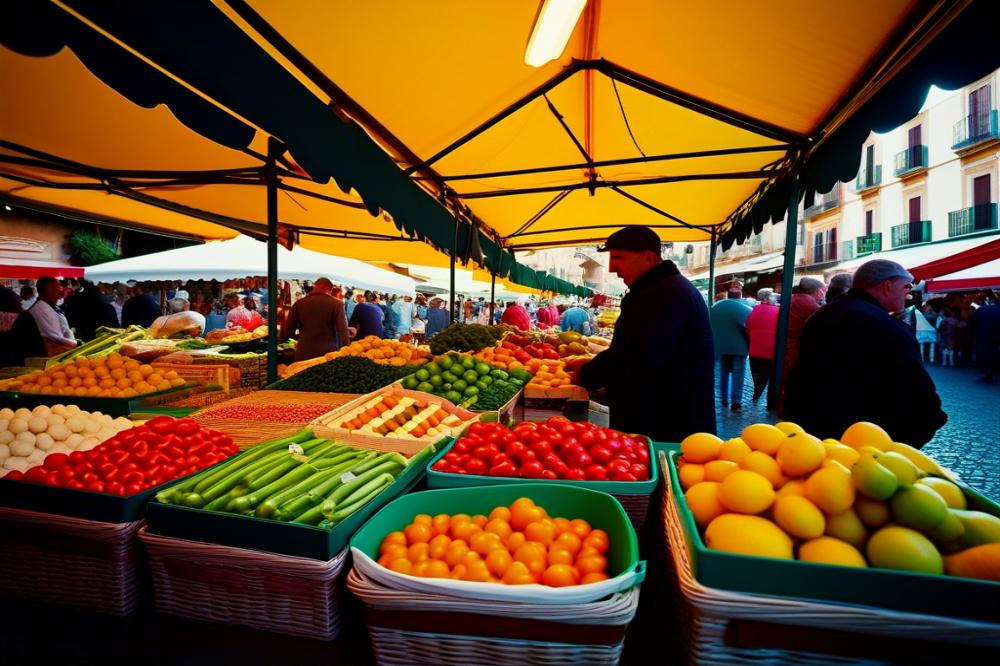
Sicilian cuisine is a treasure trove of seafood offerings. The island’s coastal location provides access to a wide variety of fresh fish. Local markets brim with choices gathered from the Mediterranean Sea. Diners often find that the freshest ingredients enhance the flavors of traditional recipes.
One of the standout dishes is Pesce Spada, or swordfish. This popular choice is grilled or baked with simple seasonings. Often, olive oil and lemon are used to enhance its natural taste. The combination brings out the richness of the fish without overpowering it. Servings usually come alongside seasonal vegetables or a light salad.
Sarde a Beccafico is another classic dish that reflects the region’s culinary traditions. Sardines are stuffed with a mix of bread crumbs, raisins, and pine nuts. This unique flavor profile balances savory and sweet. People often enjoy it baked until the fish is tender and the stuffing is perfectly crispy. This dish represents the blend of different cultures that have influenced Sicilian food.
Street food also plays a vital role in the seafood scene. For example, fried arancini or rice balls sometimes contain seafood fillings. Tourists and locals alike love to savor these quick bites. Coastal towns offer numerous shops where visitors can experience these local specialties.
Fish dishes vary by locality. Coastal areas boast an array of recipes featuring octopus, squid, and other seafood. Chefs infuse Mediterranean diet principles into their cooking, emphasizing fresh ingredients and vibrant flavors. Different regions might have their own take, showcasing distinct influences and traditions.
The importance of fresh seafood cannot be overstated in Sicilian recipes. Many families enjoy fishing as a way to bond and gather food together. Recipes passed down through generations often focus on simplicity, allowing the main ingredient to shine. The vibrant flavors found in each dish make dining in Sicily an unforgettable experience.
Pasta also features in seafood meals. Many opt to pair fish with spaghetti or linguine. The combination allows for a delightful mingling of textures and tastes. Dishes like spaghetti alle vongole (spaghetti with clams) are evidence of the island’s love for this pair.
Desserts may even incorporate seafood in unexpected ways. Some innovative chefs are pushing boundaries and exploring new culinary horizons. When visiting Sicily, keep an open mind and taste everything offered. Each experience adds to the rich tapestry of Sicilian gastronomy.
Sicilian Street Food
Exploring the vibrant street food culture of Sicily is an adventure for the senses. Local markets buzz with life, and the tantalizing aromas waft through the air, inviting you to indulge in regional specialties.
One must-try dish is Panelle. These are golden, crispy chickpea fritters that can be found served in a soft bun or on their own. Vendors often offer them with a sprinkle of fresh lemon juice. Eating Panelle while strolling through the streets is a true Sicilian experience.
Sfincione is another popular choice. This fluffy, thick pizza features a rich tomato sauce topped with onions and cheese. It’s a perfect blend of flavors that reflects the island’s culinary traditions. Biting into a piece of Sfincione transports you directly to a quaint Sicilian pizzeria.
No visit is complete without tasting Cannoli. These delicate pastries are stuffed with sweet ricotta cheese and often feature hints of orange or pistachios. Finding a local vendor with freshly made Cannoli will delight your taste buds. This dessert embodies the sweetness of Sicilian cuisine.
Street food in Sicily isn’t just about eating; it’s about the entire experience. Busy markets often feature locals chatting as they enjoy their food. Each vendor has their own special recipes passed down through generations. It’s amazing to see how cooking methods and flavors evolve from one family to another.
The Mediterranean diet shines through these simple yet delicious dishes. Seafood often finds its way into the street food scene, too. Fresh catch of the day may be grilled and served in a sandwich, showcasing the bounty of the surrounding waters.
Trying out street food provides a unique perspective on Sicilian culinary traditions. It allows you to engage with the local culture while savoring every bite. Enjoying a meal while surrounded by the sights and sounds of bustling marketplaces enhances the experience significantly.
Get ready to sample beloved items like Arancini, rice balls stuffed with meat or cheese. They are just as popular as the more well-known desserts. Each bite tells its own story of Sicily’s rich past and flavorful present.
Sicilian Desserts and Sweets
Sicilian desserts hold a special place in the hearts of locals and visitors alike. They are often rich in flavors, reflecting a blend of cultures. This diversity is rooted in the island’s long history of trade and conquest. Among the most famous treats is Cassata, a traditional cake made with ricotta cheese, candied fruit, and sponge cake. Its vibrant colors and luscious ingredients make it a delightful centerpiece at many celebrations.
Another well-loved treat is Gelato. This creamy frozen dessert comes in countless flavors. Locals enjoy it on hot summer days, wandering through the charming streets of towns and cities. Gelato shops abound, each offering its unique recipes. Flavors range from classic chocolate to exotic combinations like pistachio and blood orange.
Festive occasions in Sicily often feature a wide array of desserts. Weddings, religious holidays, and family gatherings always include sweet delights. Traditional pastries like cannoli, filled with sweet ricotta and often topped with chocolate chips or candied peel, are essential at any celebration. These pastries tell a story, one of happiness and shared moments around the table.
Street food vendors also contribute to the dessert scene. They often serve smaller treats that appeal to those on the go. Biscotti, for instance, makes an excellent snack to enjoy while exploring seaside markets. These crunchy cookies come in different flavors and pair well with coffee.
The Mediterranean diet emphasizes fresh ingredients, and Sicilian desserts are no exception. Many sweet treats use local fruits, nuts, and dairy products. The use of high-quality ingredients makes a noticeable difference in taste. Regional specialties are cherished, passed down through generations. Recipes often remain closely guarded, holding family secrets treasured for years.
Overall, Sicilian desserts reflect the rich culinary traditions of the island. They invite everyone to indulge and discover a taste of the region’s heritage. Sweet moments spent savoring these treats create lasting memories for many. From Gelato to Cassata, each bite reveals the stories of Sicily’s diverse culture.
Cooking Classes and Culinary Tours
Travelers seeking to deepen their understanding of Sicilian cuisine can find plenty of exciting opportunities. Cooking classes offer hands-on experiences where visitors can learn traditional recipes straight from local chefs. Connecting with these culinary experts enhances the experience. It provides a valuable insight into regional specialties that might not be found in a typical restaurant.
Many classes focus on the importance of fresh ingredients. Participants often visit local markets to select their food items before heading back to the kitchen. Here, they can try preparing classic dishes like pasta alla Norma or caponata. Learning how to make authentic desserts, such as cannoli and cassata, is also a highlight for many.
Culinary tours add another layer of enjoyment. These tours often include tastings of street food, a staple in Sicilian culture. Eating arancini or sfincione while exploring local neighborhoods creates memorable experiences. Some tours even emphasize the Mediterranean diet, showcasing the health benefits of using fresh seafood and vegetables.
Moreover, workshops can vary in size. Small groups encourage interaction, allowing for a more personal learning experience. It’s an opportunity to ask questions and immerse oneself in these culinary traditions. Engaging with locals fosters connections and creates lasting memories.
Travelers should also look for classes that offer wine pairings. Sicily’s vineyards produce fantastic wines that complement the rich flavors of the food. Sipping a glass of Nero d’Avola while enjoying your handmade pasta enhances the experience even further. Authentic Sicilian recipes come alive in ways that are hard to replicate at home.
Overall, both cooking classes and culinary tours provide unique avenues to explore and enjoy the island’s food culture. With each delectable bite, participants gain a deeper appreciation for Sicily’s vibrant gastronomic heritage.
Wrapping Up a Culinary Adventure
Visiting Sicily offers more than just beautiful landscapes; it provides a rich opportunity to explore its vibrant food culture. Meals in this region reflect its diverse history, blending flavors from various influences over centuries. Each dish tells a story, connecting you to the island’s past.
Travelers will encounter different recipes that highlight local ingredients. From fresh seafood along the coast to hearty pasta dishes, each bite reveals something special about Sicilian life. Exploring local markets and enjoying street food can be a wonderful way to experience everyday life.
Savoring the cuisine can deepen your understanding of Sicily as a whole. People often say that food brings communities together. This concept is indeed true here, as shared meals are moments of connection and joy.
Immersing oneself in this culinary journey allows for a broader perspective on the island’s culture. Taste and tradition are intertwined in every meal, and participating in this experience can enrich any trip to Sicily. So take the plunge and embrace the flavors of this enchanting destination, where every dish invites you to celebrate its heritage. Enjoy the journey!

