
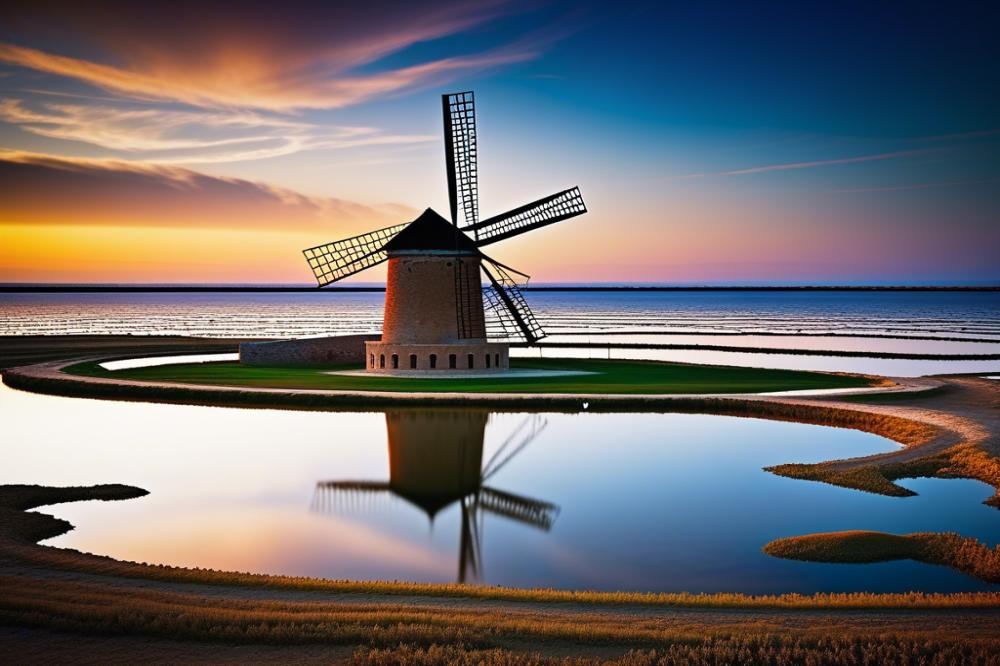
Exploring the salt pans and windmills of Marsala
Marsala, a beautiful coastal town in Sicily, is a treasure trove of history and culture. Visitors flock to this destination for its stunning Mediterranean landscapes and rich traditions. Among its many attractions, the salt pans and windmills stand out as iconic symbols of the area. These unique features not only offer picturesque views but also tell the story of Sicily’s long-standing salt production practices.
The salt pans are vast, shallow pools where seawater evaporates under the sun, leaving behind crystalline grains of salt. This method of harvesting has been a crucial part of the local economy for centuries. Meanwhile, the ancient windmills, with their large sails, stand tall against the backdrop of sprawling fields and the shimmering sea. Each windmill serves as a reminder of the ingenuity of past generations in harnessing natural resources.
Sicilian heritage thrives in these landscapes, blending history with modern-day tourism. Travelers exploring this region often find rich opportunities for photography. The contrast of the white salt against the blue sky creates breathtaking images. Local cuisine also benefits from this environment, as many dishes feature fresh ingredients enhanced by the region’s famed sea salt.
In addition, the importance of environmental sustainability emerges as a key theme in the region’s tourism efforts. Many locals work to protect these natural resources while promoting their historical significance. Visitors are encouraged to not just appreciate the beauty, but also to understand the cultural context of the salt pans and windmills. This makes Marsala a must-visit destination for anyone wanting to experience authentic Sicilian culture.
Exploring the Salt Pans of Marsala

The salt production process in the area is unlike any other. Workers gather seawater in shallow ponds, where the sun and wind work together to evaporate moisture. As the salty water diminishes, crystals form, ready for collection. This practice has been essential for generations and produces high-quality sea salt, favored for local cuisine.
Salt pans are not just about production; they hold deep significance in the economy and culture. They connect to the rich Sicilian heritage, symbolizing livelihoods and traditions. This industry not only supports local families but also draws tourists who are curious about the unique landscape. Visitors come to experience historical sites and learn about the process that has defined the region for centuries.
Environmental sustainability plays a vital role in modern salt production. Sustainable practices aim to balance the need for salt with the preservation of the local ecosystem. Techniques like solar evaporation reduce energy use while maintaining production levels. These efforts help protect the migration routes of birds that frequent the salt pans and contribute to the biodiversity of the area.
Photography enthusiasts find plenty of opportunities here. The shimmering salt flats reflect the vibrant colors of the setting sun, creating breathtaking views. Windmills dot the landscape, adding to the charm and making it a picturesque spot for capturing memories. The contrast between the white salt and the deep blue sea provides a stunning backdrop for any photographer’s portfolio.
The allure of the Mediterranean landscapes complements the experience. Visitors can stroll around the salt pans, soaking in the sights and sounds of this natural wonder. Each season brings its own beauty, from the vibrant pink hues during summer to the reflective stillness of winter. Exploring these areas reveals not just raw resources, but a canvas painted by nature itself.
The Historic Windmills of Marsala
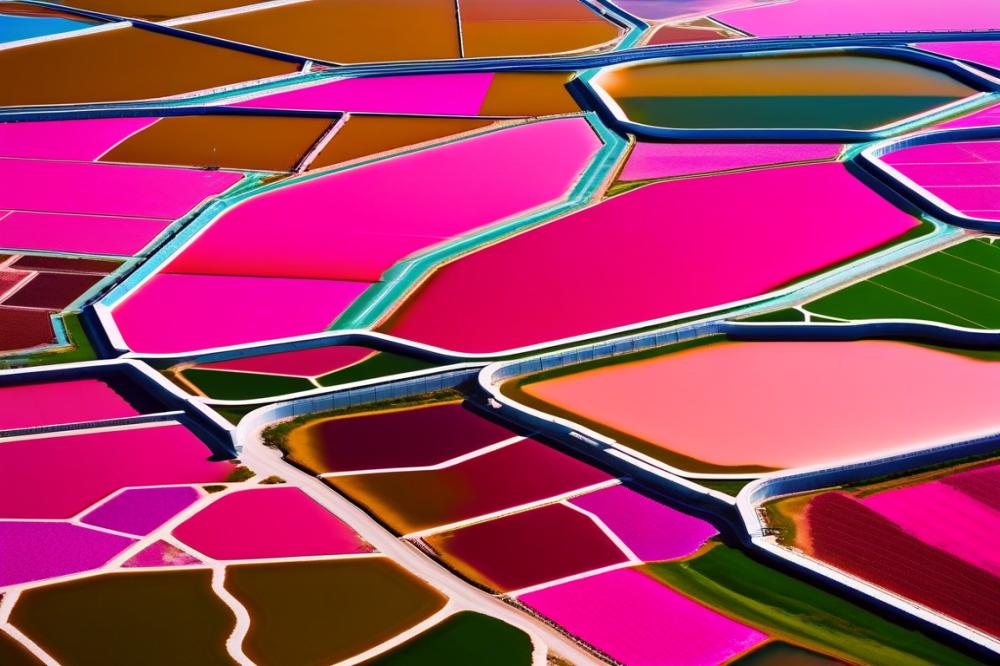
The windmills of this region stand as proud symbols of cultural identity. These structures tell the story of Sicilian heritage and its connection to salt production. Each windmill has a unique architecture that reflects centuries of history.
Originally built in the 16th century, their design is functional yet artistic. Large wooden sails harnessed the strong Mediterranean winds, driving mechanisms that helped churn sea water into salt. The industry flourished over time, making these windmills integral to local livelihood.
Today, they remain vital historical sites, attracting tourists from all over. Visitors marvel at their beauty against the backdrop of stunning landscapes. Each windmill offers excellent spots for photography, especially during sunrise or sunset. Soft colors dance across the sky, creating a picturesque setting that captures the essence of the area.
Immersing oneself in this environment also means connecting with local culture. The nearby salt flats provide another layer to the experience. Traditional dishes made with salt and seafood highlight local cuisine, showcasing flavors tied to the land.
These windmills are not just relics of the past; they represent a commitment to environmental sustainability. As the world shifts towards greener practices, preserving such sites becomes crucial. Efforts are underway to maintain these structures and share their story with future generations.
Planning a trip? Make sure to consider the windmills as a must-see. Capture the beauty, learn about the techniques of salt production, and embrace the rich heritage of the area. It all comes together to create an unforgettable experience.
Cultural and Historical Insights
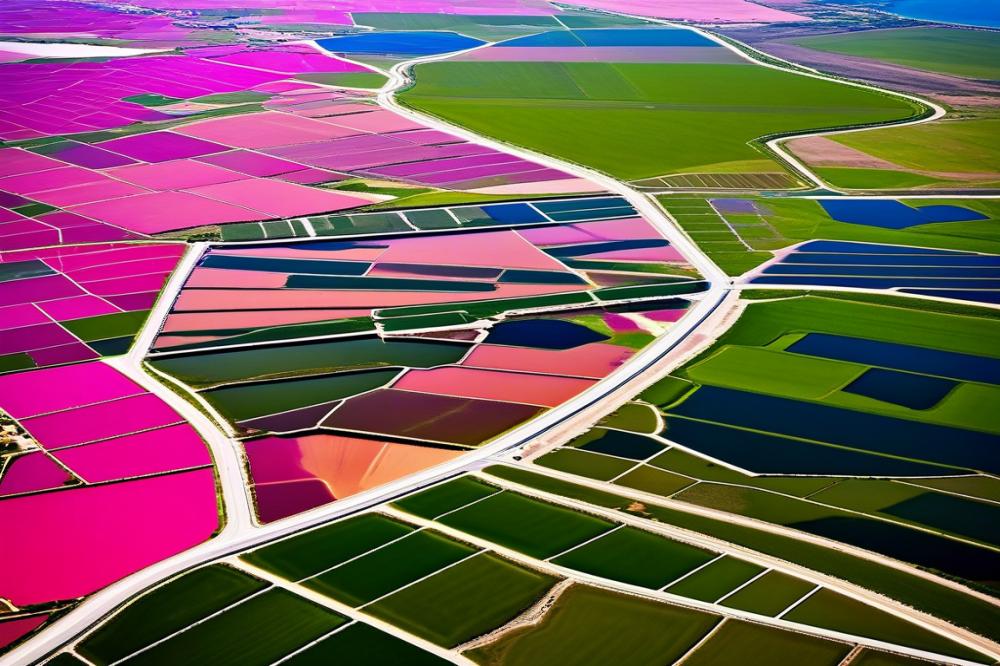
Visiting the salt pans and windmills in the region reveals much about its rich Sicilian heritage. The historical sites connected to salt production highlight the transformation of labor and environment over centuries. These salt flats have existed since the Phoenician era, shaping both economy and culture.
Many local museums celebrate this past. Within their walls, you can discover artifacts and exhibits that illustrate the art of salt harvesting. The stories of the people who have worked these lands are deeply intertwined with the area’s identity. Visitors often appreciate how the history of salt has influenced local cuisine, especially dishes that incorporate this vital ingredient.
Windmills dotting the landscape serve as iconic symbols of the region. Once critical for grinding, they now attract photography enthusiasts and tourists alike. Each structure tells a tale of ingenuity and adaptation to the unique Mediterranean landscapes. These windmills stand as reminders of the area’s historical reliance on natural resources.
In addition to these tales, the influence of salt production on community development is significant. It provided jobs and opportunities for many families, shaping a strong local culture distinct from mainland Italy. Environmental sustainability has become a recent focus, balancing historical practices with modern ecological concerns.
As visitors stroll through the salt pans, they not only see the beauty of the flats. They also witness the blend of tradition and modernity that characterizes life here. The warm sun, salt air, and gentle breeze create an inviting atmosphere that makes Marsala an ideal destination for tourism.
Tourism and Activities in Marsala
Visitors to this charming region can explore a variety of activities showcasing its rich history and natural beauty. The salt pans, with their picturesque windmills, create a stunning backdrop for anyone interested in photography. These salt flats, famous for salt production, are essential to the local economy and heritage. Walking through the shallow waters, travelers can witness the traditional methods that have been in practice for centuries.
Suggested Itineraries
Start your day early by visiting the salt pans at sunrise. This magical time offers beautiful light for photographs. Following that, head to the nearby beach for a refreshing swim in the Mediterranean Sea. Then, consider a guided tour of the historical sites scattered throughout the area. Museums and ancient ruins give insight into the Sicilian heritage of the region. A bike ride through the scenic landscapes can add a touch of adventure to your trip.
Engaging with Local Cuisine
Food lovers will find plenty to enjoy in the culinary scene here. Fresh seafood features prominently in many dishes. Local restaurants serve up delicacies such as couscous with fish, and pastries filled with ricotta. Be sure to taste the famous Marsala wine. Paired with various cheeses or cured meats, it creates a true taste of the Mediterranean. These offerings promise to be a highlight of any visit.
Connecting with the Community
Interacting with locals can deeply enrich your experience. Many residents are eager to share their stories about the culture and traditions of their home. Markets and festivals often showcase crafts and food unique to the area. Participating in these events can provide insights into local customs. Supporting local artisans contributes to environmental sustainability and helps preserve the region’s heritage.
Tourism in this area thrives due to its natural resources and cultural richness. Visitors leave with memories of warm hospitality and beautiful moments. This combination ensures that everyone finds something to cherish during their stay.
Environmental Sustainability in Marsala
In the fascinating landscape of Marsala, salt production reflects sustainable practices. Salt pans, which stretch across the horizon, are more than just a source of salt. They connect deeply with Sicilian heritage and tradition. The methods used today respect the natural resources while fostering local biodiversity.
Natural evaporation plays a crucial role in harvesting sea salt. This traditional approach minimizes energy use, preserving the area’s unique ecosystems. Biodiversity thrives in these salt pans, with many bird species utilizing the habitat. Efforts are made to protect these habitats, ensuring that wildlife and natural beauty are preserved for future generations.
Maintaining the picturesque Mediterranean landscapes is a commitment for local producers. They work alongside environmental groups to implement responsible farming and fishing techniques. Preservation of the coastline prevents ecological damage. Communities are encouraged to participate in initiatives that promote environmental health even further.
Tourism supports many environmental initiatives in this region. Visitors flock to the historical sites and windmills that dot the landscape. Photography enthusiasts capture the stunning vistas, showcasing the beauty of salt production. Local cuisine garners interest as chefs use freshly harvested salt, introducing visitors to authentic flavors. This culinary interest pays homage to the culture while encouraging sustainable practices.
Educational tours provide insight into the delicate balance between industry and nature. Tourists learn about the history of salt production while understanding its ecological impact. Immersing visitors in the region’s practices fosters a sense of responsibility towards the environment. The community benefits as more people advocate for conservation efforts.
Through sustainable practices, the local economy thrives without sacrificing the natural landscape. Tourists are given an opportunity to engage, appreciate, and support these efforts. By exploring the salt pans and windmills, everyone can contribute to the ongoing journey of environmental sustainability.
Final Thoughts on Marsala’s Heritage and Environment
Marsala offers a captivating mix of attractions that delight visitors. The picturesque salt pans, with their shimmering colors, present a stunning backdrop for photography. Windmills stand tall, showcasing the historical methods used to pump water into the salt flats. Each site tells its own story, deeply rooted in Sicilian heritage.
Exploring these remarkable landscapes is more than just a visual experience. It connects travelers to the traditions and practices that have shaped the region for centuries. Whether you wander among the salt crystals or gaze at the intricate windmills, there is much to discover. Each visit encourages a deep appreciation for this extraordinary area.
Preserving both the cultural and environmental aspects of these sites is essential. Future generations deserve to enjoy and learn from the rich history and breathtaking views. By prioritizing conservation efforts today, we can help maintain the beauty and integrity of the landscape for tomorrow. A journey to the salt pans and windmills of this region is not just a trip; it’s an opportunity to embrace a unique cultural experience that enhances our understanding of life in Sicily.
In closing, Marsala’s salt pans and windmills provide a rare glimpse into a landscape that thrives on tradition. Each visit serves as a reminder of the importance of safeguarding this remarkable heritage. Embrace the journey and invite others to explore these breathtaking sites, ensuring that their stories live on for many years to come.

