
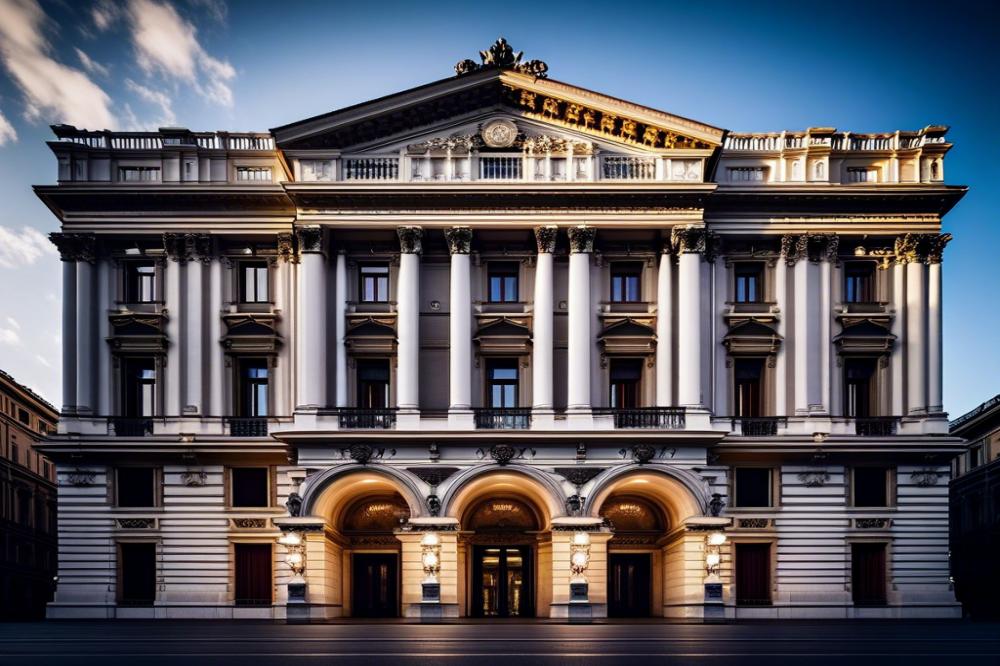
La Scala of Milan: The Crown Jewel of Italian Opera
Nestled in the heart of Milan, the renowned opera house stands as a symbol of artistic excellence and timeless beauty. This venue has long been the stage for classic performances that have shaped the world of music. Not just a building, it represents a rich cultural heritage that has evolved over centuries. Many consider it the pinnacle of Italian Opera, drawing audiences from across the globe.
The significance of this opera house in the context of Italian opera cannot be overstated. It has played a vital role in defining the parameters of operatic expression. From the stirring works of Verdi to the emotive compositions of Puccini, many of the greatest names in music have graced its stage. Their legacies live on through the captivating performances that unfold within its historic walls.
History intertwines with art in every aspect of La Scala‘s existence. Each performance tells a story, echoing the passion and dedication of those who have come before. For centuries, attendees have marveled at the intricate designs and breathtaking acoustics that contribute to its reputation. As a result, this opera house remains a beacon for artists and audiences alike, shining brightly in the ever-evolving landscape of music.
History of La Scala
The origins of the iconic opera house date back to the late 18th century. In 1776, a devastating fire destroyed the Teatro Regio Ducale, Milan’s main opera venue at the time. This event paved the way for a new building. Construction began in 1776, commissioned by Empress Maria Theresa of Austria. The theater opened its doors on August 3, 1778. It quickly became the pride of Milan.
Throughout the years, La Scala has seen many key historical events. One of the most notable moments was the premiere of Giuseppe Verdi’s “Nabucco” in 1842. This marked the beginning of the composer’s long relationship with the venue. Later, during the late 19th and early 20th centuries, works by Puccini filled the stage, showcasing modern musical genius. Renovations have occurred numerous times, especially after World War II, when extensive repairs were necessary. Each renovation sought to maintain the beauty of the opera house while upgrading its facilities.
This opera house stands as a central part of the cultural heritage of both Milan and Italy. Its role extends beyond just performances. It has been a place where music intersects with various forms of art, influencing generations of artists and musicians. The legacy of La Scala continues to thrive as it showcases classic performances that resonate with audiences worldwide. Visitors to the theater not only enjoy exceptional music but also immerse themselves in history. A night at this famed venue offers a glimpse into the soul of Italian art and culture.
Architectural Significance
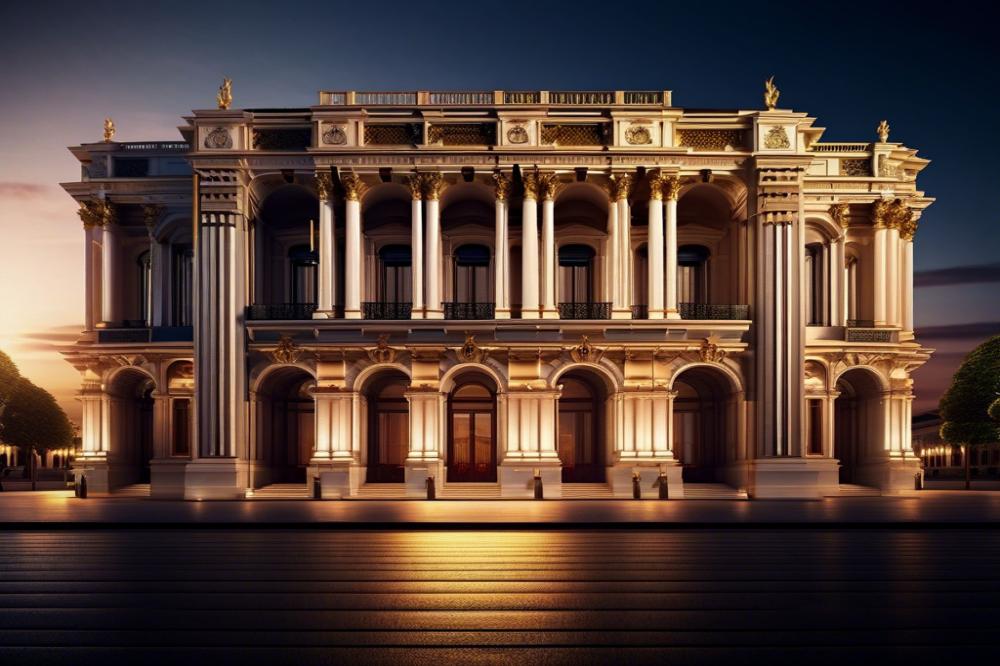
The opera house in Milan is a remarkable example of neoclassical architecture. Built between 1776 and 1778, it was designed by the architect Giuseppe Piermarini. This style emphasizes symmetry and grandeur. Its façade is impressive, with a large portico that invites visitors inside. The building’s exterior is adorned with columns, reflecting the influence of ancient Greek and Roman designs. Inside, lavish decor greets patrons. Rich reds and golds dominate the main auditorium, creating a warm and inviting atmosphere.
One notable feature is the beautiful chandelier that hangs from the ceiling. This stunning piece of art captivates the audience as they gaze upward before a performance. Another highlight is the seating arrangement. La Scala boasts over 2,000 seats, allowing many fans to enjoy classic performances. The combination of acoustics and architecture here provides an unparalleled experience for opera lovers. The boxes are elegantly designed, allowing for a sense of intimacy while watching the stage.
Since its opening, this iconic venue has influenced the design of many other opera houses worldwide. Cities have drawn inspiration from its architectural style and layout. The cultural heritage and historical importance of this building cannot be overstated. Renowned composers like Verdi and Puccini have graced its stage, shaping the rich musical history tied to Milan. Many opera houses have sought to replicate the charm and prestige of this renowned site. As a result, its impact continues to resonate long after the curtain falls.
Classic Performances at La Scala
Legendary performances have graced the opulent stage of Milan’s esteemed opera house. This venue is not just a building; it represents a cultural heritage woven deeply into the fabric of Italy’s artistic history. Over the years, countless iconic works have captivated audiences. Many of these masterpieces are from renowned composers, particularly Verdi and Puccini, whose music continues to echo through the halls of this famous theater.
Verdi’s operas, including “La Traviata” and “Aida,” have found their home here, leaving a lasting imprint on the hearts of opera lovers. Each note and aria performed is filled with emotion and drama. For audiences, these performances often become a life-changing experience. Similarly, Puccini’s “La Bohème” and “Tosca” are cornerstones of the opera repertoire. Their beautiful melodies tell stories of love, loss, and passion, encapsulating the essence of human emotions.
The impact of these performances extends beyond mere entertainment. Each show showcases the evolution of opera as an art form. They have inspired countless artists and influenced other mediums of music and theater. Gathering in Milan to witness such brilliant productions is almost a pilgrimage for enthusiasts. Witnessing a Verdi or Puccini work at this iconic venue allows patrons to connect with history while enjoying top-tier talent.
La Scala serves as a backdrop for these artistic expressions, reinforcing its status as a temple of music. Audiences leave inspired, often eager to share their experiences. The art of opera has transformed, thanks in part to the innovative performances hosted within these walls. This theater’s legacy endures in both the music that has been performed and the memories created by those fortunate enough to attend.
Cultural Impact and Legacy
The opera house in Milan has played a crucial role in defining the opera scene not only in Italy but also across the globe. Artists and composers have flocked to this venue, recognizing it as a launchpad for their works. Famous names like Verdi and Puccini found their masterpieces brought to life within its walls. Their influence shaped the trajectory of opera, marking an evolution in the musical genre.
Classic performances at this venue often set standards that others aspire to reach. This iconic stage has witnessed countless legendary moments. Many artists regard performing here as a pinnacle of their careers. The stage has been graced by a myriad of talented performers, from renowned sopranos to exceptional baritones.
Not only does this landmark highlight its rich history, but it also serves as a vital symbol of cultural heritage. For generations, it has nurtured a love for music and the arts. Today, La Scala continues to draw visitors, inspiring both local and international audiences. Modern performances reflect the opera house’s commitment to creativity while honoring its storied past.
Collaboration with contemporary artists keeps the venue relevant in today’s arts community. New interpretations of classic works breathe fresh life into time-tested narratives. Innovative productions attract a diverse audience that appreciates both tradition and originality. This blending of old and new fosters a vibrant artistic atmosphere in Milan.
In a world filled with digital distractions, the magic of live performances remains unparalleled. The atmosphere within the opera house captivates all who enter. Enthusiasts of music and art often regard attending a show here as an unforgettable experience. What this venue represents goes beyond entertainment; it embodies the spirit of artistic expression.
Visiting La Scala
Planning a visit to the renowned opera house in Milan? Many people first wonder about ticket availability. It is best to book in advance, especially for classic performances by legendary composers like Verdi and Puccini. Tickets can often be purchased online or at the box office. Prices vary widely, so there are options for different budgets.
Getting to the venue is straightforward. Public transport in Milan is efficient. The metro and buses have stops nearby, making access convenient. If you prefer, a leisurely walk can also lead you through the beautiful streets of the city. The area around the opera house is rich in cultural heritage.
Tips for Attending Performances
Dress code can add to your experience. While formal attire is common, smart casual clothing can also be acceptable. Arriving early allows you to soak in the atmosphere and admire the stunning interiors before the show begins. Additionally, taking some time to explore the museum attached to the opera house can deepen your appreciation for its history.
During performances, it’s helpful to silence your devices. Respecting other attendees enhances everyone’s experience. Programs usually provide insights into each performance. This information can enrich your understanding of the music and art on stage.
Attracting Opera Lovers
A blend of tradition and innovation keeps La Scala a favorite among opera lovers worldwide. The opera house regularly features a mix of classic and contemporary works. This balance attracts not just seasoned enthusiasts but also newcomers to the genre. The commitment to high-quality performances ensures that audiences return year after year.
Moreover, special events and collaborations with renowned artists draw in larger crowds. Masterclasses and educational programs raise the profile of the art form. These initiatives invite young talent into the spotlight, paving new paths for the future. High-profile premieres often create buzz among the music community, making the opera house a focal point for cultural conversation.
Final Thoughts on La Scala
La Scala stands as a monumental symbol in the opera world. It is not just an opera house; it represents a rich tradition and a passion for music that has mesmerized audiences for centuries. From legendary performances to groundbreaking premieres, its impact is undeniable. People flock to Milan, eager to experience the magic of this venue, which has become a benchmark for excellence.
The legacy of this cultural institution continues to thrive. Generations have drawn inspiration from its stages. Not only does it showcase some of the world’s finest talent, but it also nurtures new artists and innovative productions. This commitment to the arts ensures that opera remains vibrant and relevant. History flows through the ornate halls, reminding visitors of countless stories and unforgettable performances.
Looking ahead, the future of La Scala appears bright. The opera house remains open to evolution, embracing modern storytelling while honoring traditional forms. Audiences can expect exciting collaborations that bridge time and styles. This adaptability will help maintain its status as a must-visit destination for both opera aficionados and newcomers alike.
The contributions to music and art extend far beyond the confines of the theater. La Scala influences various aspects of culture, from fashion to film. Its presence in Milan serves as a continual reminder of the power of artistry to unite and inspire. In conclusion, the devotion to opera and the arts will undoubtedly allow this esteemed establishment to flourish for many years to come.

