
Introduction
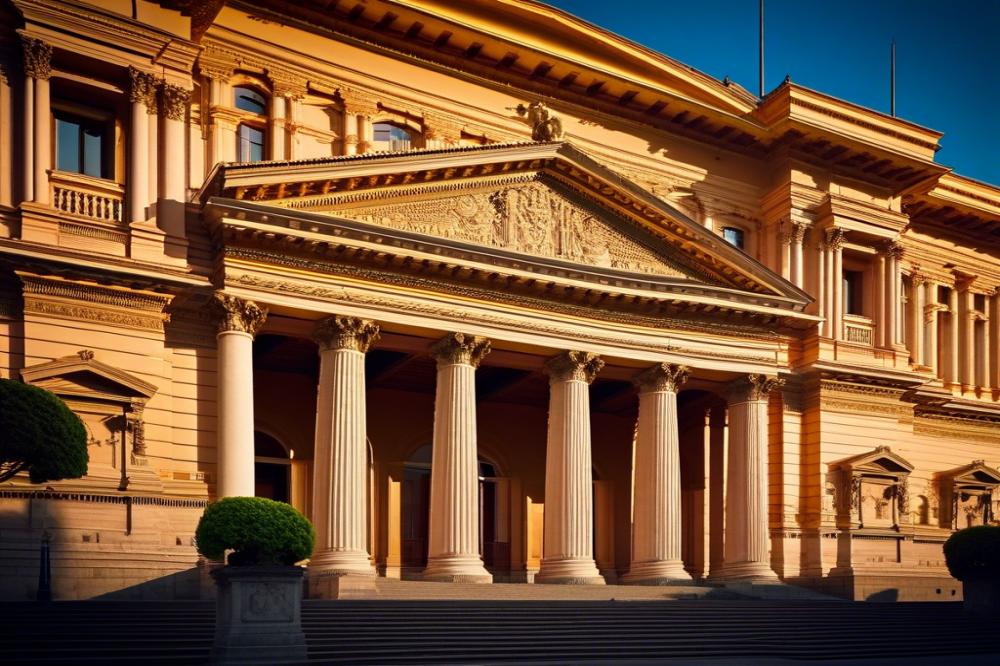
Italian opera houses hold a significant place in the nation’s cultural landscape. They are not merely venues for music and performance; they embody the spirit of artistic expression and community pride. These historic buildings often showcase stunning architecture. Many houses have become essential parts of local heritage, enriching tourism and entertainment.
In Palermo, Sicily, one can find a jewel among these architectural wonders. Teatro Massimo stands as a prominent landmark, renowned for its grandeur and exquisite design. This opera house is a center for opera and a symbol of Sicilian cultural heritage. Produced performances draw audiences from around the world, enchanting them with the beauty of Italian opera.
The grandeur of Teatro Massimo finds a parallel in Teatro Regio located in Parma. Both theaters contribute significantly to the rich tapestry of Italian opera. They serve as beacons of artistic achievement, attracting theatergoers and artists alike. Each offers a unique glimpse into the history and evolution of this beloved art form. Together, they reflect the passion and creativity that define Italian culture.
Teatro Massimo: A Sicilian Masterpiece
History and construction of Teatro Massimo
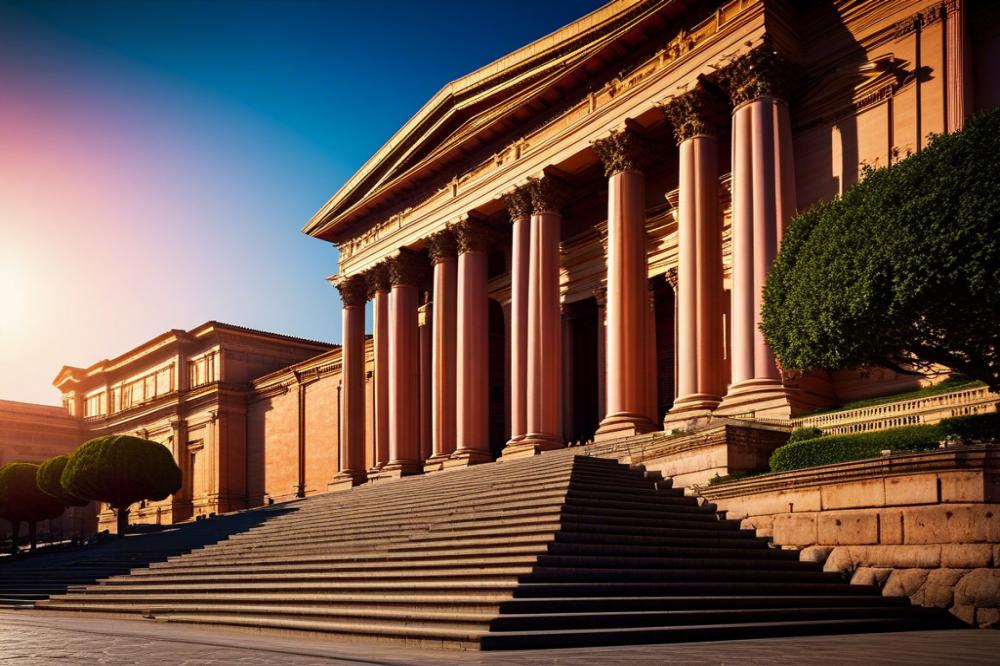
The history of this opera house in Palermo dates back to the late 19th century. Construction began in 1875 and took over two decades to complete. The building was designed by the architect Giovanni Battista Filippo Basile. His vision was grand, aiming for a venue that matched the richness of Sicilian culture. The theater opened to the public in 1897, unveiling its splendor to an eager audience.
Architectural features and design elements
An impressive façade welcomes visitors. Marble steps lead to a massive horseshoe-shaped entrance, accentuated by imposing columns. Inside, the opulent foyer features stunning chandeliers and exquisite sculptures. The auditorium is equally breathtaking, with a seating capacity of 1,400. Elaborate frescoes adorn the ceiling, creating a dramatic atmosphere for performances.
Cultural heritage and importance to the Sicilian identity
This historic landmark stands as a symbol of Sicilian identity and pride. It reflects the island’s rich artistic traditions and cultural heritage. For many locals, it represents a connection to their roots and history. The theater also plays a vital role in tourism, drawing visitors from all around the world. Their curiosity is piqued not only by performances but also by the architecture itself.
Significant performances and artists associated with the opera house
Over the years, the opera house has hosted prominent artists and significant performances. Renowned operas like “Carmen” and “La Traviata” have graced its stage. Famous conductors and singers have left their mark on this sacred space. The theater continues to embrace both classical and contemporary works. Each performance unfolds a story, captivating audiences who return time and again.
The Grandeur of Teatro Regio in Parma
Background and Historical Significance of Teatro Regio
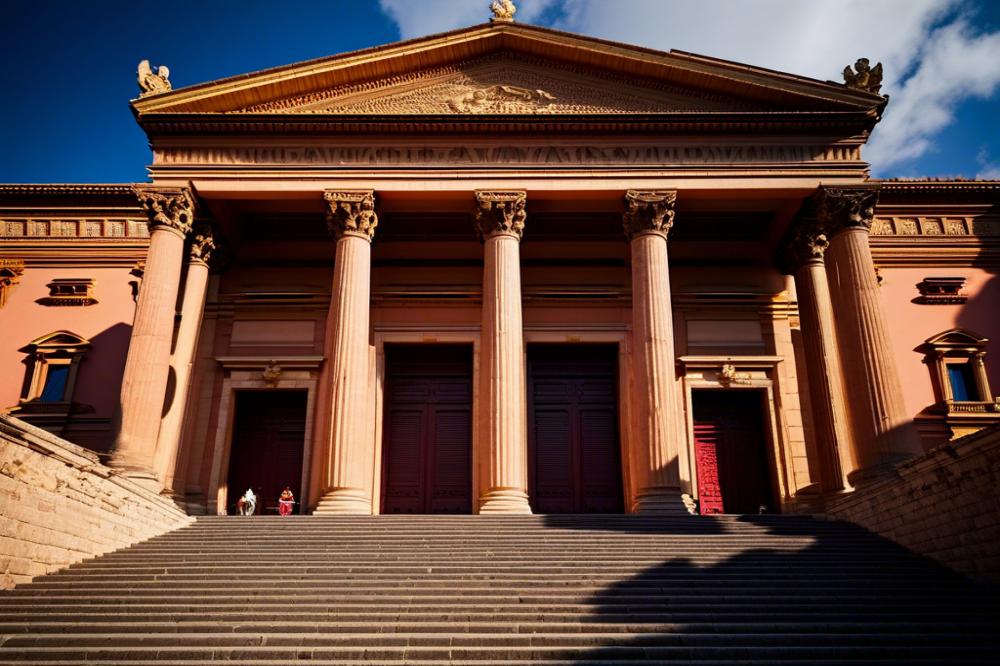
Teatro Regio, located in Parma, Italy, opened its doors in 1829. It stands as one of the finest opera houses in the country. The theater was designed by the architect Nicola Bettoli. Known for hosting premier performances, it became a vital part of Italian cultural heritage. Over the years, this historic landmark has been home to countless important works, elevating its status in the world of opera.
Comparison of Architectural Styles with Teatro Massimo
Architecturally, Teatro Regio features a neoclassical style, filled with elegant columns and rich decorations. Its grand facade sets the tone for what lies within. In contrast, Teatro Massimo in Palermo exudes an eclectic approach, incorporating elements from various styles, including neoclassical and Art Nouveau. While both theaters radiate beauty, their designs highlight different aspects of Italian architecture. This diversity speaks to the rich cultural history of the regions they represent.
Notable Performances and Contributions to Italian Opera
Through the years, Teatro Regio has hosted many celebrated operas. Works by Giuseppe Verdi frequently grace its stage, showcasing the deep ties between the composer and his hometown. The theater has also nurtured numerous talents, contributing significantly to the arts. Many world-renowned artists made their mark here, influencing the landscape of opera. These performances remain etched in the memories of attendees.
Influence on the Operatic Scene in Italy and Beyond
The impact of Teatro Regio on the operatic scene is immense. It serves not only as a platform for established works but also supports new creative endeavors. The theater attracts tourists from all over, drawing them into the world of Italian opera. Its influence reaches beyond the borders of Italy, inspiring global appreciation for opera as an art form. Both the theater and its performances play a crucial role in shaping contemporary operatic culture.
Cultural Impact and Tourism
Role of Teatro Massimo in Promoting Sicilian Culture
The opera house stands as a vital centerpiece of Palermo’s cultural scene. It showcases the rich heritage of Sicilian music and art. Locals and visitors alike are drawn to its stunning architecture and vibrant performances. This landmark not only hosts operas but also embraces traditional Sicilian arts. By doing so, it nurtures a strong sense of community and pride in local culture.
Importance of Opera Houses in Italian Tourism and Economy
Italy is renowned for its historic opera houses, attracting millions of tourists each year. These venues play a crucial role in the economy by boosting local businesses. Restaurants and shops thrive during opera seasons when crowds flock to the area. Concerts and plays enhance the cultural landscape, supporting employment in the arts. Tourists often plan their trips around performances, highlighting the economic significance of such institutions.
Impact of Performances on Local and International Audiences
Operatic performances resonate widely, offering insights into Italian traditions and storytelling. Audiences experience a blend of emotion and artistry, connecting people from diverse backgrounds. Enthusiasts travel from across the globe to witness these events. Each performance serves as an invitation to explore Sicilian life and history. Many leave profoundly moved, eager to share their experiences with others.
Events and Festivals Hosted at the Opera House
Various events enrich the calendar at this iconic venue. Annual festivals celebrate both classical and contemporary works. Seasonal operas invite guests to witness timeless masterpieces alongside new compositions. Additionally, the opera house hosts educational programs aimed at young people. These initiatives ensure the preservation of the rich cultural heritage of Sicily.
Final Thoughts
Both Teatro Massimo and Teatro Regio hold immense significance in the world of Italian opera. Their architectural beauty and rich history represent not only artistic achievements but also cultural heritage. These venues have hosted countless performances, captivating audiences and nurturing talent throughout the years. They are more than just theaters; they are essential parts of their respective cities, drawing in locals and visitors alike.
Preserving these historic landmarks is vital. They serve as a bridge to the past, connecting us with the vibrant artistic expressions of previous generations. Without efforts to maintain these sites, we risk losing invaluable pieces of our cultural identity. Restoration projects and community involvement can help safeguard their future.
Tourism plays a key role in supporting these cultural treasures. When people visit, they contribute to the local economy while also gaining a deeper understanding of Sicily’s artistic legacy. Exploring these magnificent theaters can inspire everyone to appreciate the performing arts. So, when planning a trip to Palermo or Parma, consider including these extraordinary venues on your itinerary. They promise enriching experiences and unforgettable memories in the heart of Italy’s opulent opera scene.

