
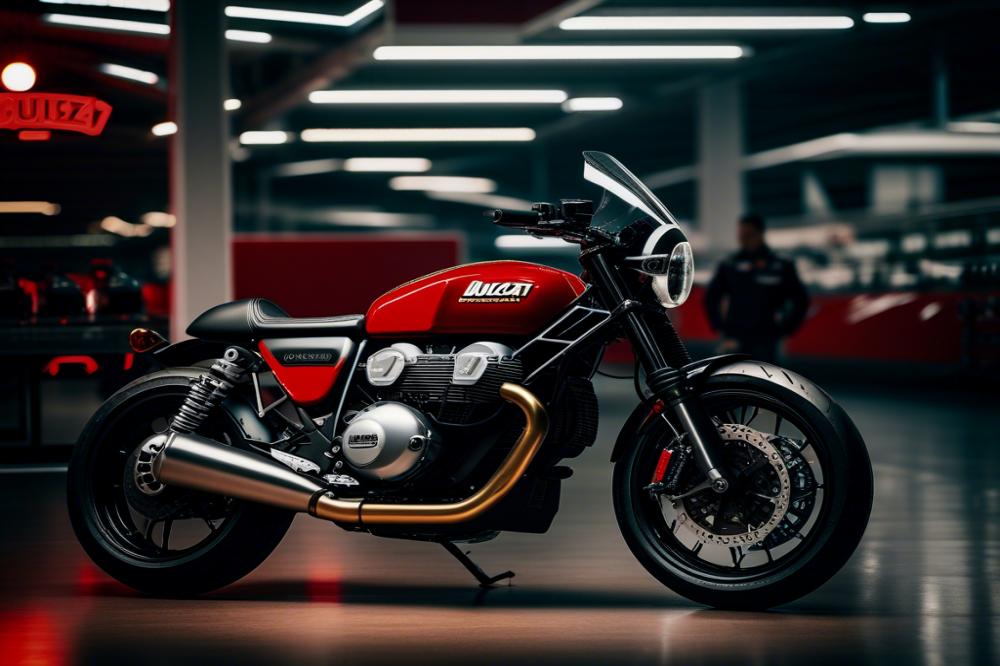
Introduction
Italy has long been a powerhouse in the world of motorcycles. Renowned for its stylish designs and engineering excellence, the country’s manufacturers have made significant contributions to racing history. Brands like Moto Guzzi, Ducati, and Aprilia stand out as prime examples of innovation and speed on two wheels.
The rich heritage found in Italian motorcycle manufacturing is impressive. From the roaring engines of MV Agusta to the unique craftsmanship of Cagiva and Laverda, these companies have left an indelible mark on the sport. Iconic models such as the Ducati Panigale and the Bimota Tesi showcase the splendid blend of art and racing technology that Italy is famous for.
Motorcycle enthusiasts often admire these brands not just for their performance, but also for their stories. Each brand carries a legacy that speaks to passion for motorcycling. Excellence and creativity fuel the ongoing evolution of these manufacturers, keeping them relevant in competitive racing environments.
Italian motorcycle brands continue to inspire riders around the globe. Their commitment to craftsmanship and speed is undeniable. As we explore the contributions of these legendary manufacturers, it becomes clear that their influence extends far beyond the racetrack. They are not just machines; they embody a culture of motorcycling that resonates with many.
The Pioneers of Italian Racing
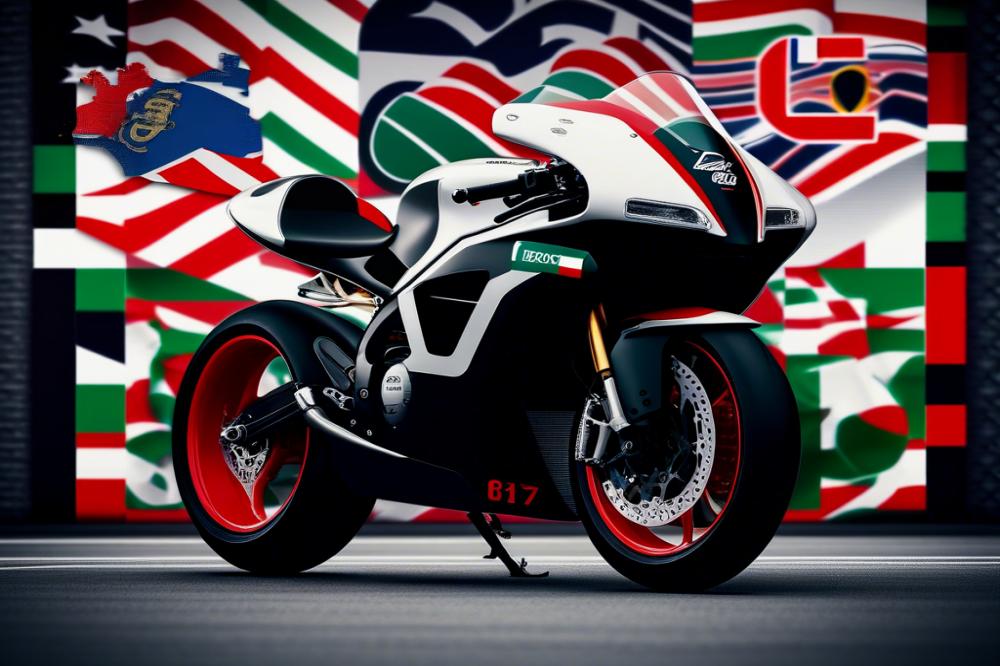
The world of motorcycle racing owes much to early Italian manufacturers. Pioneers in the field, they laid the groundwork for innovations that followed. Among these brands, Moto Guzzi stands out for its remarkable contributions. Founded in 1921, this company made history with its engineering and design.
On the racetrack, Moto Guzzi showcased various iconic models that captured the attention of riders and fans. Their unique V-twin engine offered a different feel compared to other brands. This design not only improved performance but also influenced future motorcycle technology. Shortly after Moto Guzzi’s debut in racing, Ducati entered the scene. Their ambition propelled them toward domination in the competitive arena.
Throughout the years, several other manufacturers emerged, including Aprilias, MV Agusta, Cagiva, Laverda, and Bimota. Each brought something distinctive to the racing community. MV Agusta, for instance, is famous for high-performance bikes that pushed boundaries. Their success on the track created a lasting legacy within motorcycle heritage.
The racing technology developed by these brands paved the way for the high-speed machines we see today. Iconic models such as Moto Guzzi’s Norge and Ducati’s 750 Sport have become classics. These motorcycles not only represent a bygone era but also demonstrate an incredible evolution in design and capability. Enthusiasts still admire these masterpieces on and off the track.
This rich history of Italian racing is more than just speed and competition. It reflects a passion for innovation and craftsmanship. The pioneers have left an indelible mark in the motorcycle world, inspiring future generations of riders and manufacturers alike. Their early work set the stage for what we now regard as the essence of motorcycle racing.
Ducati: The Legend in Racing
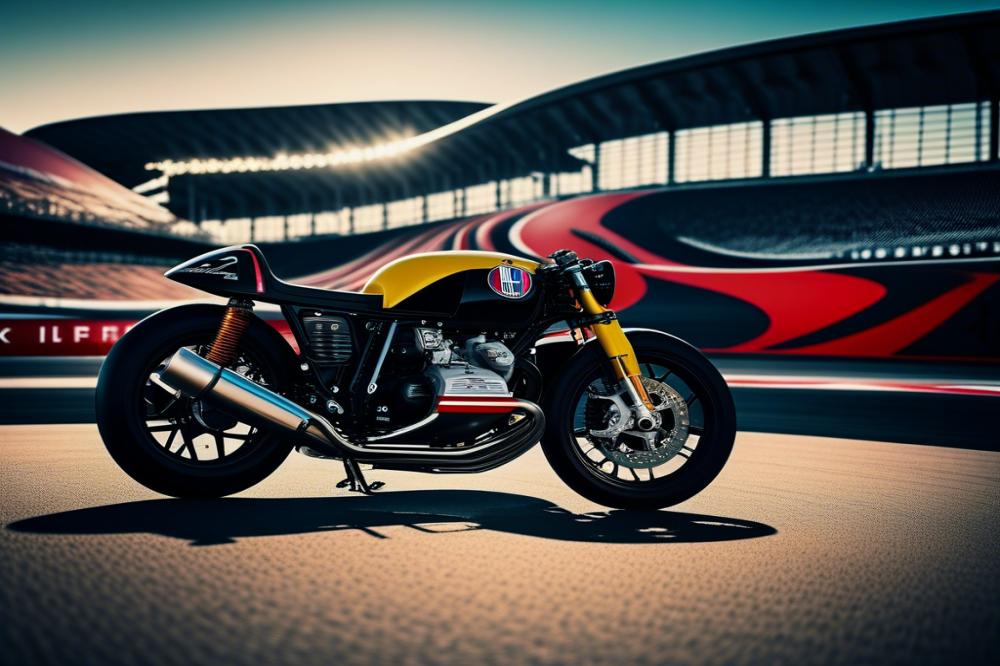
Ducati has a storied legacy in the motorcycle racing world. Its journey began in 1926, but the brand truly exploded onto the scene in the post-World War II era. Commitment to performance and innovation set Ducati apart from others, making it one of the most respected names in motorcycle heritage.
Key advancements in racing technology have often come from Ducati. The introduction of the Desmodromic valve system revolutionized engine design. This unique approach allowed for higher revs and better control over power delivery. Engineers focused on optimizing every aspect of performance, enhancing speed and agility on the track.
Iconic models such as the Ducati Desmosedici effortlessly showcase this commitment. As a purpose-built racing machine, it competes in the MotoGP series and has earned numerous accolades. Notably, the Desmosedici has secured multiple championships, proving its place among the elite.
Racing enthusiasts often rave about Ducati’s V-twin engines. They deliver torque and responsiveness that thrill riders. This power has helped propel Ducati racers to the podium time and again. Alongside models like the Panigale and the 1199 Superleggera, the brand consistently pushes the boundaries of what is possible on two wheels.
Not to forget, Ducati’s fierce rivalry with brands like Moto Guzzi and MV Agusta has shaped much of its racing philosophy. The Italian manufacturer looks beyond just speed; it embraces innovation and design. Each motorcycle crafted reflects a dedication to excellence.
Today, Ducati’s contribution to motorcycle racing is undeniable. From the racetrack to the showroom, its influence can be seen everywhere. Whether in local competitions or global events, the spirit of Ducati continues to inspire new generations of riders and engineers alike.
The Influence of Aprilia and MV Agusta
Aprilia has made significant strides in the motorcycle world. It has a rich history that intertwines road and racing machines. Known for its innovation, the brand introduced unique technologies, like its advanced racing technology in superbikes. These bikes have not only conquered streets but also racetracks across the globe. Iconic models like the Aprilia RSV4 showcase their commitment to performance and cutting-edge design.
Engagement in various racing competitions has allowed Aprilia to build a solid reputation. Their challenges in superbike racing helped to elevate the brand’s status. In addition to competing, they have also developed production models inspired by their racing success. This relationship between road and competition bikes shows Aprilia’s dual purpose—to dominate in races while satisfying enthusiasts on the streets.
MV Agusta’s Legacy
MV Agusta, on the other hand, has a legendary presence in racing history. The brand boasts a dominance in World Championships that few can rival. With over 75 world titles, this company has set remarkable standards in performance and engineering. Their motorcycles are not merely machines; they are a glimpse into a rich motorcycle heritage.
Throughout its history, MV Agusta has produced several iconic models. The F4 and the Brutale are prime examples of exceptional craftsmanship. Riders love these bikes for their potent engines and striking aesthetics. This dynamic combination has resonated with both collectors and racers alike.
The interplay between Aprilia and MV Agusta is fascinating. While sometimes competitors, they also share a bond through collaboration. Both brands have played a role in shaping the Italian motorcycle industry alongside others like Moto Guzzi, Ducati, and Cagiva. Their rivalry pushes each to innovate. Meanwhile, cooperation on certain technologies has benefited the entire scene.
Bimota and Laverda, too, have left their marks, interacting through shared interests and occasional partnerships. This collaborative spirit highlights a commitment to excellence. As these companies compete, they elevate the standards of performance and engineering in each motorcycle they produce.
Niche and Innovator Brands: Cagiva, Laverda, and Bimota
Cagiva’s Unique Position in the Market
Cagiva carved out a distinct niche in motorcycle culture. This brand emerged during the 1980s, capturing attention with its bold designs and powerful models. Unlike mainstream competitors, Cagiva focused on creating versatile bikes that appealed to riders looking for something different. Their most notable achievement was the Cagiva Elephant, which made waves in off-road racing. This versatility showcased Cagiva’s commitment to innovation while still respecting motorcycle heritage. Partnerships with renowned riders helped elevate their status in the world of racing.
Laverda’s Historical Significance and Racing Capabilities
In the realm of motorcycle racing, Laverda holds a prestigious position. Founded in the 1970s, the company quickly made its mark with bikes known for speed and reliability. The Laverda Jota became an instant classic, revered for its engineering and race-ready performance. Their motorcycles participated in prestigious competitions like the Isle of Man TT. Laverda also embraced technological advancements, continually adapting to the changing demands of riders. Their bold designs and racing capabilities fostered a loyal following among enthusiasts.
Bimota’s Innovation and Focus on High-Performance Machines
Shifting gears to Bimota, this brand is synonymous with cutting-edge technology and high-performance motorcycles. Founded in 1973, Bimota aimed to blend innovative engineering with styling that captures attention. Each model often combined parts from prominent brands like Ducati and MV Agusta to create something special. Their unique approach allowed them to push boundaries and redefine what performance meant in the motorcycle world. Iconic models like the Bimota Tesi introduced revolutionary ideas in chassis design. Riders seeking speed and precision have always appreciated Bimota for its dedication to excellence.
The Evolution of Racing Technology
Italian motorcycle brands have played a vital role in shifting the landscape of racing technology. Innovations from these manufacturers have often set the standard in the industry. Aerodynamics is one area where they truly excel. For instance, Ducati’s Panigale models feature advanced designs that reduce drag and improve stability at high speeds. This focus on sleek shapes allows riders to maximize their performance on the track.
Engine design has also undergone significant transformation. Companies, like MV Agusta and Moto Guzzi, have created powerful engines that push the limits of horsepower. The introduction of liquid cooling, fuel injection, and lightweight components has radically changed how motorcycles perform. These advancements help racers achieve faster lap times and break speed records.
Materials used in motorcycle construction have evolved as well. Brands such as Bimota and Cagiva pioneered the use of exotic materials like carbon fiber and titanium. These substances provide outstanding durability without adding extra weight. Telescopic forks and monocoque frames contribute to a motorcycle’s rigidity and handling. Laverda, known for its engineering prowess, has used these advancements to enhance the racing experience.
In addition to structural changes, electronic technology has transformed racing as well. Aprilia was among the first to integrate sophisticated electronics into their motorcycles. Traction control systems and electronic suspension adjust ride dynamics based on track conditions. These features assist riders in staying competitive in high-stakes races.
What connects all these advancements is a rich motorcycle heritage that mirrors Italy’s passion for speed and design. Iconic models like the Ducati 916 or the Moto Guzzi Le Mans highlight how these brands have pushed boundaries over the decades. Each stride forward not only enhances racing technology but also leaves an indelible mark on the motorcycling world.
Italian Motorcycle Heritage in Contemporary Racing
Italian motorcycle brands have left a lasting mark on the world of racing. Their influence can still be seen in today’s competitions. Moto Guzzi, Ducati, and Aprilias are just a few names that resonate with fans and racers alike.
Collaborations between historical brands and modern manufacturers have paved new paths in racing technology. Ducati, for instance, works closely with various teams in MotoGP, merging traditional craftsmanship with cutting-edge innovation. This partnership has delivered impressive results on the track, showcasing the strength of their legacy.
Furthermore, MV Agusta and Cagiva continue to be involved in various racing events, including superbike championships. Their dedication to performance helps maintain their relevance. Laverda and Bimota may not be as prominent these days, yet their designs still inspire new models and concepts across many racing platforms.
Iconic models from these brands inspire engineers and racers today. The enduring popularity of the Ducati Panigale, for example, highlights how the roots of Italian design influence contemporary bikes. Riders often seek a genuine connection to the history that these motorcycles represent.
Innovations from the past create a bridge to today’s high-speed competitions. The essence of Italian motorcycle heritage remains alive. It pushes current teams to explore greater heights in racing performance.
As new racing talents emerge, some find motivation in the storied past of brands like MV Agusta. Their passion for excellence shines through in their work, resulting in machines that combine history and modern demands. For many racers, riding a bike with such rich history elevates their sport.
In summary, the legacy of Italian motorcycle brands continues to shape contemporary racing. Their unique blend of heritage and innovation fosters an environment where past achievements inform future successes. This relationship between history and modernity creates a vibrant racing scene that captivates fans and competitors alike.
The Legacy of Italian Motorcycle Excellence
Italian motorcycle brands have profoundly shaped the world of racing. Their impact is seen in countless championships and victories. Iconic names like Ducati and Moto Guzzi have set the stage for what racing can achieve. Decades of innovation and dedication have defined their journeys. Many riders dream of owning a machine that embodies such a rich heritage.
Looking ahead, the future of Italian motorcycle manufacturing appears bright. Brands continue to explore new technologies and designs. Electric motorcycles are gaining traction, and Italian manufacturers are eager to lead the charge. Racing remains at the heart of these innovations. Thus, the spirit of competition fuels advancements in performance and safety. In the coming years, we can expect exciting developments that honor the past while forging a new path.
The global influence of these motorcycles cannot be overstated. Motorcycle culture thrives, with these brands inspiring enthusiasts worldwide. From weekend riders to professional racers, their machines create a sense of passion and community. As they embrace change, these companies also stay connected to their roots. This balance keeps the racing spirit alive and ensures that Italian Motorcycles remain synonymous with excellence. In conclusion, their storied legacy will continue to influence the racing landscape for years to come.

